Green Community Readiness Checker
Select Neighborhood Features
Renewable Energy
Solar panels or wind turbines visible.
Green Transport
Bike lanes, walking paths, or EV chargers.
Local Food Systems
Community gardens or farmers' markets nearby.
Waste Reduction
Composting bins or recycling programs available.
Social Collaboration
Tool libraries, repair cafes, or community centers.
Abundant Green Space
Parks, native planting, or tree-lined streets.
Your Green Score
Select features above to see how green your community is.
Imagine walking down your street and seeing solar panels on every roof, compost bins instead of trash cans, and neighbors sharing tools rather than buying duplicates. This isn't a utopian dream; it is the reality for residents in established green communities around the world. But what exactly defines a green community? It is more than just having parks or recycling centers. It is a deliberate shift in how we live, consume, and interact with our environment and each other.
In 2026, the concept has moved beyond niche eco-villages into mainstream urban planning and suburban development. People are realizing that individual actions, like switching to LED bulbs, have limits. Real change happens when entire neighborhoods adopt shared values and infrastructure. This article breaks down what makes a community truly green, why it matters now more than ever, and how you can start building one where you are.
The Core Definition: More Than Just Trees
A green community is a residential area designed and managed to minimize its environmental footprint while maximizing social well-being. It integrates three main pillars: environmental sustainability, economic resilience, and social cohesion. You cannot have a true green community if it only focuses on energy efficiency but ignores affordable housing or local food access.
Think of it as an ecosystem. In nature, waste from one organism becomes food for another. In a green community, this principle applies to human systems. Food scraps go to community gardens. Rainwater is captured for irrigation. Excess energy from solar panels is shared among neighbors. The goal is circularity-keeping resources in use for as long as possible.
This definition challenges the traditional model of suburban sprawl, which relies heavily on cars, single-use plastics, and imported goods. Instead, green communities prioritize density, walkability, and local production. They are not just about reducing harm; they are about creating regenerative systems that improve the health of the land and its people.
Key Features of Sustainable Neighborhoods
How do you spot a green community? Look for specific, tangible features that go beyond marketing buzzwords. These characteristics form the backbone of sustainable living at a neighborhood level.
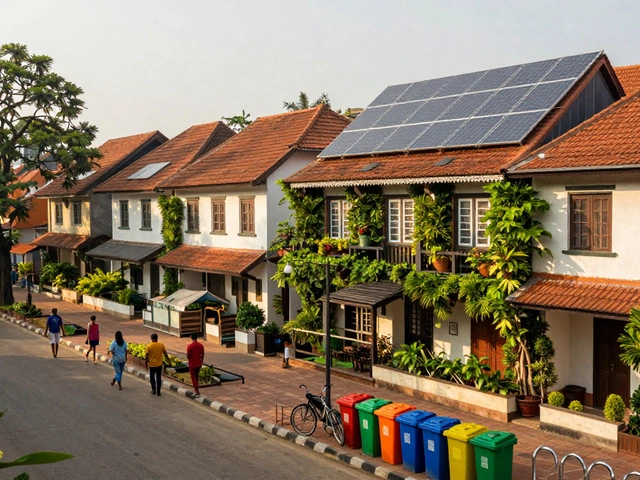
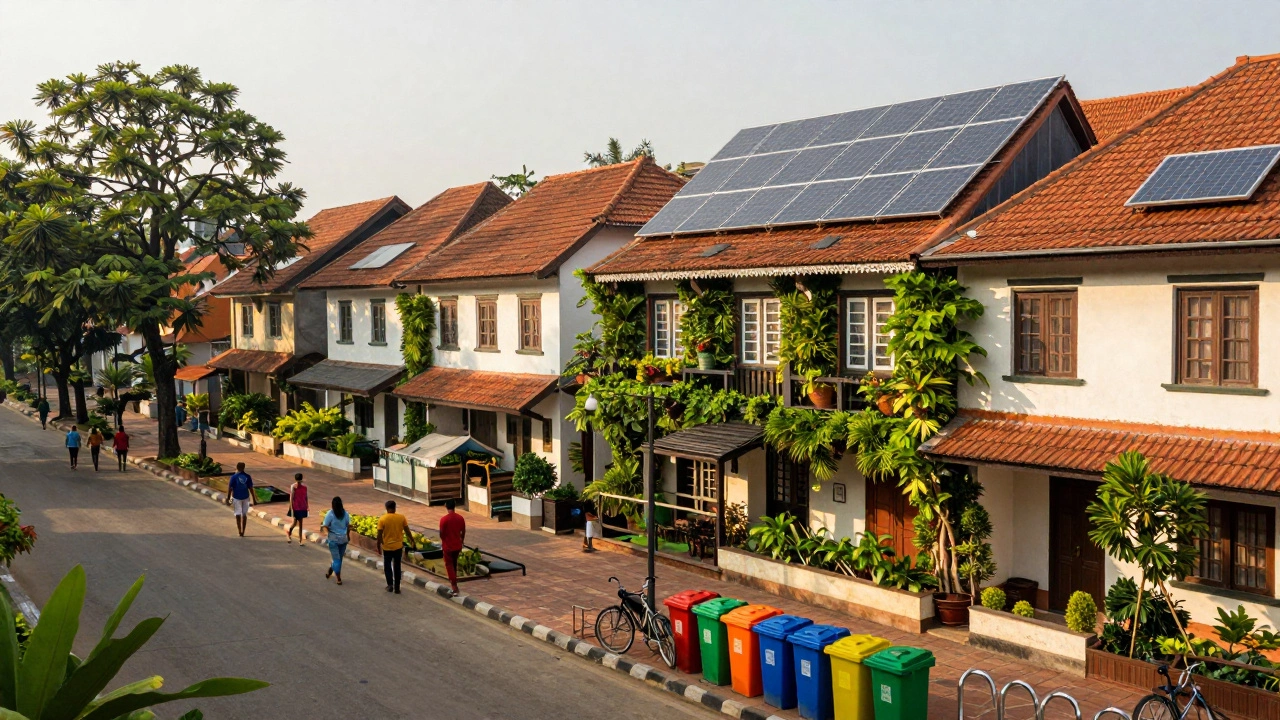
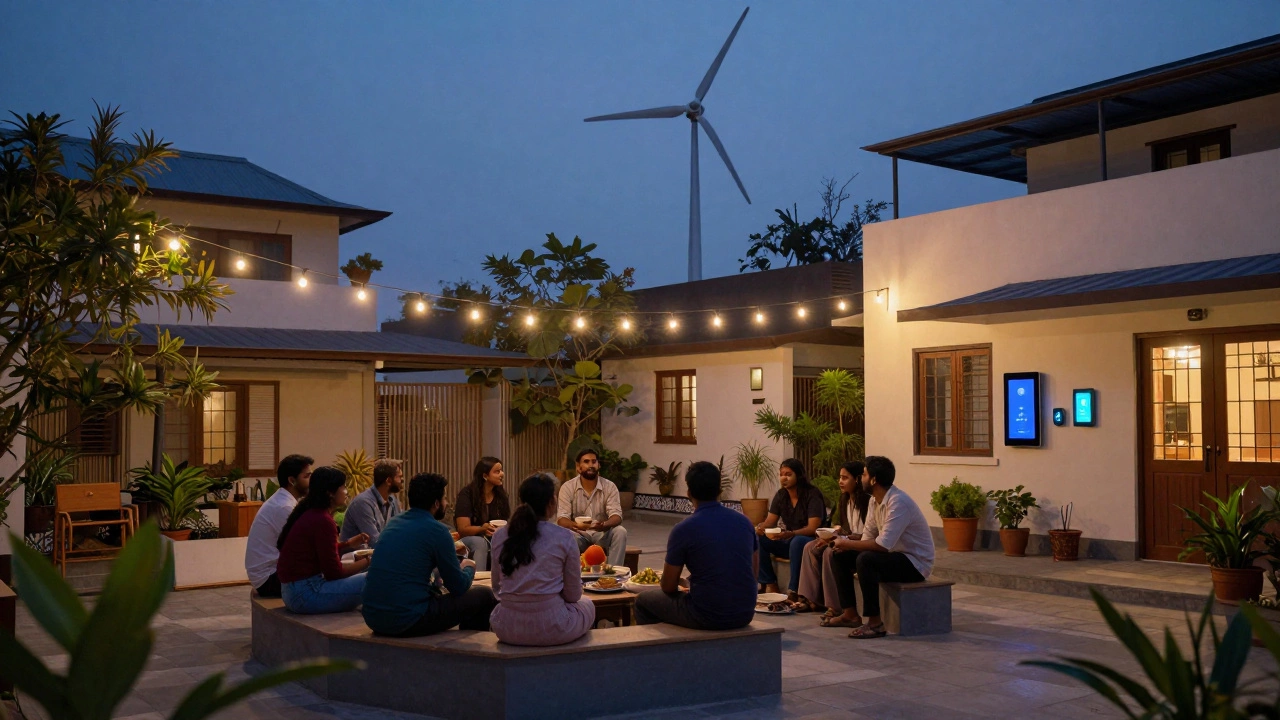
- Renewable Energy Infrastructure: Most homes or buildings generate their own power through solar panels, wind turbines, or geothermal systems. Some communities even have microgrids that allow them to operate independently during outages.
- Green Transportation Options: Wide sidewalks, protected bike lanes, and proximity to public transit reduce car dependency. Many green communities also offer car-sharing programs or electric vehicle charging stations.
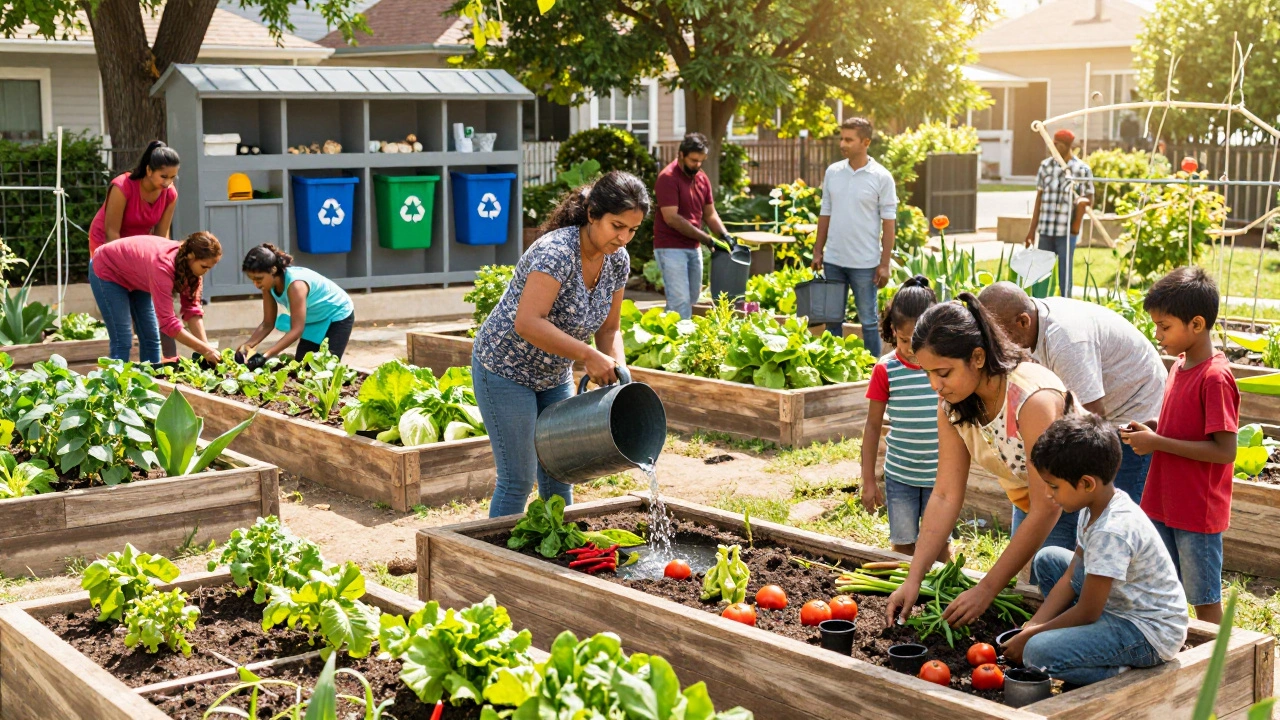
- Local Food Systems: Community gardens, farmers' markets, and rooftop farms provide fresh produce. This reduces food miles-the distance food travels from farm to plate-and strengthens local economies.
- Waste Reduction Programs: Comprehensive composting, recycling, and repair cafes help divert waste from landfills. Some communities aim for zero-waste status by banning single-use plastics entirely.
- Social Spaces for Collaboration: Shared workshops, tool libraries, and community centers encourage residents to connect and collaborate. Social capital is as important as physical infrastructure in a green community.
These features work together to create a resilient system. For example, a community garden (local food) might be watered by rainwater harvesting (resource conservation), and maintained by volunteers who meet regularly (social cohesion). Each element supports the others.
Why Green Communities Matter in 2026
The urgency for green communities has never been higher. Climate change is no longer a distant threat; it is affecting weather patterns, sea levels, and biodiversity right now. Cities and towns are on the front lines of these changes, facing heatwaves, floods, and air pollution.
Green communities offer practical solutions to these problems. By reducing reliance on fossil fuels, they lower greenhouse gas emissions. By planting trees and creating green spaces, they mitigate urban heat islands. By fostering strong social networks, they build resilience against disasters and economic shocks.
Consider the data. According to recent studies, neighborhoods with high levels of green space see a 20% reduction in stress-related illnesses among residents. Similarly, communities that invest in renewable energy save millions in utility costs over time. These are not just environmental benefits; they are economic and health benefits too.
Moreover, green communities attract younger generations who prioritize sustainability. As demographics shift, places that ignore environmental concerns risk becoming less desirable. Investing in green infrastructure is an investment in future prosperity.
Real-World Examples: Success Stories
To understand what a green community looks like in practice, let's look at some real-world examples. These case studies show different approaches to sustainability, proving there is no one-size-fits-all solution.
Freiburg, Germany: Known as the "Green City," Freiburg has pioneered sustainable urban planning for decades. Its Vauban district is car-free, with most residents using bikes or public transport. Houses here are built to passive house standards, requiring minimal heating or cooling. The community also runs a successful citizen-owned energy cooperative, generating 100% of its electricity from renewables.
Portland, Oregon, USA: Portland is famous for its extensive bike lane network and commitment to local food. The city has invested heavily in green roofs and stormwater management systems to prevent flooding. Neighborhood associations play a key role in organizing cleanup events and community gardens, fostering a strong sense of ownership among residents.
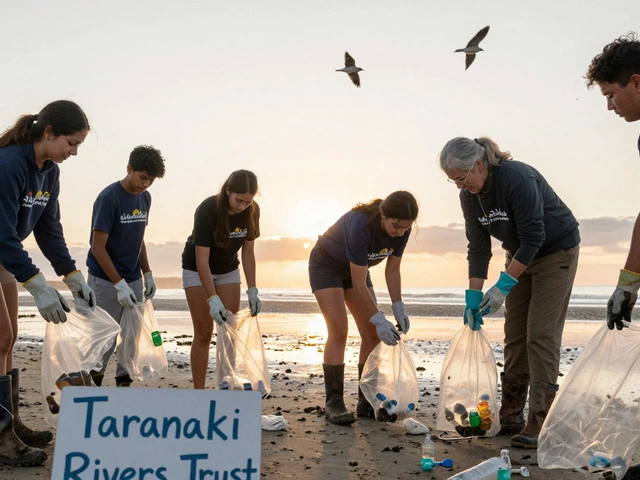
Wellington, New Zealand: Closer to home, Wellington has embraced its reputation as a windy, green city. The Capital Connection project aims to make the city center fully walkable and cycle-friendly by 2040. Local initiatives include the Wellington City Council's waste minimization program, which diverts over 50% of household waste from landfills. Community groups actively promote native planting and beach cleanups, engaging citizens in direct action.
These examples highlight common themes: strong policy support, active citizen participation, and innovative design. They prove that green communities are viable and beneficial across different climates and cultures.
How to Start Building a Green Community
You don't need to move to a new country to join a green community. You can start transforming your current neighborhood today. Here are actionable steps to get started.
- Assess Your Current Situation: Walk around your neighborhood. What works? What doesn't? Are there vacant lots that could become gardens? Is there excessive traffic? Identify opportunities for improvement.
- Connect with Neighbors: Talk to people next door. Share your ideas and listen to theirs. Form a small group of interested residents. Social media groups or local Facebook pages can be great starting points.
- Start Small: Launch a pilot project. Maybe it's a shared compost bin, a seed swap, or a weekend cleanup day. Small successes build momentum and trust.
- Engage Local Government: Attend council meetings. Advocate for policies that support sustainability, such as better bike lanes, composting services, or incentives for solar panels. Politicians respond to organized, informed citizens.
- Educate and Inspire: Host workshops or movie nights about sustainability. Invite experts to speak. Make learning fun and accessible. Knowledge empowers people to take action.
Remember, change takes time. Don't get discouraged if progress seems slow. Every small step counts. Celebrate wins along the way, whether it's getting five households to start composting or convincing the local store to stop using plastic bags.
Challenges and How to Overcome Them
Building a green community isn't always easy. You will face obstacles, from skepticism to budget constraints. Understanding these challenges helps you prepare effective strategies.
Skepticism and Apathy: Not everyone cares about the environment. Some may view green initiatives as expensive or inconvenient. Address this by focusing on co-benefits. Show how sustainability saves money, improves health, or creates jobs. Use relatable examples rather than abstract statistics.
Funding Limitations: Green projects often require upfront investment. Seek grants, sponsorships, or crowdfunding. Partner with local businesses that want to enhance their corporate social responsibility profiles. Demonstrate return on investment through cost savings or increased property values.
Policy Barriers: Zoning laws or regulations might hinder certain projects, like installing solar panels or building accessory dwelling units. Work with planners and policymakers to update outdated rules. Highlight successful precedents from other cities.
Maintaining Momentum: Volunteer burnout is real. Rotate leadership roles. Recognize contributions publicly. Keep activities diverse and engaging. Ensure that decision-making is inclusive so everyone feels heard and valued.
By anticipating these hurdles, you can navigate them more effectively. Persistence and adaptability are key traits of successful green community leaders.
The Role of Environmental Groups
Individual efforts are powerful, but collective action amplifies impact. This is where environmental groups come in. These organizations provide resources, expertise, and networks that strengthen grassroots movements.
Local environmental groups often organize events, offer educational materials, and lobby for policy changes. They can help you connect with like-minded individuals and access funding opportunities. For instance, a group might run a workshop on rainwater harvesting or partner with a university to study local biodiversity.
National and international NGOs also play a crucial role. They set standards, conduct research, and raise awareness on a larger scale. Their reports and campaigns inform local actions. Supporting these groups through donations or volunteering contributes to the broader movement for sustainability.
Collaboration between residents and environmental groups creates a powerful synergy. Residents bring local knowledge and passion, while groups bring technical skills and reach. Together, they can drive meaningful change.
Future Trends in Green Living
As technology advances and awareness grows, green communities will continue to evolve. Several trends are shaping the future of sustainable living.
Smart Home Integration: IoT devices will optimize energy and water usage automatically. Smart thermostats, leak detectors, and lighting systems will become standard in new builds, reducing waste without requiring constant user input.
Vertical Farming: Urban agriculture will move indoors and upwards. Vertical farms in basements or repurposed buildings will provide year-round produce, further shortening supply chains.
Circular Economy Models: More communities will adopt sharing economies for everything from clothes to electronics. Repair cafes and upcycling workshops will flourish, extending product lifespans and reducing consumption.
Climate-Resilient Design: Buildings will be designed to withstand extreme weather. Flood-resistant foundations, cool roofs, and drought-tolerant landscaping will become essential features in vulnerable areas.
Staying informed about these trends allows you to plan ahead and integrate emerging technologies into your community's strategy.
Is a green community only for wealthy neighborhoods?
No, green communities can exist at all income levels. While some high-end developments market themselves as eco-luxury, many grassroots initiatives thrive in working-class areas. Community gardens, tool libraries, and bulk-buying clubs actually save money, making them attractive to families on tight budgets. The focus should be on accessibility and equity, ensuring that everyone benefits from sustainable practices.
How do I convince my landlord to allow green modifications?
Start with low-cost, reversible changes like indoor plants, LED bulbs, or reusable containers. If you want to install something bigger, like a rain barrel, present a business case showing how it reduces water bills and increases property value. Offer to handle installation costs yourself. Landlords are more likely to agree if they see financial benefits and minimal risk.
What is the difference between a green community and an eco-village?
An eco-village is typically a purpose-built settlement focused intensely on sustainability, often located in rural areas. A green community can be any existing neighborhood that adopts sustainable practices. Eco-villages are intentional communities, while green communities can emerge organically in suburbs or cities. Both share similar goals, but the scale and structure differ.
Can I start a green community alone?
You can start the process alone, but a community requires people. Begin by modeling the behaviors you want to see, then invite others to join. Share your journey on social media or talk to neighbors. Even one ally makes a significant difference. Collaboration multiplies impact, so seek partners early on.
Are there tax incentives for green home improvements?
Yes, many countries and regions offer tax credits or rebates for energy-efficient upgrades. In New Zealand, for example, the Warmer Kiwi Homes scheme provides insulation assistance. Check your local government website for current programs related to solar panels, heat pumps, or electric vehicles. These incentives can significantly offset initial costs.