Environmental Crisis Impact Simulator
Select Your Primary Concern
Choose what matters most to you to see which environmental problem poses the greatest threat in that category.
The Polycrisis Connection
These problems don't exist in isolation. Adjust the sliders to see how addressing one issue affects the others.
Impact Analysis:
Threat Level by Category
Key Insight
Why This Matters
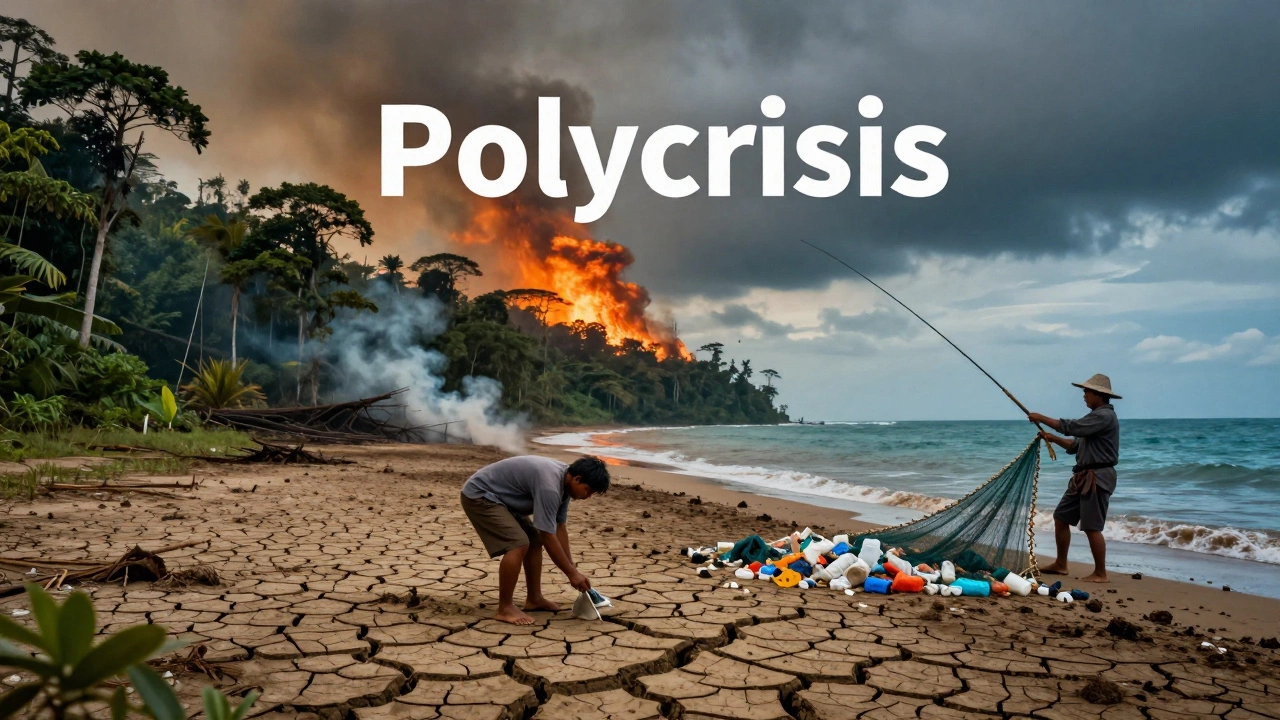
There is no single answer to what the number one environmental problem is. If you ask a scientist in the Amazon rainforest, they will point to deforestation. If you speak to a fisherman off the coast of Japan, it’s plastic waste choking the oceans. A farmer in the Midwest might say soil degradation. The truth is, we are facing a "polycrisis"-multiple interconnected disasters happening at once.
However, if we look at the data regarding global impact, irreversible damage, and threat to human survival, three issues stand above the rest: climate change, biodiversity loss, and widespread pollution. These aren't just separate problems; they feed into each other like a vicious cycle. Understanding this hierarchy helps environmental groups prioritize their efforts and helps you decide where your voice and resources can do the most good.
The Overarching Threat: Climate Change
When most people ask for the top environmental issue, Climate Change is the long-term shift in global temperatures and weather patterns, primarily driven by human activities burning fossil fuels. It acts as a "threat multiplier." It doesn't just make things hotter; it intensifies every other environmental crisis on this list.
The science is clear. Since the Industrial Revolution, humans have pumped billions of tons of carbon dioxide (CO2) into the atmosphere. We are currently seeing global average temperatures rise by approximately 1.1°C to 1.2°C above pre-industrial levels. This might sound small, but in planetary terms, it is massive. This heat energy disrupts weather systems, leading to more frequent and severe hurricanes, prolonged droughts, and intense flooding.
Why does it take the top spot? Because it affects everything. Rising sea levels threaten coastal cities home to hundreds of millions of people. Changing rainfall patterns devastate agriculture, leading to food insecurity. Heatwaves increase mortality rates among the elderly and vulnerable populations. Unlike a localized oil spill, climate change is global, systemic, and accelerating. Without drastic cuts to greenhouse gas emissions, we risk crossing tipping points that could lead to runaway warming, making large parts of the planet uninhabitable.
The Silent Collapse: Biodiversity Loss
If climate change is the loud alarm bell ringing in our ears, Biodiversity Loss is the rapid decline in the variety of life on Earth, including plants, animals, and microorganisms, often referred to as the sixth mass extinction. Many experts argue this should actually be the number one concern because once a species is gone, it is gone forever. You cannot negotiate with an extinct animal.
We are losing species at a rate tens to hundreds of times higher than the natural background rate. According to reports from the Intergovernmental Science-Policy Platform on Biodiversity and Ecosystem Services (IPBES), around one million animal and plant species are now threatened with extinction, many within decades. This isn't just about losing cute pandas or charismatic tigers. It’s about the collapse of ecosystems that provide us with clean air, fresh water, pollination for crops, and disease regulation.
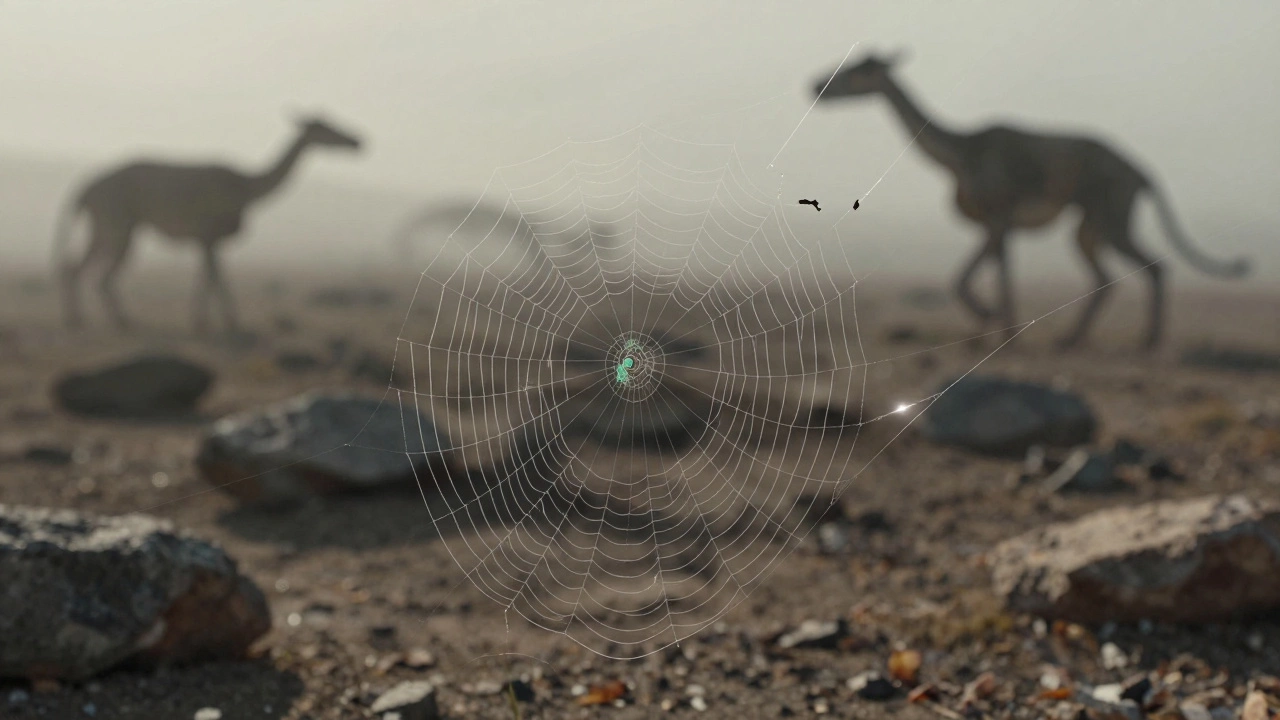
Think of nature like a complex web. Pull out too many threads, and the whole structure collapses. When bees die off, crop yields drop. When mangroves are destroyed, coastal communities lose their buffer against storms. When forests disappear, carbon storage capacity vanishes, which feeds back into climate change. Biodiversity loss undermines the very foundation of life support systems on Earth. It is the silent partner to climate change, making recovery nearly impossible if both continue unchecked.
The Immediate Poison: Pollution
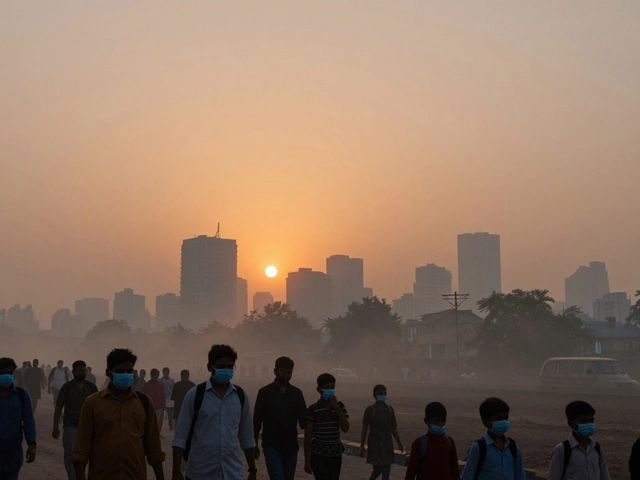
While climate change and biodiversity loss play out over decades, Pollution is the introduction of harmful materials into the environment, affecting air, water, and soil quality directly and immediately. This is the problem you can see, smell, and breathe. It includes air pollution, plastic waste, chemical runoff, and heavy metals. For many people living in industrial zones or near landfills, this is unequivocally the number one problem because it kills them right now.
Air pollution alone causes an estimated seven million premature deaths annually worldwide. Microplastics have been found in the deepest ocean trenches, inside human bloodstreams, and even in placental tissue. Chemical fertilizers create dead zones in oceans where nothing can survive due to lack of oxygen. Pollution is the direct result of our linear economy: take, make, dispose. It degrades the health of humans and wildlife simultaneously.
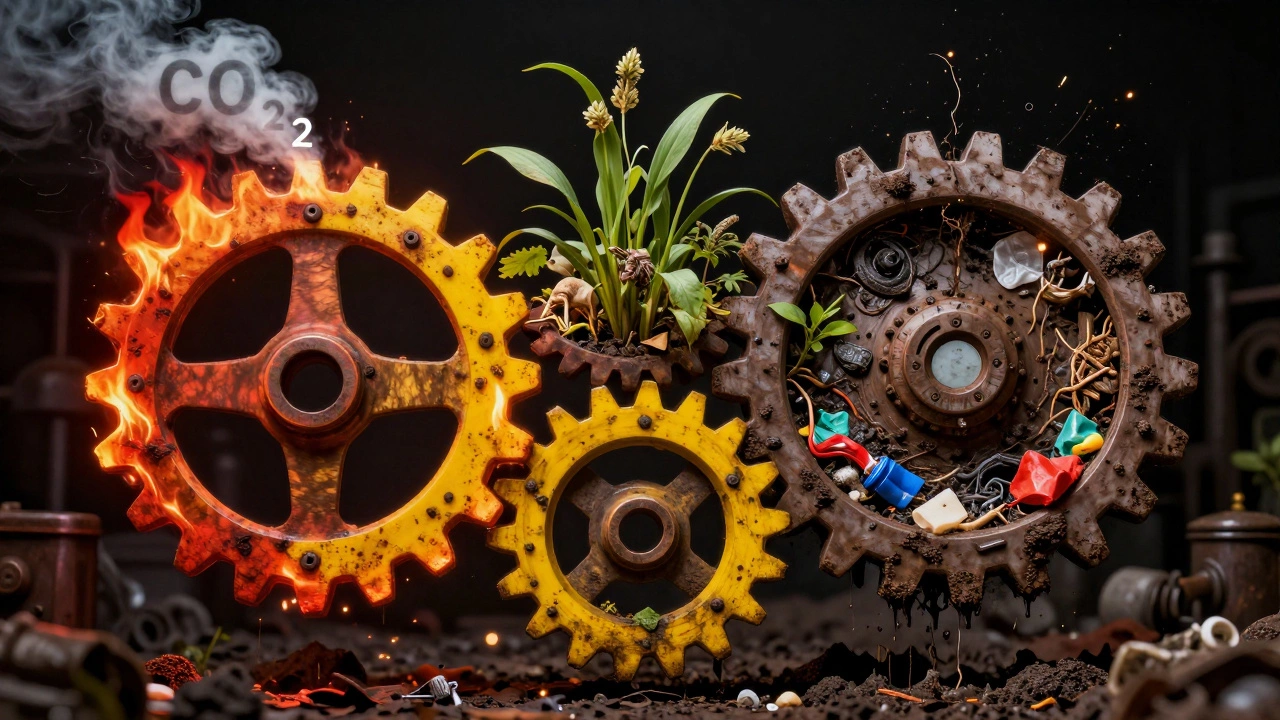
The connection here is vital. Plastic production relies on fossil fuels, linking it directly to climate change. Agricultural runoff destroys aquatic biodiversity. Air pollution damages forests, reducing their ability to absorb carbon. Pollution is the symptom of a broken system, and it is the most immediate threat to public health globally. Addressing pollution often provides quick wins that also help mitigate climate change and protect habitats.
| Problem | Primary Driver | Key Impact | Reversibility |
|---|---|---|---|
| Climate Change | Fossil fuel combustion | Extreme weather, sea-level rise | Partially reversible over centuries |
| Biodiversity Loss | Habitat destruction, overexploitation | Ecosystem collapse, food insecurity | Irreversible (extinction) |
| Pollution | Industrial waste, plastics, chemicals | Human health crises, ecosystem toxicity | Reversible with cleanup/prevention |
Why There Is No Single "Number One"
Trying to rank these problems is like asking whether the heart attack or the stroke killed the patient when both happened at the same time. They are deeply intertwined. Scientists call this the "planetary boundaries" framework. We have already crossed safe limits for nine out of nine boundaries, including climate change, biosphere integrity, and biogeochemical flows (nitrogen/phosphorus).
The reason environmental groups struggle with this ranking is that solutions for one often exacerbate another if not planned carefully. For example, planting monoculture trees to capture carbon (climate solution) can destroy local biodiversity if native species are ignored. Building dams for renewable hydroelectric power (climate solution) can devastate river ecosystems and block fish migration (biodiversity loss). This complexity requires holistic thinking rather than siloed approaches.
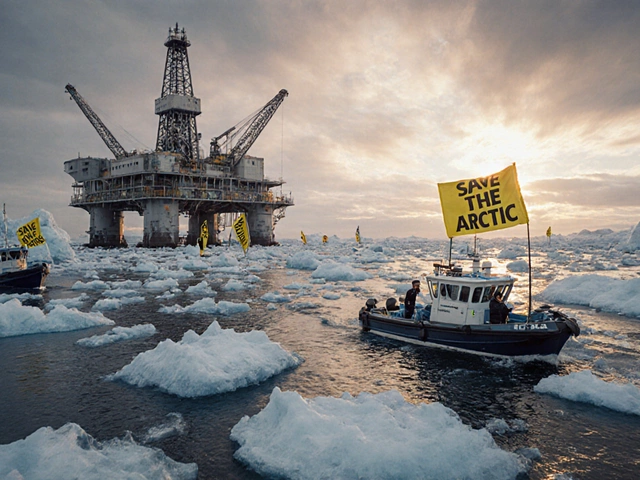
Furthermore, the "number one" problem changes depending on your location. In Arctic regions, melting ice is the primary concern. In Southeast Asia, haze from forest fires dominates. In urban centers like Delhi or Beijing, air quality is the immediate killer. Global statistics mask local realities. Effective activism requires understanding both the global picture and the local context.
How Environmental Groups Are Responding
Environmental Groups are organizations dedicated to protecting the natural world through advocacy, conservation, research, and community action. Facing this polycrisis, major organizations are shifting strategies. Instead of focusing solely on saving individual species or cleaning up beaches, they are moving toward systemic change.
Groups like the World Wildlife Fund (WWF) and Greenpeace now integrate climate justice into all their campaigns. They recognize that you cannot save the polar bear without addressing global warming. Conservation International focuses on protecting critical landscapes that store carbon while harboring high biodiversity. Local grassroots organizations are tackling pollution at its source, pushing for circular economies where waste is designed out of the system.
The trend is toward collaboration. NGOs are partnering with indigenous communities who have managed lands sustainably for millennia. They are working with businesses to decarbonize supply chains. They are lobbying governments for policies that address multiple crises simultaneously, such as rewilding projects that restore habitats, sequester carbon, and improve water quality all at once. This integrated approach acknowledges that the problems are connected, so the solutions must be too.
What You Can Do About It
Feeling overwhelmed by the scale of these issues is normal. But paralysis helps no one. Here is how you can contribute to solving these interconnected problems:
- Reduce Your Carbon Footprint: Switch to renewable energy providers if possible, reduce air travel, and eat less meat. Animal agriculture is a major driver of both climate change and deforestation.
- Support Biodiversity: Plant native species in your garden, avoid pesticides, and support protected areas. Buy products certified by organizations that ensure sustainable sourcing.
- Cut Down on Pollution: Minimize single-use plastics, properly dispose of hazardous waste, and choose non-toxic cleaning products. Support extended producer responsibility laws that make companies accountable for their packaging.
- Vote and Advocate: Elect leaders who prioritize science-based environmental policy. Join local environmental groups to amplify your voice. Community pressure drives corporate and governmental change faster than individual actions alone.
The bottom line is this: there is no silver bullet. Solving the "number one" environmental problem means tackling all three simultaneously. Climate change, biodiversity loss, and pollution are three sides of the same coin. By understanding their connections, we can move from panic to purposeful action. The window for effective intervention is narrowing, but it has not closed. Every fraction of a degree of warming prevented, every species saved, and every ton of plastic avoided matters.
Is climate change really the biggest environmental problem?
Climate change is often considered the overarching problem because it amplifies other crises like extreme weather, food shortages, and habitat loss. However, biodiversity loss is equally critical because extinction is permanent. Most scientists view them as interconnected parts of a larger planetary crisis rather than isolated issues.
How does pollution affect climate change?
Pollution and climate change are closely linked. Burning fossil fuels releases both CO2 (a greenhouse gas) and particulate matter (air pollution). Additionally, industries producing plastics and chemicals rely heavily on fossil fuels. Reducing pollution often involves cutting fossil fuel use, which directly helps mitigate climate change.
Can biodiversity loss be reversed?
Once a species goes extinct, it cannot be brought back. However, we can prevent further loss and allow some ecosystems to recover. Protecting habitats, restoring degraded lands, and stopping overfishing can help populations rebound. The focus must be on prevention since extinction is irreversible.
What role do environmental groups play in solving these problems?
Environmental groups raise awareness, conduct scientific research, advocate for policy changes, and implement conservation projects. They bridge the gap between science, government, and the public, ensuring that environmental concerns remain a priority in political and economic decision-making.
Which environmental problem impacts human health the most?
Air pollution is currently the largest environmental risk to human health, causing millions of premature deaths annually from respiratory and cardiovascular diseases. However, climate change poses growing health risks through heatwaves, spread of infectious diseases, and food insecurity, making it a significant long-term threat.