Environmental Impact Calculator
How Your Choices Impact the Planet
This tool calculates your personal environmental impact across the three main problem groups: pollution, climate change, and biodiversity loss. Based on your answers, you'll see your impact level and personalized actions to make a difference.
Your Environmental Impact
Pollution Impact
Climate Change Impact
Biodiversity Impact
Personalized Action Plan
Every day, we hear about forests burning, oceans filling with plastic, and cities choking on smog. But behind all these scary headlines are just three big groups of problems driving the crisis. If you want to understand what’s really going wrong with our planet, you don’t need to memorize a list of 50 issues. You just need to know these three.
Pollution
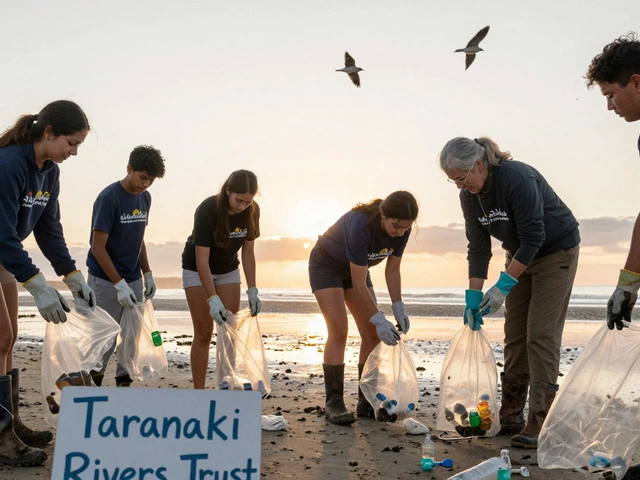
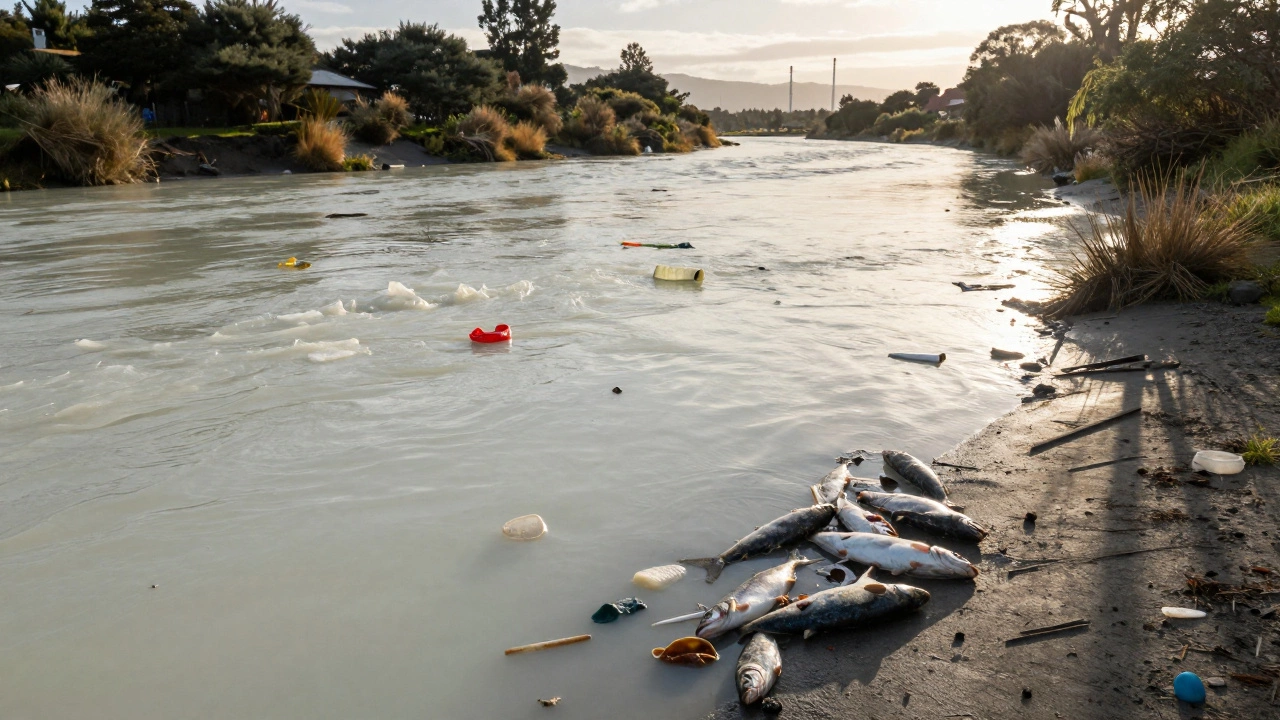
Pollution isn’t just the plastic bag floating in the ocean or the smokestacks near your town. It’s everything we dump into the air, water, and soil that shouldn’t be there. This includes chemicals from factories, microplastics from synthetic clothes, pesticides washing off farms, and even noise and light pollution that mess with animal behavior.
Take New Zealand’s rivers. A 2023 government report found that over 60% of monitored rivers have nitrogen levels above safe limits, mostly from dairy farming runoff. That’s not just a local issue-it’s part of a global pattern. The World Health Organization says pollution kills more than 9 million people every year. That’s more than war, malaria, and HIV combined.
What makes pollution so hard to fix? It’s everywhere. You can’t just ban one factory and call it done. It’s in your toothpaste, your clothes, your food packaging. And once it’s in the ground or the ocean, it sticks around for decades. Microplastics have been found in the deepest parts of the Mariana Trench and in the snow on Mount Everest. We’re not just polluting our backyard-we’re poisoning the whole planet.
Climate Change
Climate change is the slow-motion disaster you can’t see until it’s too late. It’s not just about hotter summers. It’s about shifting weather patterns, rising sea levels, and ecosystems collapsing because they can’t adapt fast enough.
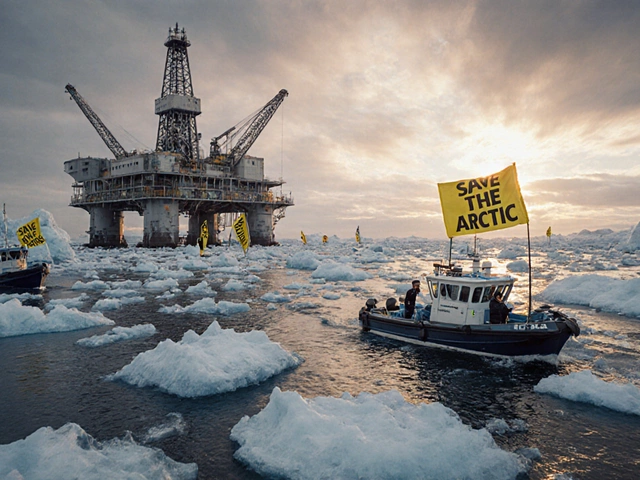
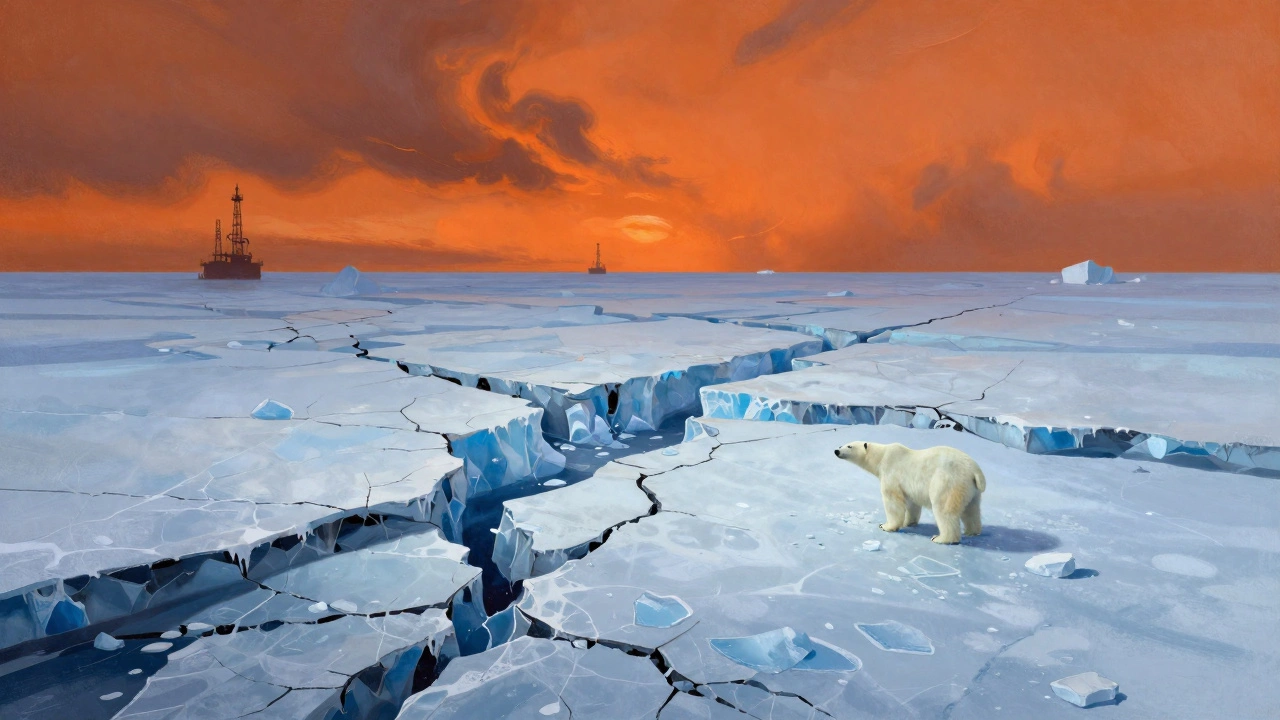
In New Zealand, we’ve seen glaciers in Fiordland shrink by 30% since the 1980s. That’s not just a pretty landscape disappearing-it’s affecting freshwater supplies, salmon migration, and even tourism. Globally, the last decade was the hottest in 125,000 years. The Arctic is warming four times faster than the rest of the planet. Ice that’s been frozen for thousands of years is vanishing, and that’s raising sea levels by 3.7 millimeters every year.
And it’s not just temperature. Climate change fuels wildfires, supercharges storms, and makes droughts last longer. California’s fires, Pakistan’s floods, and Europe’s heatwaves aren’t random. They’re symptoms of a system out of balance. The science is clear: burning fossil fuels for energy, transportation, and industry is the main driver. And while renewable energy is growing, global coal use still hit a record high in 2023.
Biodiversity Loss
Imagine a world without bees, coral reefs, or even common birds like sparrows. That’s not science fiction. It’s happening right now. Biodiversity loss means species are disappearing faster than at any time in the last 66 million years-since the dinosaurs went extinct.
One in four species on Earth is at risk of extinction. Insects, which form the base of most food chains, are declining by 2.5% per year. That’s a 25% drop in just a decade. In New Zealand, over 4,000 native species are threatened, including the iconic kiwi, kākāpō, and tuatara. Many of these animals evolved in isolation, with no natural predators-until humans brought rats, possums, and cats.
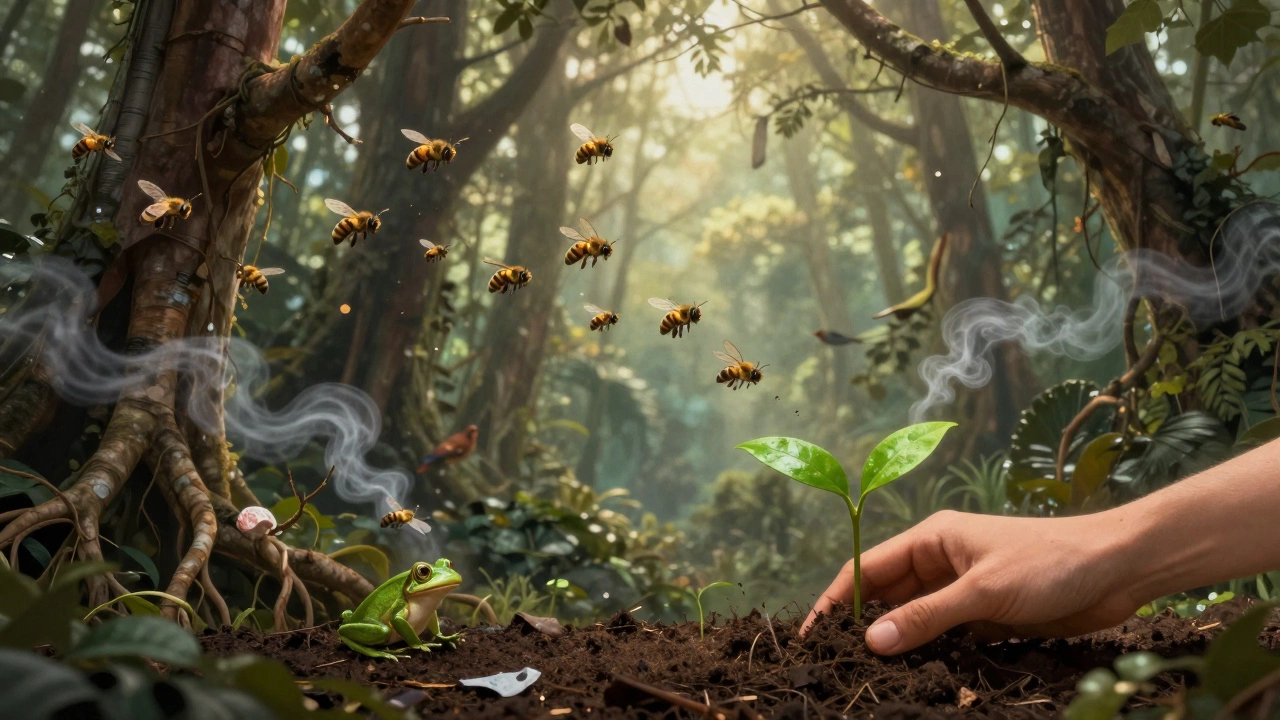
But it’s not just about cute animals. Biodiversity keeps ecosystems running. Forests clean our air. Wetlands filter our water. Pollinators grow our food. When you lose one species, it doesn’t just disappear-it pulls on a thread that unravels the whole fabric. The loss of bees could mean 40% of the world’s food crops fail. That’s not an environmental issue. That’s a hunger crisis waiting to happen.
How These Problems Are Connected
These three groups aren’t separate. They feed each other. Climate change makes pollution worse-warmer temperatures speed up chemical reactions in the air, creating more smog. It also pushes species into smaller, hotter habitats, making them more vulnerable to extinction. Meanwhile, destroying forests for farming or logging releases stored carbon (worsening climate change) and wipes out habitats (worsening biodiversity loss).
And pollution? Plastic in the ocean kills marine life, but it also breaks down into chemicals that disrupt hormones in fish and whales. Those chemicals then move up the food chain, ending up in our bodies. Climate change is making ocean water more acidic, which weakens coral reefs-the very places where half of all marine species live. It’s all one big, tangled mess.
Why This Matters to You
You might think, ‘I’m just one person. What can I do?’ But here’s the truth: the biggest environmental problems aren’t caused by a few bad companies-they’re caused by billions of small choices made every day. The plastic you use once and throw away. The meat you eat that came from a deforested pasture. The car you drive instead of walking or biking.
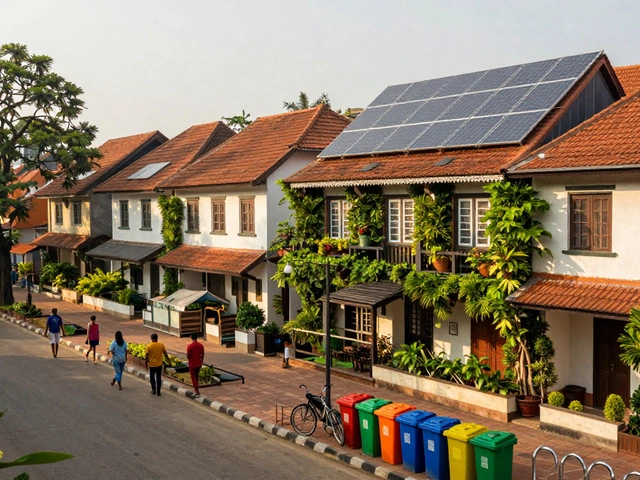
But the reverse is also true. Your choices add up. Buying local food cuts down on transport emissions. Choosing products with less packaging reduces plastic waste. Supporting conservation groups helps protect habitats. You don’t need to be perfect. You just need to be aware.
And awareness leads to action. When enough people understand the three main groups of problems, they start demanding change-from their local councils, their employers, and their governments. That’s how real progress happens. Not from a single hero, but from millions of small, smart choices.
What Can You Do Today?
- Reduce single-use plastics: Carry a reusable bottle, bag, and coffee cup.
- Eat less meat: Even one meat-free day a week cuts your carbon footprint.
- Support local conservation: Join a community group planting trees or cleaning rivers.
- Vote for climate action: Local and national policies shape what’s possible.
- Learn and share: Talk to friends about these three problems. Knowledge spreads faster than you think.
There’s no magic fix. But there is a clear path. Start with understanding. Then act. The planet doesn’t need you to be a superhero. It just needs you to pay attention.
What are the three main environmental problem groups?
The three main environmental problem groups are pollution, climate change, and biodiversity loss. Pollution includes harmful substances in air, water, and soil. Climate change refers to global warming and extreme weather caused by greenhouse gases. Biodiversity loss is the rapid decline in plant and animal species due to habitat destruction, overexploitation, and other human impacts.
Which of these problems is the most urgent?
There’s no single ‘most urgent’ problem because they’re deeply linked. Climate change speeds up biodiversity loss by shifting habitats and raising ocean temperatures. Pollution worsens climate change by releasing greenhouse gases and reducing the planet’s ability to absorb them. The most effective approach is to tackle all three at once-like reducing fossil fuel use (which cuts emissions and pollution) and protecting forests (which store carbon and support wildlife).
Can individual actions really make a difference?
Yes. While corporations and governments hold large-scale power, individual choices shape markets and cultural norms. For example, the global shift away from single-use plastic bags started with consumers refusing them at stores. Today, over 90 countries have banned or taxed them. Your choices signal demand-whether for clean energy, sustainable products, or protected lands. When millions do it, systems change.
How does pollution affect biodiversity?
Pollution poisons ecosystems directly. Pesticides kill bees and butterflies. Nutrient runoff from farms creates dead zones in oceans where nothing can live. Microplastics are eaten by fish and birds, blocking their digestive systems. Chemicals like PCBs and mercury build up in animals’ bodies, causing reproductive failure and disease. Even light pollution disrupts migration patterns in birds and sea turtles. Pollution doesn’t just dirty the environment-it breaks the biological systems that keep life alive.
Why is biodiversity loss a problem if we still have animals?
It’s not about having animals-it’s about having the right mix. Ecosystems rely on balance. Losing one species can collapse a food chain. For example, if pollinators like bees disappear, many plants can’t reproduce. That means fewer fruits, nuts, and vegetables. It also means fewer plants to absorb carbon. Biodiversity isn’t just about saving cute animals-it’s about keeping the natural systems that clean our air, filter our water, and grow our food.