Environmental groups aren’t just protesters holding signs. They’re the quiet force behind clean water laws, protected forests, and cleaner air in cities. If you’ve ever breathed fresh air in a city that used to be smoggy, or hiked a trail that was almost paved over, you’re seeing the results of environmental groups at work. These organizations don’t all look the same, but they all move the needle on real change. Here’s how they actually make a difference.
Advocating for Stronger Environmental Laws
One of the biggest roles environmental groups play is pushing for laws that protect nature and public health. They don’t just ask lawmakers to do something-they show them why it matters. Groups like the Natural Resources Defense Council and the Sierra Club spend years gathering data, hiring scientists, and testifying in hearings. They’ve been behind major laws like the Clean Air Act and the Endangered Species Act in the U.S. In other countries, similar groups helped pass plastic bag bans and renewable energy mandates. They don’t wait for politicians to act. They pressure them, track their votes, and hold them accountable.
Litigating to Protect Ecosystems
When laws aren’t enough, environmental groups take legal action. They sue polluters, government agencies, and even corporations that break environmental rules. The Environmental Defense Fund has filed over 1,200 lawsuits since 1970. Many of these cases don’t make headlines, but they stop toxic dumping, block destructive mining projects, and force companies to clean up contamination. Courts often side with these groups because they bring hard evidence-not just opinions. A single lawsuit can shut down a factory, save a wetland, or force a city to upgrade its sewage system. Legal power is one of the most effective tools these groups have.
Educating the Public and Changing Behavior
People won’t protect what they don’t understand. Environmental groups run school programs, host community workshops, and create simple guides on recycling, composting, and reducing plastic use. The World Wildlife Fund, for example, has trained over 5 million students in conservation basics. These efforts aren’t fluffy-they lead to real shifts. In cities where groups ran campaigns on water conservation, household usage dropped by 20-30% in just two years. When people know how their choices affect rivers, forests, or wildlife, they change. That’s how environmental groups build long-term support.
Mobilizing Communities and Grassroots Action
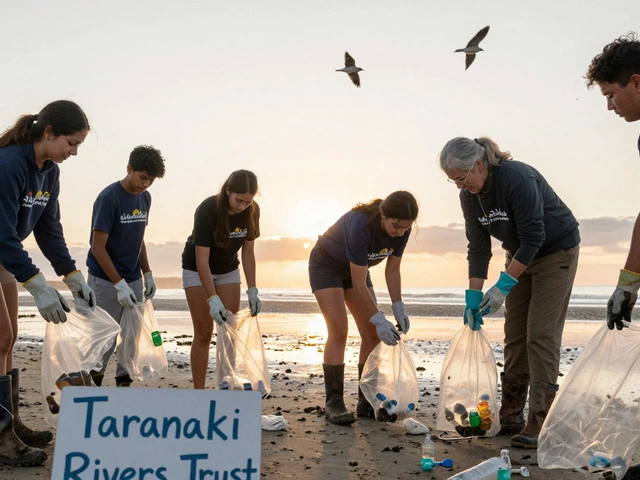
Big changes start at the local level. Environmental groups organize neighborhood cleanups, tree planting days, and citizen science projects. In rural areas, they help farmers adopt soil-saving techniques. In cities, they turn vacant lots into community gardens. These aren’t just feel-good events-they build networks of people who stay involved. A 2023 study by the University of Oregon found that communities with active local environmental groups were 40% more likely to support climate policies in elections. People who show up to plant trees one Saturday are more likely to vote for green candidates next year. It’s about building a movement, not just a campaign.
Influencing Corporate Practices
Corporations don’t change unless they have to. Environmental groups target companies directly-through boycotts, shareholder meetings, and public campaigns. Greenpeace’s campaign against Nestlé’s water bottling practices led to major policy changes across the bottled water industry. The Rainforest Action Network pressured banks to stop funding deforestation-linked projects. These groups don’t just shout at CEOs-they find leverage. They track supply chains, expose hidden pollution, and use social media to turn public pressure into financial consequences. When a company’s reputation takes a hit, profits start to drop. That’s when they listen.
Protecting Biodiversity and Wild Spaces
Many environmental groups focus on saving specific places-forests, coral reefs, wetlands, or wildlife corridors. The Nature Conservancy has protected over 125 million acres globally by buying land, creating conservation easements, and partnering with Indigenous communities. In Canada, groups worked with First Nations to establish protected areas larger than Germany. These aren’t just parks. They’re living systems that store carbon, filter water, and house thousands of species. When a group saves a single forest, they’re not just preserving trees-they’re protecting climate resilience and future generations.
Monitoring Pollution and Holding Polluters Accountable
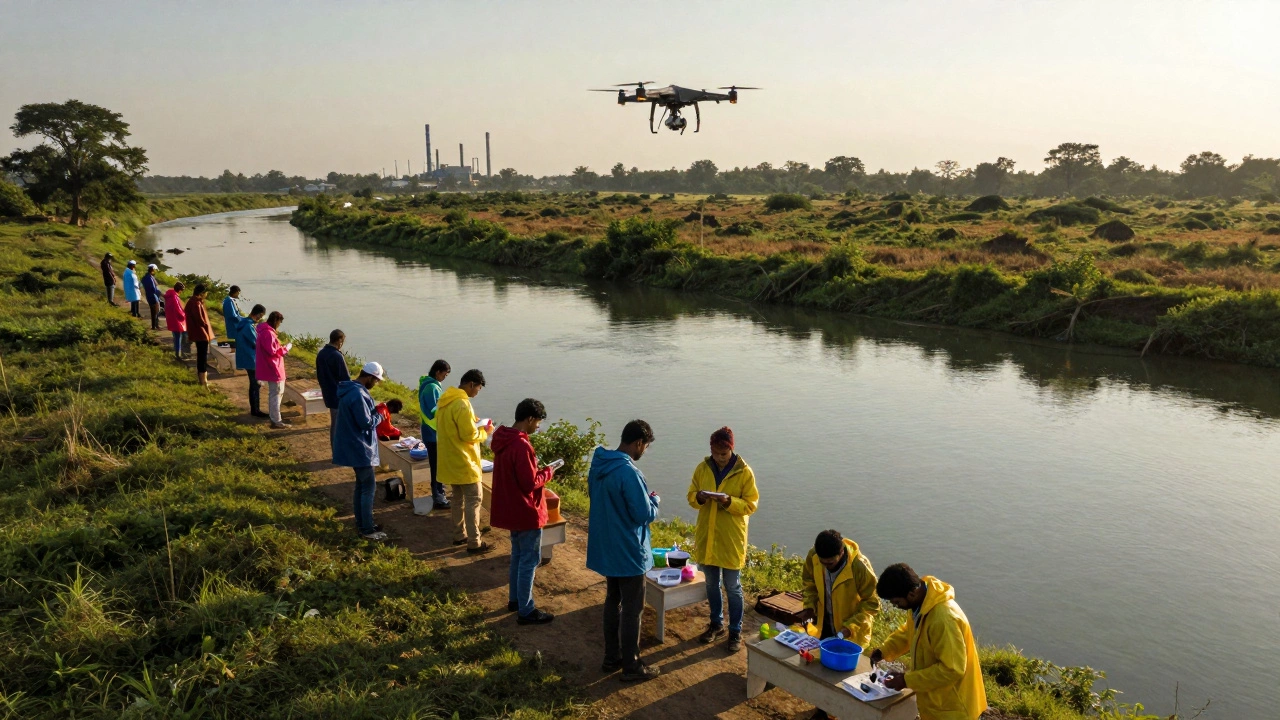
Environmental groups are often the first to notice pollution that governments miss. They use drones, water sensors, and citizen reports to document illegal dumping, air contamination, and chemical leaks. In the U.S., the Chesapeake Bay Foundation runs a network of over 1,000 volunteers who test water quality every week. In India, groups like the Centre for Science and Environment expose violations in industrial zones that regulators ignore. This data doesn’t sit on a shelf. It’s used in reports, media stories, and court cases. When pollution is documented, it can’t be hidden.
Supporting Environmental Justice
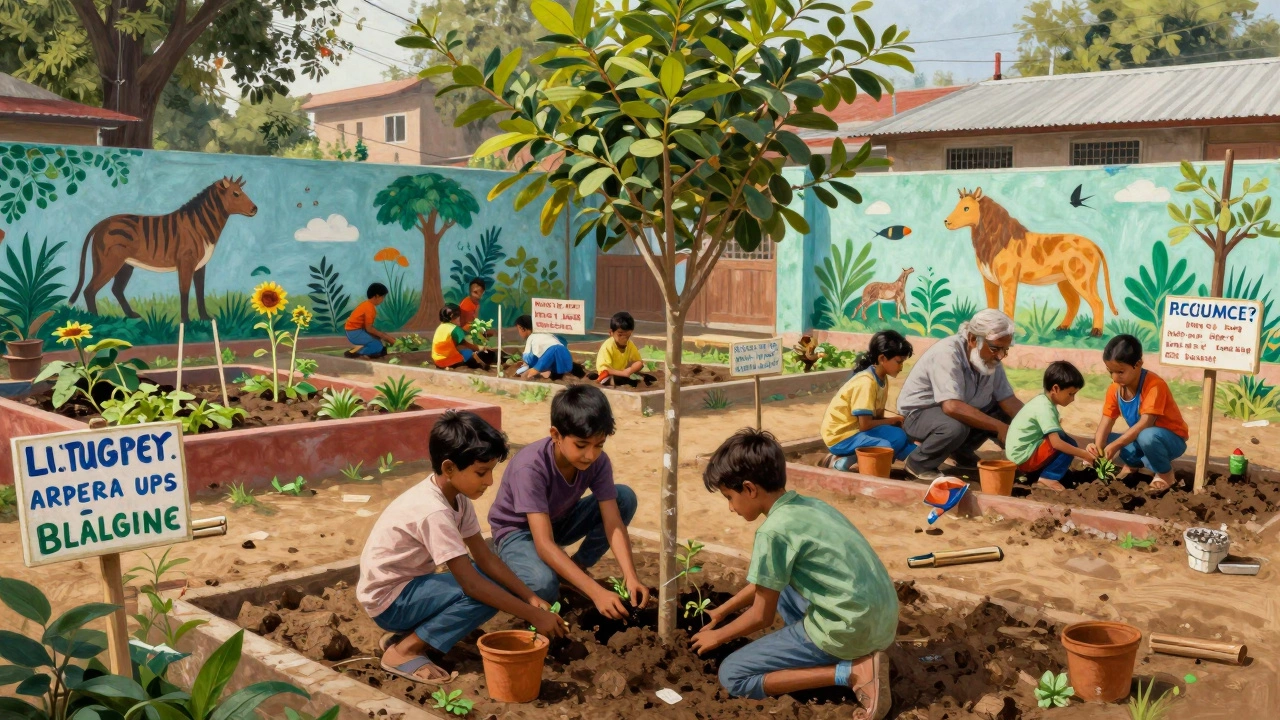
Not all communities suffer pollution equally. Low-income neighborhoods and communities of color are often hit hardest by factories, landfills, and toxic runoff. Environmental justice groups like the Environmental Justice Foundation and the NAACP Environmental and Climate Justice Program fight for fair treatment. They’ve won cases forcing the relocation of hazardous waste sites, demanding clean water in Flint and Newark, and pushing for greener public transit in underserved areas. This isn’t charity-it’s equity. These groups make sure environmental protection doesn’t just benefit the wealthy.
Building International Alliances
Environmental problems don’t stop at borders. Climate change, ocean plastic, and wildlife trafficking are global. Groups like WWF, Greenpeace, and the International Union for Conservation of Nature work across countries. They help shape international treaties like the Paris Climate Agreement and the UN Convention on Biological Diversity. They share research, coordinate protests, and pressure global institutions. One group’s success in Brazil can inspire action in Indonesia. These alliances turn local efforts into worldwide movements.
Training the Next Generation of Leaders
Environmental groups don’t just act today-they prepare for tomorrow. They run internships, fellowships, and leadership programs for young people. The Youth Climate Strike movement started with teens who got trained by environmental nonprofits. Groups like the Student Environmental Action Coalition have helped over 100,000 students launch their own campaigns. These aren’t just volunteers-they’re future scientists, lawyers, policymakers, and CEOs who will shape environmental policy for decades. The movement doesn’t die when one generation steps back. It grows.
Do environmental groups only focus on nature, or do they help people too?
They do both. While protecting forests and wildlife is important, many environmental groups also fight for clean air and water in neighborhoods, safe drinking water for schools, and protection from toxic waste. Environmental justice is a major part of their work-ensuring that poor and marginalized communities aren’t forced to live next to polluting factories. Health, safety, and fairness are just as central as saving endangered species.
Can environmental groups really change corporate behavior?
Yes, and they’ve done it repeatedly. When groups like Greenpeace or Friends of the Earth expose a company’s environmental damage, public pressure can force changes. For example, after campaigns against single-use plastics, companies like McDonald’s and Starbucks eliminated plastic straws. Banks stopped funding coal projects after shareholder pressure from environmental investors. These groups use data, media, and consumer power to make pollution too costly for businesses to ignore.
Are environmental groups biased or political?
Some are, but not all. Many operate as nonpartisan nonprofits focused on science and law. Their goal isn’t to support a party-it’s to enforce existing environmental regulations. Groups that rely on donations and grants must stay transparent to keep public trust. While they often advocate for policies aligned with science, their work is grounded in data, not ideology. They sue polluters regardless of political affiliation, and their success depends on facts, not partisanship.
How do environmental groups get funding?
Most rely on individual donations, foundation grants, and membership fees. Some receive funding from universities or government programs for specific research projects. A few large groups have endowments or earn income from publications and merchandise. They’re required to publish annual financial reports. Unlike corporations, they don’t answer to shareholders-they answer to the public. Transparency is key to maintaining support.
Can I make a difference by joining an environmental group?
Absolutely. Even small actions add up. Volunteering for a local cleanup, signing a petition, or writing to your representative helps. Many groups have local chapters that organize events, training, and advocacy efforts. You don’t need to be a scientist or lawyer. You just need to care enough to show up. Thousands of real policy wins started with one person showing up to a meeting or sharing a post online.
Environmental groups aren’t perfect. They argue with each other, sometimes miss the mark, and face criticism from all sides. But their impact is undeniable. They’ve turned polluted rivers into swimming holes, saved entire species from extinction, and forced industries to clean up their act. They’re not just defenders of nature-they’re defenders of public health, justice, and the future. If you’ve ever wondered whether one voice matters, look at what these groups have accomplished. One person can start a movement. A thousand can change the world.