Find Environmental Groups Near You
Discover environmental groups working to protect nature in your community. Filter by group type and location to find the perfect opportunity to get involved.
Environmental Groups Found
When you hear the word environment, what comes to mind? Clean rivers? Forests full of birds? Air you can breathe without coughing? Behind every one of those things, there’s usually a group of people working to make it happen. These aren’t just volunteers with clipboards. They’re organized, funded, and often legally recognized groups that fight for the planet every single day.
What Exactly Is an Environmental Group?
An environmental group is any organized body-whether a nonprofit, charity, or grassroots network-that works to protect nature, reduce pollution, or push for policies that help the planet. They don’t just plant trees. They lobby governments, sue polluters, run science campaigns, educate schools, and even monitor wildlife populations. Some are local, like a neighborhood group cleaning up a creek. Others are global, like Greenpeace or the World Wildlife Fund.
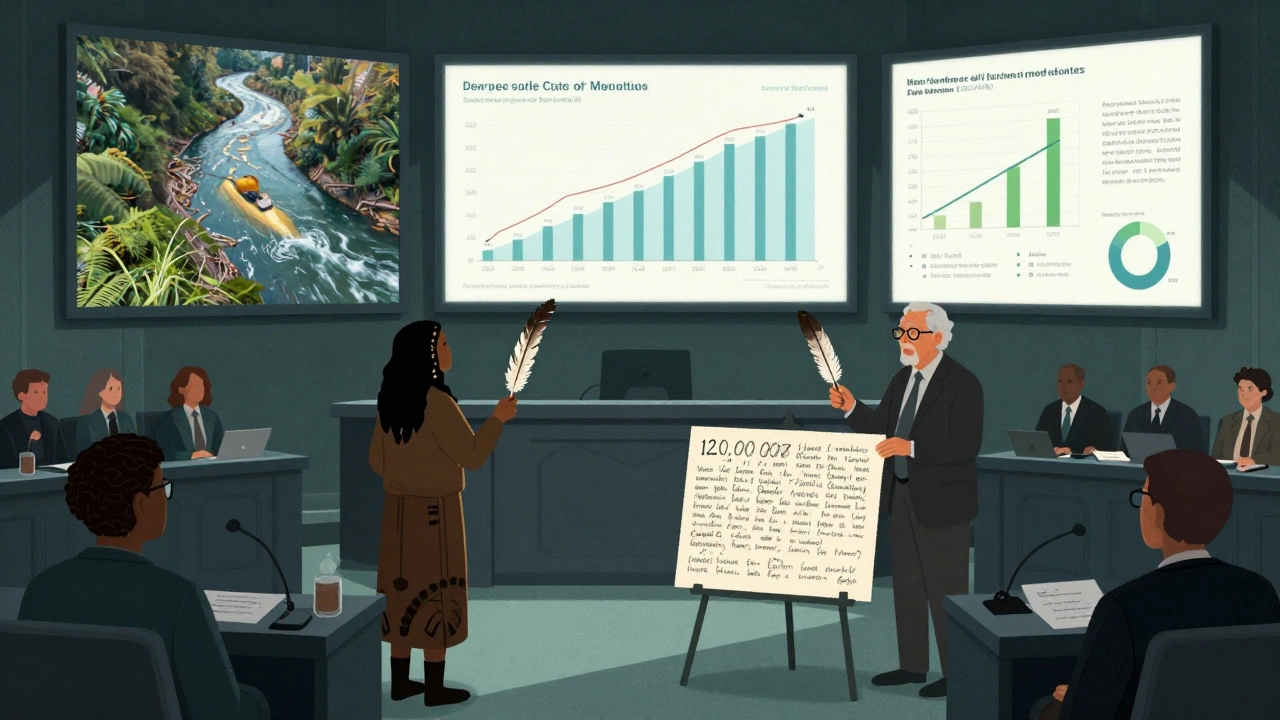
These groups have real power. In 2023, a coalition of environmental organizations in New Zealand successfully blocked a proposed deep-sea mining project after gathering over 120,000 public signatures and presenting scientific data to parliament. That’s not luck. That’s organized action.
Types of Environmental Groups
Not all environmental groups do the same thing. Here are the main types you’ll find:
- Conservation organizations focus on protecting wildlife and habitats. Think of groups that save endangered species like the kākāpō in New Zealand or fight deforestation in the Amazon.
- Climate action groups push for reduced carbon emissions, renewable energy, and policy changes. They organize strikes, file legal challenges, and pressure banks to stop funding fossil fuels.
- Pollution control groups track toxins in water, air, and soil. They test local rivers, report illegal dumping, and demand cleanup from corporations.
- Community-based groups are often the most visible. They run recycling drives, tree-planting days, or beach cleanups. These are the groups you can join tomorrow.
- Legal and advocacy groups use the law to protect nature. They represent ecosystems in court, challenge permits for harmful projects, and help write environmental laws.
Some groups do all of this. Others specialize. But they all share one thing: they’re built on the idea that nature isn’t just scenery-it’s something we depend on.
How Do These Groups Actually Help?
It’s easy to think environmental groups just raise money or post memes. But their real work happens out of the spotlight.
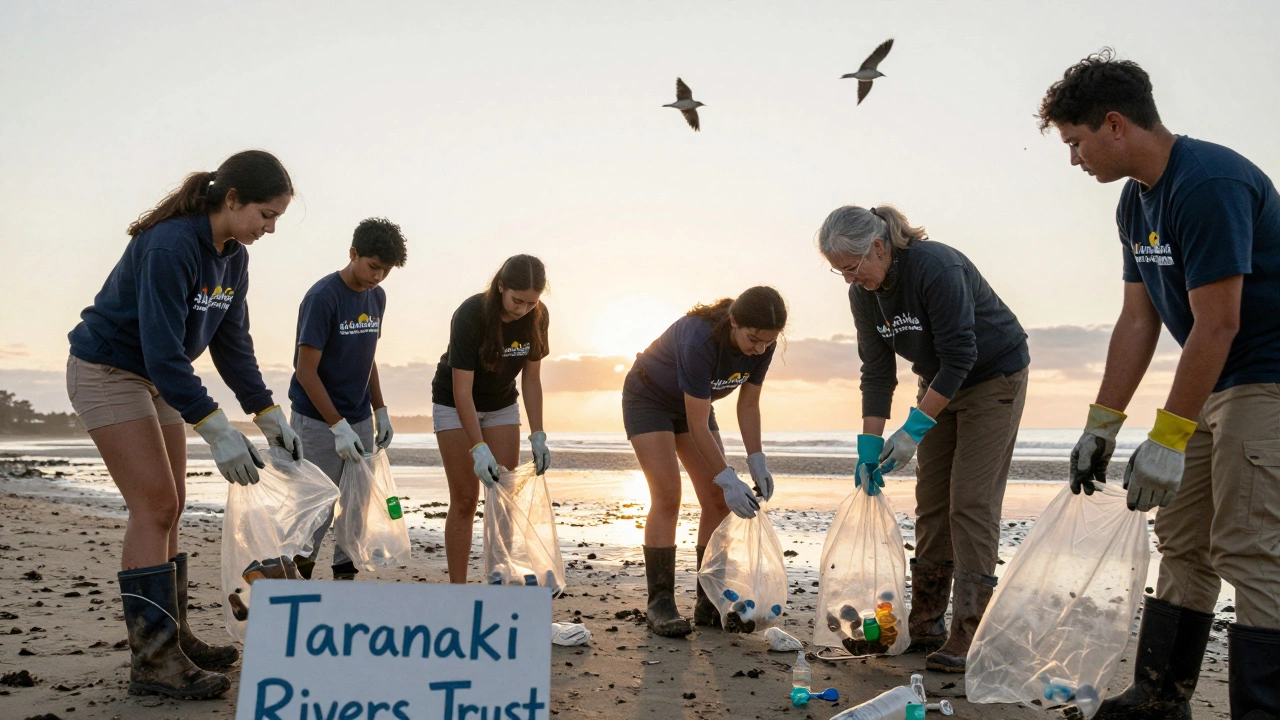
In 2024, a small group in Taranaki, New Zealand, called Taranaki Rivers Trust, used drone footage and water quality sensors to prove a dairy farm was illegally dumping waste into a local stream. They took the data to regional authorities. Within three months, the farm was fined $85,000 and forced to install new filtration systems. That’s not activism-it’s enforcement.
Groups like Forest & Bird in New Zealand have spent decades lobbying for protected areas. Because of their work, over 3 million hectares of native forest are now legally protected. That’s an area bigger than the entire country of Belgium.
And it’s not just about laws. Many environmental groups run education programs. The Environmental Education Centre in Wellington teaches school kids how to identify native birds, test stream health, and grow food without chemicals. Over 15,000 students have gone through their programs since 2020. That’s thousands of future voters who understand what’s at stake.
Who Runs These Groups?
People assume environmental groups are full of scientists and lawyers. And yes, many are. But they also rely on teachers, farmers, retirees, students, and even fishermen.
Take the Coastal Care Network in Hawke’s Bay. It started when a retired schoolteacher noticed plastic washing up on the beach every morning. She asked a few neighbors to help pick it up. Now, 300 volunteers show up every month. They’ve removed over 20 tons of trash since 2021. No grant money. No staff. Just people showing up.
Most environmental groups are run by volunteers. They’re not rich. They don’t have fancy offices. But they know their local rivers, forests, and coastlines better than any government official.
What Do These Groups Need to Succeed?
Money helps. But what they really need is time, trust, and visibility.
Many small groups struggle to get noticed. A 2025 study by the New Zealand Environmental Trust found that 68% of local environmental groups had no website, and 41% didn’t even have a Facebook page. That doesn’t mean they’re not working-it means they’re working in silence.
Successful groups have three things:
- Clear goals-Not "save the planet," but "reduce plastic in the Wairarapa River by 50% by 2027."
- Local partnerships-Working with iwi (Māori tribes), schools, or local councils gives them legitimacy and reach.
- Regular action-One big cleanup doesn’t change anything. Monthly beach sweeps? That does.
And here’s the truth: most of these groups don’t need you to donate. They need you to show up. To show up at a meeting. To pick up trash. To tell your neighbor about their work. That’s how real change starts.
How to Find a Group Near You
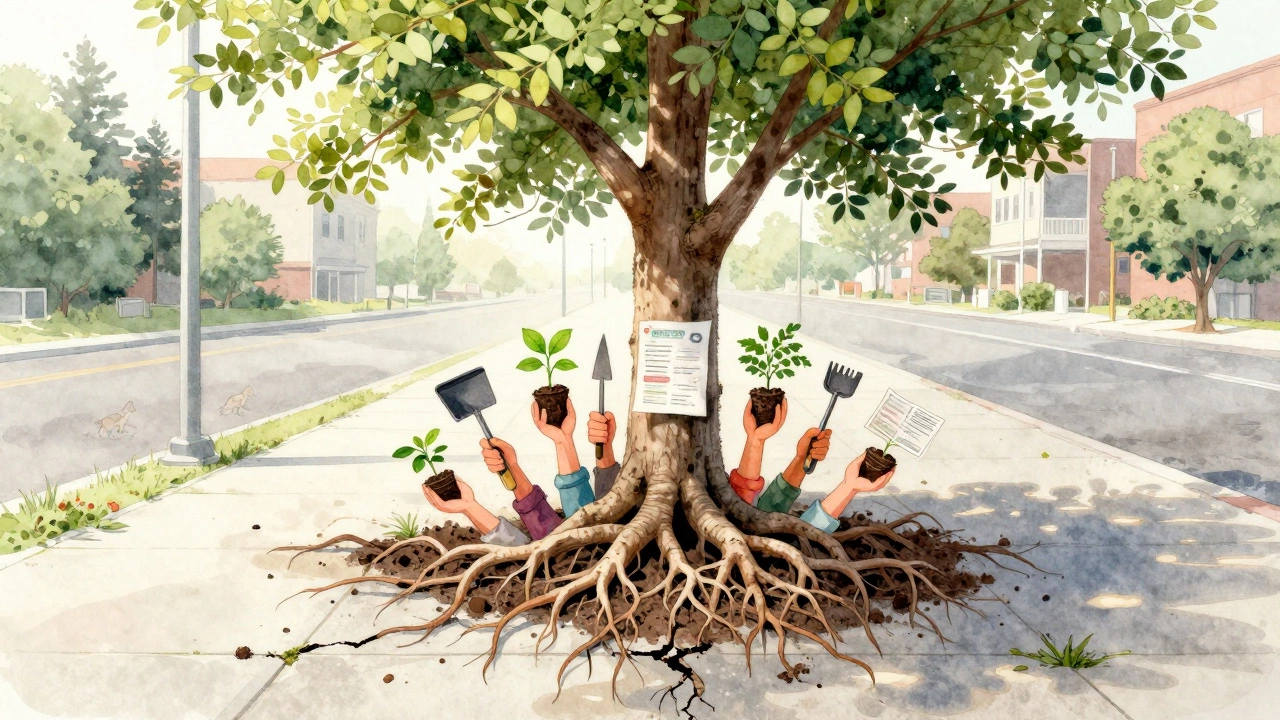
If you want to help, you don’t need to fly to the Amazon. Start local.
Here’s how to find a group in your area:
- Check your regional council’s website-they often list local environmental partners.
- Search for "environmental group [your town]" on Facebook or Google.
- Visit a local library or community center. They usually have flyers or bulletin boards with group info.
- Ask at a nursery or garden shop. People who care about plants often know about conservation efforts.
- Join a community garden. Many environmental groups start there.
Don’t wait for the perfect group. Start with one that’s close. Even if it’s just two people cleaning up a park once a month. That’s still a group. And that’s still helping.
Why It Matters
The environment doesn’t need saving. It needs people who care enough to act. Groups are how those people connect. They turn worry into action. They turn loneliness into movement.
There’s no magic solution. No single policy or invention that will fix everything. But thousands of small groups? That’s how change happens. One river at a time. One tree. One law. One person showing up.
You don’t have to be an expert. You don’t need a degree. You just need to care enough to join.
Are environmental groups only for activists?
No. Environmental groups welcome everyone-students, retirees, parents, teachers, and people who just want to do something helpful. You don’t need to protest or chain yourself to a tree. Many groups need help with data collection, event planning, writing, or just showing up to clean up a beach. Action doesn’t have to be loud to be powerful.
Do environmental groups actually make a difference?
Yes, and the evidence is everywhere. In New Zealand, environmental groups helped create over 100 marine reserves, protected 12 native bird species from extinction, and stopped more than 20 proposed mining projects since 2010. Globally, groups like the Sierra Club helped pass the Clean Air Act in the U.S., and Friends of the Earth influenced the EU’s ban on single-use plastics. Real results come from persistent, organized effort-not just good intentions.
Can I start my own environmental group?
Absolutely. The best groups often start with one person noticing something wrong. Pick one local issue-a polluted stream, a disappearing bird habitat, litter on a walking trail. Gather three friends. Set a simple goal: "Clean this spot once a month for six months." Document your work. Share it. That’s how a movement begins. You don’t need funding. You just need consistency.
Do environmental groups accept volunteers?
Almost all of them do. Most rely on volunteers. Whether it’s planting trees, counting birds, writing letters to politicians, or helping at a community event-there’s always a role. Contact your local group and ask what they need. Many have flexible hours and no experience required.
How are environmental groups funded?
Most small groups survive on small donations, grants from trusts (like the New Zealand Environmental Trust), and community fundraising events. Larger groups like WWF or Greenpeace also get funding from members, foundations, and sometimes government contracts for environmental monitoring. Very few take money from corporations that harm the environment-that would undermine their mission.