Youth Organisation Matchmaker
Answer these 5 questions to discover which type of youth organisation is the perfect fit for your personality and goals.
Primary Motivation
What drives you most?
- A. Structure & Achievement
- B. Social Change
- C. Career Skills
Ideal Activity
How do you like to spend time?
- A. Outdoor Adventures
- B. Community Projects
- C. Creative Expression
Leadership Style
How do you prefer to lead?
- A. Following Ranks/Rules
- B. Democratic/Consensus
- C. Expertise-Based
Social Preference
Who do you want to work with?
- A. Close Teammates
- B. Diverse Community
- C. Like-Minded Peers
Long-term Goal
What do you hope to gain?
- A. Discipline & Character
- B. Civic Impact
- C. Professional Network
Your Result
Have you ever wondered why some teenagers seem to have a clear path forward while others drift without direction? Often, the difference isn't just about family background or school grades. It's about access to youth organisations, which are structured groups designed to support the personal, social, and professional development of young people. These entities range from global movements like Scouts to local church groups and environmental clubs. They serve as critical bridges between childhood and adulthood, offering spaces where young people can experiment with leadership, build resilience, and find their voice.
Understanding what these organisations are-and how they function-is essential for parents, educators, policymakers, and even the young people themselves. In this guide, we break down the different types of youth organisations, explore their core missions, and look at the real-world impact they have on communities. Whether you're looking to join one, start one, or simply understand their role in society, this overview provides the clarity you need.
The Core Definition: More Than Just Clubs
At its simplest level, a youth organisation is a formal or informal group whose primary members are young people, typically defined as individuals between the ages of 10 and 25, though this varies by region and context. Unlike casual hangouts or peer groups, these organisations have a structured purpose. They operate under a set of rules, values, or missions that guide their activities.
These groups can be profit-driven, but most are non-profit or voluntary associations. Their main goal isn't financial gain; it's social capital, which refers to the networks of relationships among people who live and work in a particular community, enabling that community to function effectively. By participating in these groups, young people learn how to collaborate, negotiate, and contribute to something larger than themselves.
Key characteristics include:
- Voluntary Participation: Members choose to join, fostering intrinsic motivation.
- Youth-Centric Governance: Many organisations allow young people to hold leadership roles, not just adult supervisors.
- Structured Activities: Regular meetings, projects, or events provide consistency and accountability.
- Mentorship Opportunities: Access to older peers or adult mentors who offer guidance and support.
Major Types of Youth Organisations
Not all youth organisations look the same. They vary widely in focus, structure, and scope. Understanding these categories helps identify which type might best suit your needs or interests.
| Type | Primary Focus | Example Activities | Governance Style |
|---|---|---|---|
| Uniformed Groups | Character building, outdoor skills, discipline | Camping, first aid training, badge earning | Hierarchical, rank-based |
| Faith-Based Groups | Spiritual growth, moral education, community service | Bible study, charity drives, worship services | Religious authority-led, often with youth councils |
| Advocacy & Activism Groups | Social change, policy influence, awareness raising | Protests, petition campaigns, lobbying | Democratic, consensus-driven |
| Educational & Career Groups | Academic enrichment, career exploration, skill building | Debate clubs, coding workshops, internships | Faculty-advised, student-led |
| Recreational & Arts Groups | Creative expression, physical health, social bonding | Team sports, theater productions, art exhibitions | Coach/director-led, team-oriented |
Uniformed Groups: Building Discipline and Camaraderie
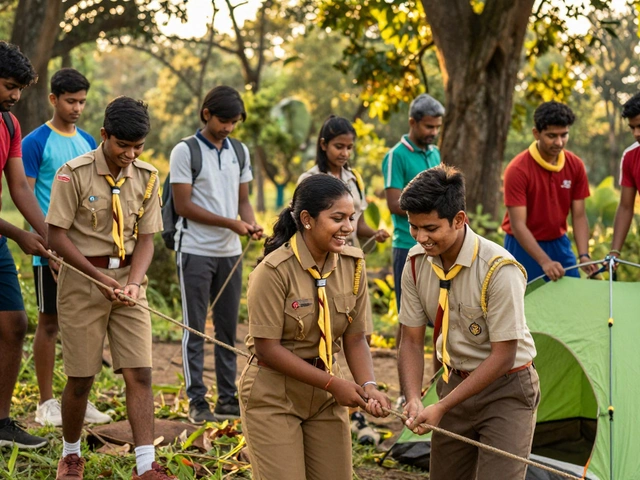
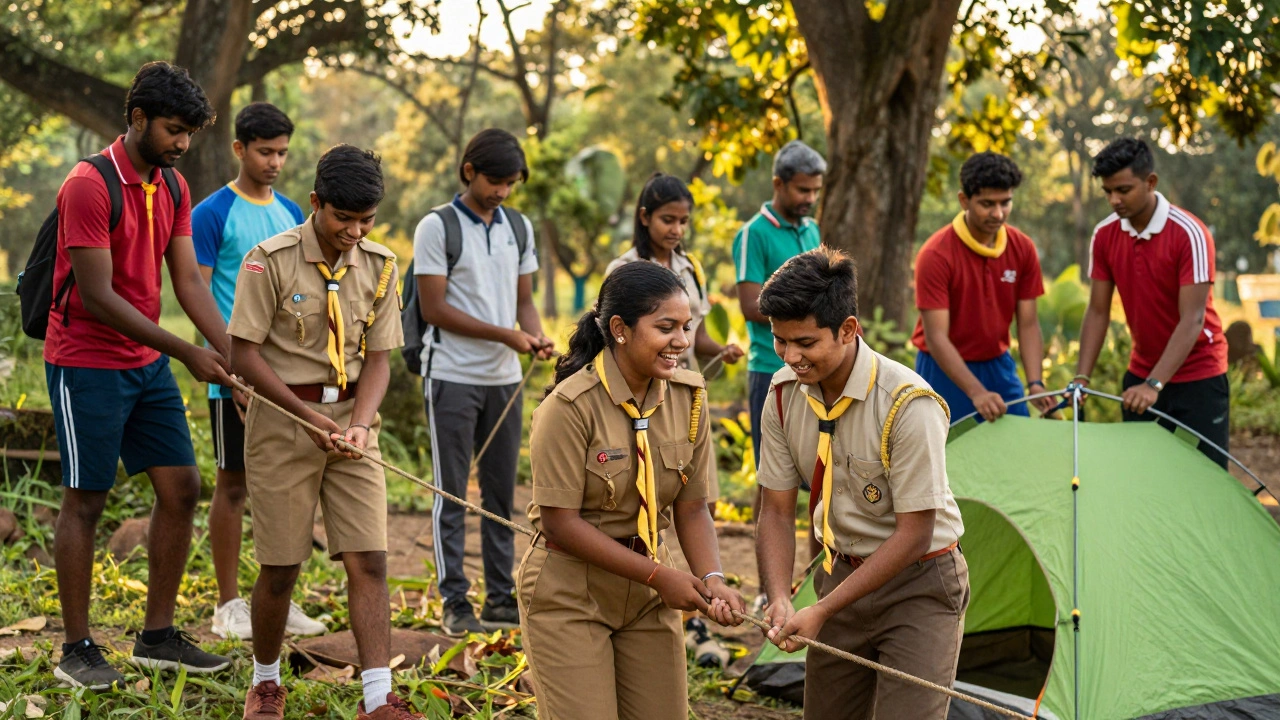
Organisations like the Boy Scouts and Girl Guides have been around for over a century. They use uniforms and ranks to create a sense of belonging and achievement. The emphasis is on practical skills-knot tying, navigation, first aid-and character traits like honesty and bravery. These groups are particularly effective at teaching self-reliance and teamwork in outdoor settings.
Faith-Based Groups: Anchoring Values and Community
Churches, mosques, temples, and synagogues often run youth programmes that integrate spiritual teachings with social interaction. For many young people, these groups provide a moral compass and a supportive community during turbulent teenage years. Activities often include service projects, which help participants connect their faith to action in the wider world.
Advocacy and Activism: Giving Voice to Change
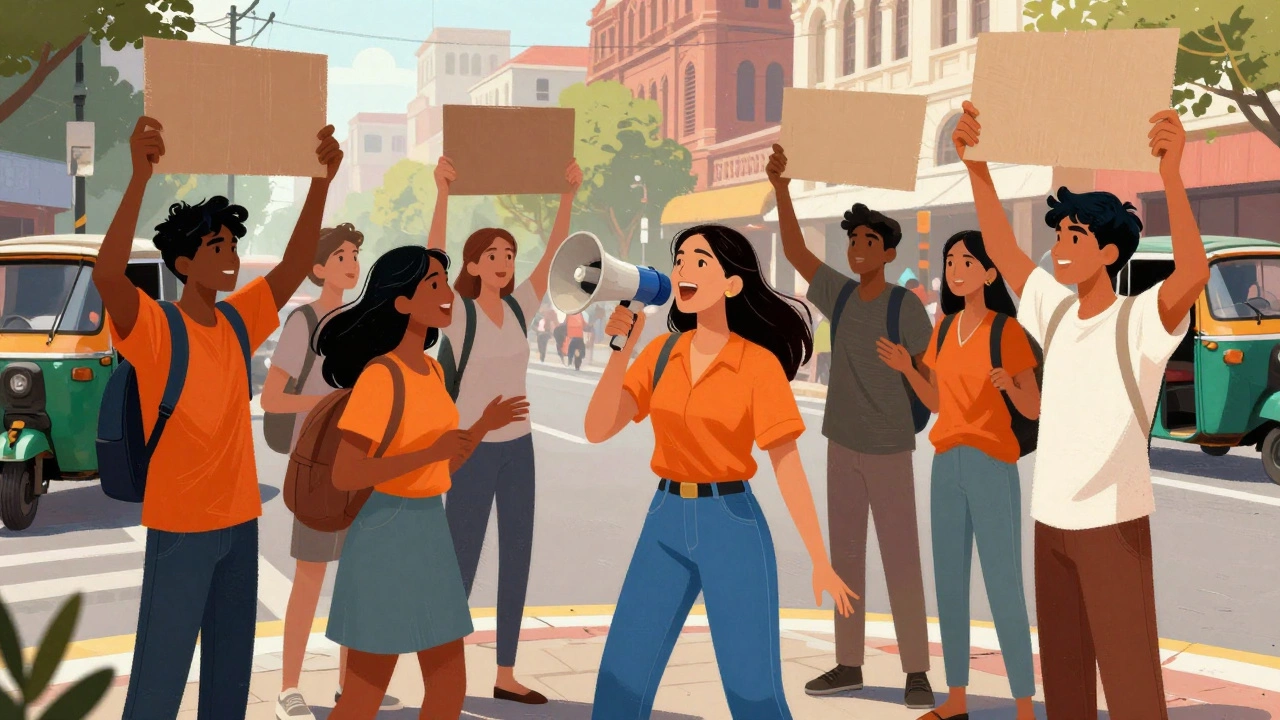
In recent years, youth-led advocacy groups have gained significant visibility. Movements focused on climate change, racial justice, and gun control demonstrate how young people can mobilise for political and social impact. These organisations teach civic engagement, public speaking, and strategic planning. They empower young people to see themselves as agents of change rather than passive observers.
Educational and Career-Focused Groups: Preparing for the Future
Schools and universities host numerous clubs aimed at academic and professional development. Debate societies, robotics teams, and business associations help students refine specific skills and explore potential careers. These groups often compete in tournaments or conferences, providing a platform for recognition and networking.
The Role of Youth Organisations in Development
Why do these organisations matter? Research consistently shows that participation in structured youth activities correlates with positive outcomes. But it's not just about keeping kids busy. These groups address fundamental developmental needs.
Social Skill Development
Interacting with peers in a structured environment teaches communication, conflict resolution, and empathy. Young people learn to navigate diverse perspectives and work towards common goals. This is especially valuable in an increasingly digital world where face-to-face interaction is sometimes limited.
Identity Formation
Adolescence is a time of questioning and self-discovery. Youth organisations provide safe spaces to explore interests, values, and beliefs. Whether through artistic expression, scientific inquiry, or religious practice, young people can try on different identities and find where they fit.
Leadership and Agency
Many organisations intentionally delegate responsibility to young leaders. Planning an event, managing a budget, or mentoring younger members builds confidence and competence. This sense of agency-the belief that one can influence one's own life-is crucial for mental health and future success.
Risk Mitigation
Engagement in positive activities reduces the likelihood of risky behaviours such as substance abuse or delinquency. When young people feel connected to a supportive group, they are less likely to seek validation from negative peer influences.
Challenges Facing Modern Youth Organisations
Despite their benefits, youth organisations face significant hurdles. Understanding these challenges is key to supporting their sustainability and effectiveness.
Funding Instability
Most youth organisations rely on donations, grants, and membership fees. Economic downturns or shifts in donor priorities can threaten their survival. Securing consistent funding requires strong administrative capacity and compelling storytelling to attract supporters.
Recruitment and Retention
Competing demands on young people's time-from academic pressure to screen time-make it harder to recruit and retain members. Organisations must adapt by offering flexible schedules, relevant content, and engaging experiences that resonate with contemporary youth culture.
Digital Divide and Accessibility
While technology offers new tools for engagement, it also highlights inequalities. Not all young people have equal access to devices or reliable internet. Organisations must ensure their activities are inclusive and do not inadvertently exclude those from lower-income backgrounds.
Burnout Among Volunteers
Adult leaders and volunteers often work long hours for little or no pay. Burnout is a serious issue that can lead to staff turnover and programme instability. Recognising and supporting volunteer well-being is essential for organisational health.

How to Get Involved: Joining or Starting a Group
If you're inspired to participate, there are several ways to engage. Here’s a practical checklist to guide your next steps.
- Identify Your Interests: What matters to you? Environment, arts, politics, sports? Start there.
- Research Local Options: Check community centres, schools, libraries, and online directories for existing groups.
- Evaluate Fit: Attend a meeting or event to see if the culture and values align with yours.
- Consider Starting a New Group: If nothing fits, gather a few friends, define a mission, and seek a mentor or advisor.
- Seek Resources: Look for grants, training programmes, or partnerships with established organisations.
- Promote Inclusivity: Ensure your group welcomes people of all backgrounds, abilities, and identities.
The Future of Youth Engagement
As society evolves, so too will youth organisations. We're seeing a shift towards more hybrid models that combine in-person and online interactions. There's also a growing emphasis on mental health support and trauma-informed practices within these groups. The most successful organisations will be those that remain adaptable, responsive to young people's needs, and committed to equity and inclusion.
Ultimately, youth organisations are not just extracurricular activities. They are vital institutions that shape the leaders, citizens, and innovators of tomorrow. By understanding their value and supporting their work, we invest in a healthier, more vibrant future for everyone.
What is the age range for youth organisations?
The definition of "youth" varies globally. The United Nations defines youth as aged 15-24, while other bodies may extend this to 10-25 or even up to 30. Most organisations tailor their programmes to specific age brackets, such as early teens (10-13), mid-teens (14-17), and young adults (18-25).
Are youth organisations only for disadvantaged youth?
No. While some organisations specifically target at-risk or low-income populations, many serve a broad demographic. Uniformed groups, academic clubs, and recreational leagues welcome participants from all socioeconomic backgrounds. However, accessibility can be a barrier due to costs associated with equipment, travel, or membership fees.
How can I find a youth organisation near me?
Start by checking with local schools, community centres, places of worship, and libraries. Online directories like Meetup, Eventbrite, or national federation websites (e.g., Scouts Canada, YMCA) can also help. Social media platforms are increasingly used by youth groups to promote events and recruit members.
Do youth organisations provide any official certifications?
Some do. Uniformed groups often award badges and ranks that signify skill acquisition. Educational clubs may offer certificates of completion for workshops or competitions. While these aren't always formally recognised by employers, they demonstrate commitment, skill development, and leadership experience on resumes.
Can adults join youth organisations?
Adults typically join as volunteers, mentors, or staff members rather than as primary members. Their role is to facilitate, supervise, and support the young people. Some intergenerational groups allow mixed-age participation, but the focus remains on youth development.