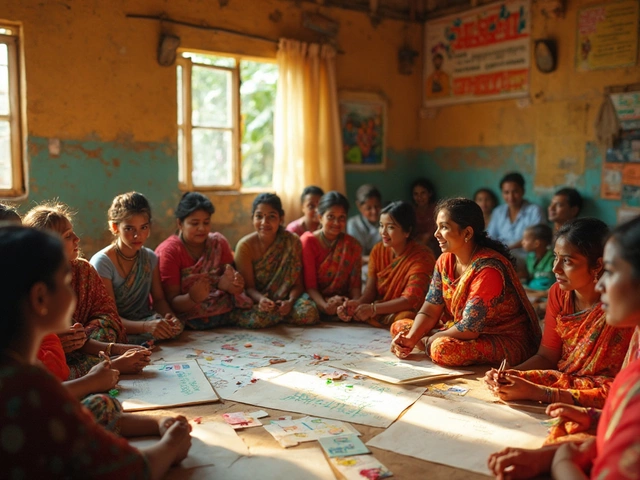
Ever wonder why some neighborhoods feel alive while others feel empty, even if they have the same parks, schools, and stores? It’s not about the buildings. It’s about the connections. The 5 C's of community are the quiet, everyday forces that turn a group of people into a real community - the kind where people know each other’s names, show up when someone’s in trouble, and stick together through hard times.
Connection: The First Step to Belonging
Connection is where it all starts. It’s not about having a Facebook group or a neighborhood newsletter. It’s about real, face-to-face moments - a wave from the porch, a chat at the bus stop, helping someone carry groceries. In 2023, a study by the University of Chicago found that people who had at least three regular, meaningful interactions per week with neighbors reported 40% higher levels of emotional well-being than those who didn’t.Connection doesn’t need big events. It needs consistency. A weekly coffee hour at the library. A block-wide potluck every summer. A shared tool shed where people borrow lawnmowers and leave notes like, “Thanks! Fixed the blade.” These small acts build trust. Trust is the invisible glue.
Commitment: Showing Up When It Matters
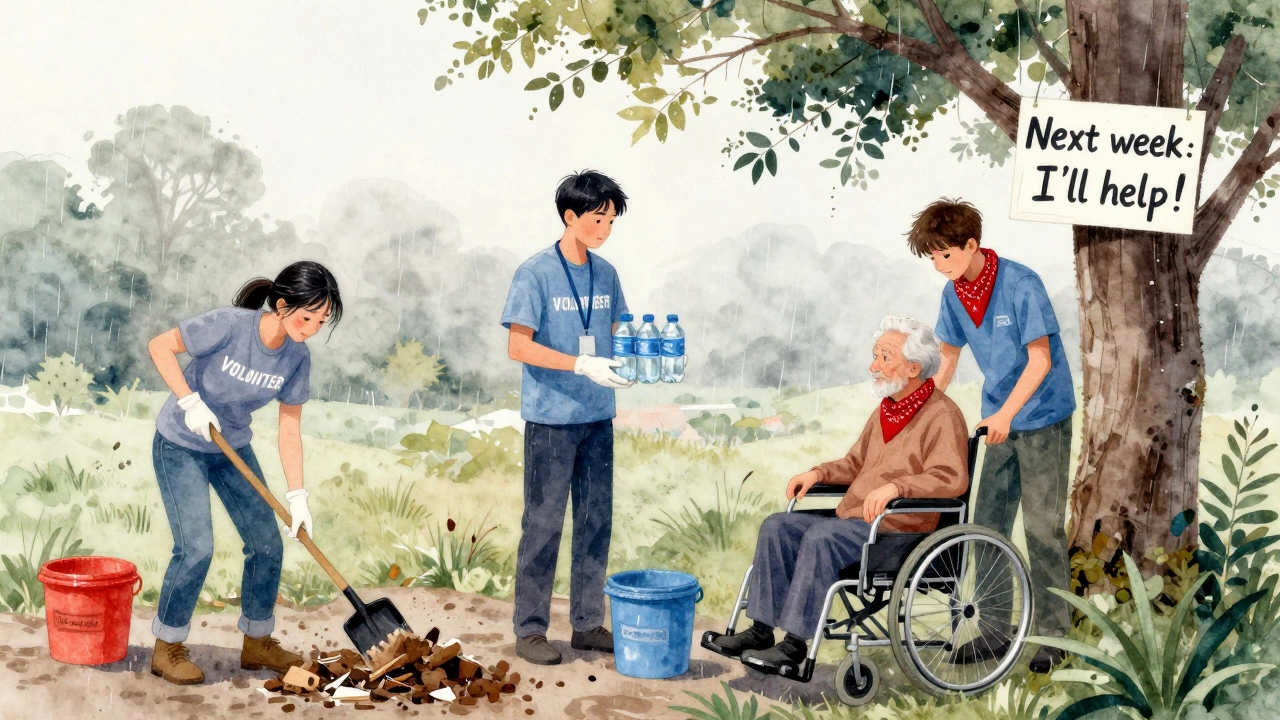
Connection gets you in the door. Commitment keeps you in the room - even when it’s inconvenient. Commitment means showing up for the clean-up day after the storm, even if you’re tired. It means volunteering at the food pantry when you’d rather stay home. It means staying on the PTA board even when meetings run late and no one thanks you.Communities with high commitment don’t rely on a few heroic volunteers. They spread the load. They rotate responsibilities. They say, “You lead this year, I’ll help next.” That’s how you avoid burnout and build resilience. In places like Burlington, Vermont, and Austin, Texas, neighborhoods that formalized rotating roles for organizing events saw 60% more participation over three years than those that didn’t.
Contribution: Everyone Has Something to Give
Too many people think community building means donating money. But money isn’t the only currency. A retired teacher can tutor kids after school. A teenager can help seniors with their phones. A baker can donate day-old bread to the shelter. A person with a garden can share tomatoes.The key is recognizing that contribution isn’t about status or skill level. It’s about access. When a community says, “We need your help,” and then actually makes room for what you can offer - not what they assume you should offer - that’s when real inclusion happens. In Milwaukee, a housing project started a “Skill Swap” board. People posted: “I’ll fix your bike for a home-cooked meal.” Within six months, 80% of residents had traded something. No money changed hands. But trust grew.
Communication: Talking, Listening, and Hearing
Communication isn’t just posting flyers or sending emails. It’s listening more than you speak. It’s asking, “What do you need?” instead of assuming you know. It’s translating meeting notes into Spanish, Vietnamese, or Somali. It’s holding town halls in church basements, not city halls, so people feel safe.One of the biggest failures in community work? Talking at people, not with them. In 2024, a survey by the National Association of Community Development Professionals found that 72% of residents in low-income neighborhoods felt decisions were made “for them, not by them.” That’s not community - that’s control.
Good communication means creating spaces where silence is okay. Where someone can say, “I don’t know how to say this,” and be met with patience. It means using walkie-talkies in areas with no cell service. It means having translators at every public meeting. It means listening to the quietest voices - the ones who show up late, sit in the back, and never raise their hands.
Celebration: Honoring What Works
Communities don’t stay strong by only fixing problems. They stay strong by celebrating wins - big and small. A kid who graduated high school. A vacant lot turned into a garden. A family that found housing after months on the streets. A neighbor who started a free library in their garage.Celebration isn’t about parties. It’s about recognition. A handwritten note on the community bulletin board. A local radio station playing a shout-out. A photo wall in the library with captions like, “Thanks, Maria, for teaching us to can peaches.” These moments remind people: your effort matters. Your presence counts.
In rural Maine, a town started a “Win of the Month” board. Anyone could nominate someone. The winner got a free coffee and a handwritten card. Within a year, nominations tripled. People started noticing each other again. That’s the power of celebration - it doesn’t cost much, but it changes everything.
Putting It All Together
The 5 C's aren’t a checklist. They’re a cycle. Connection leads to commitment. Commitment leads to contribution. Contribution needs communication. And communication without celebration feels empty.Start small. Pick one C to focus on this month. Maybe it’s connection - invite one neighbor over for tea. Or communication - host a 15-minute listening circle at the park. Don’t wait for the perfect plan. Don’t wait for more funding. Start where you are, with what you have.
Strong communities aren’t built by nonprofits or city councils alone. They’re built by people. You. Your neighbor. The person who walks their dog every morning. The kid who helps carry trash bags. The grandma who knits scarves for new parents. That’s the real magic. Not programs. Not grants. People showing up - again and again.
Frequently Asked Questions
Are the 5 C's only for urban neighborhoods?
No. The 5 C's work everywhere - rural towns, suburbs, apartment complexes, even online groups. In rural Iowa, a community used the 5 C's to rebuild after a flood. They started with connection - neighbors checking in by phone. Then commitment - rotating shifts to clear debris. Contribution - people sharing generators and tools. Communication - setting up a ham radio network when power was out. And celebration - a potluck where everyone brought a dish from before the flood. The same principles apply, no matter the setting.
Can the 5 C's fix deep social problems like poverty or racism?
They won’t solve systemic issues alone, but they create the foundation for change. You can’t pass fair housing laws if people don’t trust each other. You can’t organize for better schools if parents feel ignored. The 5 C's build the social capital needed to push for bigger change. In cities like Richmond, California, community groups used the 5 C's to build trust across racial lines - then used that trust to successfully lobby for police reform and youth job programs.
What if my neighbors aren’t interested?
Start with one person. One conversation. One small act. Maybe it’s leaving a note on a neighbor’s door: “I saw your garden - it’s beautiful. Would you like some basil from mine?” That’s connection. If they respond, next week, invite them to a coffee. Don’t try to fix the whole block. Fix one link. Often, that one connection becomes the seed. People follow energy, not speeches.
Do I need a leader or organizer to make this work?
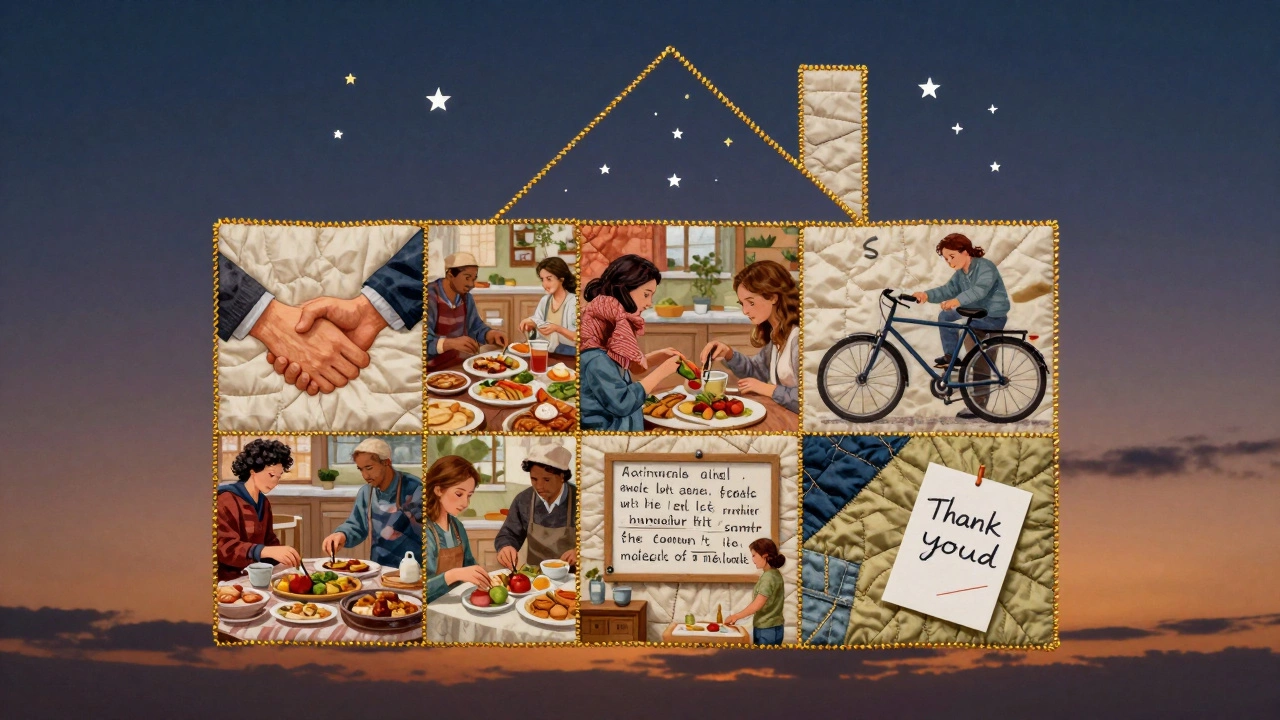
Not at all. In fact, too many leaders can make things worse. The best communities are led by many, not one. Think of it like a quilt - each person adds a patch. One person starts a book swap. Another organizes a bike repair day. Someone else runs a free lunch for seniors. No one is in charge. Everyone is involved. That’s how you avoid burnout and keep it real.
How long does it take to see results?
You’ll feel a difference in weeks. Someone will say “hi” back. Someone will ask if you need help. But real change - where people show up for each other in a crisis - takes 12 to 18 months. That’s normal. It’s not about speed. It’s about consistency. Plant seeds every week. Don’t expect a forest overnight.
Can I use the 5 C's in my workplace or school?
Absolutely. The same principles apply. In a school in Detroit, teachers started “Connection Fridays” - 10 minutes where students shared one win from their week. No grades. No judgment. Just listening. Within a semester, bullying dropped 35%. In a tech company in Seattle, employees created a “Contribution Board” - anyone could post a request like, “Need help with taxes,” or “Can teach guitar.” People helped each other. Morale shot up. The 5 C's work anywhere people gather.