Community Outreach Effectiveness Checker
Are you designing a program in a boardroom or on the street? Answer these 5 questions to see how well your current outreach strategy aligns with best practices for building real connections.
Calculating...
Recommendations for Improvement
You’ve probably seen the term community outreach thrown around in job descriptions, grant applications, and news articles. It sounds good. It sounds necessary. But what does it actually mean when you strip away the corporate jargon? Simply put, community outreach is the bridge between an organization and the people it serves. It’s not just about handing out flyers or posting on social media. It’s about showing up, listening, and building relationships that solve real problems.
If you’re a nonprofit leader, a business owner, or even a curious resident trying to make your neighborhood better, understanding this concept is crucial. Without genuine outreach, even the best-intentioned programs fail because they don’t meet actual needs. Let’s break down what community outreach really looks like, why it matters, and how you can do it right.
The Core Definition: More Than Just Visibility
Community outreach is a strategic effort by organizations to connect with specific groups of people to share information, provide services, or build partnerships. Unlike general marketing, which pushes a product toward consumers, outreach pulls communities into a conversation.
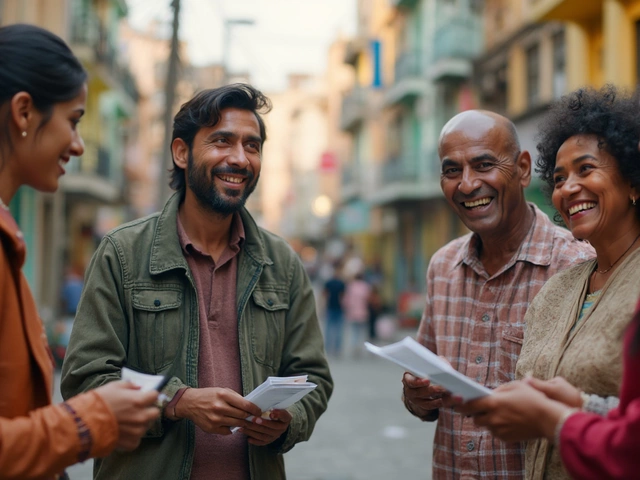
Think of it as two-way communication. One side is the entity (a charity, a school, a city council, or a corporation). The other side is the public or a specific demographic within it. The goal isn't just awareness; it's trust. When a food bank doesn't just open its doors but actively visits local shelters to ask residents what foods they prefer and need, that is outreach. When a tech company sponsors coding workshops for underrepresented youth in exchange for mentorship opportunities, that is outreach.
The key difference between outreach and standard advertising is intent. Advertising says, "Buy this." Outreach asks, "How can we help?" This shift in perspective changes everything from budget allocation to staff training.
Who Does Community Outreach?
You might assume only charities do this work. In reality, almost every sector relies on it to some degree. Understanding who plays a role helps you identify where to start.
- Nonprofits and Charities: These are the most obvious players. They use outreach to recruit volunteers, raise funds, and ensure their services reach those who need them most. For example, a homeless shelter might partner with local hospitals to catch patients before they leave without a discharge plan.
- Local Government: City councils use outreach to gather feedback on zoning laws, park renovations, or safety initiatives. Town halls and online surveys are common tools here.
- Corporations (CSR): Corporate Social Responsibility teams engage in outreach to improve brand reputation and give back. This often involves employee volunteer days or donations to local causes. However, critics argue this can sometimes feel performative if not done authentically.
- Educational Institutions: Schools and universities conduct outreach to attract students, support alumni networks, and collaborate with local businesses for internships.
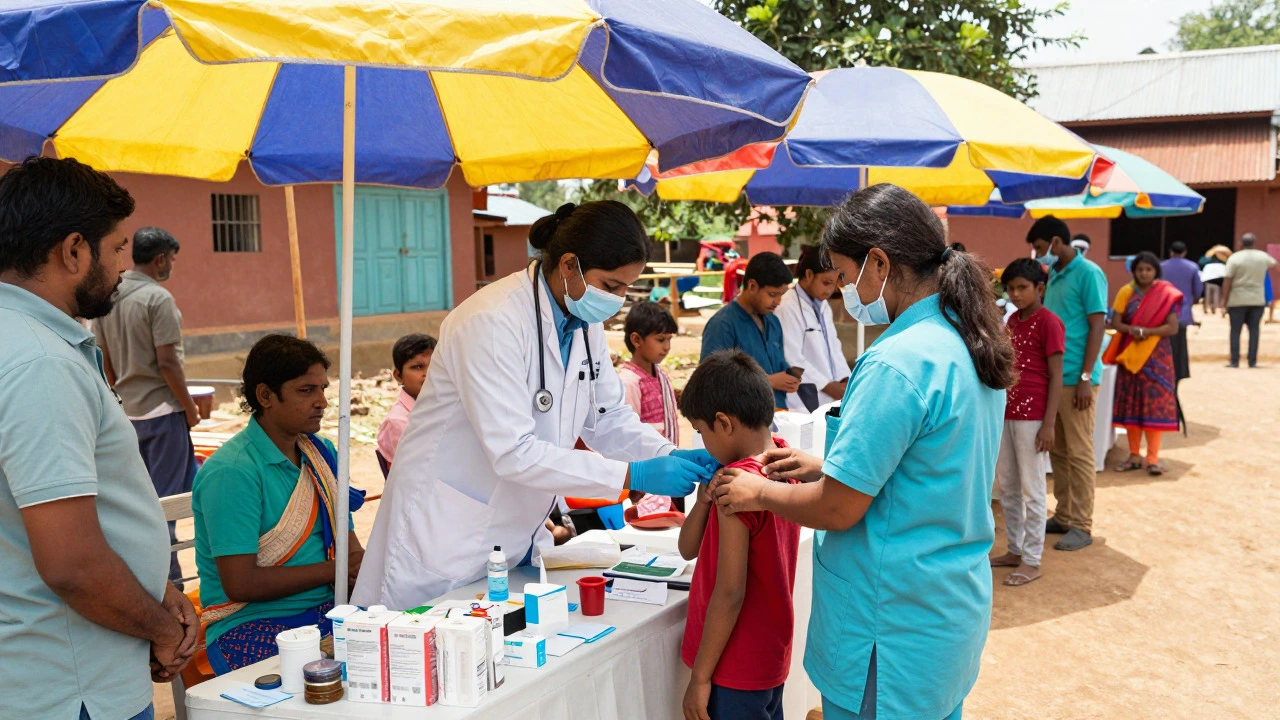
- Healthcare Providers: Hospitals run health fairs, vaccination drives, and educational seminars to prevent disease and promote wellness in underserved areas.
Regardless of the sector, the underlying mechanism is the same: identifying a gap and filling it through direct human connection.
Why Most Outreach Efforts Fail
Here’s a hard truth: many outreach programs fail because they are designed in a boardroom, not on the street. Organizations often assume they know what the community wants. They don’t. This leads to wasted resources and frustrated stakeholders.
A classic mistake is the "savior complex." An organization arrives with a pre-packaged solution without asking if the problem exists or if the solution fits. Imagine a group bringing winter coats to a tropical island because they saw a statistic about global poverty. That’s bad data interpretation, yes, but also a failure of local engagement.
Another pitfall is inconsistency. Showing up once a year for a photo op doesn’t build trust. Trust is built through reliability. If you promise to be at the community center every Tuesday, you must be there every Tuesday. Absence speaks louder than presence.
Lack of cultural competency is another major hurdle. If you are reaching out to a specific ethnic or religious group, you need to understand their norms, holidays, and communication styles. Sending a text message campaign to an elderly population that primarily uses landlines is a basic error. Ignoring language barriers is another. Effective outreach requires humility and a willingness to learn from the people you serve.
Strategies for Effective Community Outreach
So, how do you do it right? There is no magic formula, but there are proven strategies that separate successful initiatives from forgotten ones.
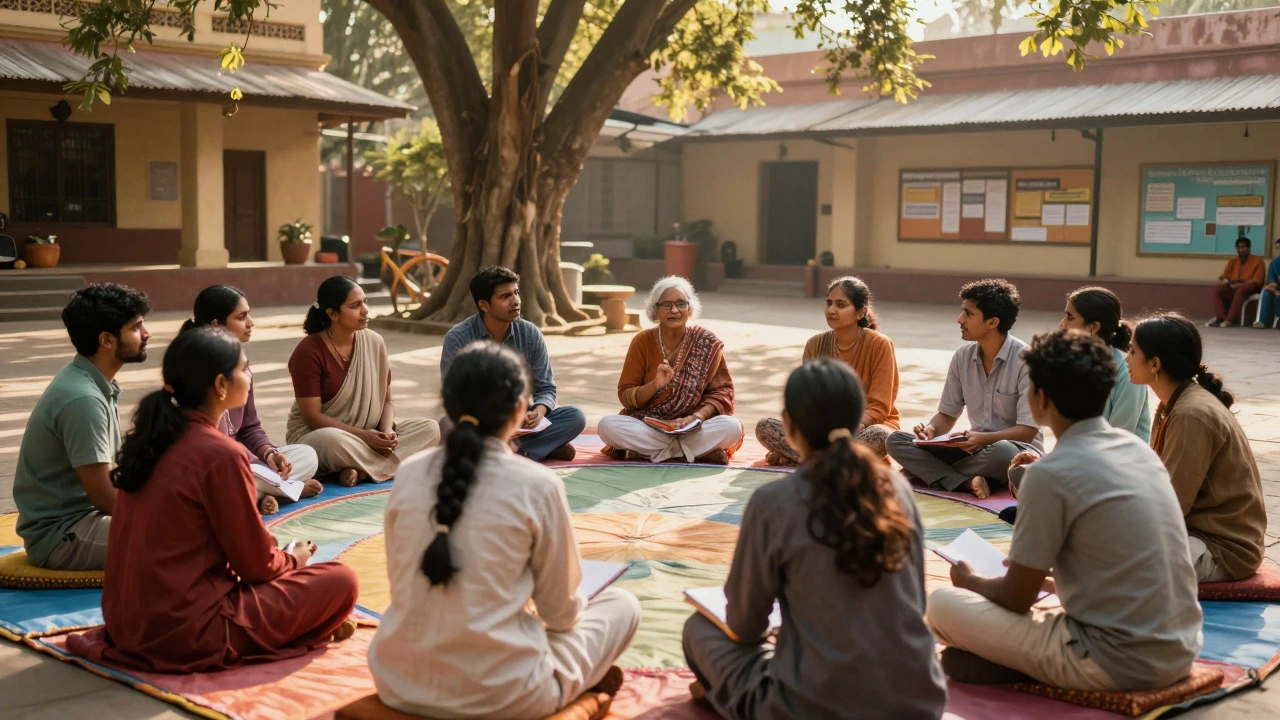
- Start with Listening Sessions: Before launching any program, hold informal meetings. Ask open-ended questions. What keeps people up at night? What resources are missing? Record these insights. Use them to shape your mission.
- Leverage Existing Networks: Don’t try to build a network from scratch. Partner with established leaders-pastors, teachers, small business owners, neighborhood association heads. They have the trust already. Borrow it respectfully.
- Meet People Where They Are: Literally. If your target audience doesn’t have internet access, digital campaigns will fail. Go to laundromats, bus stops, libraries, and places of worship. Physical presence matters.
- Use Clear, Jargon-Free Language: Avoid acronyms and bureaucratic speak. If you’re explaining a new recycling policy, use simple terms. Visual aids and translations are essential for inclusivity.
- Create Feedback Loops: After an event or service launch, ask for feedback. Did it work? What could be better? Show people that their opinions change outcomes. This creates ownership within the community.
Consider the case of a local library in Wellington. Instead of just promoting book loans, they noticed a rise in loneliness among seniors. They launched a weekly storytelling hour. They didn’t just advertise it; they asked senior care facilities to help spread the word. The result? Higher attendance, stronger intergenerational bonds, and increased library usage across all age groups. That’s smart outreach.
Measuring Success: Beyond Attendance Numbers
It’s tempting to measure success by headcounts. "We had 50 people at our workshop!" Great. But did those 50 people gain value? Did they return next month? Did they refer friends? Metrics matter, but qualitative data is often more telling.
| Metric Type | Example Indicator | Why It Matters |
|---|---|---|
| Quantitative | Number of unique participants | Shows reach and initial interest. |
| Qualitative | Participant testimonials | Reveals emotional impact and perceived value. |
| Behavioral | Return rate / Repeat engagement | Indicates sustained trust and relevance. |
| Network Growth | New partnerships formed | Shows expansion of influence and resource sharing. |
Look for changes in behavior. If you ran a financial literacy workshop, did attendees start saving money? Did they open bank accounts? Those are the real wins. Also, track sentiment. Are people talking positively about your organization? Word-of-mouth is the ultimate validation of effective outreach.

The Role of Digital Tools in Modern Outreach
Technology hasn’t replaced face-to-face interaction, but it has amplified it. Social media platforms like Facebook, Instagram, and Nextdoor allow organizations to target specific demographics with precision. Email newsletters keep supporters informed. Eventbrite makes registration seamless.
However, digital tools require careful handling. Algorithm changes can hide your posts. Misinformation spreads quickly. And not everyone is online. A hybrid approach works best. Use digital channels to announce events and gather data, but prioritize in-person interactions for relationship building. For instance, use a QR code at a physical booth to sign people up for updates, bridging the gap between offline and online.
Data privacy is also critical. When collecting personal information during outreach, be transparent about how it will be used. Compliance with regulations like GDPR (if applicable) or local privacy laws builds credibility. People are wary of having their data sold or misused. Protecting their information is part of the trust equation.
Building Long-Term Partnerships
Outreach shouldn’t be transactional. It should lead to transformation. The end goal is a partnership where both the organization and the community benefit mutually. This means shared decision-making. Involve community members in planning committees. Hire from within the community. Give them leadership roles.
When a community feels ownership over a project, they protect it. They advocate for it. They sustain it long after the initial funding dries up. This is the difference between a short-term fix and a long-term solution. True community outreach empowers people to become agents of change themselves.
Common Challenges and How to Overcome Them
Budget constraints are universal. You don’t need millions to make an impact. Creativity counts. Barter services. Seek in-kind donations. Volunteer time is valuable currency.
Skepticism is another barrier. Communities that have been burned by broken promises in the past may be hesitant to engage. Acknowledge this history. Be patient. Consistency over time is the only antidote to skepticism.
Staff burnout is real. Outreach is emotionally demanding. Ensure your team has support systems in place. Rotate responsibilities. Celebrate small wins. Remember why you started.
What is the difference between community outreach and community engagement?
While often used interchangeably, there is a subtle distinction. Outreach is typically one-way communication aimed at informing or inviting people (e.g., sending a newsletter). Engagement is two-way, involving dialogue, collaboration, and shared decision-making (e.g., a town hall meeting where residents vote on priorities). Outreach opens the door; engagement invites people inside to co-create solutions.
How can small businesses practice community outreach?
Small businesses can sponsor local sports teams, host free workshops related to their expertise, or donate a percentage of profits to a chosen charity. Even simpler, simply knowing your neighbors' names and supporting other local vendors builds strong community ties. Authenticity is key-people support businesses that genuinely care about their neighborhood.
Is social media enough for community outreach?
No. Social media is a powerful tool for awareness, but it lacks the depth of personal connection needed for true trust-building. Many vulnerable populations are underrepresented online. A balanced strategy combines digital visibility with regular, face-to-face interactions in physical spaces.
How do I find the right partners for my outreach program?
Start by mapping existing assets in your area. Who already serves your target demographic? Look for complementary organizations, not competitors. Attend local networking events, join chamber of commerce meetings, and ask current partners for introductions. Shared values and aligned goals are more important than size or fame.
What are some examples of successful community outreach?
Examples include a hospital setting up mobile clinics in rural areas, a university offering free tutoring to high school students, or a corporation creating a scholarship fund for local residents. Success is measured by sustained impact and positive community feedback, not just publicity.