Environmental Impact Calculator
Daily Habits Assessment
Group 1: Pollution
Group 2: Resource Depletion
Group 3: Biodiversity & Habitat
Your Eco-Score
Ready to Calculate
Select your daily habits above to see how they contribute to the three major environmental challenges.
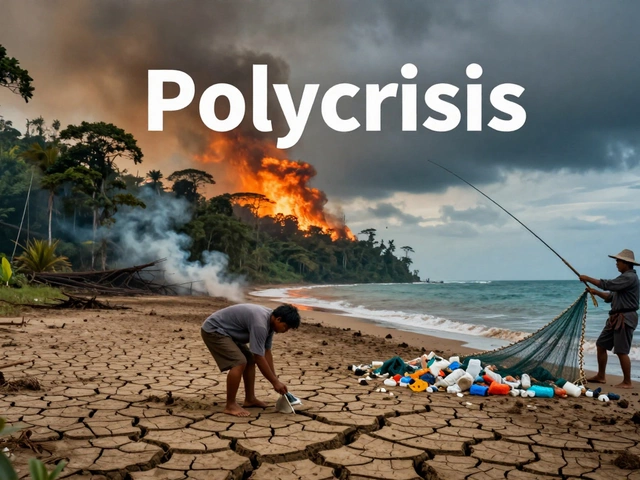
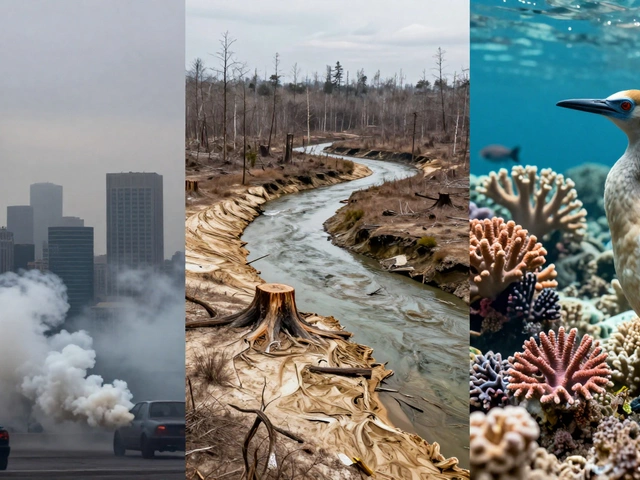
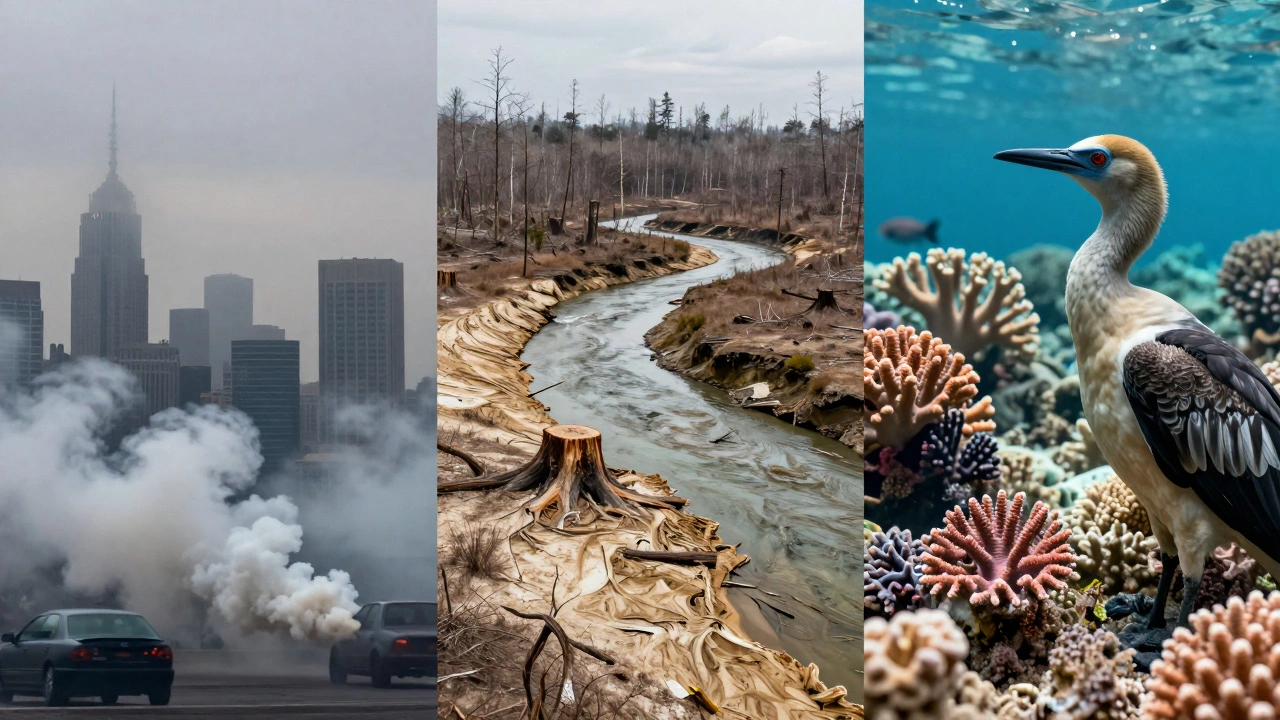
Look out your window. What do you see? If you’re in a city, you might see traffic fumes, concrete sprawl, and maybe a park struggling to breathe. If you’re in the countryside, you might notice dried-up riverbeds or forests that look thinner than they used to. We often talk about "saving the planet" as one big, vague mission. But that approach doesn’t work because the environment isn’t a single thing-it’s a complex system under attack from different angles.
To fix these issues, we first need to categorize them. Experts generally divide environmental problems into three main groups: pollution, resource depletion, and
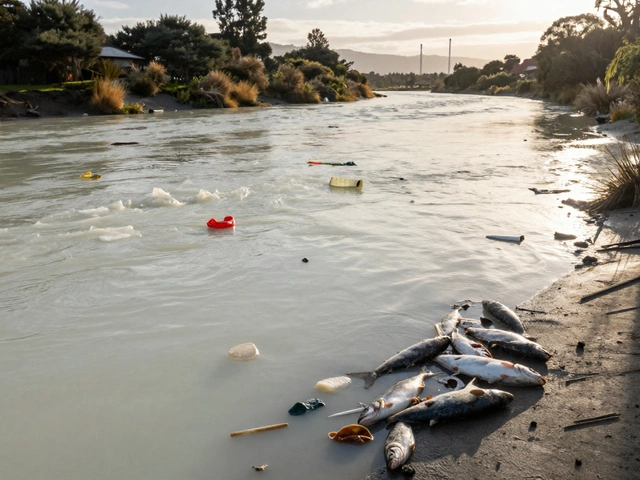
The core issue here isn’t just the presence of waste; it’s the persistence of it. Plastics, for example, don’t disappear-they break down into microplastics that enter the food chain. Solving pollution requires stopping contaminants at the source, not just cleaning them up later. If pollution is about making things dirty, resource depletion is about running out of things entirely. This group covers the overuse of natural assets faster than nature can replenish them. We treat the Earth like an infinite warehouse, but it has strict inventory limits. This group includes two major sub-types: The danger of resource depletion is economic as well as ecological. When water becomes scarce, conflicts arise. When timber runs out, construction costs skyrocket. We are currently living beyond our means, borrowing from future generations without paying back the principal. This is often the least understood group, yet it is arguably the most critical. Biodiversity refers to the variety of life on Earth-plants, animals, fungi, and microbes-and the complex relationships between them. Losing biodiversity isn’t just about sad headlines regarding pandas or polar bears; it’s about the collapse of ecosystem services that keep humans alive. Biodiversity loss happens through several mechanisms: Why does this matter to you? Because ecosystems provide "services." Bees pollinate crops. Wetlands filter water. Forests regulate rainfall. When we lose species, we weaken these safety nets. A monoculture farm might produce corn, but it’s fragile-one pest can destroy it all. A diverse ecosystem is resilient. Losing biodiversity makes our world more vulnerable to shocks like disease outbreaks and extreme weather. You might think these three groups operate in silos, but they are deeply interconnected. Ignoring this connection is why many environmental efforts fail. Consider the example of industrial agriculture. To feed a growing population, we cut down forests (resource depletion). We then use heavy fertilizers and pesticides, which run off into rivers (pollution). This combination destroys the habitats of local insects and birds, while also reducing genetic diversity in crops (biodiversity loss). One action triggers all three problems simultaneously. Similarly, burning fossil fuels depletes non-renewable resources. The CO2 released pollutes the air and warms the planet. That warming melts ice caps and changes rainfall patterns, destroying habitats and driving species extinct. You cannot solve one without addressing the others. Knowing the groups helps us target solutions more effectively. For pollution, the focus must be on prevention. Regulations like carbon pricing and bans on single-use plastics force companies to innovate cleaner processes. Individual actions, like reducing meat consumption or choosing public transport, lower the demand for polluting industries. For resource depletion, we need a circular economy. Instead of the "take-make-waste" model, we design products to be repaired, reused, and recycled. Water-saving technologies and sustainable forestry practices ensure that renewable resources stay renewable. For biodiversity loss, protection is key. Expanding national parks, creating wildlife corridors, and restoring degraded lands give nature room to recover. Supporting local, organic farms reduces pressure on wild habitats. These aren’t just government jobs. Communities play a huge role. Local clean-up crews tackle pollution. Community gardens promote biodiversity. Consumer choices drive resource markets. By understanding which bucket a problem falls into, you can pick the right tool for the job. Not exactly, though they overlap. Climate change is primarily driven by greenhouse gas emissions, which are a form of air pollution. However, climate change itself is a systemic shift in global temperatures and weather patterns, whereas pollution refers to the presence of harmful substances. Burning coal causes both air pollution (soot) and climate change (CO2). They are equally urgent because they are linked. However, biodiversity loss is often considered irreversible once a species goes extinct. Pollution can be cleaned up, and resources can sometimes be substituted, but you cannot bring back a lost ecosystem function easily. Developing nations often bear the brunt of resource extraction. They may export raw materials like timber or minerals, leaving their own ecosystems degraded while wealthier countries consume the finished goods. This creates economic dependency and environmental injustice. Technology helps, but it’s not a silver bullet. Electric cars reduce air pollution, but mining lithium for batteries causes resource depletion and habitat loss. True solutions require a mix of technology, policy changes, and shifts in consumer behavior. Renewable resources, like solar energy, wind, and trees, can replenish themselves within a human timeframe. Non-renewable resources, like coal, oil, and gold, take millions of years to form and are effectively finite for our purposes.Group 2: Resource Depletion - Using Up the Future
Group 3: Biodiversity Loss - The Collapse of Life’s Network
Problem Group
Primary Cause
Key Example
Main Solution Strategy
Pollution
Introduction of toxins/waste
Microplastics in oceans
Source reduction & filtration
Resource Depletion
Overconsumption
Deforestation & groundwater drop
Circular economy & conservation
Biodiversity Loss
Habitat destruction & climate change
Species extinction rates
Protected areas & restoration
How These Groups Interact
What Can Be Done?
Are climate change and pollution the same thing?
Which environmental problem is the most urgent?
How does resource depletion affect developing countries?
Can technology solve all three groups of environmental problems?
What is the difference between renewable and non-renewable resources?