Volunteer Impact Calculator
How Consistent Volunteering Creates Real Change
The article shows that consistent volunteering (1 hour/week for 6 months) creates more impact than sporadic efforts. This tool demonstrates how small, regular contributions add up to meaningful results.
People say volunteering changes lives. But does it actually help-really help-or is it just feel-good noise? If you’ve ever spent a Saturday sorting donations or tutoring a kid and walked away wondering if it made any real difference, you’re not alone. The truth isn’t as simple as ‘yes’ or ‘no.’ It’s messier, deeper, and way more interesting.
It Helps Communities-But Only If Done Right
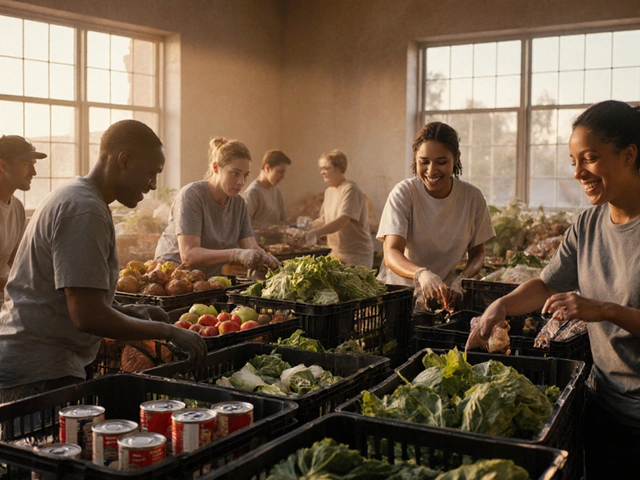
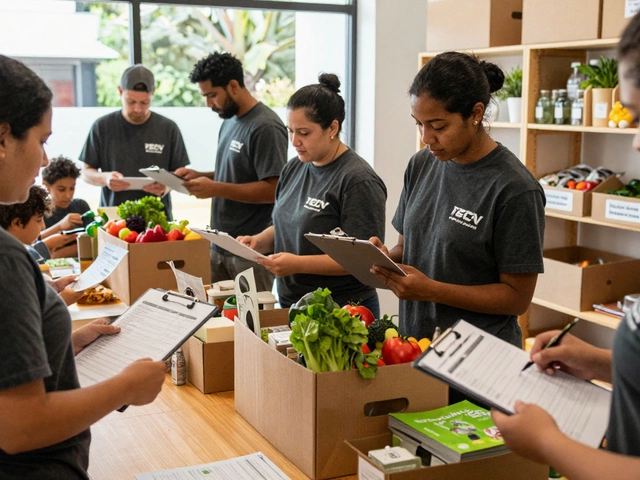
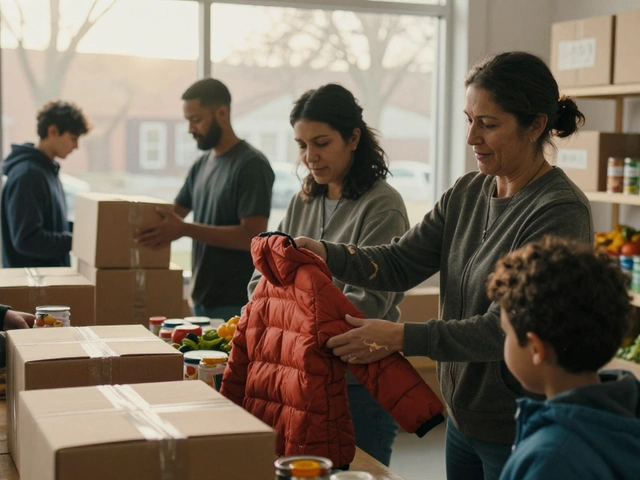
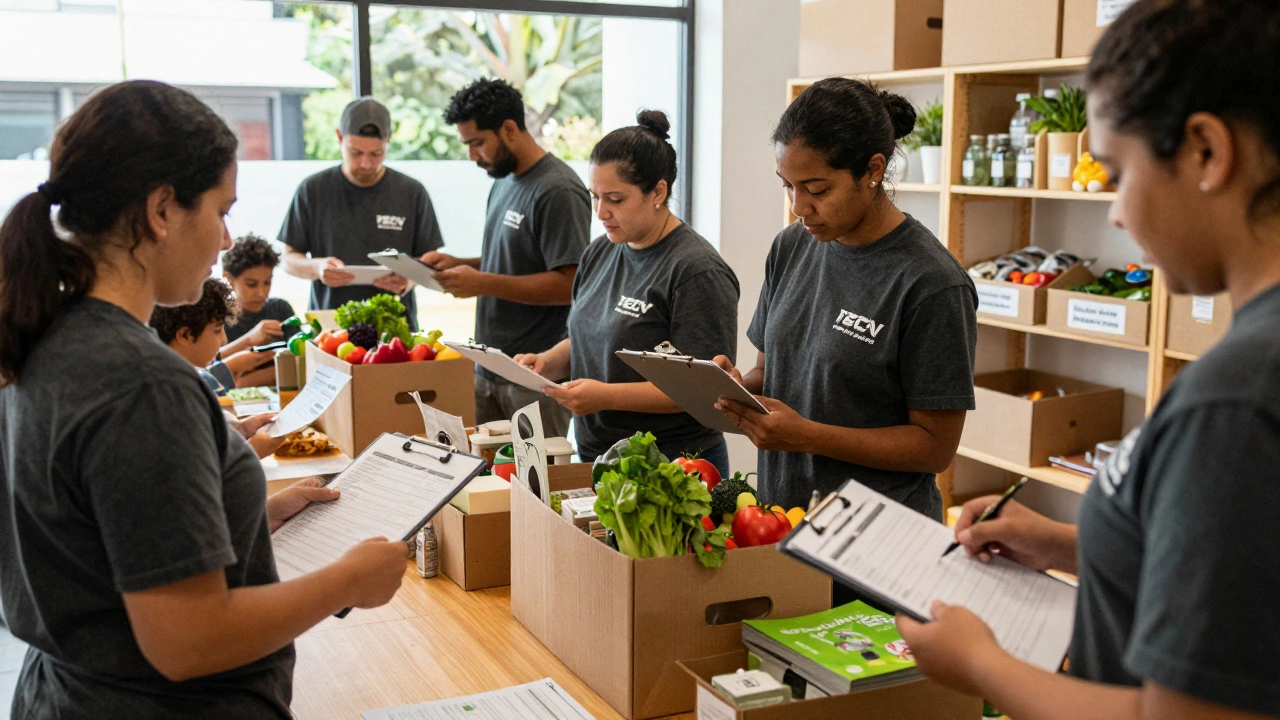
Volunteering isn’t magic. A group showing up to paint a community center doesn’t fix systemic underfunding. A one-day beach clean-up doesn’t stop plastic pollution at the source. But when volunteers are part of a sustained, well-coordinated effort, the impact adds up. In Wellington, the volunteering program run by the Wellington City Council partners with local food banks. Volunteers don’t just hand out meals-they help design weekly menus based on nutritional needs, track food waste, and even connect families with social services. That’s not charity. That’s community infrastructure.
Studies from the University of Auckland show that volunteer-led initiatives with clear goals and training see 60% higher retention of participants and 3x more measurable outcomes than ad-hoc efforts. The difference? Structure. Volunteers who know their role, have support, and are evaluated don’t just show up-they solve problems.
It Helps You-More Than You Think
Let’s be honest: most people start volunteering because they want to help others. But the biggest shift often happens inside them. A 2024 longitudinal study tracking 1,200 New Zealanders who volunteered regularly found that after six months, participants reported lower stress levels, stronger social connections, and improved self-esteem-even if they had no prior mental health issues.
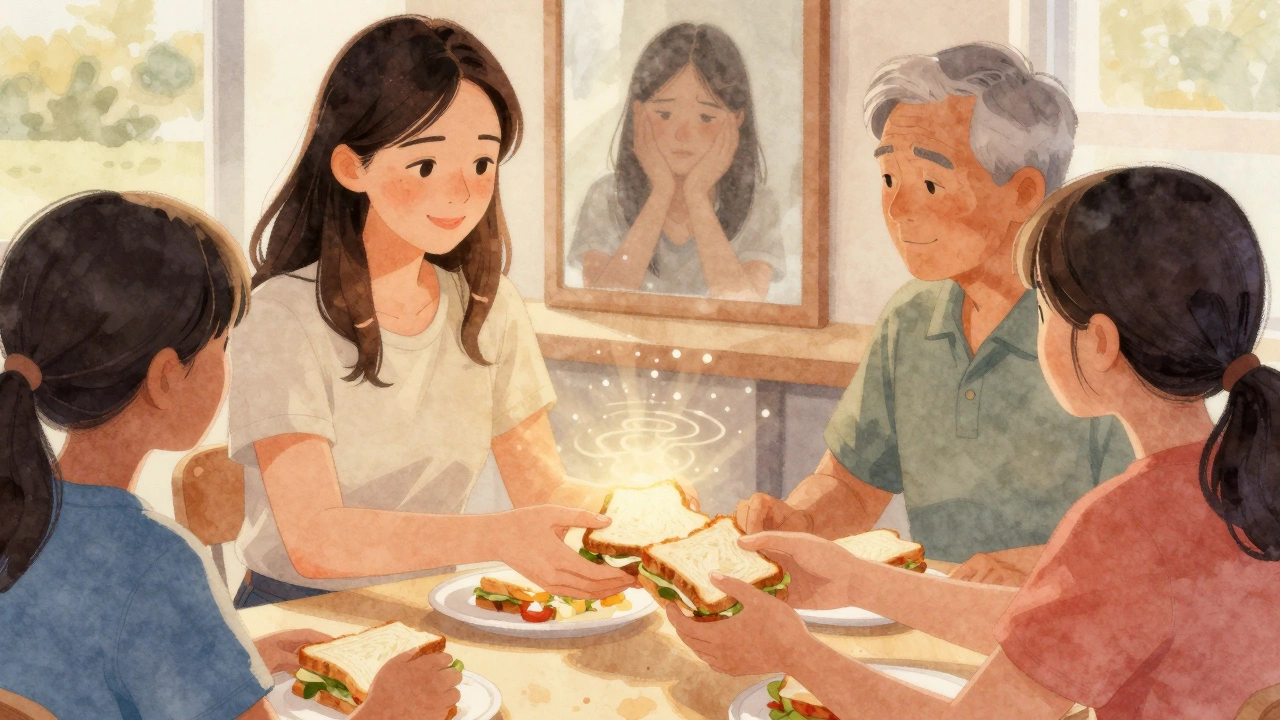
Why? Because volunteering gives you agency. When you’re stuck in a rut, helping someone else forces you out of your own head. It’s not therapy, but it works like it. One woman in Porirua, who started volunteering at a youth drop-in center after losing her job, told researchers: “I didn’t fix my life by serving sandwiches. But for the first time in months, I felt like I still had something to give.”
Skills matter too. People who volunteer in roles that challenge them-like managing a donation database, leading a workshop, or coordinating a team-often gain practical experience. One man in Christchurch learned project management while organizing a neighborhood garden project. Six months later, he got hired as a community coordinator.
Not All Volunteering Is Equal
Here’s the uncomfortable truth: some volunteer programs do more harm than good. Short-term mission trips where tourists build houses they don’t understand or teach English without language training can undermine local efforts. In New Zealand, some iwi communities have stopped accepting foreign volunteers for cultural events because outsiders kept misrepresenting traditions.
Volunteering that works respects local leadership. The best programs don’t bring in outsiders to “save” people. They bring in outsiders to support people who already know what they need. Look for organizations that say things like “led by community members” or “trained by local experts.” If the website talks more about how volunteers will feel than how the community will benefit, walk away.
What Gets Measured Gets Done
Volunteering that lasts has metrics. Not flashy stats like “10,000 meals served,” but real ones: “75% of students improved reading levels over 6 months,” or “reduced repeat visits to the food bank by 40%.”
Organizations that track outcomes don’t just report numbers-they adapt. If a tutoring program isn’t helping kids pass math, they change the curriculum. If a senior companionship program leads to isolation instead of connection, they rethink the model. That’s accountability. And accountability is what turns good intentions into real change.
Ask any volunteer coordinator: “How do you measure success?” If they give you a vague answer like “we make a difference,” that’s a red flag. If they show you data, stories, and adjustments they’ve made based on feedback-that’s the real deal.

How to Find Volunteering That Actually Works
Not every opportunity is worth your time. Here’s how to pick one that makes a difference:
- Start with your skills. Can you write? Organize? Fix things? Teach? Use them. Don’t just take the first role offered.
- Look for long-term needs. A weekly shift over six months beats a one-off event.
- Check who runs it. Is it a local group with lived experience? Or a national nonprofit with little local presence?
- Ask for results. “What’s one thing you’ve improved in the last year because of volunteers?”
- Start small. Try a 4-week commitment before signing up for a year.
Volunteering isn’t about checking a box. It’s about showing up, consistently, with humility. The best volunteers aren’t the ones who donate the most hours-they’re the ones who stay long enough to see change.
The Ripple Effect
Volunteering doesn’t just help the person you’re serving. It helps the person next to them. When you tutor a child, their parent might feel less stressed. That parent might then volunteer at the school. Their neighbor sees that and joins a clean-up crew. That’s how communities heal-not with grand gestures, but with quiet, repeated actions.
In New Zealand, the concept of whanaungatanga-building relationships through shared purpose-is central to how Māori communities sustain themselves. Volunteering that works doesn’t ignore that. It leans into it. It’s not about doing something for someone. It’s about doing something together.
So does volunteering actually help? Yes-but only if you treat it like a real job, not a photo op. Only if you care more about outcomes than Instagram likes. Only if you’re willing to stay, listen, and adapt.
The world doesn’t need more people who show up once. It needs more people who show up again.
Is volunteering worth it if I don’t have much time?
Yes-but only if you’re realistic. One hour a week for six months does more than eight hours once. Consistency beats intensity. Look for roles that fit your schedule, like phone banking, remote mentoring, or weekend food packing. Even small, regular contributions build trust and create real impact over time.
Can volunteering help me get a job?
Not directly, but it often helps indirectly. Employers care less about the title you held and more about what you did. Did you lead a team? Solve a problem? Manage a budget? Those are skills you can translate into a resume. Many people in New Zealand have moved from volunteer roles into paid positions in community services, nonprofits, or even private companies because they proved they could deliver results.
What if I don’t like the volunteer work after I start?
It’s okay to leave. No one should force you to stay in a role that drains you. But before quitting, talk to the coordinator. Maybe the task can change. Maybe you’re mismatched, not the program. Many organizations will help you find a better fit. Walking away respectfully is better than ghosting-it keeps the door open for others.
Do I need special skills to volunteer?
No. Most organizations train you. But having a skill-like cooking, speaking a second language, or basic tech know-how-can open up more meaningful roles. If you’re unsure, start with something simple: serving meals, organizing shelves, or greeting visitors. You’ll learn fast, and you’ll find where you fit.
Are there risks to volunteering?
Yes. Emotional burnout is common, especially in roles involving trauma or crisis. Some organizations don’t offer support. Always ask: “What kind of training and debriefing do volunteers get?” If they say none, reconsider. Also, avoid groups that pressure you to donate money or recruit others. Legitimate volunteering doesn’t make you feel guilty for saying no.
If you’re looking to make a difference, don’t wait for the perfect opportunity. Start with what’s nearby, what you can do, and who’s already doing the work. Show up. Stay. Listen. The change you’re looking for? It’s already happening-you just have to be part of it.