Volunteer Matchmaker
Discover volunteer opportunities that match your interests, skills, and schedule. Based on the article "Why Should One Volunteer? Real Reasons People Show Up — And Stay"
Ever stood at a community food bank, handed out blankets to someone shivering on the sidewalk, or spent a Saturday morning painting a classroom at a local school - and wondered, why do I keep doing this?
People don’t volunteer because they’re told to. They don’t do it for a tax break or a line on their resume. They show up because something inside them shifts when they do. And that shift isn’t just about helping others. It’s about healing, connecting, and finding your own place in the world.
You’re not just giving time - you’re gaining perspective
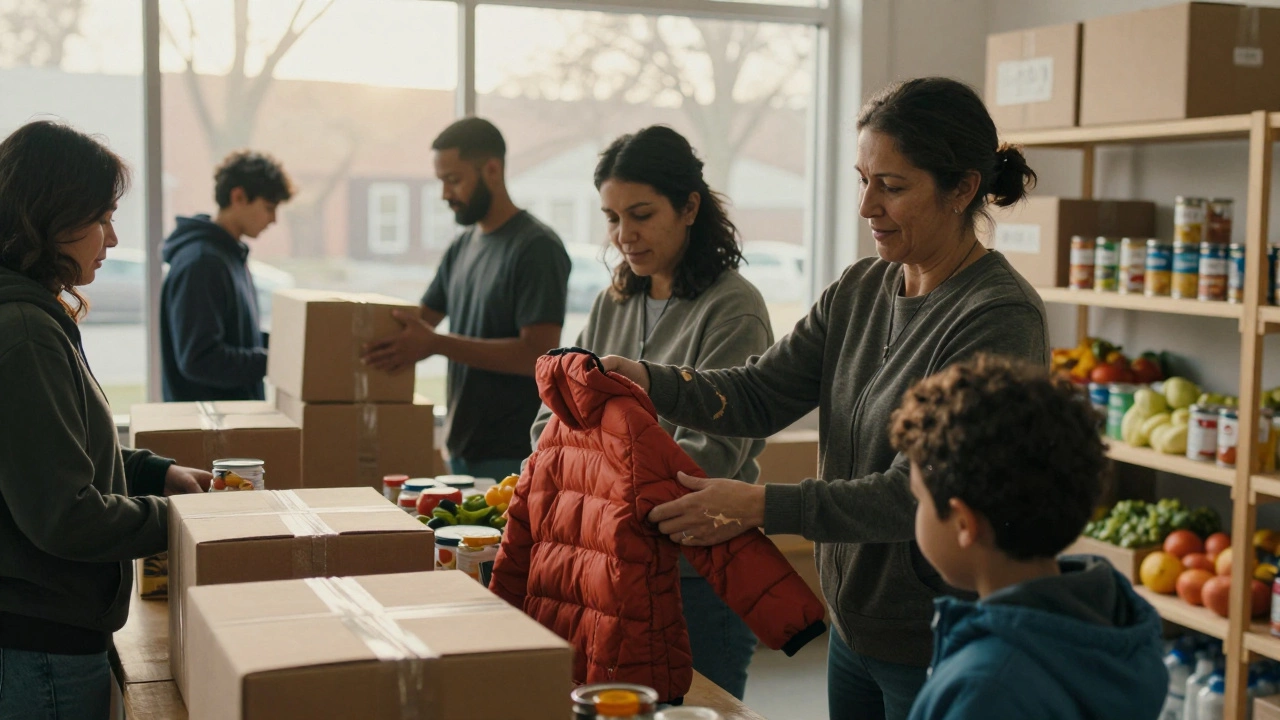
Volunteering pulls you out of your own head. When you’re sorting donated clothes at a shelter, you’re not thinking about your inbox or your mortgage. You’re holding a child’s winter coat that’s been mended five times, and you realize how little you actually need to be okay.
In Wellington, I’ve seen it happen over and over. A woman who lost her job started helping at the Hutt Valley Food Bank. Within weeks, she wasn’t just handing out groceries - she was teaching others how to cook on a budget, sharing stories, laughing with people who had nothing but a smile to give. She told me, "I thought I was here to help them. Turns out, they were helping me remember I’m still alive."
This isn’t poetic fluff. It’s science. Studies from the University of Michigan show that people who volunteer regularly report lower levels of stress and higher life satisfaction than those who don’t. Not because they’re saints. Because they’re human - and connection is what we’re wired for.
Skills you didn’t know you had - and ones you didn’t know you needed
Volunteering isn’t just about lifting boxes or handing out flyers. It’s a training ground for real skills you won’t learn in a classroom.
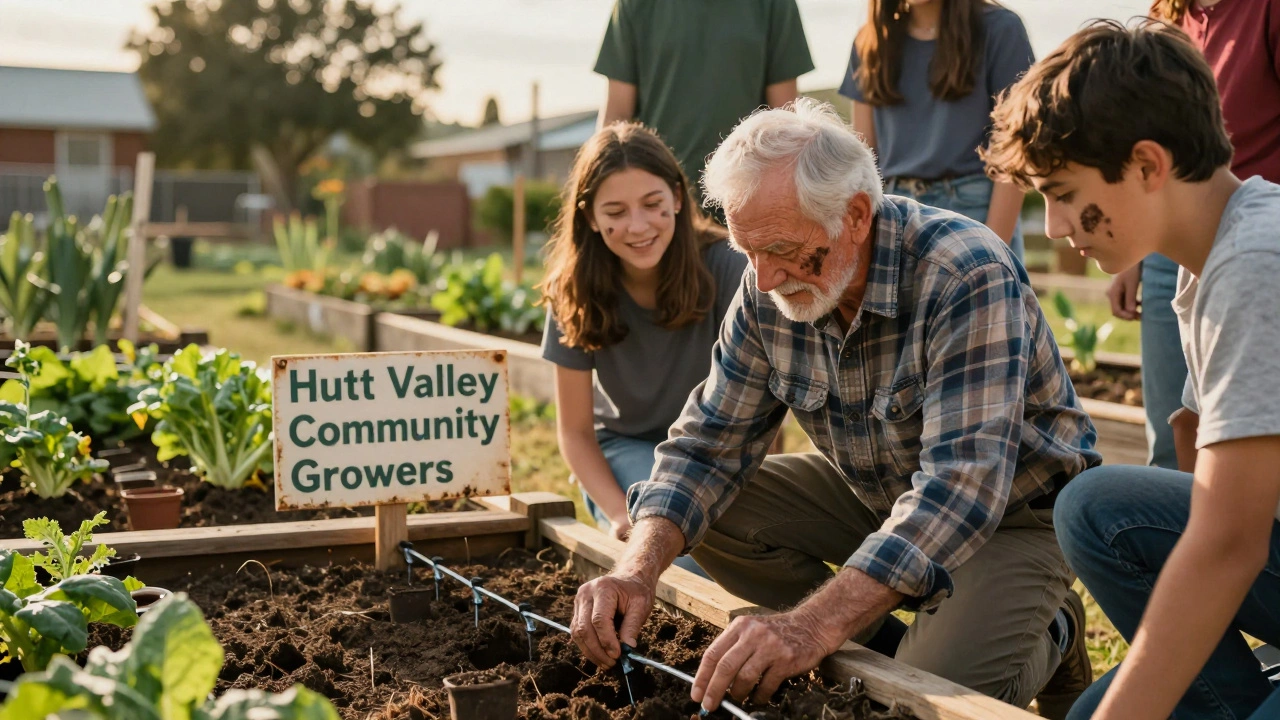
At the Wellington Community Garden, a retired engineer started helping with irrigation systems. He’d never gardened in his life. Now he designs water-saving drip lines for low-income families. He learned to talk to teenagers who showed up after school - something he hadn’t done since his own kids left home.
At a youth mentoring program, a graphic designer who’d been laid off started teaching kids how to make posters for their school events. She didn’t know she was rebuilding her confidence until a 14-year-old told her, "You’re the first adult who didn’t rush me. You actually listened."
Volunteer roles are full of hidden learning curves: managing a team of 12 teens, negotiating with a local council for park permits, organizing a donation drive with zero budget. These aren’t "soft" skills. They’re survival skills - and they make you better at your job, your relationships, your life.
Community doesn’t happen by accident
Think about the last time you felt safe walking down your street. Or when you knew someone would check on you if you didn’t answer your door. That didn’t happen because of cameras or police. It happened because someone showed up - regularly - to plant trees, clean up litter, or just sit with an elderly neighbor who doesn’t have family nearby.
Volunteering is the glue. It’s what turns strangers into neighbors. In places where people volunteer together - like the Hutt Valley after the floods - communities bounce back faster. Not because of government aid. Because people showed up with shovels, hot soup, and stories.
When you volunteer, you’re not just adding to a cause. You’re helping build a world where people don’t feel invisible. And that kind of world doesn’t grow from headlines. It grows from quiet, consistent acts of presence.
It’s not about being perfect - it’s about showing up
Many people don’t start volunteering because they think they need to be skilled, organized, or fearless. They wait for the perfect opportunity. The perfect time. The perfect cause.
Here’s the truth: there is no perfect. There’s only now.
One man in Porirua started volunteering at a homeless shelter because he couldn’t sleep. He didn’t know how to cook. He didn’t know how to talk to people who’d been through trauma. He just showed up. Every Tuesday. For six months. He didn’t fix anything. But he made coffee. He listened. He remembered names.
That’s all it takes. You don’t need to save the world. You just need to show up for one person, one day, one hour. And if you keep showing up, you’ll find you’ve changed more than you ever expected.
The ripple effect is real - and it’s bigger than you think
Volunteering doesn’t stop at the door of the shelter, the classroom, or the park.
A teen who tutors kids at the local library starts helping her younger brother with his homework. A retiree who delivers meals to seniors begins calling her own daughter every Sunday. A man who builds bikes for homeless youth starts fixing his neighbor’s bike - for free.
One act of service becomes three. Then ten. Then a culture. That’s how change spreads - not through rallies, but through quiet, repeated choices.
And here’s the quietest truth of all: when you volunteer, you’re not just giving. You’re inviting others to do the same. You become proof that kindness isn’t rare. It’s contagious.
Where to start - no experience needed
You don’t need a degree. You don’t need to be rich. You don’t even need to be brave.
Here’s how to begin:
- Look around. What’s broken in your neighborhood? A park covered in trash? A kid walking to school without shoes? A senior who never gets visitors?
- Find one small thing you can do - once. A Saturday morning. Two hours. That’s enough.
- Call your local community center, library, or church. Ask: "What do you need help with this week?"
- Go. Don’t wait for an invitation. Just show up.
Some places you can start right now:
- Food banks - sorting donations, packing boxes, driving deliveries
- Animal shelters - walking dogs, cleaning cages, helping with adoption events
- Library reading programs - reading to kids who struggle with books
- Community gardens - planting, weeding, harvesting
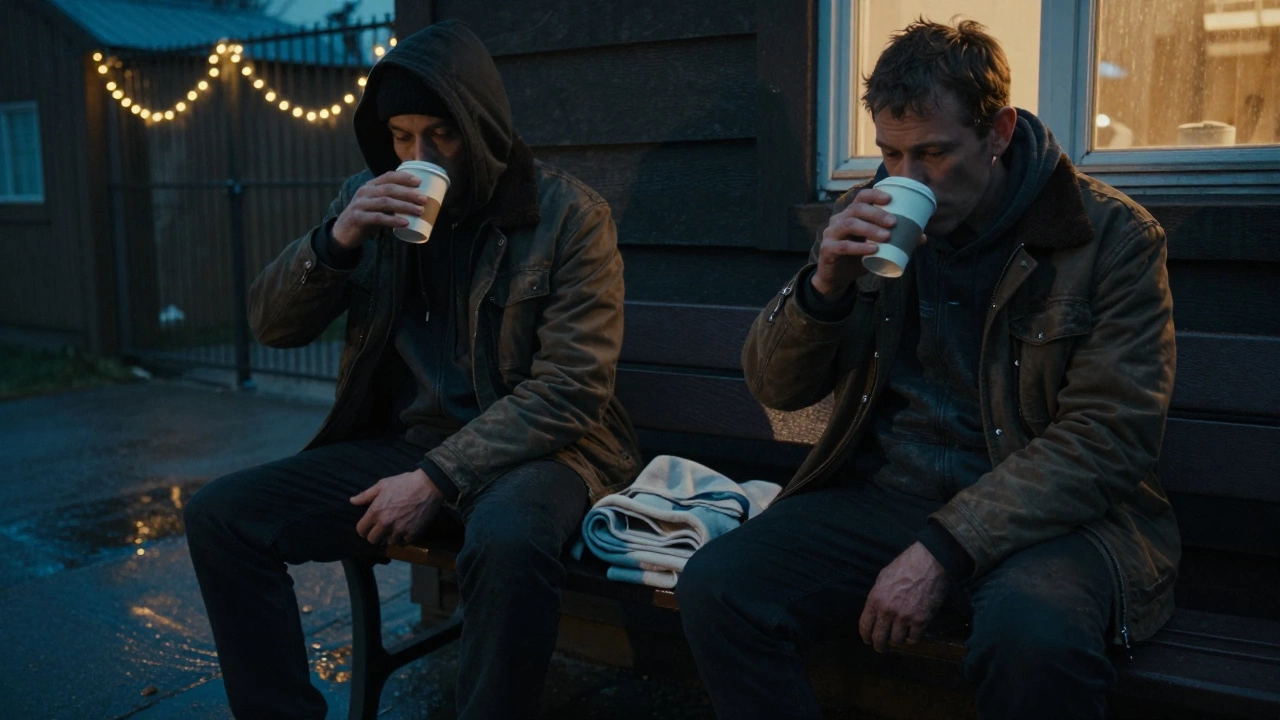
- Homeless outreach - handing out socks, water, or just sitting quietly with someone
You don’t have to pick the "right" cause. Pick the one that tugs at you. The one you can’t stop thinking about. That’s your signal.
It’s not about being heroic - it’s about being human
Volunteering isn’t about being a hero. It’s about being human. It’s about looking someone in the eye and saying, "I see you. You matter."
And in a world that’s getting louder, faster, and colder, that might be the most powerful thing you can do.
You don’t have to change the world. But you can change one person’s day. And if enough of us do that - we change everything.
Do I need special skills to volunteer?
No. Most organizations need help with basic tasks: sorting donations, handing out food, cleaning up, or just showing up. Many will train you on the spot. The only skill you need is willingness.
How much time do I need to give?
As little as two hours a month. Some people volunteer once a week. Others once a year. There’s no minimum. Even one shift can make a difference. Consistency matters more than hours.
What if I’m shy or don’t know what to say?
You don’t need to talk. Sometimes the most powerful thing you can do is sit quietly with someone. Hold a door. Offer a smile. Bring coffee. Presence is more important than words.
Can I volunteer with my kids or family?
Absolutely. Many organizations welcome families. Planting trees, packing meals, or cleaning up a beach are great group activities. It’s one of the best ways to teach kids about community - by doing it together.
Is volunteering only for people with free time?
No. People with full-time jobs, single parents, students - they all volunteer. It’s about finding small moments: lunch breaks, weekends, evenings. One hour counts. One day a month counts. Your time is valuable - use it where it matters to you.