Volunteer Impact Calculator
How Much Time? What Impact?
Find out how your volunteer time creates real change
Your Volunteer Impact
78% of volunteers reported lower stress levels in 6 weeks
Your existing skills become valuable resources for local organizations
Real relationships form with people who truly care
What you can achieve with $2 hours/month
- Join a neighborhood clean-up on Saturday morning
- Donate old books to a school that needs them
- Call isolated seniors once a week
"You don't need to be ready. You just need to be there."
Start small. Stay consistent.
People ask if volunteering is a good idea like it’s a risky investment-like putting money into a startup with no track record. But here’s the truth: volunteering isn’t about giving something up. It’s about gaining something real. You don’t need a resume boost or a spiritual awakening to make it worth your time. Just show up, and the changes start quietly, in ways you won’t expect.
You’ll actually feel better-fast
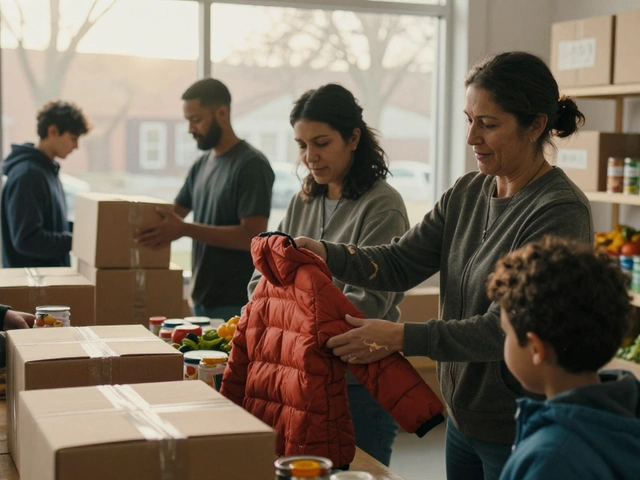
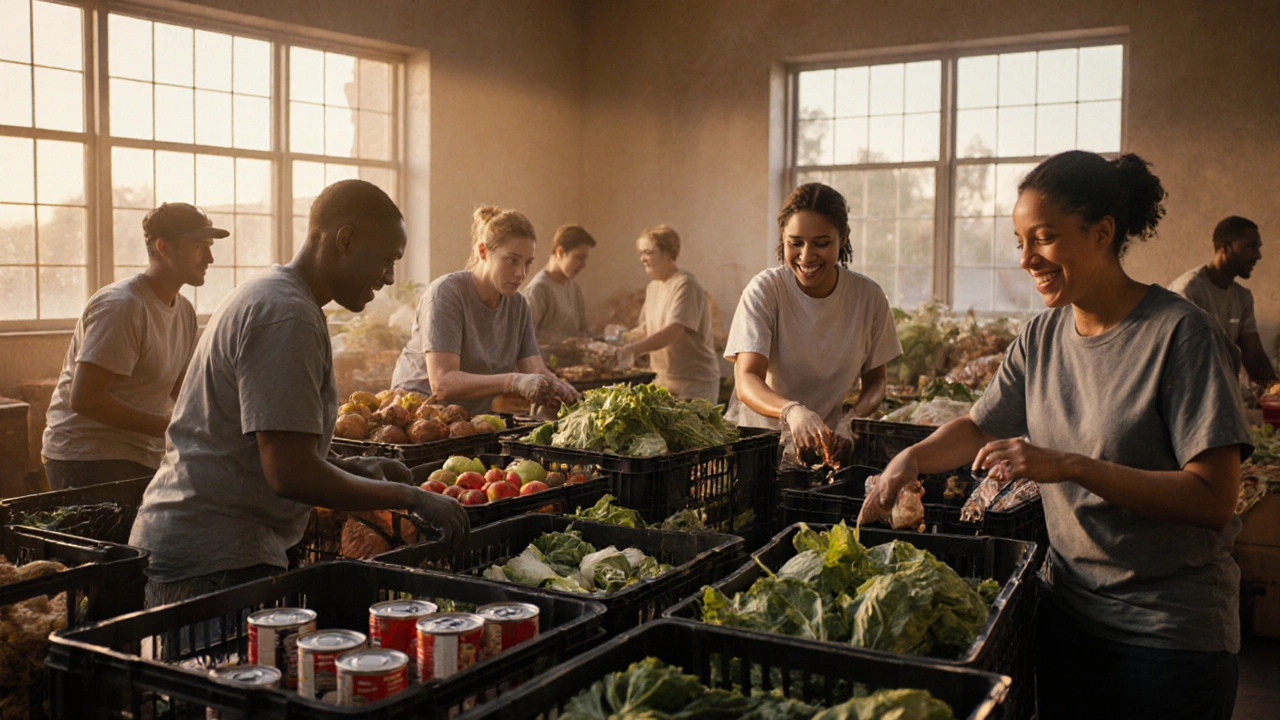
Volunteering doesn’t require you to be a saint. You don’t have to spend weekends feeding the homeless or building houses in Honduras. Even two hours a month at a local food bank, helping sort donations, or reading to kids at the library can shift your mood. A 2023 study from the University of Michigan tracked 1,200 adults who volunteered regularly. After just six weeks, 78% reported lower stress levels and improved sleep. Not because they were doing something heroic. Because they were doing something human.
When you help someone else, your brain releases dopamine and oxytocin-the same chemicals activated when you laugh, hug someone, or eat your favorite meal. It’s not magic. It’s biology. And you don’t need a degree to trigger it.
Your skills get used in ways you never expected
Most people think volunteering means handing out sandwiches or stuffing envelopes. But what if you’re good with spreadsheets? Or you know how to fix a website? Or you’ve run a small business before?
Local nonprofits are drowning in paperwork, struggling with their online presence, or can’t afford a marketing consultant. A volunteer with basic Excel skills can turn chaotic donor lists into clear reports. Someone who knows Canva can design flyers that actually get noticed. A retired teacher can train new volunteers in just a few sessions.
You don’t have to be an expert. You just have to be willing to try. And when you do, you’ll find out your skills matter more than you thought.
You meet people who actually care
Think about your last networking event. How many people asked how you were doing-really-and waited for an answer? Now think about a volunteer shift at an animal shelter. You’re cleaning cages, walking dogs, and someone says, “Thanks for coming. We’ve been short-staffed all week.” That’s not small talk. That’s connection.
Volunteering pulls you out of your bubble. You’ll work alongside people from different backgrounds: a college student saving for tuition, a retiree who lost their spouse, a single parent looking for structure. These aren’t connections you can buy. They’re built on shared purpose. And those relationships stick.

It’s easier to find than you think
You don’t need to join a big organization or commit to a year-long program. There are hundreds of micro-opportunities right now.
- Help organize a neighborhood clean-up on Saturday morning
- Donate old books to a school that needs them
- Call isolated seniors once a week through a local outreach program
- Help set up chairs at a community potluck
- Translate flyers for non-English speakers at the public library
Most of these take less than two hours. Many require no training. Websites like VolunteerMatch.org and local city government portals list openings updated daily. You can find something that fits your schedule, your skills, and your energy level.
It’s not about fixing the world-it’s about showing up
Some people wait to volunteer until they have more time, more money, or more confidence. But the truth is, you don’t need to be ready. You just need to be there.
One woman in Cleveland started volunteering at a homeless shelter because she was lonely after her divorce. She didn’t know how to talk to people experiencing homelessness. She didn’t have answers to their problems. But she showed up every Tuesday with coffee and a sandwich. After six months, one man started asking for her by name. He said, “You’re the only one who remembers my dog’s name.”
That’s the power of consistency. You don’t have to solve everything. You just have to be someone who shows up.

What you gain isn’t always visible
Volunteering doesn’t always come with a certificate or a LinkedIn badge. Sometimes, the change is quiet. You start noticing small things: the way a child lights up when you read to them. The way a senior citizen smiles when you bring them groceries. The way your own complaints start to feel smaller after you’ve seen someone else’s struggle.
You might not become a better person overnight. But you’ll start seeing the world differently. And that’s the kind of change that lasts.
It’s not a charity case-it’s a two-way street
Too often, we think of volunteering as one-sided: you give, they receive. But that’s backwards. The people you help are giving you something too: perspective, humility, gratitude, and proof that kindness still exists.
Volunteering isn’t about saving someone. It’s about remembering we’re all in this together. And sometimes, the best way to find your own way forward is to help someone else find theirs.
Do I need special skills to volunteer?
No. Most volunteer roles don’t require special training. Many organizations need help with simple tasks like sorting donations, answering phones, or handing out materials. If you have a skill-like writing, graphic design, or fixing computers-that’s a bonus, but it’s not required. The most important thing is willingness to show up.
How much time do I need to commit?
It depends on what you want. Some roles take just one hour a month. Others might need four hours a week. There’s no pressure to do more than you can. Many people start with one shift a month and increase as they get comfortable. The goal isn’t to burn out-it’s to find a rhythm that works for you.
Can I volunteer if I’m not a citizen or don’t have a job?
Yes. Volunteer opportunities are open to everyone, regardless of immigration status, employment, or income. Many programs specifically welcome people from all walks of life. Some even offer transportation help or meals during shifts. If you’re unsure, call the organization directly-they’ll tell you what’s needed.
What if I don’t like it the first time?
That’s normal. Not every role will click. Maybe the environment felt too chaotic, or the work didn’t match your interests. Try another one. There are thousands of volunteer opportunities across food banks, animal shelters, libraries, parks, schools, and more. The right fit is out there-it just might take a couple tries.
Will volunteering help me get a job?
It can. Employers notice people who take initiative. Volunteering shows responsibility, teamwork, and reliability-even if the work wasn’t paid. If you’re job hunting, treat volunteering like a skill-building opportunity. Take notes on what you learned, how you solved problems, and what you contributed. You can add that to your resume or talk about it in interviews.
Start small. Stay consistent.
You don’t need to change the world to make a difference. You just need to show up-once, twice, then again. The world doesn’t need more heroes. It needs more people who keep showing up.