Climate Impact Calculator
Your Climate Impact Estimate
Based on WHO data: Climate change causes over 5 million deaths annually (more than malaria, TB, and HIV combined). Calculate how your choices could help reduce this number.
Deaths prevented annually
If everyone adopted your habits, we could prevent this many climate-related deaths per year
This calculator uses WHO data showing climate change causes over 5 million deaths annually through air pollution, heat stress, and food insecurity. Your inputs are converted to carbon equivalents using:
- • 0.19 kg CO2 per km driven (average vehicle)
- • 0.5 kg CO2 per kWh (global electricity mix)
- • 3.8 kg CO2 per serving of beef
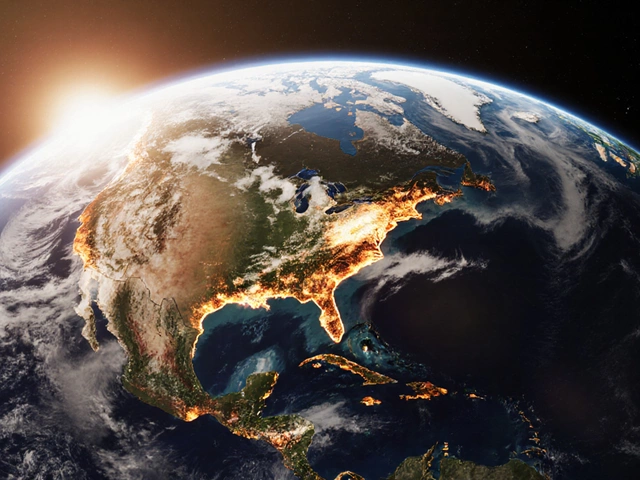
When you think of the biggest dangers to human life, what comes to mind? War? Pandemics? Nuclear weapons? Those are real, and they’ve killed millions. But none of them come close to what’s already killing us right now - and it’s not something that makes headlines every day. The deadliest threat to humans isn’t a bomb, a virus, or a terrorist. It’s climate change.
It’s Already Killing People
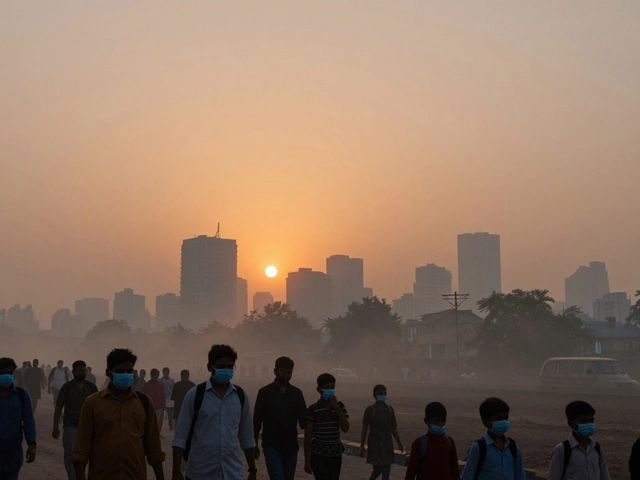
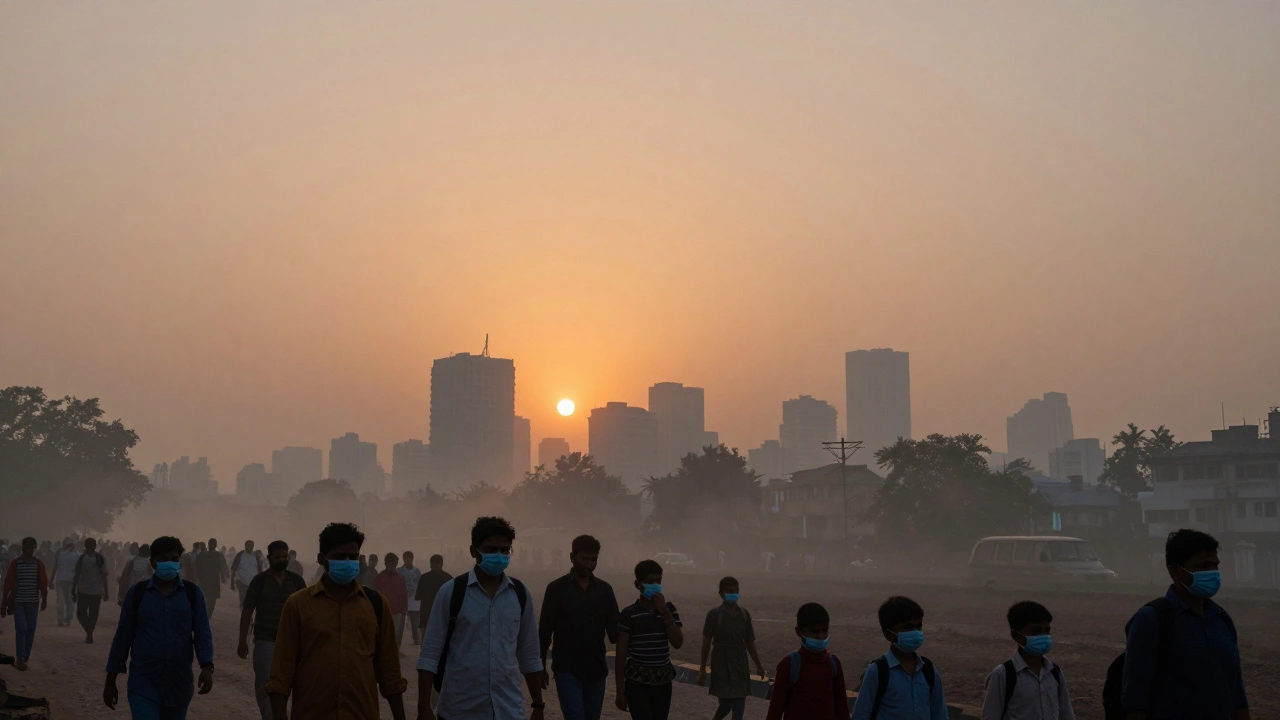
Every year, more than 5 million people die because of air pollution alone. That’s more than malaria, tuberculosis, and HIV combined. Most of those deaths happen in cities where the air is thick with exhaust, coal smoke, and industrial chemicals. But it’s not just the air. Heatwaves are getting deadlier. In 2022, over 600 people died in a single heatwave in Oregon and Washington. In 2023, more than 1,000 died in India and Pakistan when temperatures hit 50°C. These aren’t rare events anymore. They’re becoming the new normal.
And it’s not just heat. Floods, wildfires, and storms are getting worse because of warming oceans and shifting weather patterns. In 2024, floods in Libya killed over 11,000 people. In Australia, bushfires in 2020 burned 24 million hectares - an area larger than the United Kingdom. These aren’t natural disasters. They’re climate disasters.
It’s Not Just About Weather
Climate change doesn’t just kill through extreme weather. It kills slowly, quietly, and in ways most people don’t connect to the environment. Crop failures. Water shortages. Malaria spreading into new regions. Food prices rising. These are all direct results of a warming planet.
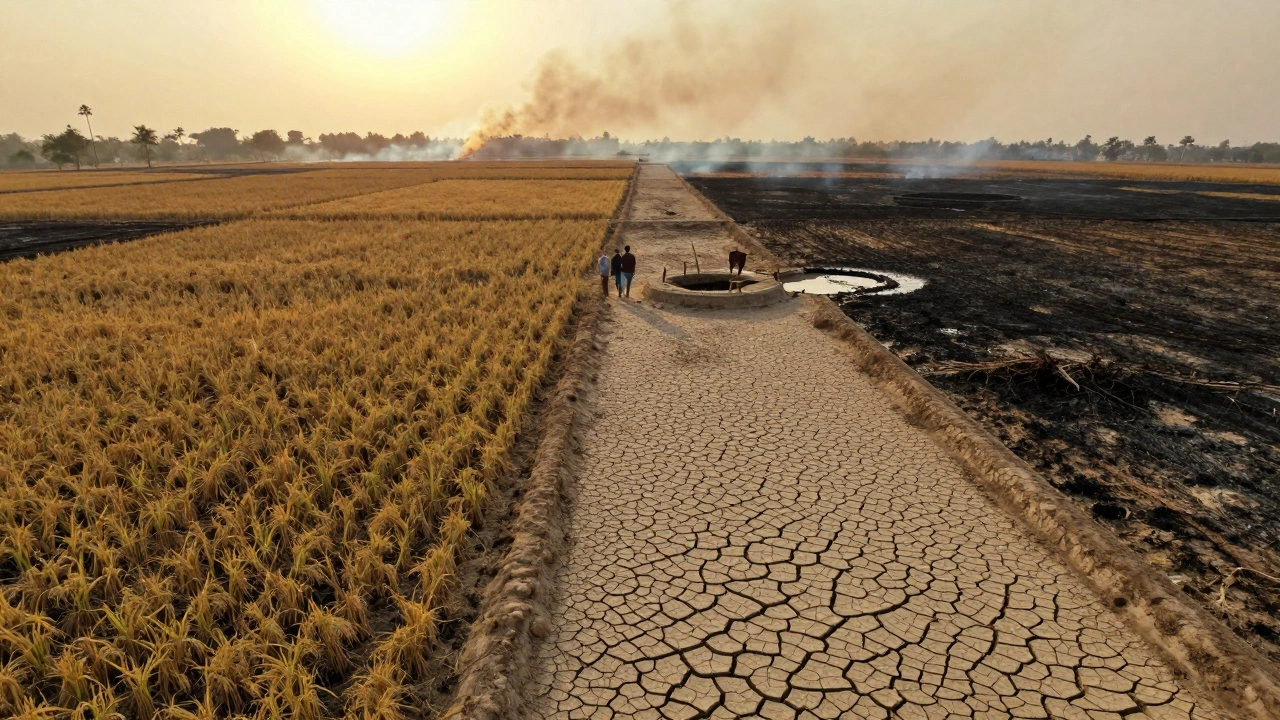
In sub-Saharan Africa, maize yields have dropped by 20% since the 1980s because of rising temperatures. In Southeast Asia, rice production is falling because saltwater is creeping into farmland from rising seas. When crops fail, people go hungry. When water runs out, families move. When food becomes too expensive, children go to school without lunch. These aren’t abstract problems. They’re daily realities for hundreds of millions.
Even the air we breathe is changing. Wildfires release more carbon dioxide and soot than ever before. That smoke doesn’t just darken the sky - it gets into our lungs. In New Zealand, where I live, we’ve seen smoke from Canadian wildfires drift across the Pacific and turn our skies orange. People with asthma couldn’t go outside. Schools closed. That’s not a one-off. It’s a pattern.
Why No One Talks About It Like a Crisis
Why isn’t this the number one issue on every politician’s agenda? Because it doesn’t look like a crisis - not the way a war or a terrorist attack does. There’s no explosion. No immediate body count. It creeps in. It lingers. It makes people sick over decades, not days.
And it’s not just invisible - it’s uneven. The people who suffer the most are the ones who did the least to cause it. A family in Bangladesh doesn’t drive a car. They don’t fly planes. They don’t own a factory. But they’re the ones losing their homes to rising seas. A child in Chad doesn’t burn fossil fuels. But they’re the ones walking miles for clean water because their well dried up.
Meanwhile, the richest 10% of the world’s population produces nearly half of all carbon emissions. The poorest 50% produce just 10%. That’s not just unfair. It’s deadly.
It’s Not Too Late - But Time Is Running Out
Here’s the hard truth: we’ve already warmed the planet by 1.3°C since the 1800s. The Paris Agreement said we should limit it to 1.5°C. We’re almost there. And once we cross that line, the damage becomes irreversible. Ice sheets collapse. Coral reefs die. Entire ecosystems vanish.
But we’re not out of time. Not yet. The technology to fix this exists. Solar panels are cheaper than coal in almost every country. Electric cars are now more affordable than gas ones. Wind power is the cheapest form of new electricity in history. We know how to do this.
What we’re missing isn’t science. It’s political will. It’s public pressure. It’s the belief that we can actually change things.
What Can You Do?
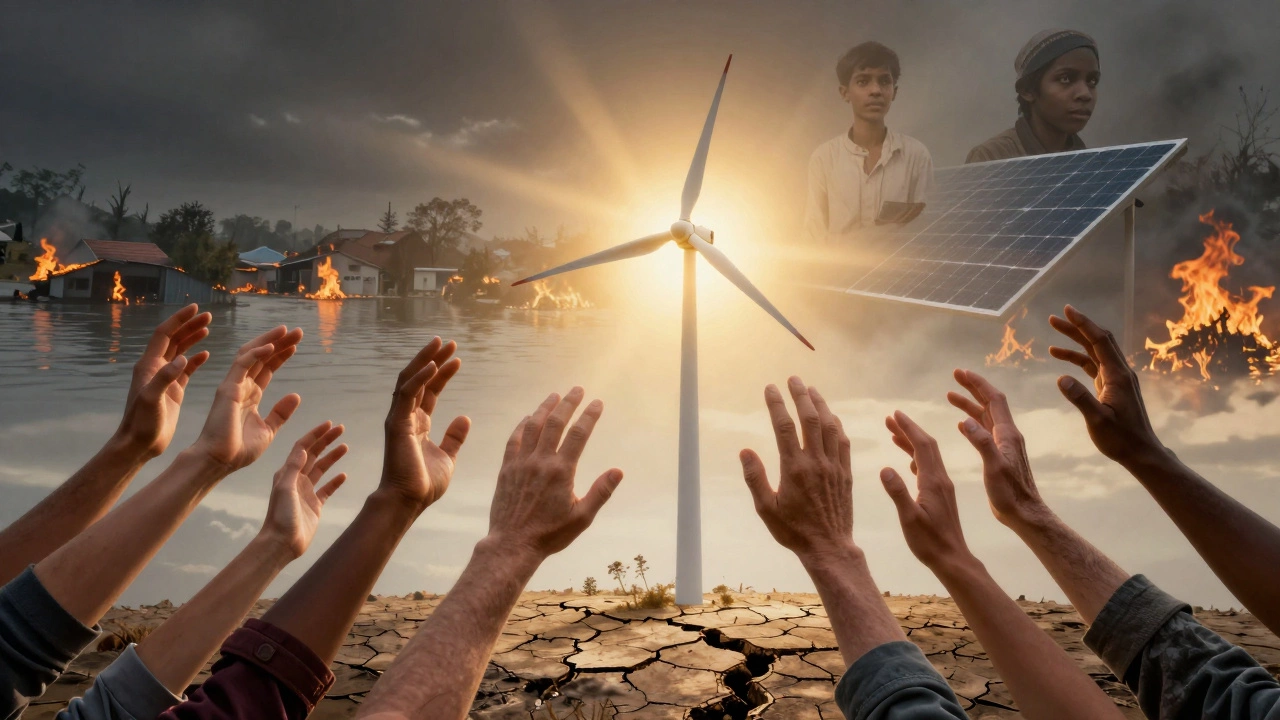
It’s easy to feel powerless. But your choices add up. If you drive less, eat less meat, and cut out single-use plastics, you’re reducing demand. If you vote for leaders who prioritize climate action - not just talk about it - you’re changing policy. If you support local environmental groups pushing for clean energy, you’re helping build momentum.
One person won’t stop climate change. But 10,000 people? 100,000? That’s how movements start. Look at what happened in New Zealand. In 2022, public pressure led to a ban on new offshore oil and gas exploration. It wasn’t a law passed in a boardroom. It was a movement.
The Real Threat Isn’t the Future - It’s Inaction
The deadliest threat to humans isn’t the rising temperatures. It’s our refusal to act like this is an emergency. We treat climate change like a future problem. But it’s here. It’s now. And every day we wait, the cost goes up - in lives, in money, in suffering.
We’ve survived plagues, wars, and economic collapses. We can survive this too. But only if we stop pretending it’s someone else’s problem. It’s yours. It’s mine. It’s everyone’s.
The question isn’t whether we can fix it. The question is: will we?
Is climate change really the deadliest threat to humans?
Yes. While war, disease, and accidents kill people quickly, climate change kills more over time. The World Health Organization estimates climate change causes over 5 million deaths annually - mostly from air pollution, heat stress, and food insecurity. That’s more than malaria, HIV, and war combined. It’s also accelerating other threats, like disease spread and conflict over resources.
How does climate change affect people in developed countries like New Zealand?
Even in places like New Zealand, climate change is causing real harm. Rising sea levels threaten coastal towns. Wildfires are becoming more common, with smoke from overseas fires affecting air quality. Heatwaves are increasing, putting pressure on health systems. Agriculture is struggling with droughts and shifting seasons. These aren’t distant problems - they’re happening now, and they’re getting worse.
Why is air pollution linked to climate change?
Air pollution and climate change come from the same sources: burning fossil fuels. Cars, power plants, factories - they release both greenhouse gases like CO2 and harmful pollutants like PM2.5 (tiny particles that get into your lungs). Reducing fossil fuel use cuts both. That’s why cleaner energy doesn’t just help the climate - it saves lives today.
Can individual actions really make a difference?
Individual actions alone won’t stop climate change, but they’re part of a bigger system. When enough people choose electric cars, plant-based diets, or renewable energy, markets shift. Companies respond. Politicians follow. The ban on offshore oil drilling in New Zealand happened because thousands of people spoke up. Your voice matters - especially when it’s joined by others.
What’s the biggest barrier to solving climate change?
The biggest barrier isn’t technology or money - it’s denial. Denial that it’s happening. Denial that it’s human-caused. Denial that we can fix it. We have the tools. We have the science. What we lack is the collective will to act like our lives depend on it - because they do.