After-School Club Matchmaker
Discover which after-school club is perfect for your child based on their interests and personality. Simply answer 5 quick questions to get personalized recommendations.
What does your child enjoy doing most after school?
How does your child like to interact with others?
What kind of environment does your child thrive in?
What skill would your child most benefit from developing?
How much time does your child have available after school?
Your Match:
This club is perfect because:
After school doesn’t have to mean homework, screen time, and boredom. For many kids, the hours between 3 p.m. and 6 p.m. are wide open-and that’s where the real magic happens. A fun routine after school isn’t just about killing time. It’s about building confidence, making friends, discovering passions, and learning skills that stick long after the bell rings.
Why After-School Clubs Matter More Than You Think
Think of after-school clubs as the secret sauce in a child’s development. They’re not extra credit. They’re essential. Kids who join clubs after school are 30% more likely to report feeling connected to their school, according to a 2023 study by the New Zealand Ministry of Education. That connection? It reduces anxiety, improves attendance, and even boosts grades in unexpected ways.
But here’s the thing: not every club is the same. A robotics team isn’t the same as a gardening group. A drama club doesn’t feel like a skateboarding circle. The best routine after school matches a kid’s natural energy-not what a parent assumes they should be doing.
10 Fun After-School Clubs That Actually Stick
Let’s cut through the fluff. These aren’t just activities. These are experiences that turn kids into curious, capable, and confident people.
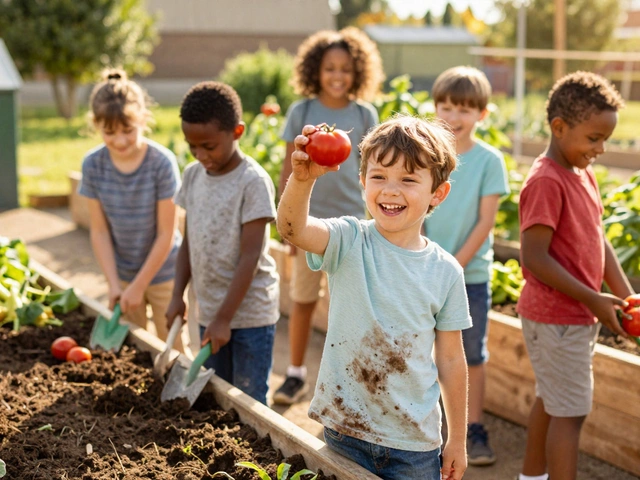
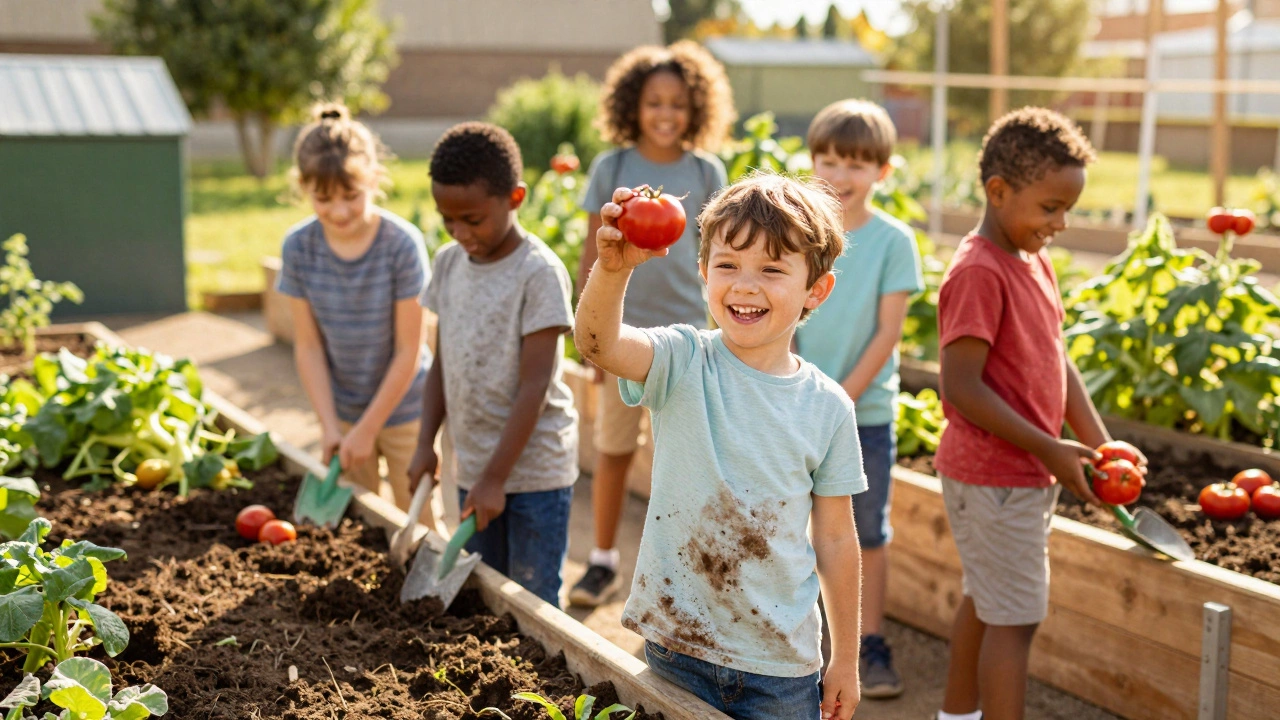
- Urban Gardening Club - Kids plant vegetables in raised beds at school or local community gardens. They learn composting, watering schedules, and how to harvest their own food. At Te Kura o Te Aroha Primary in Wellington, students grew enough kale and tomatoes last year to supply the school canteen for two weeks.
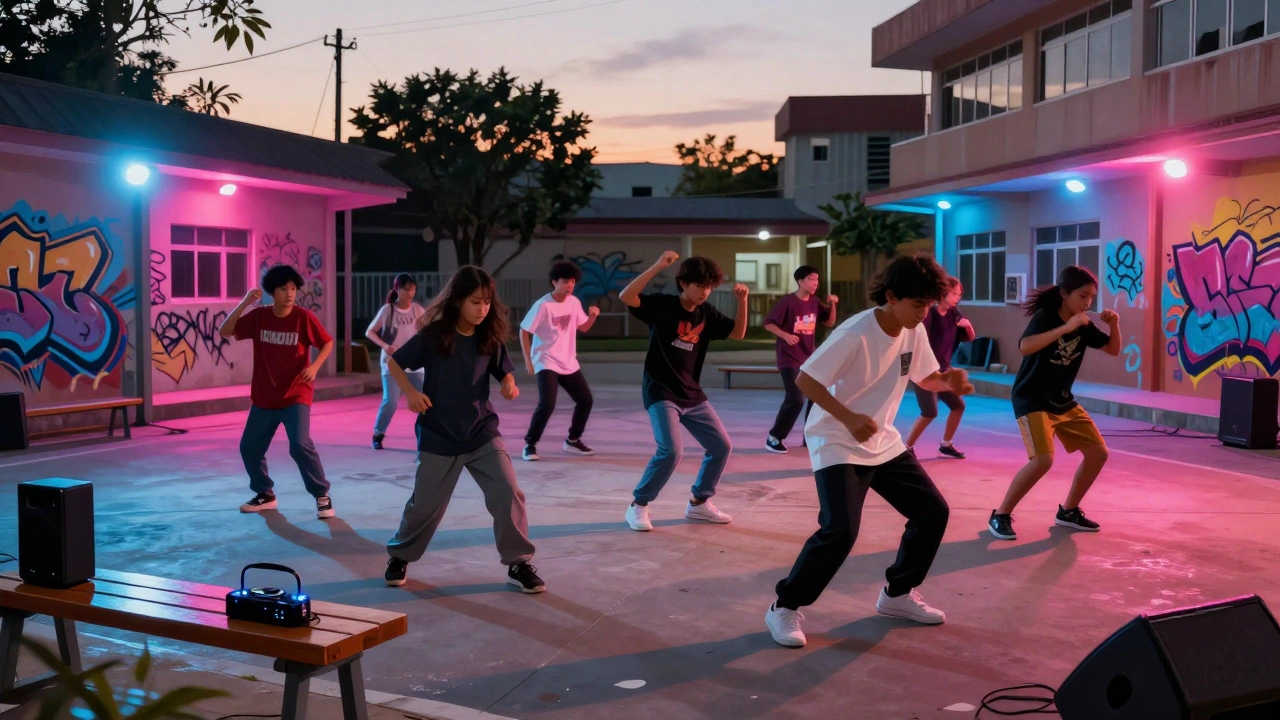
- Street Dance Crew - No dance studio required. Just a courtyard, a Bluetooth speaker, and a group of kids who want to move. Styles vary: hip-hop, popping, or even traditional Māori haka fusion. It’s physical, expressive, and totally social.
- DIY Science Lab - Forget worksheets. This club uses kitchen ingredients to make slime, launch baking soda rockets, and build simple circuits. One 10-year-old built a working water filter from sand and charcoal. She brought it home and convinced her family to stop buying bottled water.
- Storytelling and Podcasting - Kids record short audio stories, interviews with grandparents, or even fictional adventures. They learn mic technique, editing, and how to hold an audience. One group’s podcast on "Why Kiwis Are Weird" got 5,000 downloads in three months.
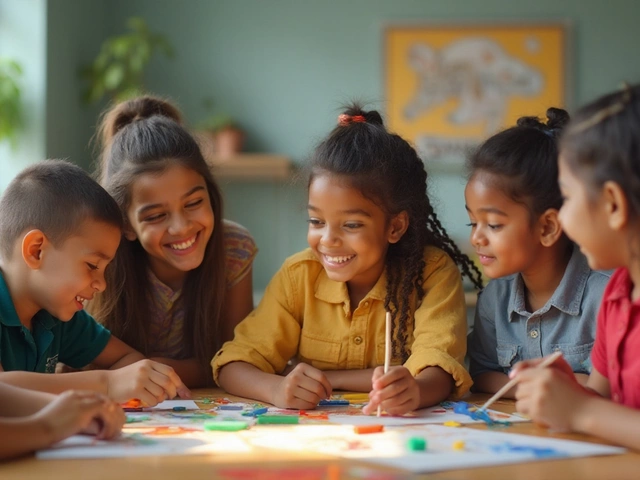
- Board Game Design - Instead of just playing Monopoly, kids invent their own games. They write rules, draw boards, test them with friends, and tweak until it works. Last year, a 9-year-old from Christchurch created "Taniwha Treasure Hunt"-now sold at three local toy shops.
- Animal Care Squad - Partnering with local shelters, kids help walk dogs, clean cages, and learn basic pet first aid. It’s not cute. It’s responsibility. One boy who used to hate chores now wakes up early to feed his adopted rabbit.
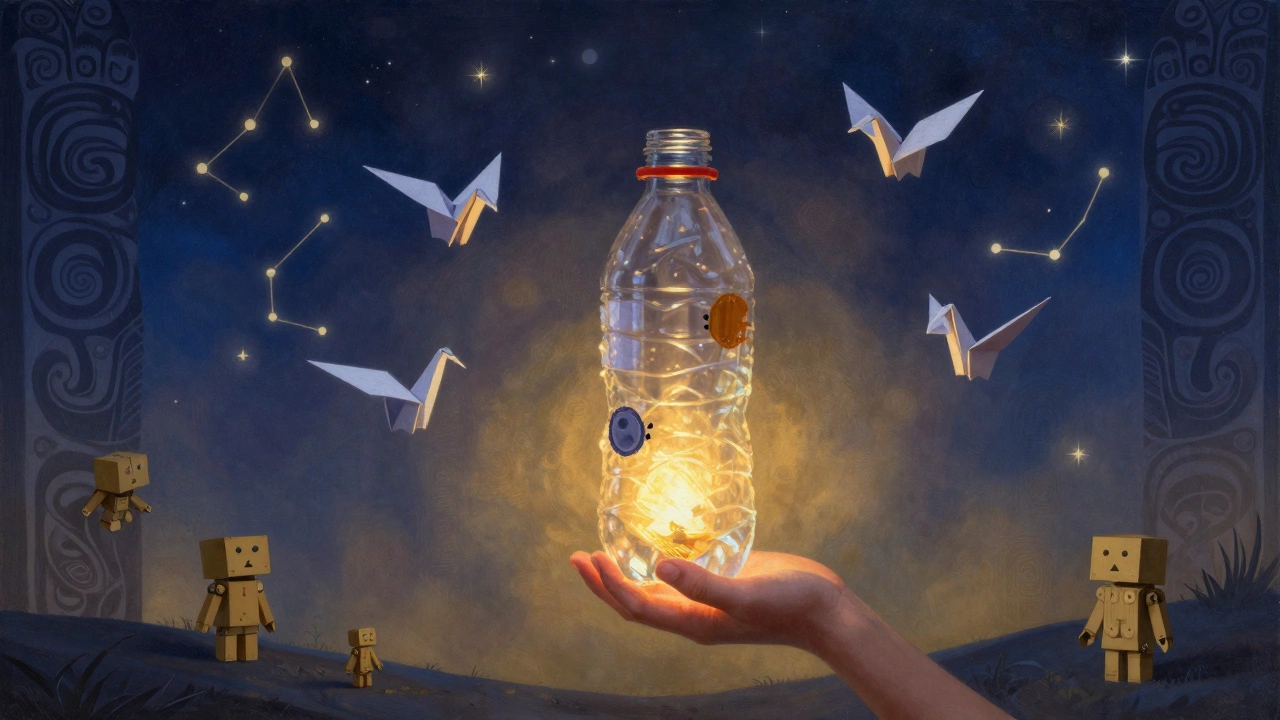
- Recycled Art Studio - Cardboard boxes become robots. Plastic bottles turn into lanterns. Old t-shirts become tote bags. This club teaches creativity without waste. At Wellington’s Kowhai School, they turned 200 plastic bottles into a giant octopus sculpture for the local library.
- Junior Cooks Club - Real food. Real knives. Real recipes. Kids learn to make pasta from scratch, bake bread, and pack healthy lunches. No microwave meals. No pre-packaged snacks. Just hands-on cooking that builds life skills-and better eating habits.
- Trail and Nature Explorers - After-school hikes, bug hunts, birdwatching, and weather journaling. In the hills behind Porirua, a group of 12-year-olds mapped 17 native plant species and presented their findings to the city council.
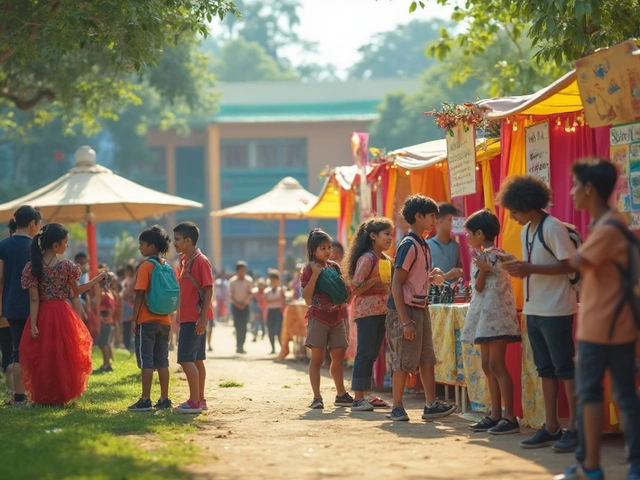
- Community Mural Team - Kids paint walls with permission from local businesses or schools. Murals celebrate culture, history, or just pure color. One team painted a 15-meter wall in Lower Hutt with scenes from Māori legends. Now it’s a local landmark.
What Makes a Club "Fun"? It’s Not the Activity-It’s the Freedom
Here’s the secret most adults miss: kids don’t join clubs because they’re "educational." They join because they feel free. Free to be loud. Free to fail. Free to be weird. A good after-school club doesn’t have strict rules. It has boundaries that keep everyone safe-and space to explore within them.
Think about it: if every session feels like another class, kids will tune out. But if they get to choose the project, pick the music, or decide who leads the group? That’s when magic happens.
One teacher in Napier lets kids vote each week on what the club does next. One week: build a cardboard fort. Next week: write a play about a talking kiwi. No grades. No report cards. Just joy.
How to Start a Club (Even If You’re Not a Teacher)
You don’t need a degree to start something meaningful. You just need a space, a few kids, and the courage to say, "Let’s try this."
- Find a quiet corner-school hall, community center, even a garage.
- Ask 3-5 kids what they’d love to do after school. Write it down.
- Start small. One hour a week. No fancy supplies needed.
- Let the kids lead. If they want to make a video game, help them find free tools like Scratch. If they want to train for a 5K, map a safe route.
- Ask local businesses for donations. A bakery might give stale bread for compost. A hardware store might donate paint.
At a small school in Invercargill, a mum started a knitting club with five balls of yarn she bought on sale. Now it’s a weekly group of 20 kids making hats for homeless shelters.
What to Avoid
Not every after-school activity is worth it. Watch out for these red flags:
- Too much structure - If every session follows a rigid lesson plan, kids lose interest fast.
- Adult-led dominance - If the teacher talks more than the kids, it’s not a club. It’s a lecture.
- Cost barriers - If it requires expensive gear or fees, it won’t last. Keep it low-cost or free.
- Performance pressure - No recitals. No trophies. No rankings. Fun isn’t a competition.
Real Impact, Real Stories
A girl in Hamilton joined the podcasting club because she was shy. A year later, she gave a 10-minute talk at the local library about mental health for teens. No script. Just her voice.
A boy in Tauranga hated sports. He joined the recycled art club and ended up designing a wind-powered sculpture that won a national youth innovation award.
These aren’t outliers. They’re what happens when kids are given space to be themselves after school.
Final Thought: The Best Routine Is the One They Ask For
Don’t pick a club for your child. Ask them. Then listen. Really listen.
Maybe they want to learn how to fix bikes. Maybe they want to write poetry in the park. Maybe they just want to sit with a friend and draw dragons.
The goal isn’t to make them into prodigies. It’s to make them feel like they belong somewhere-after the bell rings, when the lights are still on, and the world feels wide open.