
Ecosystem Factor Classifier
Explore the difference between living (biotic) and non-living (abiotic) elements of an ecosystem. Click on cards to learn more, then take the quiz to test your understanding.
Biotic Factors
Living or once-living components.
- 🌳 Trees & Plants
- 🐕 Animals
- 🍄 Fungi & Bacteria
- 🍂 Dead Organic Matter
Abiotic Factors
Non-living physical/chemical elements.
- ☀️ Sunlight
- 💧 Water
- 🌡️ Temperature
- 🪨 Soil & Rocks
Quick Challenge: Biotic or Abiotic?
Select the correct classification for each item.
Quiz Complete!
You walk outside, take a deep breath, and look around. What do you see? Trees swaying in the wind, a dog chasing a squirrel, sunlight hitting the pavement, maybe some rain clouds gathering overhead. It feels like one big messy mix, but scientists have a neat way of sorting it all out. They split everything in our environment into just two main buckets: biotic factors, which are the living or once-living parts, and abiotic factors, the non-living physical and chemical elements that shape how life survives. That’s it. Two groups. Everything else is just detail.
This distinction isn’t just academic trivia for biology students. Understanding these two groups helps you grasp why your garden dies when it doesn’t rain (abiotic) or why weeds take over if you don’t pull them (biotic). It explains climate change impacts, pollution effects, and even how urban planning works. If you’re trying to understand how ecosystems function-or why they break down-you need to know what’s alive and what’s not. Let’s break down exactly what falls into each category and why the line between them matters more than you think.
The Living Side: Biotic Factors
Biotic factors are anything that is alive, was alive, or comes from something that was alive. This includes animals, plants, fungi, bacteria, and even dead leaves on the forest floor because they were once part of a living tree. The key identifier here is biological origin. If it grew, reproduced, responded to stimuli, or metabolized energy at some point, it’s biotic.
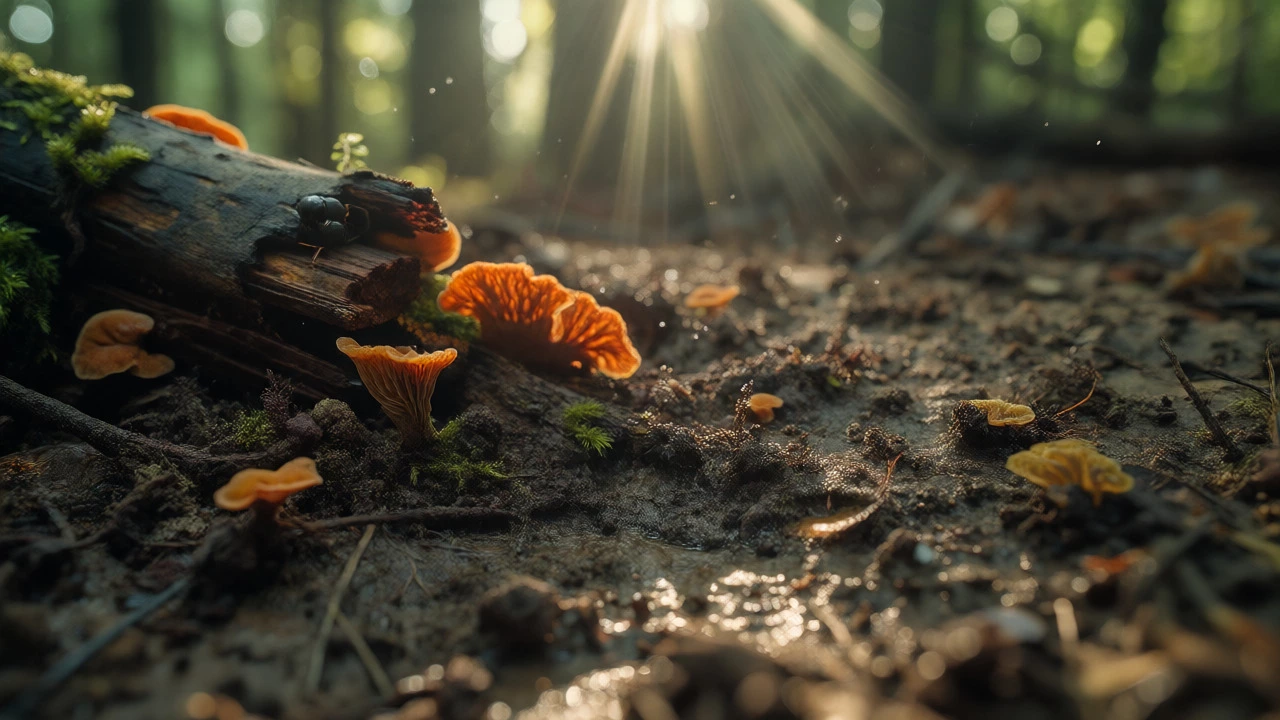
Think about a local park. The oak trees providing shade, the earthworms aerating the soil, the birds nesting in branches, and the microscopic bacteria breaking down waste-these are all biotic components. They interact with each other constantly. A predator eats prey. A plant competes with another plant for sunlight. Fungi decompose fallen logs. These interactions form food webs and ecological relationships that keep the system balanced.
It’s important to note that "living" in this context includes dormant states too. Seeds waiting to sprout are biotic. Spores floating in the air are biotic. Even viruses, though debated by some biologists regarding their status as fully "alive," are generally categorized under biotic influences because they require living hosts to replicate and directly impact host health. When we talk about biodiversity, we’re talking about the variety within this biotic group. High biodiversity usually means a more resilient ecosystem because there are more players to fill different roles if one species struggles.
The Non-Living Side: Abiotic Factors
Abiotic factors are the non-living parts of an ecosystem that influence living organisms. These include physical conditions like temperature, light, water, humidity, and atmospheric pressure, as well as chemical substances like oxygen, carbon dioxide, nitrogen, and minerals in the soil. Unlike biotic factors, abiotic factors never had life. They don’t grow or reproduce. But they dictate who can live where.
Consider why cacti thrive in deserts while ferns prefer shady forests. It’s not just about preference; it’s about abiotic constraints. Cacti handle high temperatures and low water availability (abiotic factors). Ferns need consistent moisture and lower light levels. If you move a fern to a desert, it dies-not because the sand attacked it, but because the abiotic conditions didn’t support its survival mechanisms.
Common abiotic factors include:
- Sunlight: Provides energy for photosynthesis. Duration and intensity affect plant growth cycles.
- Temperature: Influences metabolic rates. Extreme heat or cold can kill organisms or force migration.
- Water: Essential for all known life. Availability determines habitat types (aquatic, terrestrial, arid).
- Soil Composition: pH levels, mineral content, and texture affect which plants can anchor and feed.
- Air Quality: Oxygen levels for respiration and pollutants that can harm both plants and animals.
These factors aren’t static. They change seasonally and daily. A river might freeze in winter (temperature abiotic factor), changing the available habitat for fish. A drought reduces water availability, stressing every biotic component in the area. Abiotic factors set the stage; biotic factors perform the play.
| Feature | Biotic Factors | Abiotic Factors |
|---|---|---|
| Definition | Living or once-living components | Non-living physical and chemical components |
| Examples | Plants, animals, fungi, bacteria, dead organic matter | Sunlight, water, temperature, soil, air, rocks |
| Role in Ecosystem | Producers, consumers, decomposers; drive nutrient cycling | Provide energy sources, habitat structure, and limiting resources |
| Response to Change | Adapt, migrate, evolve, or die off | Change due to natural cycles or human intervention |
| Interdependence | Depend on abiotic factors for survival | Influenced by biotic activity (e.g., CO2 levels affected by respiration) |
Why the Line Blurs: Interactions Matter More Than Labels
Here’s where it gets interesting. While we separate them for study, biotic and abiotic factors are deeply intertwined. You can’t really isolate one without affecting the other. Take carbon dioxide. It’s an abiotic gas in the atmosphere. Plants (biotic) absorb it during photosynthesis. Animals exhale it back out. Human industry pumps more of it into the air, changing the abiotic balance, which then alters global temperatures, forcing biotic communities to shift ranges or go extinct.
Another example: Soil. Technically, soil is often considered abiotic because it contains minerals and rock particles. But healthy soil is teeming with life-bacteria, fungi, insects, roots. Is it biotic or abiotic? Scientists often treat soil as a complex interface where both meet. The mineral base is abiotic; the organic humus layer is biotic-derived. Together, they create a medium that supports plant life. Ignoring either side leads to poor agricultural practices. If you only focus on adding fertilizer (chemical/abiotic) and ignore soil health (biotic microbiome), crops may fail long-term.
Human activities blur these lines further. Plastic pollution is technically derived from petroleum (once-biotic fossil fuels), but modern plastic behaves largely as an inert abiotic pollutant until microbes start breaking it down. Climate change is driven by biotic activity (human consumption) altering abiotic systems (atmosphere). Recognizing these feedback loops is crucial for environmental advocacy. We aren’t just protecting "animals" or "trees"; we’re maintaining the functional relationship between living beings and their physical world.
How Environmental Groups Use This Framework
If you’re involved in community outreach or volunteering, understanding this binary helps you target efforts effectively. Environmental groups often categorize their projects based on whether they address biotic or abiotic issues.
For instance, a reforestation project targets biotic factors-planting trees to restore habitat. But success depends on abiotic factors: choosing species suited to local rainfall patterns and soil pH. If you plant tropical saplings in a temperate zone, they’ll die regardless of care because the abiotic conditions don’t match. Conversely, cleaning up a polluted river addresses abiotic factors (removing chemicals and trash) to allow biotic recovery (fish returning, algae balancing).
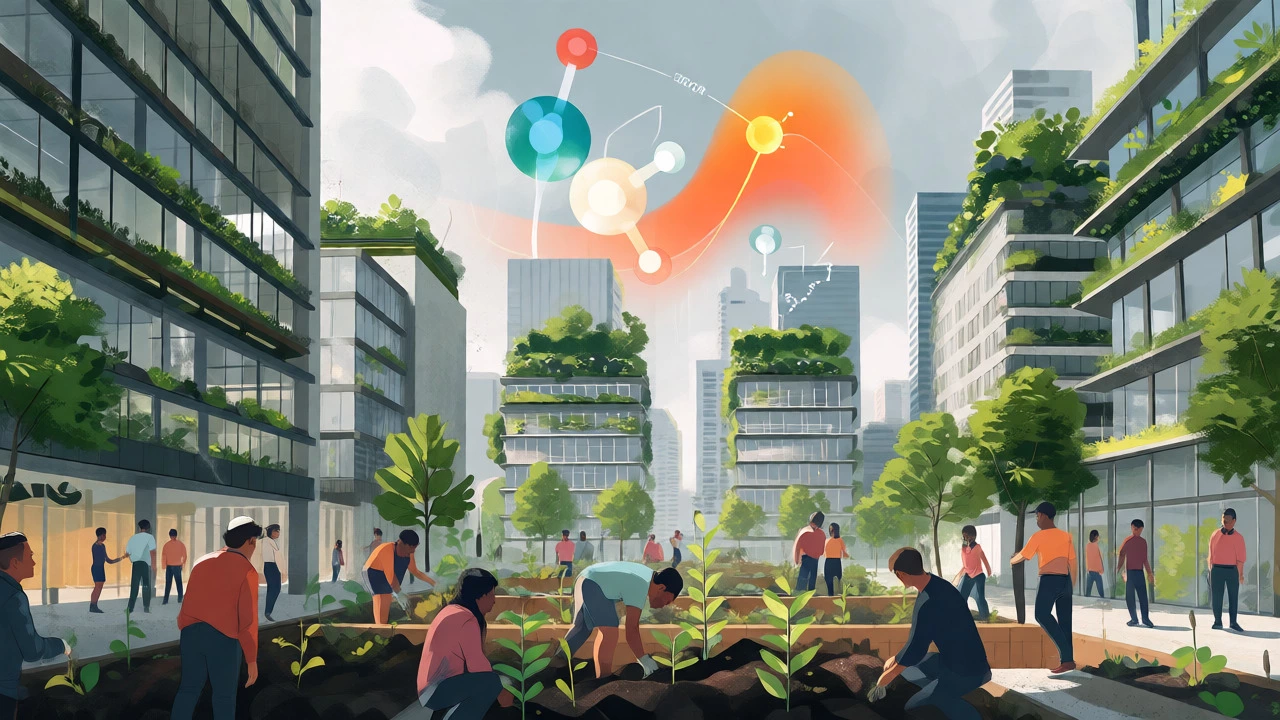
Urban planners also use this lens. Green roofs add biotic layers to cities, helping manage abiotic issues like stormwater runoff and heat islands. By introducing vegetation (biotic), cities mitigate extreme temperatures and flooding risks (abiotic challenges). Knowing which lever you’re pulling helps communicate value to stakeholders. Donors want to hear about saving bees (biotic), but they also care about cooler neighborhoods and cleaner air (abiotic benefits).
Practical Tips for Observing Your Local Environment
You don’t need a lab coat to apply this knowledge. Next time you’re outside, try this simple audit:
- Identify Three Biotic Elements: Look for a producer (grass/tree), a consumer (bird/insect), and a decomposer (fungus/bacteria). Note how they interact.
- Identify Three Abiotic Constraints: What limits those organisms? Is it lack of water? Too much shade? Cold wind? Write down the specific condition.
- Spot the Connection: How does the abiotic factor control the biotic element? Example: "The north-facing wall stays cold (abiotic), so moss grows there (biotic) instead of sun-loving grass."
This exercise reveals the hidden architecture of your surroundings. It turns a random patch of dirt into a functioning system. For educators and parents, teaching kids this distinction builds early scientific literacy. It moves them from "nature is pretty" to "nature is logical."
Key Takeaways
- Two Main Groups: All environmental components fall into biotic (living/once-living) or abiotic (non-living physical/chemical).
- Biotic Factors: Include plants, animals, microbes, and organic matter; they drive ecological interactions like predation and decomposition.
- Abiotic Factors: Include sunlight, temperature, water, soil, and air; they determine which organisms can survive in a given area.
- Interdependence: Neither group exists in isolation; changes in abiotic conditions directly impact biotic populations and vice versa.
- Application: Effective environmental work requires addressing both sides-restoring habitats (biotic) while managing pollution and climate variables (abiotic).
Is dead wood biotic or abiotic?
Dead wood is classified as biotic. Although it is no longer alive, it originated from a living organism (a tree) and plays a critical role in nutrient cycling by being broken down by decomposers. Its presence affects the soil chemistry and provides habitat, linking it firmly to biological processes.
Can humans be considered an abiotic factor?
No, humans are biotic factors because they are living organisms. However, human-made structures like buildings, roads, and dams are often treated as abiotic components of the built environment because they are non-living materials that alter physical conditions like drainage and temperature.
Why is water considered abiotic if it supports life?
Water is a chemical compound (H2O) and lacks the characteristics of life such as cellular structure, metabolism, and reproduction on its own. Therefore, it is abiotic. Its importance lies in its ability to dissolve nutrients and regulate temperature, making it a critical abiotic resource for biotic entities.
Do viruses count as biotic factors?
Generally, yes. While viruses sit on the edge of life definitions, they contain genetic material and evolve through natural selection. In ecological studies, they are typically grouped with biotic factors because they infect living hosts and significantly influence population dynamics and disease spread.
How does climate change fit into these groups?
Climate change involves both groups. Rising temperatures and shifting precipitation patterns are abiotic changes. These shifts are largely driven by increased greenhouse gases from human industrial activity (biotic/human-driven). The result is a stressor on biotic communities, causing migration, extinction, or adaptation.