Ecological Organization Matcher
Not sure where to donate or volunteer? Answer these questions to find the organization type that matches your impact style.
You’ve probably heard terms like "NGO," "activist group," or "conservation trust" thrown around when people talk about saving the planet. But if you stop and think about it, not all these groups do the same thing. Some buy land to protect it forever. Others spend their time suing governments over pollution laws. Still others focus on teaching kids how to compost. If you’re trying to figure out where your time or money should go, understanding the types of ecological organizations is the first step. It’s not just semantics; it changes how they operate, who they answer to, and what impact they actually make.
Why Categorization Matters for Your Impact
Before we list them, let’s get real about why this matters. Imagine you want to help save local wetlands in Wellington. You might donate to a massive international charity that focuses on global carbon offsets. That’s great, but your local wetland might still be drained for housing because no one was fighting the specific zoning permit. Or maybe you volunteer with a small community garden group. They plant native trees, which is lovely, but they don’t have the legal muscle to stop a factory from dumping waste nearby. Knowing the type helps you match your resources-whether that’s cash, skills, or sheer anger-to the right vehicle.
The Conservation Trust: Buying and Holding Land
Conservation Trusts are arguably the most tangible type of ecological organization. Their core model is simple: raise money, buy land, and protect it from development. Unlike charities that rely on donations to fund projects, trusts often hold assets. In New Zealand, for example, the Queen Elizabeth II National Trust works with landowners to place covenants on private land, ensuring it stays wild even if the owner sells it. This isn't just about fencing off a park; it's about creating permanent legal protections that survive generations.
These groups are often highly professionalized. They employ ecologists to assess biodiversity value and lawyers to draft complex agreements. If you care about long-term security for a specific ecosystem, this is your lane. The downside? It’s expensive. Buying land costs millions, so these organizations need deep pockets or government partnerships to scale.
The Advocacy NGO: Changing Laws and Policy
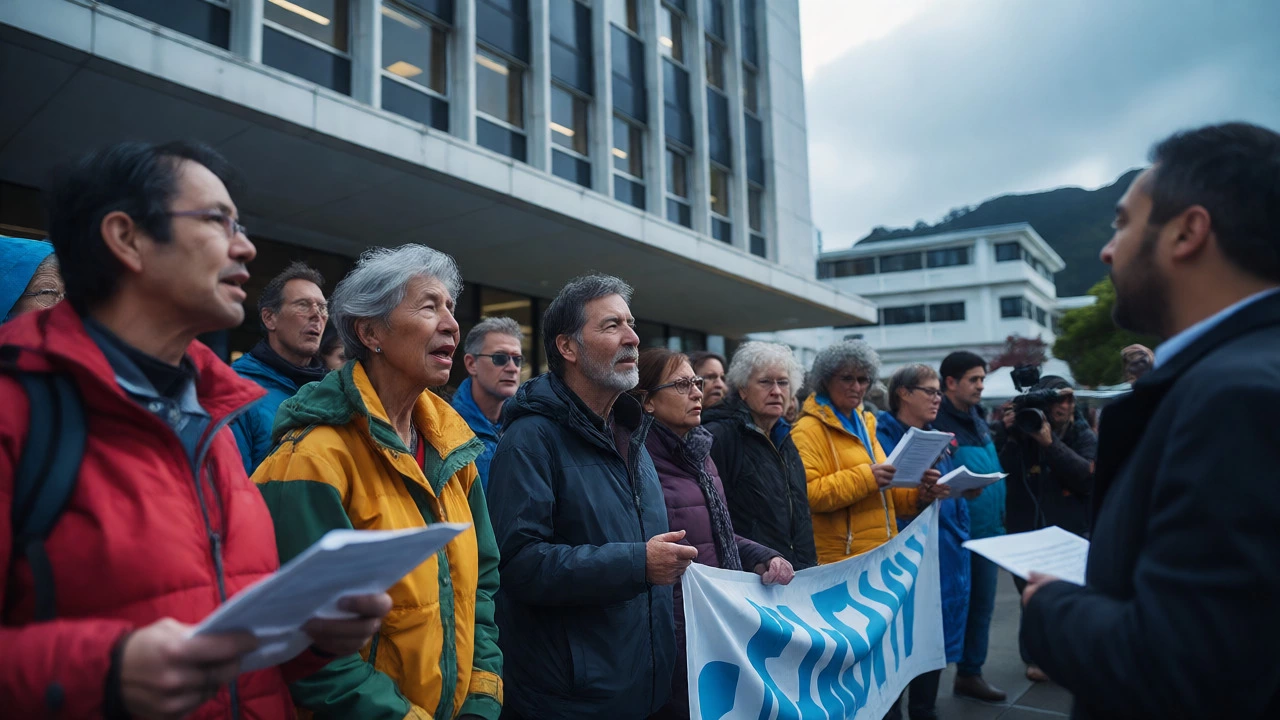
If conservation trusts buy land, Advocacy NGOs fight for rules. Think of groups like the Greenpeace or the World Wildlife Fund (WWF). While WWF does some direct conservation, its primary engine is policy influence. These organizations lobby governments, submit submissions to resource consent hearings, and run public campaigns to shift political will. They don’t usually own land. Instead, they own attention and legal expertise.
This type thrives on pressure. They publish reports exposing corporate malpractice or government failures. For instance, an advocacy group might campaign against a new coal mine by highlighting its carbon footprint and water usage. If you believe systemic change comes from top-down regulation, this is where you fit. However, success here is slow. Laws take years to pass, and political winds can shift overnight, rendering months of lobbying useless.
The Scientific Research Institute: Data as Defense
You can’t manage what you don’t measure. Scientific Research Institutes exist to generate the hard data that other organizations use to justify their actions. Universities often house these, but independent bodies like the Lincoln University Environmental Research Centre operate separately. Their output isn’t protest signs; it’s peer-reviewed papers, biodiversity counts, and climate models.
Why does this matter to you? Because without data, an advocacy group has no case, and a conservation trust doesn’t know which land is worth buying. These institutes track species decline rates, soil health metrics, and pollution levels. They are the backbone of evidence-based environmentalism. If you’re a numbers person or love digging into technical details, supporting research gives you the satisfaction of knowing the facts are solid. The catch? Research funding is notoriously competitive, and translating findings into public action can be a bottleneck.
The Community-Based Group: Local Action and Education
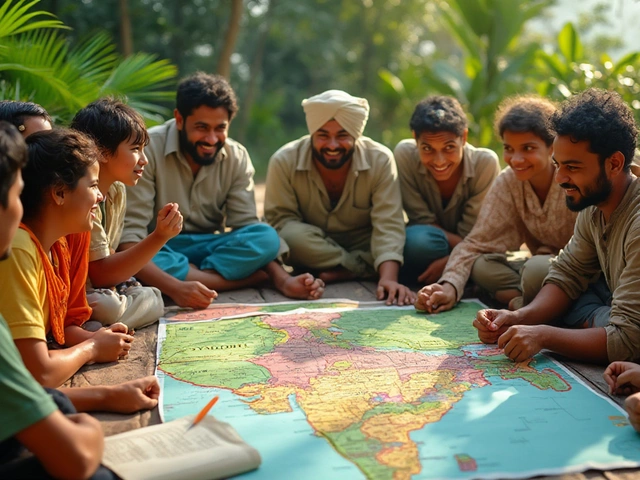
Not every ecological organization needs a headquarters in London or Geneva. Community-Based Organizations (CBOs) are grassroots efforts driven by locals. Think of a neighborhood group cleaning up a riverbank or a school running a recycling program. These groups are hyper-local, low-budget, and high-engagement. They focus on education and immediate physical improvements rather than policy or land acquisition.
In Wellington, you see this with groups organizing beach cleanups at Oriental Bay or planting natives in urban reserves. Their strength is accessibility. You can join them today with no special skills. They build social cohesion and raise awareness in ways big NGOs can’t. However, they often struggle with sustainability. Volunteers burn out, and funding is scarce. Yet, they create the cultural shift necessary for larger changes to stick.

The Corporate Sustainability Partner: Working Within the System
This is the controversial one. Corporate Sustainability Partnerships involve environmental groups working directly with businesses. Instead of protesting a company, they partner with it to improve practices. An example might be an eco-certification body helping a forestry company achieve sustainable timber standards. Critics call this "greenwashing," arguing it lets corporations off the hook too easily. Supporters argue it’s pragmatic-it gets results faster than waiting for legislation.
These organizations focus on market mechanisms, supply chain audits, and consumer labeling. If you’re skeptical of pure idealism and prefer practical, measurable outcomes within existing economic structures, this appeals to you. But tread carefully. The line between genuine partnership and marketing stunt can be blurry. Always check if the partnership leads to actual reduction in environmental impact or just better branding.
| Type | Primary Method | Timeframe for Impact | Best For... |
|---|---|---|---|
| Conservation Trust | Land acquisition & covenants | Decades/Centuries | Permanent habitat protection |
| Advocacy NGO | Lobbying & campaigns | Years | Policy change & awareness |
| Research Institute | Data collection & analysis | Ongoing | Evidence-based decisions |
| Community Group | Volunteering & education | Immediate | Local engagement & culture |
| Corporate Partner | Audits & certification | Medium-term | Industry-wide standards |
How to Choose Where to Invest Your Time
So, you’re ready to act. How do you pick? Start by asking yourself what kind of problem frustrates you most. Is it seeing a beautiful patch of bush bulldozed for apartments? Then look for a Conservation Trust or a local advocacy group fighting that specific consent. Are you angry at plastic pollution in oceans? An Advocacy NGO pushing for bans might be your best bet. Do you feel powerless because you don’t know what’s actually happening to bird populations? Support a Research Institute.
Also, consider your capacity. If you have limited funds but lots of weekends, a Community-Based Group offers immediate gratification and connection. If you have significant disposable income, donating to a Conservation Trust creates a legacy asset. There’s no "wrong" choice, but aligning your contribution with the organization’s method ensures you see the results you care about.
Pitfalls to Watch Out For
Be wary of vague mission statements. A good ecological organization states clearly whether it protects land, changes laws, or generates data. If they try to do everything, they often do nothing well. Also, check their transparency. Look for annual reports that break down spending. Does 90% go to programs, or does 50% go to fundraising salaries? High overhead isn’t always bad if it buys expert staff, but opacity is a red flag.
What is the difference between an NGO and a conservation trust?
An NGO (Non-Governmental Organization) typically focuses on advocacy, education, and policy influence without necessarily owning assets. A conservation trust specifically acquires and manages land or legal rights to land to ensure its protection. NGOs push for change; trusts secure space.
Are corporate sustainability partnerships effective?
They can be, but effectiveness varies. They work best when there is third-party verification and clear, measurable targets for reducing environmental impact. Without strict auditing, they risk becoming mere marketing tools (greenwashing).
Do I need scientific knowledge to support research institutes?
No. You can support them through donations, citizen science volunteering, or simply amplifying their findings. Their job is to translate complex data into actionable insights for policymakers and the public.
Which type of organization is best for beginners?
Community-Based Organizations are often the easiest entry point. They require less financial commitment, offer hands-on experience, and provide immediate visual results from your efforts, such as a cleaned-up park or planted trees.
Can one organization belong to multiple types?
Yes, many large organizations blend roles. For example, the World Wildlife Fund (WWF) engages in conservation (buying/managing land), advocacy (lobbying), and supports research. However, smaller groups usually specialize to maximize efficiency.