Daily Micro-Donation Impact Calculator
Calculate the total impact of your daily charitable contributions over a month, year, or longer period.
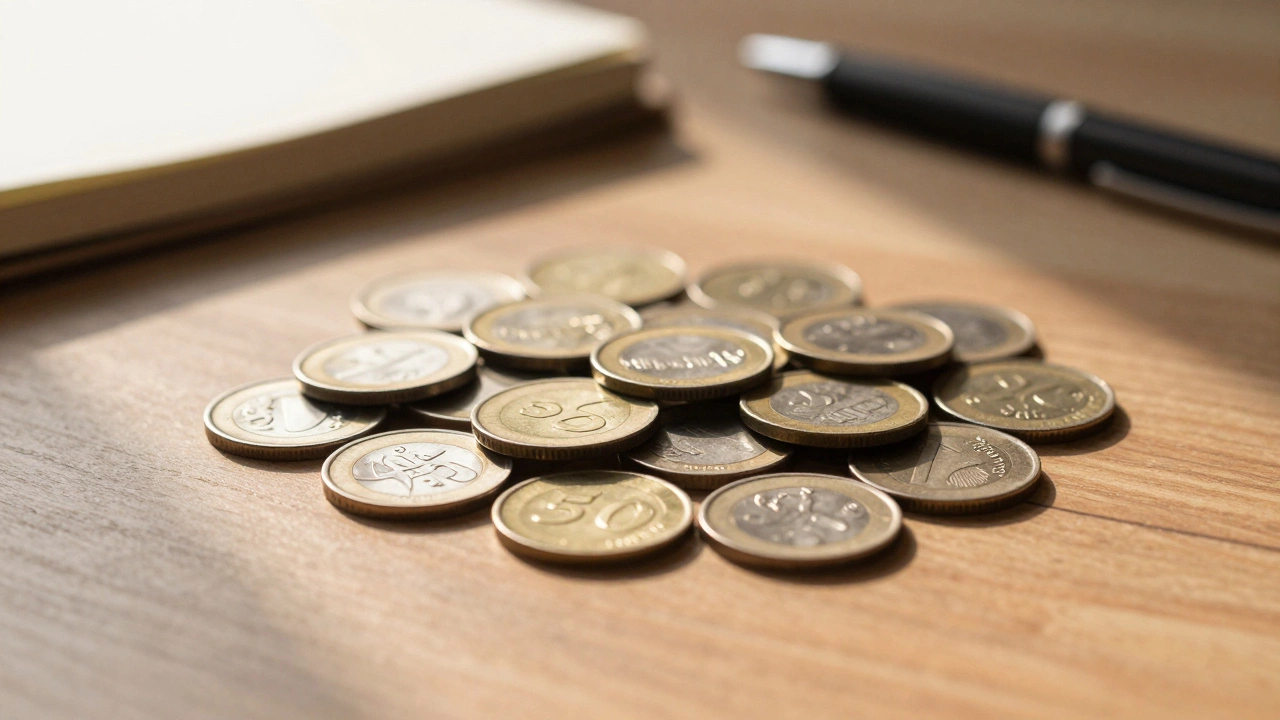
You might think that 63 cents is too small to matter. It’s less than the price of a single stick of gum. But when you stretch that tiny amount across thirty days, it adds up to something surprisingly useful. If you are wondering how much is 63 cents a day for a month, the answer is $18.90. That might not sound like a fortune, but in the world of charity events and community support, that specific sum can buy essential supplies, feed a family for a meal, or provide clean water for weeks.
We often dismiss small change because we’re conditioned to think about big checks and massive galas. However, consistent micro-donations create a reliable stream of income for non-profits. This article breaks down the math, explains what $18.90 actually buys in today’s economy, and shows why rounding up your coffee purchase could be more impactful than you think.
The Simple Math Behind Daily Micro-Donations
Let’s look at the numbers first. The calculation is straightforward multiplication. You take the daily amount ($0.63) and multiply it by the number of days in a month. Most months have either 30 or 31 days. February has 28 or 29. For planning purposes, charities usually use an average of 30.4 days per month, or they just pick a standard 30-day cycle for simplicity.
- 30-day month: $0.63 x 30 = $18.90
- 31-day month: $0.63 x 31 = $19.53
- February (non-leap): $0.63 x 28 = $17.64
So, generally speaking, you are looking at roughly $19 per month. Why does this specific number-63 cents-matter? It’s likely tied to a specific campaign goal or a rounded-up transaction fee waiver strategy. Many donation platforms encourage donors to add a few cents to cover processing fees, ensuring 100% of the principal goes to the cause. If you donate $5.00 and add 63 cents, you are covering the hidden costs of banking while keeping the core gift intact.
What Can $18.90 Actually Buy?
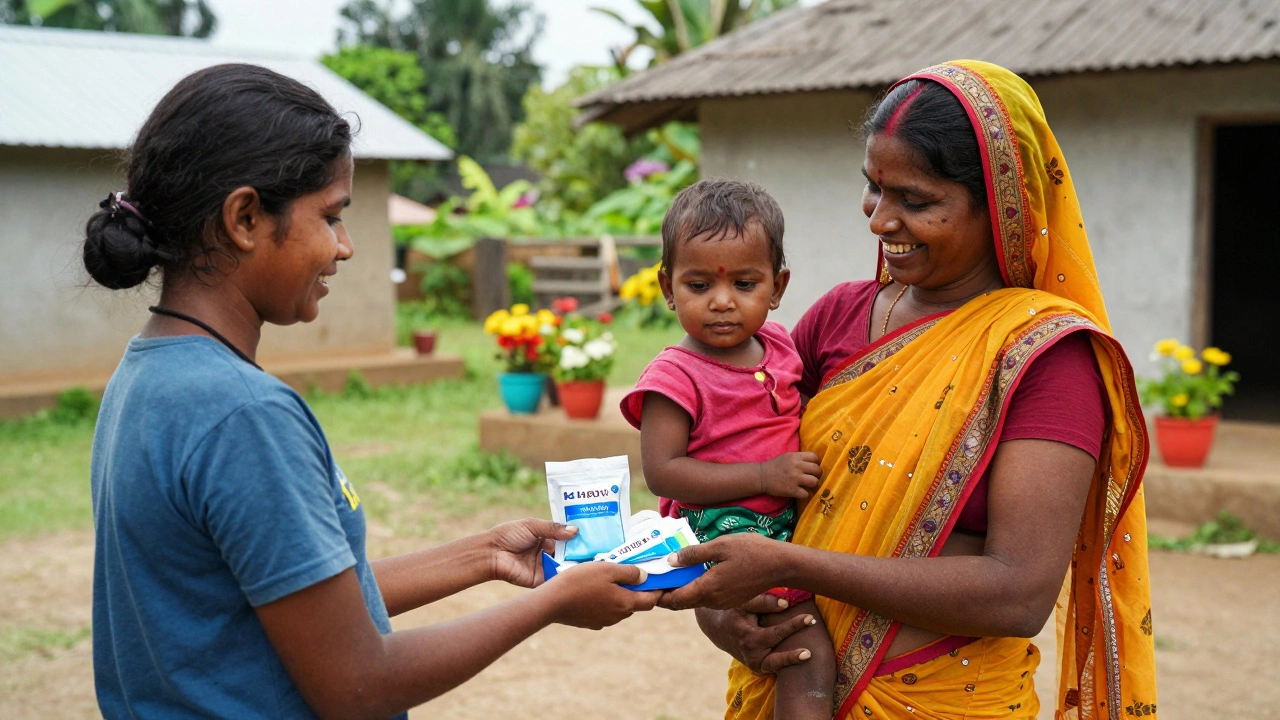
To understand the value, we need to move away from abstract dollars and look at concrete goods. In the context of charity events and direct aid, purchasing power varies by location and sector. Here is what $18.90 can achieve in different areas of social work:
| Sector | Item/Service | Estimated Cost | Beneficiary Impact |
|---|---|---|---|
| Hunger Relief | Nutritious Meals | $3.00 - $4.00 per meal | Feeds one person for 4-6 meals |
| Clean Water | Water Filtration Supplies | $18.00 - $20.00 | Provides safe water for a family for one month |
| Education | School Supplies | $15.00 - $20.00 | One student's notebooks, pens, and basic materials |
| Animal Welfare | Vaccinations & Food | $10.00 - $15.00 | Vaccinates two stray dogs against rabies |
| Homelessness | Hygiene Kits | $18.00 - $22.00 | Soap, toothbrush, toothpaste, and deodorant |
Notice that in almost every category, $18.90 covers a complete unit of service. It doesn’t buy half a meal or a quarter of a vaccine. It buys the whole thing. This completeness is vital for dignity. When a shelter provides a hygiene kit, it needs to be fully stocked. Your daily contribution ensures that kit isn’t missing soap because the budget ran short.
The Psychology of Small, Consistent Giving
Why do some campaigns focus on cents rather than dollars? It’s about behavioral economics. A concept called "pain of paying" suggests that large transactions feel heavier emotionally. Losing $20 in one go feels like a loss. Adding 63 cents to a daily habit feels negligible. Over time, however, these micro-transactions compound into significant funding streams.
Consider the "Round-Up" method used by many apps. Every time you buy a coffee for $4.37, you round up to $5.00. That 63-cent difference is donated automatically. You don’t feel the pinch because you didn’t actively part with cash; you simply adjusted a decimal point. For a charity, this creates predictable revenue. Predictability allows them to hire staff, rent space, and plan long-term projects rather than living hand-to-mouth waiting for annual galas.
Hidden Costs: Why Processing Fees Matter
A crucial detail in modern philanthropy is the cost of moving money. Credit card processors typically charge between 2.9% and 3.5% plus a fixed fee (often around $0.30) per transaction. If you donate $10.00, the charity might only receive $9.40 after fees. That $0.60 lost to fees is exactly where the 63-cent figure becomes strategic.
If a donor chooses to "cover the fees," they add an extra amount to their gift. For smaller donations, the fixed fee hurts the most. A $1 donation loses nearly 30% to fees if the fixed cost is high. By donating slightly more-say, adding those 63 cents-you ensure the full intended amount reaches the program. This is why many charitable trusts explicitly ask donors to cover transaction costs. It maximizes the efficiency of every dollar given.
Scaling Up: From Days to Years
While $18.90 a month is helpful, the real power lies in consistency over years. Let’s project the impact of 63 cents a day over a longer period:
- One Year: $0.63 x 365 = $230.55
- Five Years: $1,152.75
- Ten Years: $2,305.50
Over ten years, your daily habit generates over $2,300. That is enough to sponsor a child’s education for several years, fund a major medical procedure in a developing region, or restore a significant portion of local parkland. The key is automation. Set up a recurring donation or a round-up app, and forget about it. The impact happens in the background, steadily building a resource base for the organizations you care about.

Choosing the Right Cause for Micro-Donations
Not all charities are set up to handle thousands of tiny transactions efficiently. Some larger foundations have high overheads that absorb small gifts. To make your 63 cents count, look for organizations with low administrative costs and high transparency. Check resources like Charity Navigator or GuideStar to see how much of each dollar goes directly to programs versus administration.
Local community groups often benefit most from micro-donations because they lack the endowment of global giants. A local food bank in Wellington or a neighborhood youth center operates on tight margins. They rely on the community showing up, whether through volunteering or small financial contributions. When you give locally, you can often see the result directly. Did the new playground get built? Was the winter coat drive successful? The feedback loop is immediate and rewarding.
Practical Steps to Start Today
If you want to start contributing 63 cents a day, here is how to do it effectively:
- Pick One Cause: Don’t spread yourself too thin. Choose one organization that aligns with your values.
- Automate It: Use a payroll deduction, a bank transfer, or a donation app that rounds up purchases.
- Cover the Fees: If possible, add a small buffer to cover credit card processing fees so 100% of your principal helps the cause.
- Review Annually: Once a year, check if the organization is still meeting its goals. Adjust your giving if needed.
Small actions, repeated consistently, create massive change. You don’t need to be wealthy to make a difference. You just need to be consistent. That 63 cents a day is a vote for the kind of world you want to live in. Cast it wisely.
Is 63 cents a day really enough to make a difference?
Yes, when aggregated over time and combined with other donors' contributions, 63 cents a day totals nearly $19 a month. This amount can cover specific essentials like a week of meals for a homeless individual or school supplies for a student. The collective impact of many people giving small amounts is substantial.
How do I calculate my total annual donation if I give 63 cents daily?
Multiply 0.63 by 365 (the number of days in a year). This equals $230.55 per year. In a leap year, it would be $231.18. This simple formula helps you track your annual charitable giving for tax purposes or personal budgeting.
Why do some charities ask for specific cent amounts like 63 cents?
Specific cent amounts are often calculated to cover transaction processing fees. Credit card companies charge fixed fees per transaction. By asking for a precise amount above the base donation, charities ensure that the full intended gift reaches the program without being eroded by banking costs.
Can I deduct 63 cents a day from my taxes?
In many countries, including New Zealand and the US, charitable donations are tax-deductible if made to registered non-profit organizations. You should keep records of your automated payments. While the amount is small, it contributes to your total deductible gifts for the year. Consult a tax professional for specific advice in your jurisdiction.
What is the best way to automate a daily micro-donation?
The easiest method is using a "round-up" app linked to your debit or credit card. These apps automatically donate the spare change from each purchase to your chosen charity. Alternatively, you can set up a weekly automatic bank transfer of approximately $4.41 (which averages out to 63 cents a day) to avoid daily transaction hassles.