Community Impact Calculator
Select Your Support Method
Choose how you plan to contribute to a local pantry.
Cash Donations
Flexible & UrgentFood Donations
Specific Items OnlyVolunteering Time
Long-term EngagementAdvocacy
Systemic ChangeESTIMATED COMMUNITY VALUE
Select an option to see the impact score.
Ever wondered what happens behind the closed doors of your neighborhood food bank? You might picture a warehouse full of dusty cans or a chaotic line of people waiting for handouts. The reality is far more organized, dignified, and community-driven than most people realize. In places like Wellington, New Zealand, where cost-of-living pressures are rising, local pantries have evolved into sophisticated hubs of resource distribution. They aren't just about giving away leftover groceries; they are critical safety nets that prevent hunger from turning into crisis.
Understanding how these systems work helps demystify the process for those who need them and highlights where we can all pitch in. Whether you're looking to access services, donate effectively, or volunteer your time, knowing the mechanics of a local pantry changes how you interact with it. It shifts the perspective from charity to community resilience.
The Intake Process: Dignity First
The journey begins long before someone picks up a bag of groceries. Modern food banks prioritize dignity and privacy. When a client arrives at a pantry, they aren't treated as a statistic. Instead, they are met by staff or trained volunteers who understand the stigma often associated with seeking food aid.
In many regions, including New Zealand, pantries operate on a referral system or an open-access model depending on local demand. If it's a referral-based system, a social worker, school counselor, or healthcare provider verifies the client's need. This ensures resources go to those facing acute hardship. However, open-access pantries are becoming more common to reduce barriers. Here, anyone can walk in, show ID if required, and receive assistance. The goal is to remove bureaucratic hurdles while maintaining accountability.
During intake, the pantry assesses specific needs. Do you have allergies? Are you cooking for children? Do you lack refrigeration? This information isn't just data collection; it allows the pantry to tailor the food package. A family with a baby gets formula and purees. An elderly person living alone might get ready-to-eat meals or smaller portions. This personalized approach reduces waste and ensures nutrition matches household requirements.
Sourcing the Food: Where Does It Come From?
A common misconception is that food banks only receive expired or damaged goods. While some donations fit this description, the majority of food distributed comes from high-quality sources. Understanding the supply chain reveals the complexity of keeping shelves stocked.
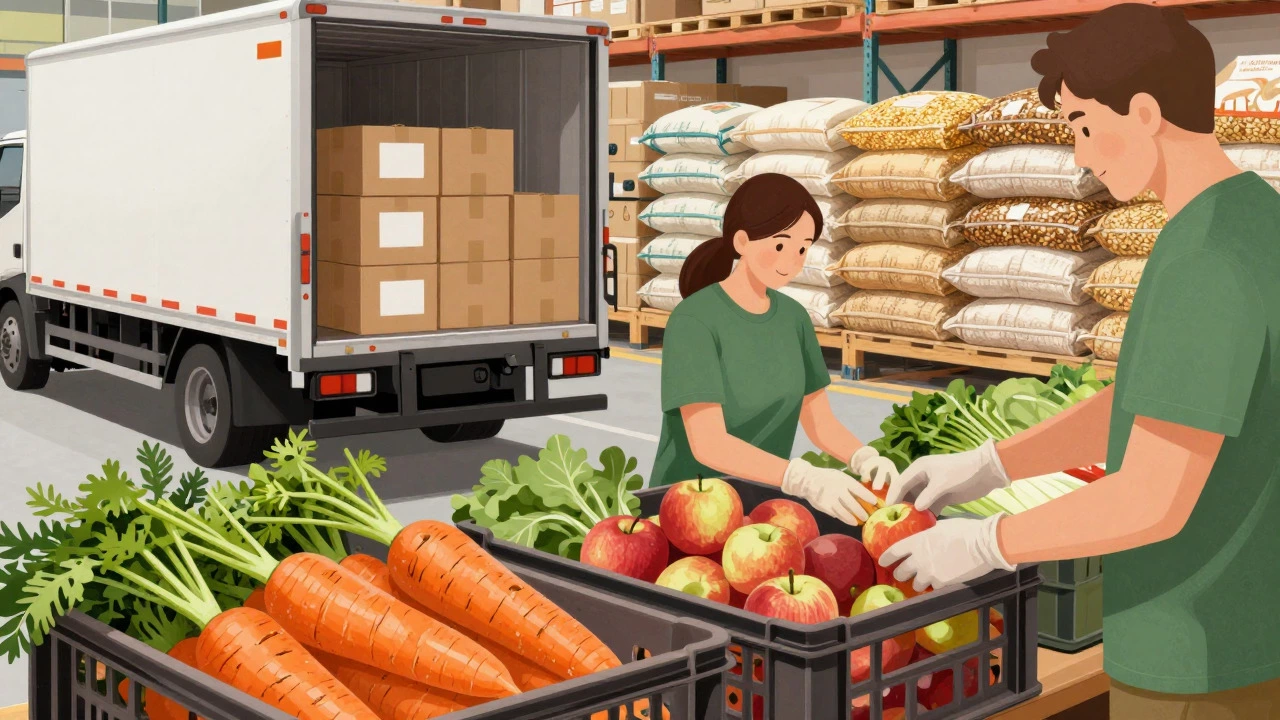
- Retail Partnerships: Supermarkets and grocery stores donate surplus stock daily. Items nearing their 'best before' date but still perfectly safe to eat are rescued from landfills. In New Zealand, major retailers often have dedicated logistics teams to collect these items before closing.
- Farm Rescues: Farmers sometimes have crops that don't meet cosmetic standards for supermarkets-slightly bent carrots or oddly shaped apples. These are diverted to food banks through agricultural rescue programs.
- Government Subsidies: In New Zealand, organizations like Foodbank NZ work closely with government initiatives to distribute subsidized fresh produce and staples to local pantries.
- Community Donations: Individual donors contribute non-perishable items during drives. Canned beans, rice, pasta, and tinned fish form the backbone of pantry inventory because they have long shelf lives.
This diverse sourcing strategy ensures variety. A typical pantry visit might yield fresh vegetables, bread, dairy products, and protein sources like chicken or canned tuna. The mix prevents nutritional monotony, which is crucial for long-term health.
Storage and Logistics: Keeping Food Safe
Once food arrives, it enters a rigorous sorting and storage phase. Food safety is paramount. Volunteers and staff inspect every item for damage, expiration dates, and proper packaging. Broken seals or bulging cans are discarded immediately.
Pantries use a "first-in, first-out" (FIFO) system. Older stock is moved to the front and distributed first, ensuring nothing goes to waste. Temperature control is also critical. Refrigerated units store milk, cheese, and meat, while freezers handle frozen vegetables and meats. Dry goods are kept in cool, dry areas to prevent pest infestations and mold growth.
Efficiency matters here too. Many pantries use inventory management software to track stock levels. This data helps them predict shortages and coordinate with suppliers. For example, if the system shows low protein stocks, the pantry can request targeted donations from local butchers or grocery chains.
Distribution Models: How Clients Get Their Food
The way food is handed out varies by location and philosophy. Some pantries offer a "market-style" setup where clients shop with tokens or vouchers. This mimics a supermarket experience, allowing individuals to choose what they prefer. Others provide pre-packed boxes based on household size. Both methods aim to restore a sense of autonomy to the recipient.
In urban centers like Wellington, some pantries integrate additional services. Alongside food, clients might access referrals for housing support, job training, or mental health counseling. This holistic approach addresses the root causes of food insecurity rather than just the symptom. A hungry person is less likely to focus on finding employment if their immediate survival is uncertain. By bundling services, pantries create pathways out of poverty.
The Role of Volunteers: The Heartbeat of the Operation
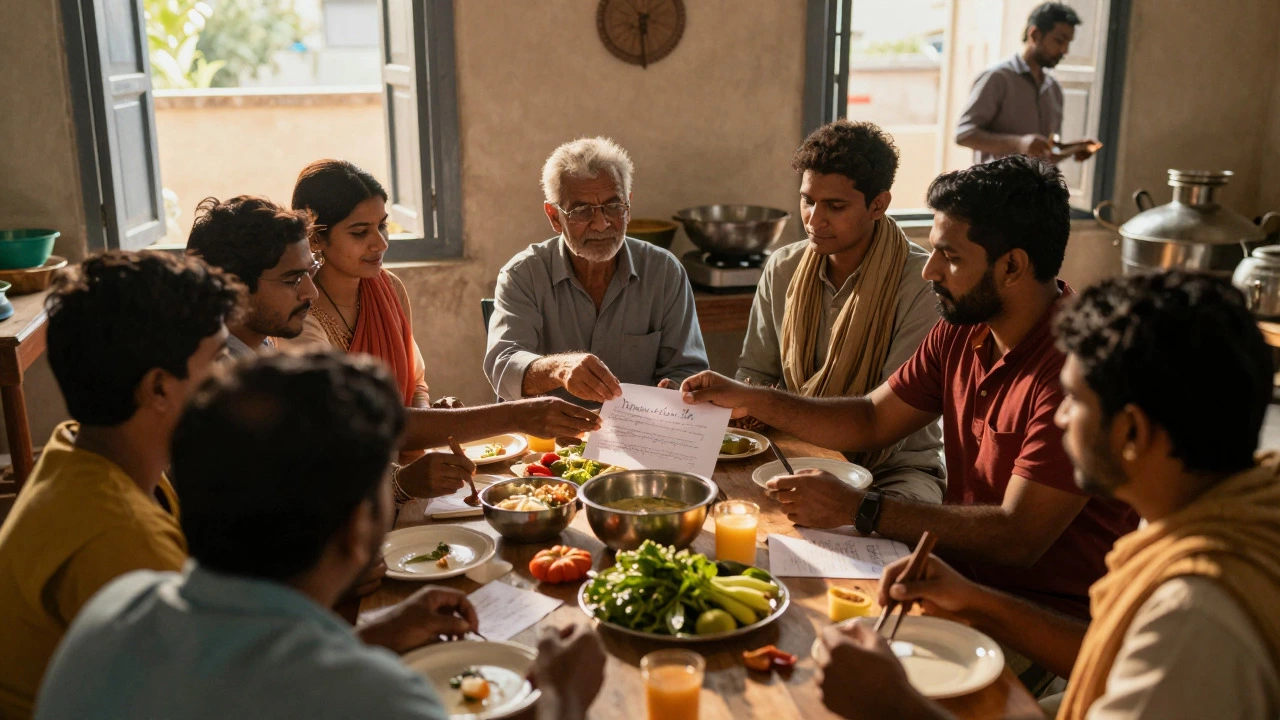
None of this would be possible without volunteers. They are the engine room of every local pantry. Roles range from sorting donations and stocking shelves to driving delivery vans and managing administrative tasks. In New Zealand, volunteerism is deeply ingrained in community culture, and food banks rely heavily on this goodwill.
Volunteers don't just save money; they build connections. Regular volunteers often form relationships with clients, offering friendship and stability alongside food. This social capital is invaluable. For isolated individuals, a chat with a friendly volunteer can be as nourishing as the meal itself.
If you're considering volunteering, look for opportunities that match your skills. Drivers help deliver to homebound seniors. Administrators manage donor databases. Sorters ensure quality control. Every role contributes to the mission. Most pantries require a brief orientation to cover food safety protocols and confidentiality agreements.
Challenges Facing Modern Pantries
Despite their efficiency, pantries face significant hurdles. Rising inflation means more people need help, stretching already thin resources. Supply chain disruptions can lead to unpredictable donation flows. Additionally, there's often a gap between what is donated and what is needed. Pantries might have hundreds of cans of soup but no fresh fruit or hygiene products.
Funding is another persistent issue. While volunteers provide labor, operational costs like rent, utilities, and insurance must be covered. Many pantries rely on grants and private donations to stay afloat. Economic downturns exacerbate these pressures, forcing difficult decisions about service cuts or reduced hours.
How You Can Help Beyond Donating Food
Donating food is helpful, but it's not always the most effective way to support a pantry. Before dropping off items, check the pantry's wish list. They may urgently need diapers, toothpaste, or specific dietary items like gluten-free bread. Cash donations are often preferred because they allow pantries to buy exactly what they need at wholesale prices.
You can also advocate for systemic change. Support policies that address minimum wage, housing affordability, and social welfare. Food insecurity is a symptom of broader economic inequalities. By engaging in civic discourse, you help create an environment where fewer people need to rely on pantries in the first place.
| Method | Impact Level | Flexibility | Best For |
|---|---|---|---|
| Cash Donations | High | Very High | General operations and urgent needs |
| Food Donations | Medium | Low | Specific item requests only |
| Volunteering Time | High | Medium | Long-term community engagement |
| Advocacy | Long-term | High | Systemic change and policy reform |
Building a Resilient Community
Local pantries are more than emergency relief stations; they are indicators of community health. When neighbors support neighbors, trust builds. People become aware of hidden struggles within their own streets. This awareness fosters empathy and collective responsibility.
In Wellington and across New Zealand, the network of food banks demonstrates how localized action can mitigate national challenges. By understanding how these pantries work, we move beyond passive sympathy to active participation. We see ourselves not as saviors, but as partners in a shared effort to ensure no one goes hungry.
The next time you pass a food bank, remember the complex ecosystem inside. Think about the farmers, retailers, volunteers, and clients who make it tick. Consider how you can contribute, whether through time, money, or voice. Supporting local pantries isn't just about feeding bodies; it's about sustaining communities.
Do I need a referral to use a food bank in New Zealand?
It depends on the specific pantry. Some operate on an open-access basis where anyone can visit, while others require a referral from a social worker, doctor, or community agency. Check with your local pantry directly to understand their intake process. Many aim to reduce barriers, so even without a formal referral, they may still assist you after a brief conversation.
What is the best type of food to donate?
Always check the pantry's current wish list first. Generally, unopened, non-perishable items with long shelf lives are most useful. Examples include canned beans, rice, pasta, tinned fish, and peanut butter. Avoid donating homemade goods unless specifically requested, due to food safety regulations. Fresh produce is great if the pantry has refrigeration capacity.
Can I volunteer if I have no experience?
Absolutely. Most pantries welcome volunteers of all skill levels. Tasks like sorting donations, packing boxes, and greeting clients require minimal training. You'll usually undergo a short orientation covering food safety and confidentiality. Your willingness to help is the most important qualification.
How often can I visit a food bank?
Frequency limits vary by organization. Some pantries allow weekly visits, while others restrict access to once a month to maximize reach. This isn't to punish frequent users but to ensure resources are available for as many people as possible. Staff will explain the schedule during your first visit.
Is my personal information kept confidential?
Yes, privacy is a core principle of modern food banks. Client data is stored securely and used only for internal tracking and reporting purposes. Volunteers and staff sign confidentiality agreements. Your interaction with the pantry is private, and no one outside the organization will know you received assistance unless you choose to share it.