Fundraising Impact Calculator
See how your contribution turns into real help for your community
Your donation could:
Community Ripple Effect
Real Community Impact
A fundraising event isn’t just a party with a donation box. It’s a tool - a direct, human way to turn care into action. If you’ve ever wondered why people spend weeks planning bake sales, 5K runs, or silent auctions, the answer is simple: they need money to keep helping others. Not for profit. Not for perks. But to feed families, shelter the homeless, teach kids, or protect the environment.
It’s About Turning Good Intentions Into Real Help
People often want to help. They feel bad about hunger, or they care about kids without after-school programs. But feeling bad doesn’t pay for groceries or tutors. That’s where fundraising events come in. They take that emotional energy - the ‘I wish I could do more’ feeling - and turn it into cash, supplies, or volunteer hours.
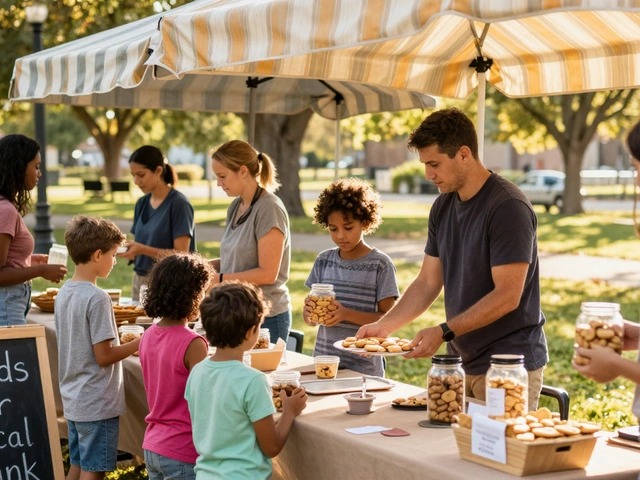
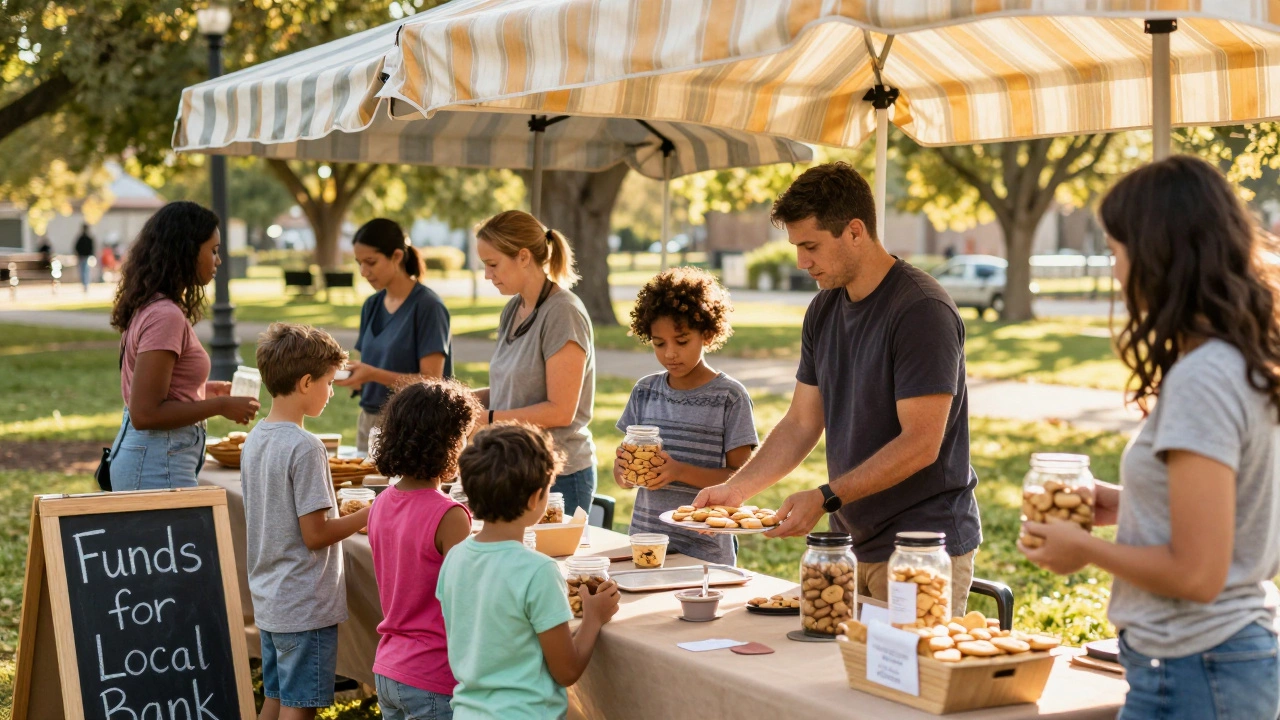
Think about a local food bank. They don’t get government checks for every can of beans they hand out. They rely on donations from events like community dinners or school drive-a-thons. One event in Wellington last year raised $18,000 in three weeks. That paid for 90,000 meals. That’s not a number. That’s 90,000 people who didn’t go to bed hungry.
It Builds Community, Not Just Funds
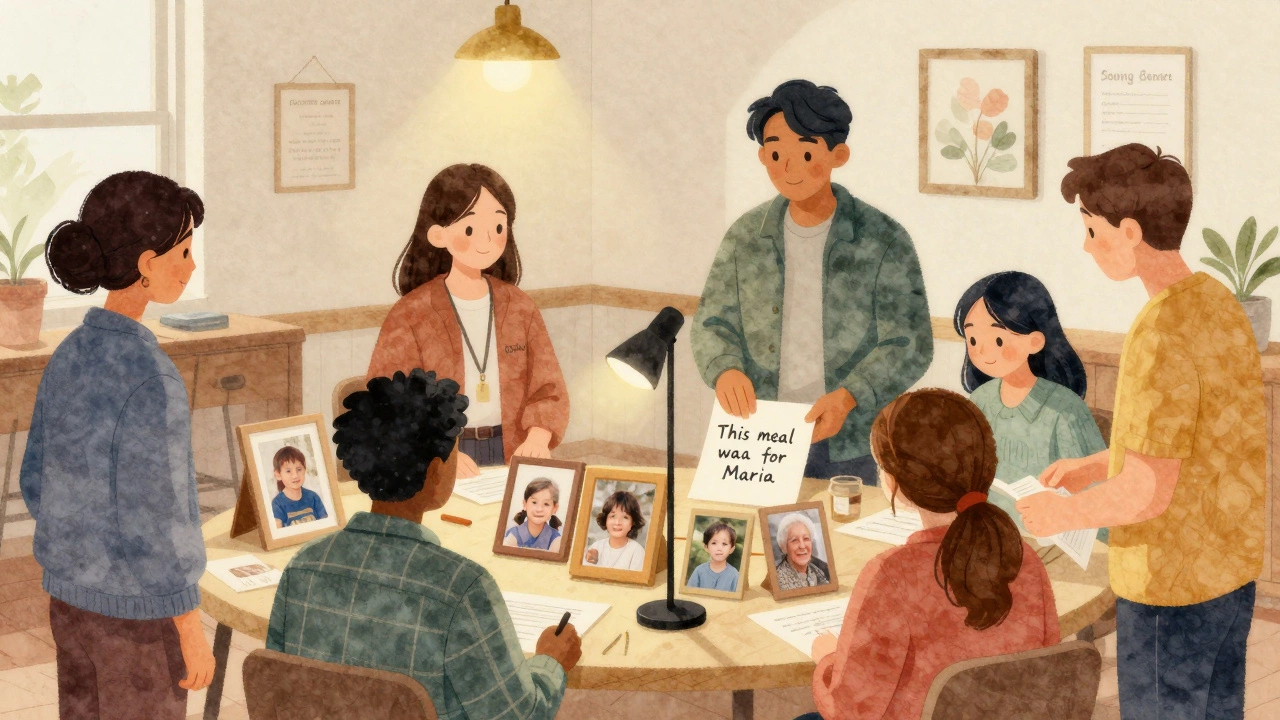
Fundraising events don’t just collect money. They connect people. When neighbors organize a garage sale for a child’s medical bills, or when a church hosts a trivia night for the local shelter, they’re doing more than raising cash. They’re saying: ‘We see you. We’re in this together.’
That sense of belonging matters. A 2023 study by the New Zealand Charities Commission found that 68% of donors who attended a local fundraising event became regular supporters. Why? Because they met the people behind the cause. They saw the impact firsthand. That connection turns one-time givers into lifelong allies.
It Gives Nonprofits a Voice
Most charities don’t have big marketing budgets. They can’t run TV ads or hire social media teams. A fundraising event is their billboard. It’s how they tell their story.
Take a small group that helps homeless youth in Christchurch. They don’t have a PR department. But when they hosted a live music night at a local pub, 300 people showed up. Someone posted a video online. That video got 12,000 views. The next week, they got 47 new volunteers and $5,200 in online donations - all because of one night of music and storytelling.
Fundraising events make invisible problems visible. They turn abstract needs - like ‘mental health support for teens’ - into real faces, real stories, and real needs.
It’s Not Just About the Money Raised
People often judge a fundraising event by how much cash it brings in. But that’s only part of the story. The real value is in what happens before, during, and after.
- Awareness: Someone who didn’t know about the local animal rescue now does.
- Engagement: A teenager who volunteered at the event decides to keep helping.
- Partnerships: A local business sees the event and offers free printing for next year’s flyers.
- Trust: Donors see how the money’s used - not just in a report, but in a photo of a kid holding a new backpack, or a family sitting down to a warm meal.
These ripple effects last longer than the event itself. One community garden project in Dunedin started with a $3,000 fundraiser. Three years later, it’s feeding 80 families a week, teaching gardening to 200 kids, and has become a hub for elderly residents. None of that would’ve happened without the first event that got people talking.
Who Benefits? Everyone
It’s easy to think fundraising events only help the recipients - the homeless, the sick, the animals. But they help the givers too.
Volunteering at a fundraiser reduces stress. It gives people a sense of purpose. A 2024 survey by the University of Auckland found that people who regularly took part in local charity events reported higher levels of life satisfaction than those who didn’t. It’s not magic. It’s human connection.
And businesses? They benefit too. A café that hosts a ‘coffee for a cause’ day doesn’t just give away free drinks. They build loyalty. Customers come back not just for the latte, but because they feel good about supporting the place.

What Happens If You Don’t Do It?
Imagine a world where no one held a fundraising event. No bake sales. No fun runs. No auctions. What happens to the small charities that rely on them?
They close. Simple as that. In New Zealand, over 3,000 small nonprofits shut down between 2020 and 2024 because they couldn’t raise enough funds. Not because they weren’t doing good work. Because no one knew they existed - or how to help.
Fundraising events are the lifeline for the groups that don’t make headlines. They’re the reason a single mom in Tauranga can get free childcare. The reason a disabled veteran in Nelson gets weekly meals. The reason a school in Gisborne has books for every student.
It’s Not Magic. It’s Mechanics
Some people think fundraising is about charisma or big donors. It’s not. It’s about logistics. A good event answers three questions:
- Who are we helping? (Be specific - ‘homeless youth’ not ‘people in need’)
- What do they need right now? (Food? Therapy? School supplies?)
- How will this event give them that? (Every dollar raised goes straight to that goal.)
The most successful events don’t try to be flashy. They’re clear. Honest. Simple. A school in Whangarei raised $12,000 last year by selling $2 lunches made by students. No fancy website. No influencers. Just a sign: ‘Help us buy new science kits. $2 = one lab kit.’ Parents showed up. Kids served the food. The money bought 120 kits. That’s it.
So What’s the Point?
A fundraising event is a bridge. It connects what people care about with what people need. It turns empathy into action. It gives hope a price tag - and then pays it.
You don’t need to be rich to make one. You don’t need a big team. You just need to care enough to ask.
Because when you do - when you host that picnic, that concert, that raffle - you’re not just raising money. You’re raising possibility.
Are fundraising events only for big charities?
No. In fact, small local groups benefit the most. Big charities often have donors, grants, and staff. Small ones rely on events to survive. A neighborhood group raising money for a new playground, a church helping families with utility bills, or a student club funding mental health workshops - all of these depend on events to get started and keep going.
Do fundraising events actually make a difference?
Yes, if they’re focused. A 2024 report from the New Zealand Charities Commission showed that local events raised over $110 million across the country last year. That’s enough to fund 200+ community centers, 1,500 after-school programs, or 30,000 meals for people without homes. The key is transparency - people give when they know exactly how their money helps.
What’s the easiest way to start a fundraising event?
Start small. Pick something you already do and add a cause. Have a coffee morning? Ask guests to donate $5 instead of bringing a treat. Run a book club? Host a ‘donate a book, get a cuppa’ night. The goal isn’t to throw a huge party - it’s to turn one small moment into a chance to help. Most successful events began as quiet ideas between friends.
How do I know if my event is working?
Look at three things: money raised, people involved, and stories told. Did you hit your goal? Did more people show up than last year? Did someone share their reason for donating? Those are the real signs of success. Numbers matter, but connection matters more. One person saying, ‘My daughter got a new wheelchair because of this,’ is worth more than a thousand dollars.
Can businesses help with fundraising events?
Absolutely. Many small businesses sponsor events by donating food, printing flyers, or offering space. In return, they get goodwill and community trust. A local hardware store that donates raffle prizes isn’t just being generous - they’re building a loyal customer base. People remember who helped when times were hard.