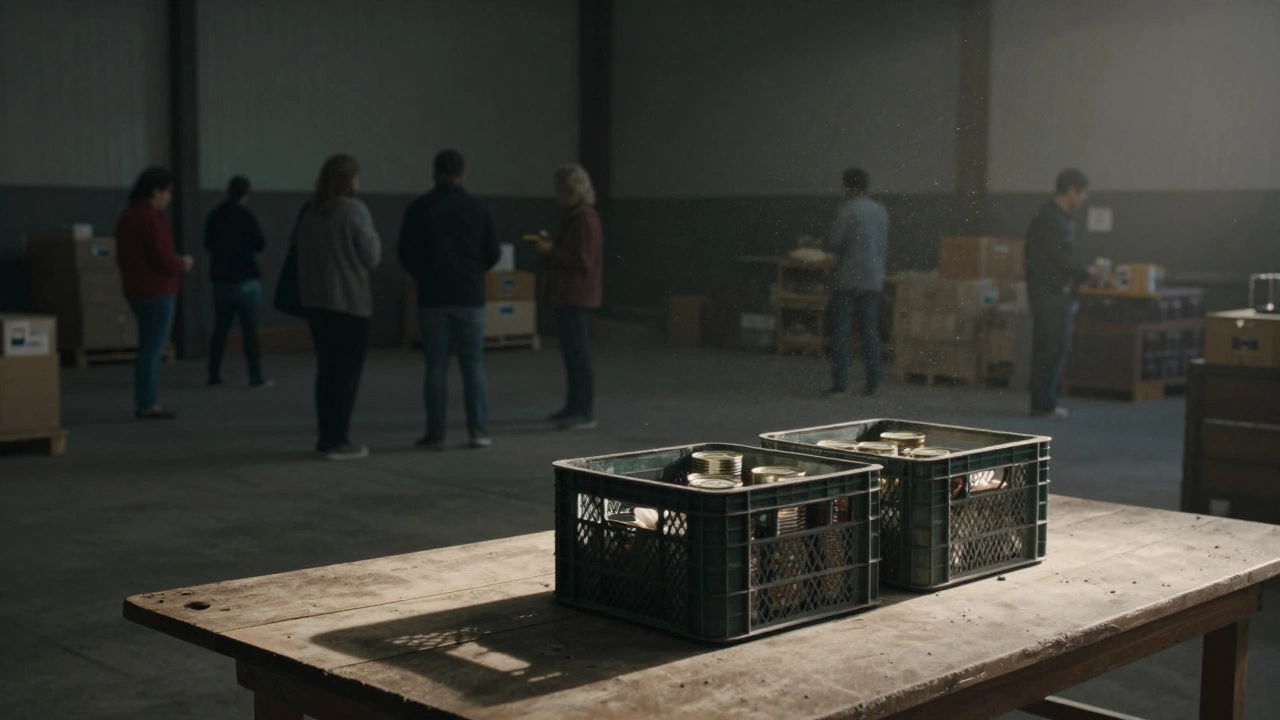
Volunteer Engagement Matcher
Not sure how you can help? Answer these questions to see which volunteering style matches your current lifestyle—whether you have hours of free time or just a few minutes between tasks.
The Erosion of Social Capital and Community Ties
One of the biggest reasons we see fewer people signing up for lifelong roles at a community center is the loss of what sociologists call "social capital." In the past, your social life and your service life were the same. You volunteered at the church because your neighbors did, and you joined the PTA because it was where the other parents were. Today, our social circles are digital and dispersed. When your best friend lives three states away and your primary social interaction happens on a screen, the incentive to join a local board or a neighborhood watch drops. We've traded deep, local roots for wide, shallow networks. This shift makes the "ask" for a volunteer much harder. It's no longer a natural part of the social fabric; it's an interruption to a busy, digitally saturated life.The "Time Poverty" Trap in the Modern Economy
Let's be honest about the clock. The modern workday isn't just 9-to-5 anymore. With the rise of the gig economy and the expectation of constant connectivity, many people are experiencing "time poverty." When you're juggling a side hustle, a demanding primary job, and a commute that eats two hours of your day, the idea of committing to a recurring Tuesday night shift at a shelter feels impossible. This doesn't mean people don't care. It means the cost of a fixed commitment has skyrocketed. If a non-profit requires a six-month commitment and a background check just to help out, most people will bounce. The friction is too high. We see this clearly in the shift toward Micro-volunteering small, bite-sized tasks that can be completed in a short amount of time, often remotely . People would rather spend 15 minutes signing an online petition or auditing a dataset for a scientific project than commit to a physical location for five hours a week.The Professionalization of the Non-Profit Sector
There is a paradoxical trend where non-profits have become so professionalized that they've accidentally pushed volunteers away. In an effort to be more efficient, many organizations have replaced volunteers with paid staff to ensure consistency and quality. While this helps the organization meet strict grant requirements, it removes the "entry point" for a regular person to feel useful. When every role requires a specific certification or a level of expertise that only a paid professional has, the "general helper" feels redundant. If a charity tells a willing volunteer, "We don't really have anything for you to do right now that doesn't require training," that person likely won't come back. We've moved from a model of "come help us however you can" to "please fit into this specific, narrow slot we've created for you."| Feature | Traditional Volunteerism | Modern "Liquid" Volunteering |
|---|---|---|
| Commitment | Long-term / Recurring | Short-term / Episodic |
| Location | Local / Physical | Global / Digital |
| Motivation | Civic Duty / Social Ties | Personal Interest / Skill-sharing |
| Entry Barrier | Low (Community trust) | High (Professional vetting) |
| Tracking | Logbooks / Hours | Impact metrics / Digital footprints |

The Shift Toward "Clicktivism" and Financial Substitution
We are witnessing a psychological shift where people substitute time with money. It's a phenomenon called "moral licensing." If someone donates $50 to a cause via a social media ad, they often feel they've "done their part" for the month. The dopamine hit from a quick digital donation is immediate, whereas the reward for spending a Saturday cleaning up a park is delayed and physically taxing. This leads to Clicktivism the act of supporting a cause through low-effort digital actions like liking, sharing, or signing online petitions . While it raises awareness, it doesn't provide the boots-on-the-ground labor that keeps community programs running. The danger here is that we confuse "awareness" with "action." A million likes on a post about homelessness doesn't put a single person in a warm bed, but it makes the participants feel as though they have contributed to the solution.Generational Divergence in Giving
It's a mistake to say that Gen Z or Millennials are less generous. In fact, younger generations are often more socially conscious than their predecessors. However, their approach to Civic Engagement individual and collective actions designed to identify and address issues of public concern is different. They are less likely to join a formal organization with a board of directors and a set of bylaws. Instead, they favor decentralized movements. They might organize a flash-mob style cleanup of a beach using a group chat, or start a mutual aid fund on a platform like GoFundMe to help a neighbor with rent. Because these actions aren't registered with a formal Charitable Trust a legal entity established to manage assets for charitable purposes , they don't show up in the official statistics. This creates a data gap: the numbers say volunteerism is declining, but the reality is that it's becoming invisible to traditional metrics.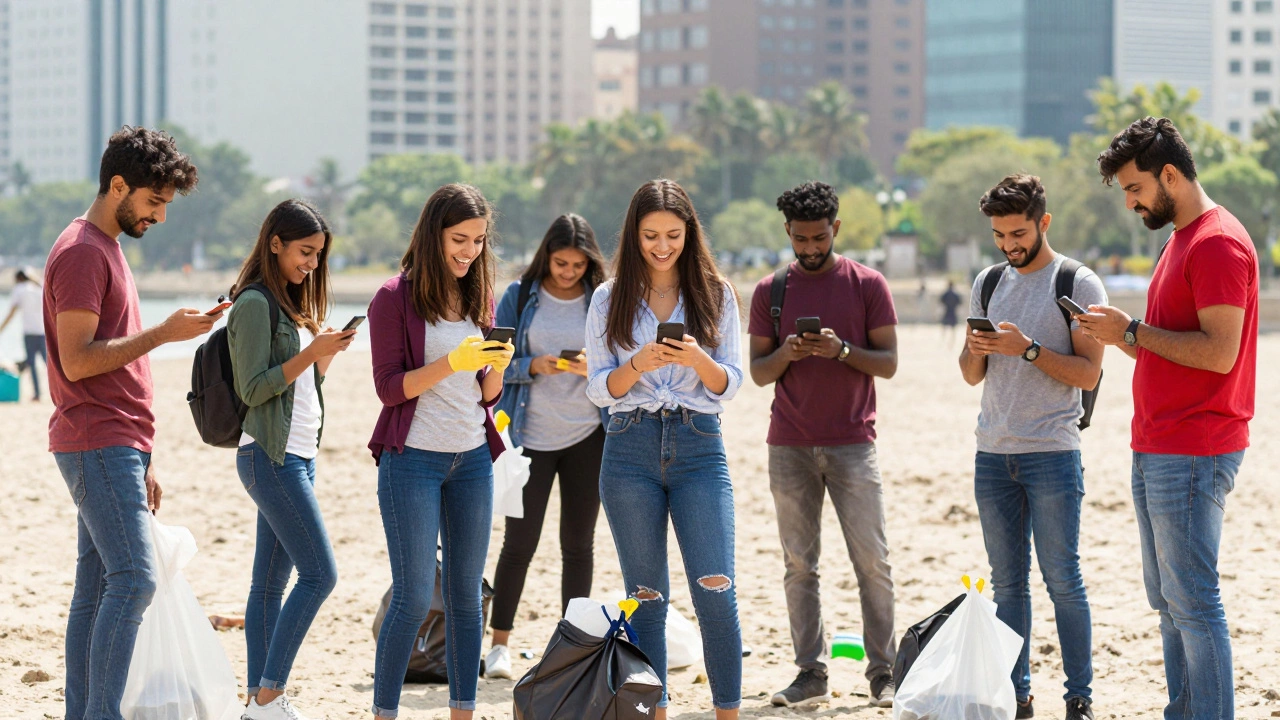
How Organizations Can Adapt to the New Reality
If the world has changed, the way we ask for help must change too. The old model of "signing up for a season" is dying. To attract a new wave of helpers, organizations need to lean into flexibility. This means creating "plug-and-play" opportunities where a person can contribute a specific skill-like designing a flyer or managing a social media account-without needing to attend monthly meetings. Furthermore, non-profits need to lower the friction of entry. Instead of a daunting application process, why not a "try-it-out" day? By reducing the perceived risk of commitment, organizations can capture the interest of people who are hesitant to lock themselves into a schedule but are eager to make an impact. We need to stop treating volunteers like unpaid employees and start treating them like collaborators.Is volunteerism actually disappearing or just changing?
It is primarily changing. Traditional, long-term roles in formal organizations are declining, but informal, episodic, and digital volunteering is on the rise. People are moving away from "membership" and toward "contribution."
Why do younger generations avoid formal volunteer organizations?
Younger people often find the bureaucracy of traditional non-profits stifling. They prefer decentralized, direct-action models like mutual aid or project-based volunteering that offers immediate results and flexible timing.
What is micro-volunteering and does it actually help?
Micro-volunteering involves small tasks, like translating a document or tagging photos, that take minutes or hours rather than weeks. It helps by tapping into a massive pool of people who cannot commit to long-term roles but have small pockets of free time.
How can non-profits attract more volunteers in 2026?
By reducing friction. Offer "bite-sized" opportunities, remove overly complex onboarding processes, and allow for remote or hybrid roles. Focus on the specific impact of the task rather than the longevity of the commitment.
Does donating money replace the need for volunteering?
Money provides essential resources, but it cannot replace the social capital, mentorship, and physical presence that volunteers provide. Financial contributions fund the mission, but human presence often executes it and builds community trust.
Next Steps for Community Leaders
If you're running a local program and seeing your numbers drop, don't panic-pivot. Start by auditing your onboarding process. If it takes more than three clicks or a 20-minute form to sign up, you're losing people. Create a "menu" of options: a 1-hour task, a 5-hour project, and a recurring role. For those who want to help but feel overwhelmed, start small. Don't look for a "calling" or a lifelong commitment. Find one thing you're good at-whether it's accounting, gardening, or organizing spreadsheets-and offer it to a local group for a single afternoon. The bridge back to community engagement is built one small, manageable brick at a time.Written By Leland Ashworth
I am a sociologist with a passion for exploring social frameworks, and I work closely with community organizations to foster positive change. Writing about social issues is a way for me to advocate for and bring attention to the significance of strong community links. By sharing stories about influential social structures, I aim to inspire community engagement and help shape inclusive environments.
View all posts by: Leland AshworthSimilar Articles
Categories
© 2026. All rights reserved.