Volunteer Barrier Self-Assessment
Are you hesitant about volunteering? Take this quick assessment to understand which barrier might be holding you back. This tool analyzes your responses to common scenarios described in the article.
You see the flyers everywhere: "Join our team," "Make a difference," "Free time for good causes." It sounds noble, right? But walk into any community center or look at online forums, and you’ll find a surprising number of people who actively dislike or avoid volunteering. They aren’t necessarily selfish. In fact, many are deeply aware of social issues. So why do they hesitate? The answer isn’t simple morality; it’s a mix of economic reality, psychological friction, and organizational missteps.
If you’ve ever wondered why your neighbor won’t help with the park cleanup or why talented professionals skip charity galas, this breakdown is for you. We’re digging into the real reasons behind anti-volunteer sentiment. By understanding these barriers, nonprofits can fix their approach, and individuals can decide if volunteering actually fits their life.
The Economic Reality: Time Is Money
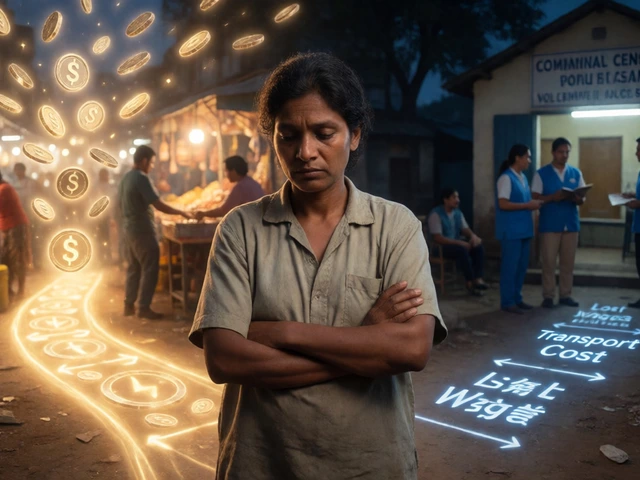
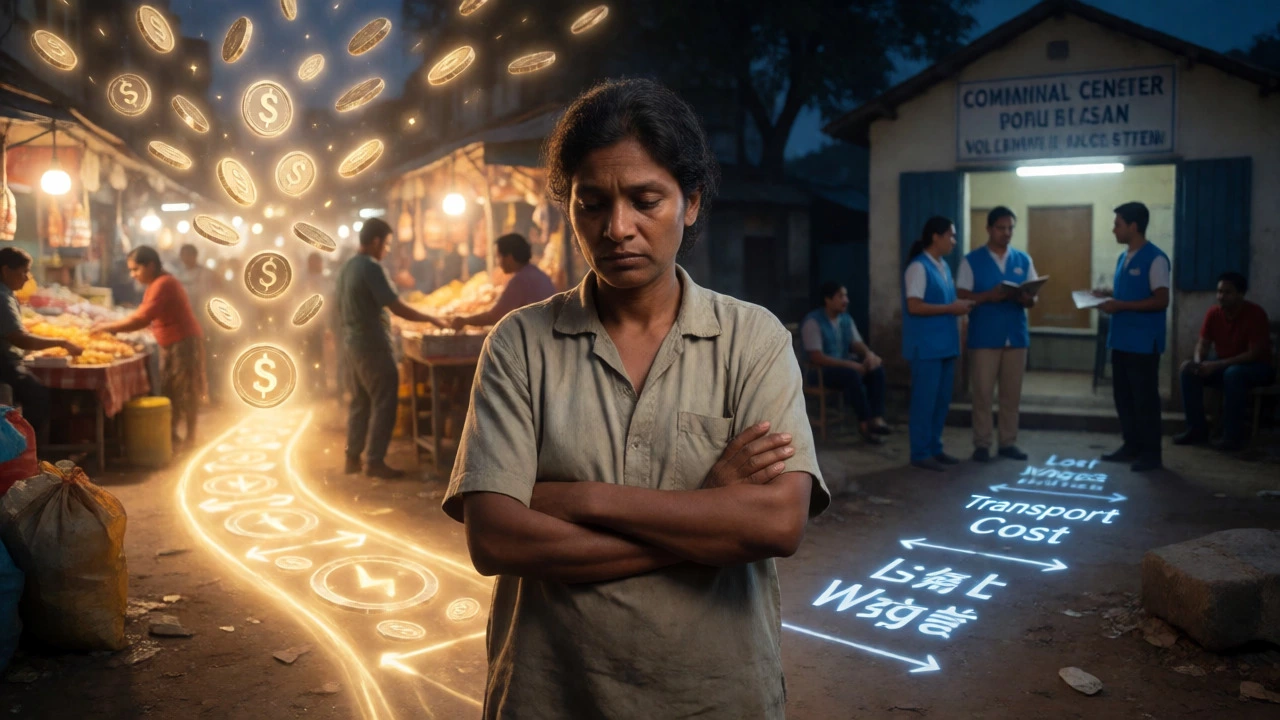
Let’s start with the biggest elephant in the room: money. For millions of people, free labor is a luxury they cannot afford. If you work two jobs to pay rent, spending Saturday morning packing food boxes means losing potential income or rest. This isn’t laziness; it’s survival math.
Opportunity cost is a cold, hard factor here. When a person has limited hours, every hour spent volunteering is an hour not spent earning wages, caring for family, or recovering from burnout. A study by the Corporation for National and Community Service highlights that while higher-income individuals volunteer more often, lower-income individuals often contribute through informal helping-like watching a neighbor’s kids-rather than formal organizations. Why? Because formal volunteering requires transportation, specific scheduling, and sometimes unpaid travel time, all of which add up financially.
- Transportation costs: Driving to a remote site eats gas money.
- Lost wages: Hourly workers lose pay when they take unpaid breaks.
- Childcare needs: If you can’t bring your kids, you might need to pay a sitter.
When organizations ignore these costs, they inadvertently screen out working-class volunteers. They ask for commitment without offering flexibility, making volunteering feel like a second job rather than a civic duty.
The Fear of Incompetence and Poor Management
Have you ever tried to help at a charity event only to be handed a clipboard and told to "figure it out"? That feeling of uselessness is a major turn-off. Many people avoid volunteering because they fear doing it wrong or being treated as disposable labor.
Nonprofit management plays a huge role here. Unlike corporate jobs, many charities lack dedicated HR departments or training programs. Volunteers often arrive expecting meaningful engagement but end up sorting donations in a basement for four hours with no interaction. This leads to what psychologists call "learned helplessness." If you try once and feel ignored, you’re unlikely to return.
| Pain Point | Volunteer Expectation | Reality Gap |
|---|---|---|
| Training | Clear instructions and support | Dump-and-go assignments |
| Impact | Seeing tangible results | Invisible administrative tasks |
| Respect | Appreciation and feedback | Treated as free staff filler |
People want to feel competent. If an organization doesn’t provide clear roles, proper supervision, or a sense of contribution, the volunteer feels wasted. And nobody wants to waste their scarce free time on a task where they feel invisible.
Mandatory Volunteering Breeds Resentment
Here’s a controversial take: forced volunteering doesn’t work. Schools and corporations often mandate service hours, thinking it builds character. Instead, it often breeds resentment. When you make someone do something "good," you strip away the intrinsic motivation-the joy of giving.
Think about high school graduation requirements. Students often view these hours as a hoop to jump through, not a chance to connect with their community. They clock in, check out mentally, and leave with a negative association. Psychological reactance kicks in. Humans hate having their freedom restricted. When volunteering becomes a requirement rather than a choice, it loses its moral appeal. Adults who were forced to volunteer as kids may carry that aversion into adulthood, associating charity with obligation rather than empathy.
This creates a cycle. Organizations rely on captive audiences (students, employees) who don’t genuinely care, leading to poor service quality, which further discourages genuine interest.

Volunteer Fatigue and Burnout
Compassion fatigue is real. You care about the homeless shelter, but after three years of hearing the same stories, seeing the same systemic failures, and getting little thanks, you might just stop. This is known as volunteer burnout. It happens when emotional investment exceeds emotional reward.
Burnout often stems from unrealistic expectations. Nonprofits sometimes market themselves with glossy brochures showing smiling faces and clean outcomes. Real life is messier. Volunteers dealing with addiction recovery or mental health crises face heavy emotional loads. Without adequate debriefing or support, they drain their own reserves. Once burned out, the idea of signing up again feels exhausting before they even start.
Moreover, the "savior complex" backlash is growing. Modern volunteers are increasingly critical of how aid is delivered. They question whether their presence helps or harms. If a volunteer feels their effort is performative or ineffective, they quit. Skepticism about impact is a powerful deterrent.
Social Awkwardness and Introversion
Not everyone loves group activities. For introverts, volunteering can feel like a social minefield. You’re thrust into unfamiliar groups, expected to chat with strangers, and often monitored by coordinators. For some, this social pressure outweighs the desire to help.
Many people prefer informal helping over organized volunteering. Helping a neighbor shovel snow or donating money anonymously allows them to contribute without the social performance aspect. Organized volunteering demands social energy that some people simply don’t have left after a long work week.
Additionally, there’s the fear of judgment. What if you say the wrong thing? What if you’re late? These minor anxieties accumulate. For people with social anxiety disorders, the barrier isn’t the cause; it’s the environment. Quiet, solo tasks like data entry or gardening are far more appealing than soup kitchen shifts with loud crowds.
Cynicism Toward Nonprofit Bureaucracy
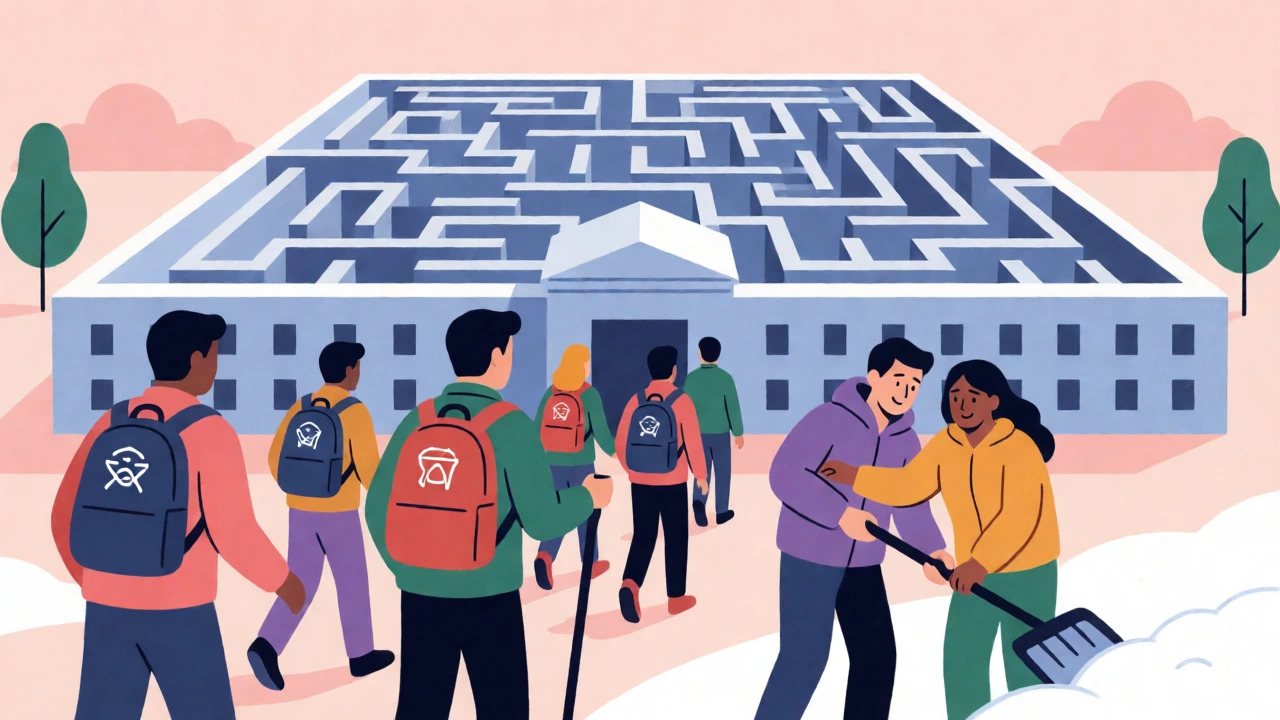
Some people distrust the system itself. They hear stories about high executive salaries in large charities or inefficient fund allocation. While most local nonprofits operate leanly, the perception of bureaucracy persists. People wonder: "Is my time actually helping, or am I just feeding a machine?"
This cynicism is fueled by transparency gaps. Small charities rarely publish detailed impact reports. Volunteers can’t easily see the ROI (Return on Investment) of their time. Without proof of impact, skepticism wins. If you spend five hours stuffing envelopes and never see the result, you might assume it was pointless. Trust is earned through visibility, and many organizations fail to show the connection between volunteer hours and actual outcomes.
How to Overcome These Barriers
If you’re on the fence about volunteering, or if you run a program, here’s how to bridge the gap.
- For Individuals: Start small. Try a one-time event instead of a recurring commitment. Look for skills-based volunteering where your expertise is valued, reducing the feeling of incompetence.
- For Organizations: Offer flexible micro-volunteering opportunities. Provide clear role descriptions upfront. Show impact quickly-let volunteers see the immediate result of their work.
- For Skeptics: Choose transparent local groups. Ask questions about where funds go. Focus on hands-on tasks where the outcome is visible, like planting trees or serving meals.
Volunteering shouldn’t feel like a punishment. When done right, it’s empowering. But acknowledging the valid reasons people hesitate is the first step toward making it accessible again.
Is it okay to not want to volunteer?
Absolutely. Volunteering should be a choice, not an obligation. Many people contribute to society through paid work, taxes, or informal acts of kindness. If you don’t have the time, energy, or interest, forcing yourself often leads to resentment and poor performance. Your worth isn’t defined by your volunteer hours.
Why do some people think volunteering is exploitative?
Critics argue that using unpaid labor can displace paid workers, keeping wages low. This is common in sectors like retail or arts, where interns or volunteers replace entry-level staff. Additionally, some feel that wealthy organizations use volunteers to subsidize inefficiencies, effectively outsourcing costs to the community.
What is volunteer fatigue?
Volunteer fatigue is a state of physical and emotional exhaustion caused by prolonged stress or lack of appreciation in a volunteer role. It often occurs when volunteers feel overwhelmed by the scale of problems they’re trying to solve or when they receive little recognition for their efforts. Taking breaks and setting boundaries can help prevent it.
Does mandatory volunteering work for schools?
Research suggests mixed results. While it ensures participation, it often fails to foster long-term habits. Students may complete hours mechanically without developing genuine empathy. However, if paired with reflection and choice in activities, mandatory programs can spark initial interest that evolves into lifelong engagement.
How can I find volunteering that doesn’t feel like work?
Look for activities aligned with your hobbies. If you love animals, consider dog walking at shelters. If you enjoy teaching, try tutoring. Skills-based volunteering often feels less like drudgery because you’re using existing strengths. Also, seek out short-term projects with clear beginnings and endings to avoid open-ended commitments.