Charitable Trust Ownership Quiz
Test Your Understanding
1. Who legally owns the assets in a charitable trust?
2. What is the key difference between revocable and irrevocable charitable trusts?
3. What happens if a trustee misuses trust assets?
4. What is the cy-près doctrine?
5. Can the charity directly sue a trustee for misuse of funds?
When someone sets up a charitable trust, they often think they’re giving away money or property to a cause. But here’s the question that trips up most people: who owns the assets of that trust? It’s not the charity. It’s not the donor anymore. And it’s definitely not the trustee personally. So who’s really in charge?
The Trust Isn’t a Person
A charitable trust isn’t a company. It doesn’t have a board meeting or a bank account in its own name. Legally, it’s a relationship - a set of rules written into a document that tells someone how to manage money or property for a good cause. That’s why ownership doesn’t work the way you’d expect. The assets don’t belong to the trust itself. They’re held by someone else.
Think of it like this: if you leave your car to a friend with the rule that they must use it only for delivering meals to seniors, you didn’t give the car to the charity. You gave it to your friend - but with strings attached. The same logic applies to charitable trusts.
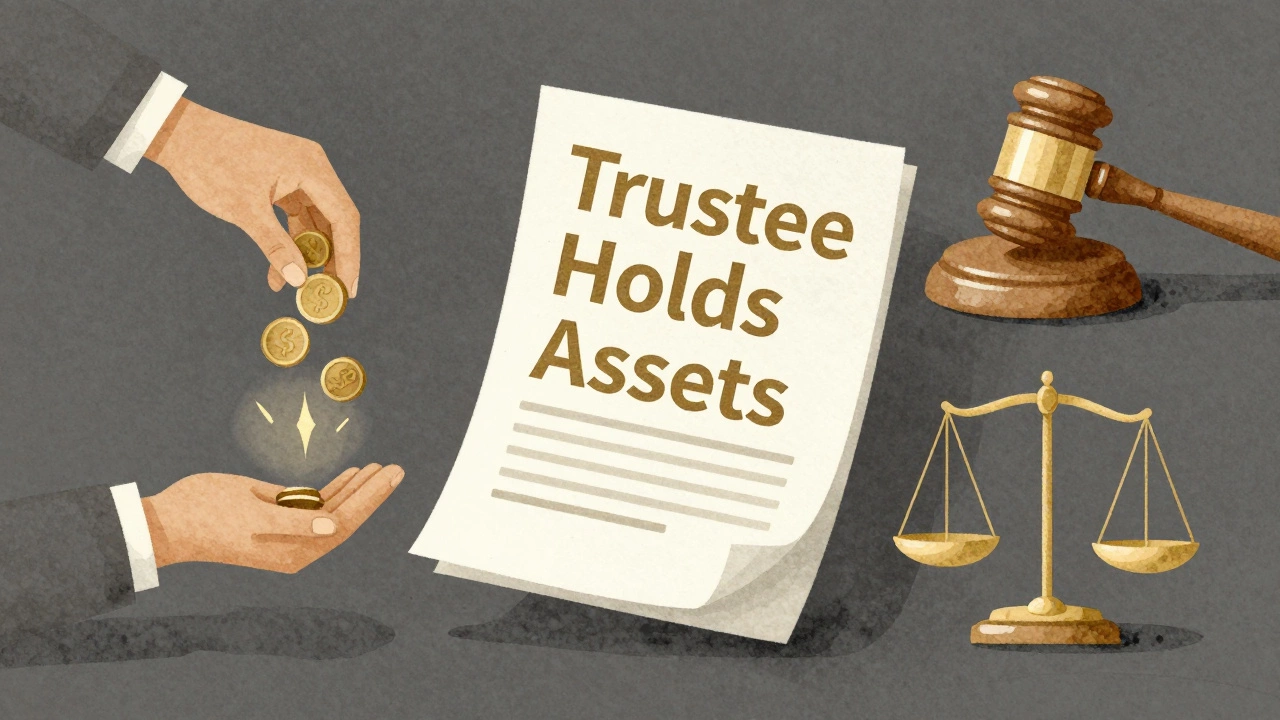
The Trustee Holds the Assets
The legal owner of the assets in a charitable trust is the trustee. That’s the person or organization named in the trust document to manage everything. They have full legal control. They can buy, sell, invest, or hold property - but only for the purpose stated in the trust.
For example, if a donor gives $500,000 to a charitable trust to fund youth sports programs, the trustee - maybe a bank, a nonprofit board, or a professional fiduciary - holds that money. They can’t use it for their own expenses. They can’t give it to their kid’s soccer team. They must follow the trust’s purpose exactly.
In New Zealand, trustees of charitable trusts are bound by the Charities Act 2005. This law says trustees must act in good faith, with care and diligence, and always in the best interest of the charity’s purpose. Breach of these duties can lead to removal or even personal liability.
The Charity Is the Beneficiary, Not the Owner
The charity named in the trust is the beneficiary. That means they benefit from the assets - through grants, programs, or direct support. But they don’t own them. They can’t demand the money. They can’t sell the property. They can’t even change how the funds are used.
Let’s say a trust was created to support a local food bank. The food bank gets regular payments from the trust. But if the trustee decides to shift funds to a mental health initiative instead - because they believe it’s more urgent - they’re breaking the trust’s terms. The food bank has no legal power to stop them. Only the courts or a regulatory body can step in.
This is why many donors get confused. They think, “I gave to the food bank, so they should control the money.” But the law says otherwise. The trustee controls the assets. The charity just receives the benefits.
What Happens When the Trustee Changes?
Trustees can resign, die, or be replaced. But the assets don’t move with them. When a new trustee steps in, they inherit full legal responsibility for the same assets. The money or property stays in the trust. It doesn’t go back to the donor. It doesn’t vanish. It doesn’t become the new trustee’s personal property.
For example, if the original trustee was a local accountant who retired, and a new trustee - say, a registered nonprofit organization - takes over, the bank account doesn’t close. The assets are simply transferred into the new trustee’s name, under the same trust rules. The purpose remains unchanged.
This is why trust documents must clearly name successor trustees. Without them, the court has to appoint one, which can delay support to the charity for months.
Can the Donor Take It Back?
Almost never. Once assets are transferred into an irrevocable charitable trust, the donor loses all ownership rights. That’s the whole point. If the donor could reclaim the money, it wouldn’t be a true charitable gift.
There are rare exceptions. If the trust was set up as revocable - which is uncommon for charities - the donor might retain control. But most charitable trusts are irrevocable by design. This ensures the assets stay protected for the long term and qualify for tax benefits.
In New Zealand, donors who give to registered charities often get a tax deduction. But that deduction only applies if the gift is truly final. The Inland Revenue Department checks that the donor doesn’t retain control. If they do, the tax break is canceled.
What If the Charity Shuts Down?
Charitable trusts are designed to last. But what if the named charity closes? What if it merges with another? What if the purpose becomes outdated?
The law has a solution: cy-près doctrine. It’s a French term that means “as near as possible.” If the original charitable purpose can no longer be fulfilled, the court can redirect the assets to a similar cause.
For example, if a trust was created to fund a now-closed community swimming pool, the court might allow the trustee to use the funds for a new youth recreation center nearby. The donor’s intent - supporting young people’s health - is honored, even if the original plan isn’t possible.
This only happens after a formal application to the court. Trustees can’t decide this on their own. They must prove the original purpose is impossible or impractical.

Why Does This Matter?
Understanding who owns the assets helps donors choose the right trustee. It helps charities know their rights. And it prevents misunderstandings that lead to disputes.
Many well-meaning donors assume the charity will manage the money. But charities often don’t have the legal capacity or expertise to act as trustees. That’s why professional trustees - like trust companies or dedicated nonprofit boards - are often better choices.
On the flip side, charities should know they can’t demand control. They can ask, they can advise, they can report on impact - but they can’t take over. That power rests with the trustee.
For trustees, this means heavy responsibility. They’re not just managers. They’re legal guardians of someone else’s generosity. They must keep detailed records, file annual reports, and avoid conflicts of interest. One misstep can cost them personally.
Common Myths About Charitable Trusts
- Myth: The charity owns the assets. Truth: The trustee does.
- Myth: Donors can change the trust later. Truth: Not in an irrevocable trust.
- Myth: Trustees can use trust funds for their own nonprofit’s overhead. Truth: Only if the trust allows it - and even then, it’s limited.
- Myth: The government owns the assets. Truth: The Charities Register tracks them, but doesn’t own them.
These myths cause confusion, delays, and sometimes lawsuits. Clear understanding prevents all of that.
Final Takeaway
The assets of a charitable trust are owned by the trustee - not the charity, not the donor, not the government. The trustee holds them legally, uses them for the stated purpose, and answers to the law. The charity benefits. The donor gives with confidence. Everyone wins - if the rules are clear from the start.
If you’re setting up a trust, choose your trustee carefully. If you’re part of a charity, know your role. And if you’re a donor, remember: your gift is powerful - but it’s managed by someone else’s hands, under strict rules.
Can a charity be the trustee of its own trust?
Yes, but it’s rare and comes with risks. A charity can act as trustee if it has the legal structure and governance capacity. Many do - especially larger nonprofits with dedicated finance teams. But if the charity’s board is also the trustee, conflicts of interest can arise. For example, if the board votes to pay themselves higher salaries using trust funds, it could violate fiduciary duties. Most donors prefer an independent trustee - like a bank or professional fiduciary - to avoid these issues.
Do charitable trusts pay taxes?
In New Zealand, registered charities are generally exempt from income tax - including income earned by a charitable trust. But the trust must be registered with the Charities Services. If it’s not, or if it earns money from unrelated business activities (like running a café that doesn’t tie to its purpose), it may owe tax. Trustees are responsible for filing annual returns and keeping records in case of audit.
Can a trust be changed after the donor dies?
No, not without court approval. The terms of a charitable trust are fixed when the donor signs the document. After death, the trust continues under those terms. The trustee must follow them exactly. If circumstances change - like the charity closing or the purpose becoming outdated - the trustee can apply to the High Court to use the cy-près doctrine. But they can’t rewrite the trust on their own.
What happens if the trustee misuses trust assets?
If a trustee uses trust assets for personal gain or ignores the trust’s purpose, they can be removed by the court. They may also be held personally liable for losses. In serious cases - like theft or fraud - criminal charges can apply. Beneficiaries (the charity) can’t sue directly, but the Charities Services or a concerned third party can. The court can order the trustee to repay the money or return the property.
How do I find out who the trustee is for a specific charitable trust?
In New Zealand, all registered charities - including those that operate trusts - must list their trustees on the Charities Register (charities.govt.nz). The register is public. You can search by charity name and see who’s legally responsible for managing assets. If the trust isn’t registered, the trustee information may only be available through the trust deed, which is not public unless filed in court.