Charitable Trust Impact Calculator
See how a charitable trust can multiply your impact through growth over time. Your donation isn't just given away—it grows, supporting causes year after year.
Your Trust's Impact
How Your Donation Grows
What Your Funds Could Support in New Zealand
When people hear the word charitable trust, they often think of rich donors setting up fancy foundations. But here’s the truth: a charitable trust isn’t just for billionaires. It’s a practical, powerful tool anyone can use to give back in a lasting way - whether you’re donating $5,000 or $5 million. In New Zealand, where community spirit runs deep, charitable trusts are quietly changing lives in ways most people never see.
How a Charitable Trust Actually Works
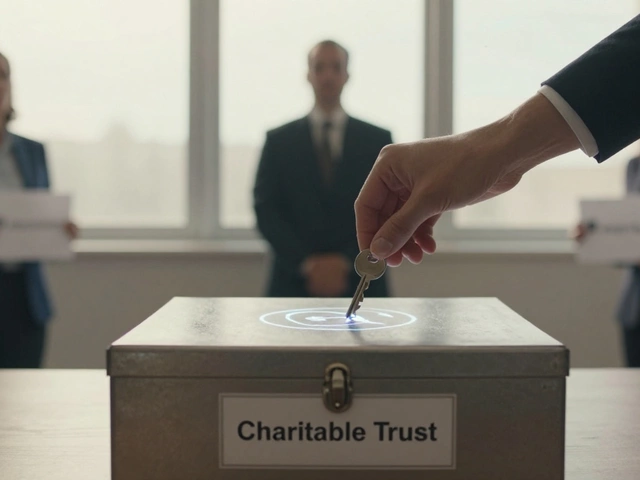
A charitable trust is a legal structure where you put money or assets - like cash, property, or shares - into a trust fund. The trust then uses those funds to support charities, causes, or community projects. You don’t give the money away all at once. Instead, you let it grow over time, and the trust distributes income or capital to nonprofits year after year.
Think of it like planting a tree. You plant the seed (your donation), and for decades, that tree keeps giving fruit (funding) to organizations that need it. The trust is managed by trustees - usually people you choose - who make sure the money is used exactly as you intended.
In New Zealand, charitable trusts must be registered with Charities Services. That means they’re held to strict standards: they must have a clear charitable purpose, spend money only on that purpose, and file annual reports. No hidden agendas. No misuse. Just real, transparent impact.
What You Can Fund With a Charitable Trust
Here’s where it gets interesting. A charitable trust doesn’t just write checks to big charities. It can fund projects that regular donations can’t touch. For example:
- Supporting a local food bank that serves rural communities with no public transport
- Funding free mental health workshops for Māori youth in Taranaki
- Providing scholarships for low-income students to study environmental science at Victoria University
- Restoring a historic community hall in Nelson that’s been closed for years
- Buying specialized equipment for a small disability support group in Dunedin
You’re not limited to one cause. Many trusts split their giving across multiple areas - education, environment, health, culture - depending on what matters most to you. Some even let future trustees adjust the focus as community needs change.
One trust in Hawke’s Bay started by helping elderly residents get home-delivered meals. Over 15 years, it expanded to include free Wi-Fi access in public libraries, because the trustees noticed seniors were isolated and couldn’t connect online. That kind of flexibility? Only possible with a trust.
Why It’s Better Than Just Donating
If you give $10,000 to a charity this year, it’s gone. Done. The trust version? You put $10,000 into a trust, it earns interest, and each year, $500 goes out. That’s 20 years of giving - with the same $10,000.
Plus, you get tax benefits. In New Zealand, donations to registered charitable trusts are tax-deductible. If you donate assets like property or shares, you might avoid capital gains tax. That means more money stays in the system to help others.
And here’s something few people realize: a trust can outlive you. You can name successors as trustees - your kids, a friend, a community leader. That way, your values keep working long after you’re gone. It’s not just giving. It’s legacy-building.

Who Can Set One Up?
You don’t need a lawyer or a fortune. While big trusts often involve legal help, you can start small. The minimum to open a charitable trust in New Zealand? Around $5,000. Some community foundations even offer “donor-advised funds” - think of them as starter trusts. You contribute, choose where the money goes, and they handle the paperwork.
Teachers, small business owners, retirees - they’re the ones setting up the most meaningful trusts. One Wellington retiree, Margaret, started a $20,000 trust after selling her family home. She didn’t want her money sitting in a bank. Now, every year, her trust gives $800 to a local after-school program that helps kids from refugee families learn English. She checks in once a year. That’s it. But for those kids? It’s life-changing.
Common Myths About Charitable Trusts
Let’s clear up some noise:
- Myth: You need to be rich to start one.
Truth: You need commitment, not cash. $5,000 is enough to begin. - Myth: It’s too complicated.
Truth: Charities Services and community foundations offer free guides. Most trusts are set up in under four weeks. - Myth: Once you give, you lose control.
Truth: You choose the trustees, the purpose, and how often money is given out. You can even write rules into the trust deed. - Myth: Only big charities benefit.
Truth: Small, local groups often get more from trusts than from big national donors.
Real Impact: A Trust That Changed a Town
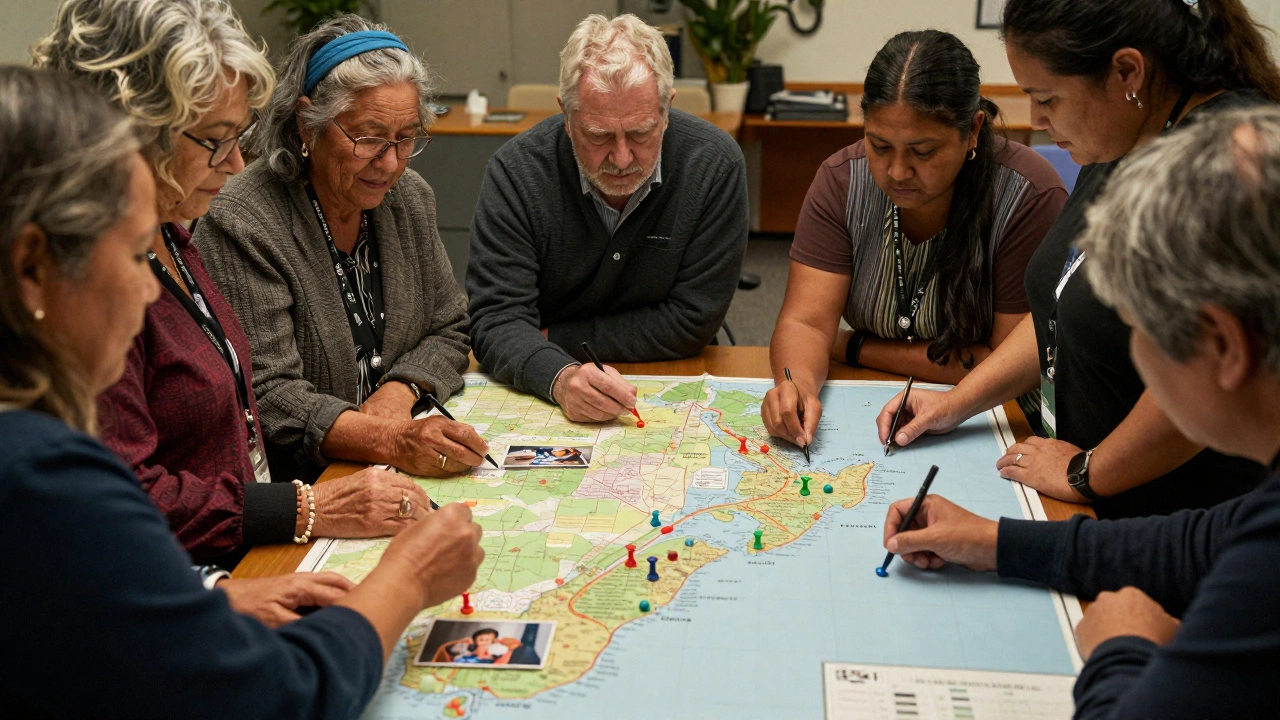
In the town of Kaikōura, after the 2016 earthquake, a group of locals pooled $15,000 to create a charitable trust. Their goal? Help rebuild community spirit. They didn’t fund new roads. They funded storytelling nights, art workshops for kids, and free hot meals for fishers who lost their boats.
Five years later, the trust had grown to $80,000. It now supports a youth mentorship program that pairs teens with elders. The town’s suicide rate dropped 40%. Not because of a government program. Because a small group of people decided to give - wisely - over time.
How to Get Started
If you’re thinking about a charitable trust, here’s what to do next:
- Decide what cause matters most. Be specific. Not just "helping people," but "supporting disabled artists in Christchurch."
- Figure out how much you can give. Even $1,000 a year, over 10 years, adds up.
- Choose trustees. Pick people you trust - and who care about your cause. At least two, preferably three.
- Register with Charities Services. It’s free. Use their online tool. They’ll walk you through it.
- Open a bank account for the trust. Most banks have special accounts for charities.
- Start giving. Even small grants make a difference. Track what you fund. Share stories. Let people know their lives are changing.
You don’t need to be perfect. You just need to start.
Can I change the purpose of my charitable trust later?
Yes - but only under strict conditions. If the original purpose becomes impossible or outdated (like funding a building that’s been torn down), you can apply to the Charities Services to amend the trust deed. You’ll need to show the change still serves a charitable purpose and gets approval from the regulator. It’s not automatic, but it’s possible.
Can I use my charitable trust to help my family?
No. Charitable trusts must benefit the public, not private individuals. You can’t use it to pay for your child’s university fees or fund your cousin’s business. Any benefit must be open to a broad group - like "all students in Wellington who need tutoring" - not just your relatives. Violating this rule can lose the trust’s tax status.
How long does it take to set up a charitable trust?
If you have everything ready - your trust deed, trustee names, and donation - registration with Charities Services takes about 2 to 4 weeks. Some community foundations can get you up and running in under a week if you use their donor-advised fund setup. The paperwork isn’t heavy. The real work is deciding what you care about.
Do I need a lawyer to set up a charitable trust?
Not always. For simple trusts - one purpose, one donor, small amount - you can use templates from Charities Services or community foundations. But if you’re donating property, shares, or complex assets, or want legal protection, hiring a lawyer who specializes in trusts is smart. It costs $500-$1,500, but it prevents headaches later.
Can I donate non-cash items to a charitable trust?
Absolutely. Land, vehicles, artwork, even intellectual property like patents or royalties can be donated. The trust will sell or use them to generate income. For example, a trust in Rotorua accepted a piece of forest land and now uses the income from sustainable timber sales to fund environmental education. Non-cash gifts often come with big tax advantages, so talk to an advisor if you’re considering this.
What happens if the trustees stop managing the trust?
The Charities Services will step in. They’ll appoint new trustees or dissolve the trust if no one is willing to take over. That’s why it’s important to name backup trustees in your trust deed. Also, make sure your will mentions the trust - so your estate can continue supporting it if you pass away.
Final Thought: Giving That Lasts
A charitable trust isn’t about being generous once. It’s about being generous consistently. It’s the quiet, steady hand that keeps feeding a community, long after the headlines have moved on. You don’t need to be famous. You don’t need to be rich. You just need to care enough to start.