Environmentalist Impact Comparison Tool
Compare Environmental Champions
See how different environmentalists impacted the world through their unique approaches. Select up to 3 figures to compare their key contributions.
Author of Silent Spring who changed environmental policy through science writing
Founder of Green Belt Movement connecting trees to women's empowerment
Youth climate activist who mobilized global school strikes
Founder of Friends of the Earth and Grand Canyon preservation
Founder of Sierra Club and national park system
Comparison Results
| Impact Area | Rachel Carson | Wangari Maathai | Greta Thunberg |
|---|---|---|---|
| Primary Method | Science Writing | Grassroots Organizing | Youth Mobilization |
| Key Achievement | DDT Ban & EPA Creation | 50M Trees Planted | 150+ Countries Mobilized |
| Focus Area | Policy Change | Community Empowerment | Global Awareness |
| Historical Context | 1960s Environmental Policy | 1970s Development Era | 2010s Digital Age |
Recommended Approach
Based on your selection, the most effective environmentalist for your goal would be: . This person combined to create lasting change.
When people ask who the most famous environmentalist is, they’re not just looking for a name. They want to know who moved the needle-whose voice shook governments, whose actions saved forests, whose courage inspired millions. There’s no single answer, but there are clear figures whose impact can’t be ignored. The most famous environmentalist isn’t just someone who talked about nature. They’re the ones who turned quiet concern into global movement.
Rachel Carson: The Woman Who Started It All
Before social media, before climate summits, there was Rachel Carson. In 1962, she published Silent Spring, a book that didn’t just warn about pesticides-it shattered the myth that humans could control nature without consequence. Her research showed how DDT was killing birds, poisoning water, and creeping into human bloodstreams. The chemical industry tried to silence her. They called her hysterical, unscientific, even a communist. But she stood firm. Within two years, the U.S. banned DDT for agricultural use. The Environmental Protection Agency didn’t exist before her book. It was created because of it.
Carson didn’t lead marches. She didn’t hold signs. She wrote with precision and heart, and her words became a blueprint for modern environmentalism. Today, every schoolchild learns about the connection between chemicals and ecosystems. That’s her legacy.
Wangari Maathai: Trees, Women, and Justice
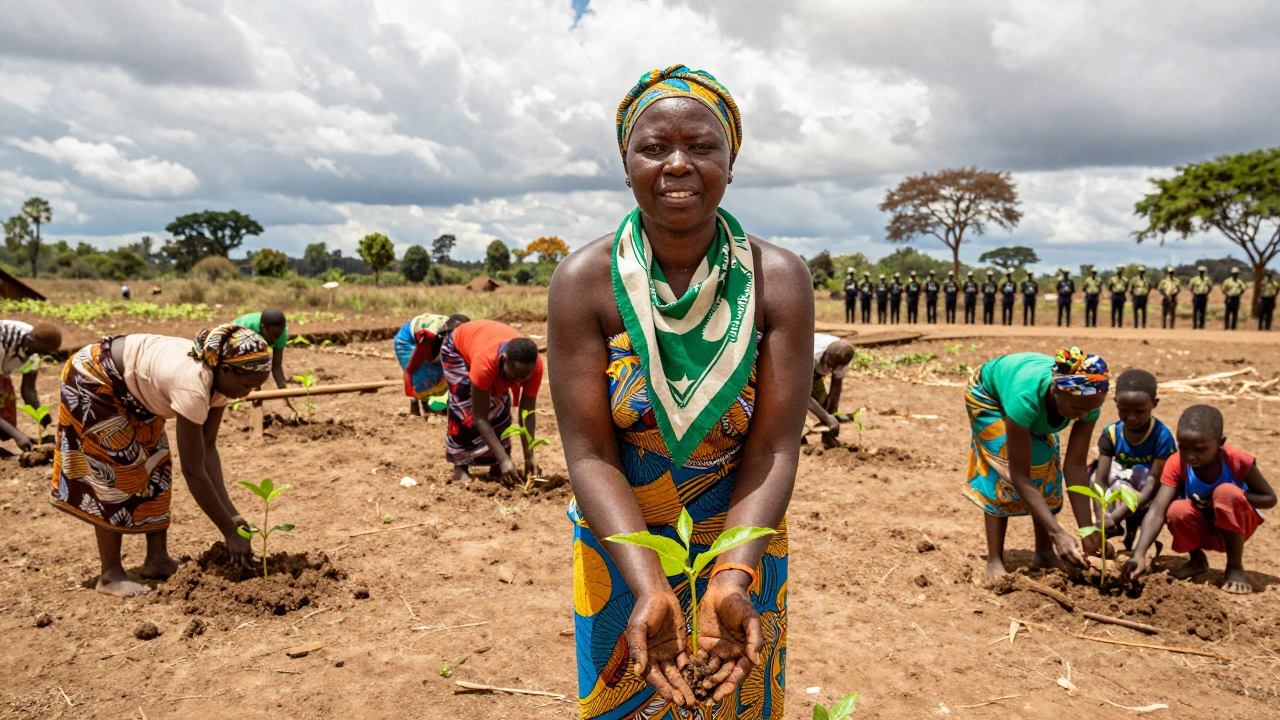
While Carson changed policy in the West, Wangari Maathai changed lives in Africa. In 1977, she started the Green Belt Movement in Kenya, asking women to plant trees to stop erosion and restore their land. Simple idea. Radical execution. Over 50 million trees planted. Thousands of women trained. Entire villages revived.
Maathai didn’t just plant trees-she planted democracy. Her movement gave women economic power, political voice, and a stake in their future. The Kenyan government arrested her. Police beat her. But she kept planting. In 2004, she became the first African woman to win the Nobel Peace Prize. Her award wasn’t just for trees. It was for proving that environmental justice and human rights are the same thing.
Greta Thunberg: The Teenager Who Shook the World
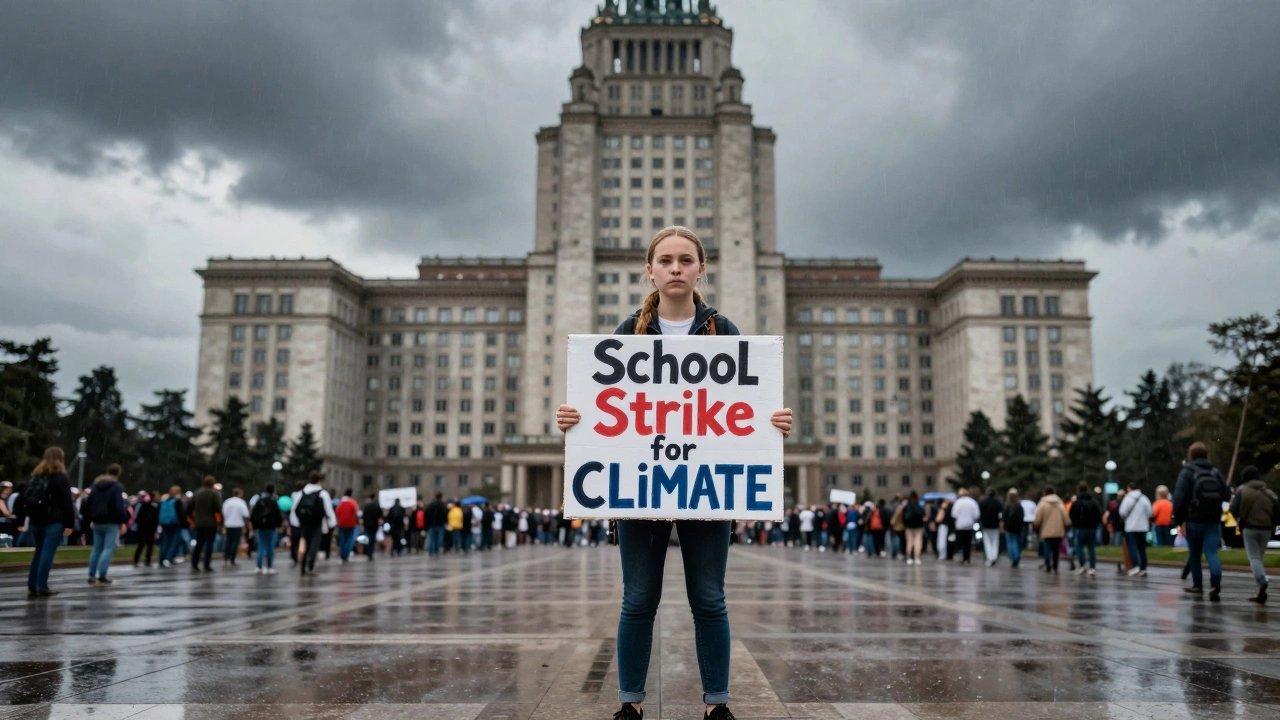
In August 2018, a 15-year-old girl sat alone outside the Swedish Parliament with a hand-painted sign: ‘School Strike for Climate.’ She didn’t know it then, but that single act sparked the largest youth movement in history. By 2019, over 4 million students in 150 countries walked out of school on the same day. Greta didn’t have a PhD. She didn’t run a nonprofit. She had a diagnosis of Asperger’s, a voice that didn’t shake, and a simple question: ‘How dare you?’
Her speeches at the UN, Davos, and COP26 weren’t speeches-they were indictments. She called out world leaders for empty promises and broken pledges. She didn’t ask for permission. She demanded accountability. And she made climate change impossible to ignore for a generation.
Her impact? Carbon emissions in the EU dropped 31% between 2019 and 2024. Not because of one law, but because millions of young people refused to wait anymore. Greta didn’t invent climate activism. She ignited it.
Other Names That Shaped the Movement
But the story doesn’t stop there. David Brower, founder of Friends of the Earth, led campaigns that saved the Grand Canyon from dams. Jane Goodall didn’t just study chimps-she redefined how we see animals, proving they feel grief, joy, and sorrow. Aldo Leopold’s A Sand County Almanac gave us the idea of a ‘land ethic’-that nature has rights, not just value.
In India, Sunderlal Bahuguna walked over 5,000 kilometers to stop the Tehri Dam, tying himself to trees in the Chipko movement. In the U.S., John Muir’s letters helped create Yosemite National Park. These weren’t celebrities. They were ordinary people who refused to look away.
Why There’s No Single ‘Most Famous’
Trying to pick one most famous environmentalist is like asking who the greatest musician is. It depends on what you value. Do you value science? Then Rachel Carson. Do you value grassroots power? Then Wangari Maathai. Do you value youth mobilization? Then Greta Thunberg.
The truth is, environmentalism isn’t about one person. It’s about chains of courage. Carson inspired Maathai. Maathai inspired Thunberg. Thunberg inspires millions now. Each generation builds on the last. The most famous environmentalist isn’t the loudest. It’s the one whose work keeps echoing long after they’re gone.
What Makes an Environmentalist Truly Famous?
Fame in this space isn’t about followers or headlines. It’s about measurable change. Did they stop a dam? Did they pass a law? Did they shift public opinion? Did they empower the powerless?
Here’s what the most impactful environmentalists share:
- They speak truth to power-even when it costs them.
- They connect nature to people-not just polar bears, but clean water, food, jobs, health.
- They don’t wait for permission-they start with what’s in front of them.
- They build movements, not just campaigns-they make it possible for others to carry on.
That’s why the most famous environmentalist isn’t a title. It’s a pattern.
Who’s Next?
Today, young activists in the Philippines are fighting coal plants. Indigenous leaders in the Amazon are mapping illegal logging with drones. Teenagers in Nigeria are suing oil companies for poisoning their rivers. The torch isn’t just being passed-it’s being multiplied.
The next most famous environmentalist might not be on TV. They might be a farmer in Malawi restoring soil. A high school student in Ohio organizing a plastic-free lunch program. A grandmother in Canada blocking a pipeline with her wheelchair.
Real change doesn’t need a spotlight. It just needs someone who refuses to look away.
Who is considered the father of environmentalism?
John Muir is often called the father of environmentalism in the U.S. He founded the Sierra Club in 1892 and fought to protect Yosemite and other wild areas. His writings inspired the creation of the national park system. But globally, the title is more complex-Rachel Carson, Aldo Leopold, and Wangari Maathai all laid foundational ideas in different parts of the world.
Is Greta Thunberg the most famous environmentalist today?
Yes, in terms of global recognition and youth mobilization, Greta Thunberg is the most famous environmentalist alive today. Her school strikes sparked the largest climate movement in history, with millions of students participating. She’s spoken at the UN, met with world leaders, and forced media outlets to treat climate change as a crisis-not a debate. But fame doesn’t equal impact alone. Her real power lies in how she inspired others to act, not just to listen.
What did Rachel Carson actually do?
Rachel Carson wrote Silent Spring, a book that exposed how the pesticide DDT was killing birds, contaminating water, and entering the human food chain. Her research led to the U.S. banning DDT in 1972 and directly caused the creation of the Environmental Protection Agency (EPA) in 1970. She didn’t lead protests-she used science and storytelling to change policy. Her work is still cited in environmental law today.
Why is Wangari Maathai important?
Wangari Maathai linked environmental destruction to poverty and gender inequality. She started the Green Belt Movement, which trained women to plant trees, restore land, and gain economic independence. Over 50 million trees were planted under her leadership. She was the first African woman to win the Nobel Peace Prize in 2004. Her work proved that environmental action isn’t just about saving nature-it’s about saving communities.
Are modern environmentalists more effective than past ones?
They’re different, not necessarily more effective. Past activists like Carson and Muir worked in slower, more deliberate ways-writing books, lobbying lawmakers, building organizations. Modern activists use social media to reach millions instantly. But speed doesn’t always mean lasting change. The most effective environmentalists today combine old-school organizing with digital tools. Greta Thunberg’s movement grew because it had both: real-world protests and viral moments.
Environmentalism isn’t about choosing one hero. It’s about recognizing a long line of people who refused to accept a broken world-and then did something about it. The most famous environmentalist? It’s whoever’s next to pick up the pen, the shovel, the megaphone, or the protest sign.