Homelessness Geography & Impact Calculator
Compare State Data
Select a state to view its specific Point-in-Time (PIT) count metrics and primary drivers.
Cost Savings Estimator
Calculate the potential annual savings for a community by shifting from punitive measures to "Housing First" supportive housing.
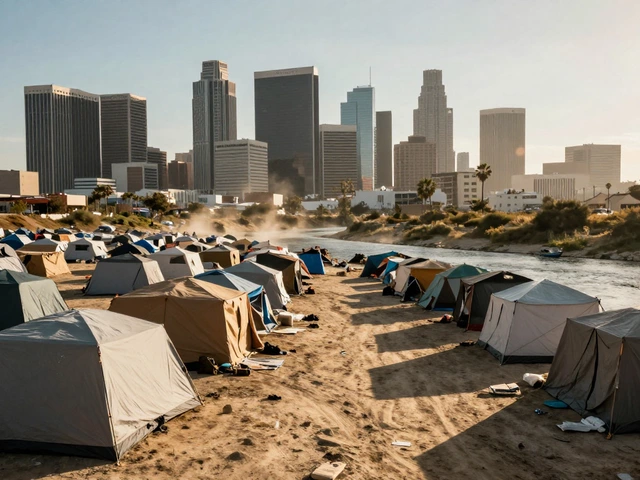
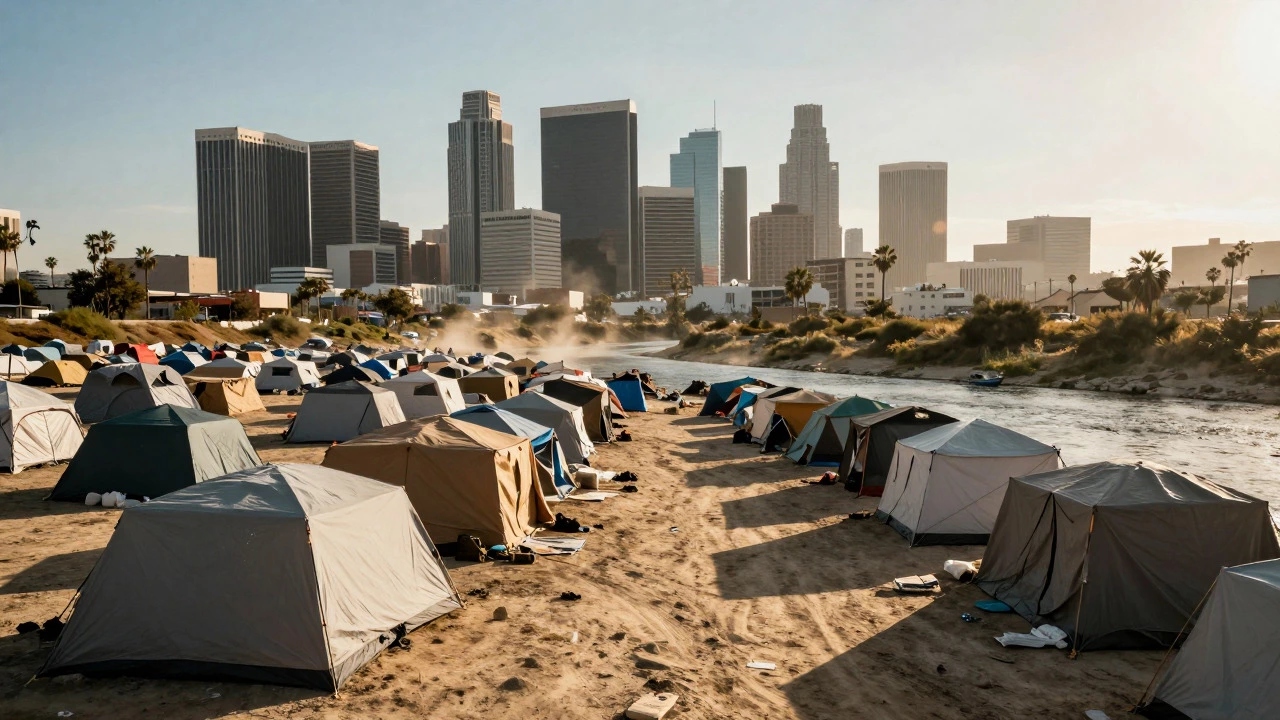
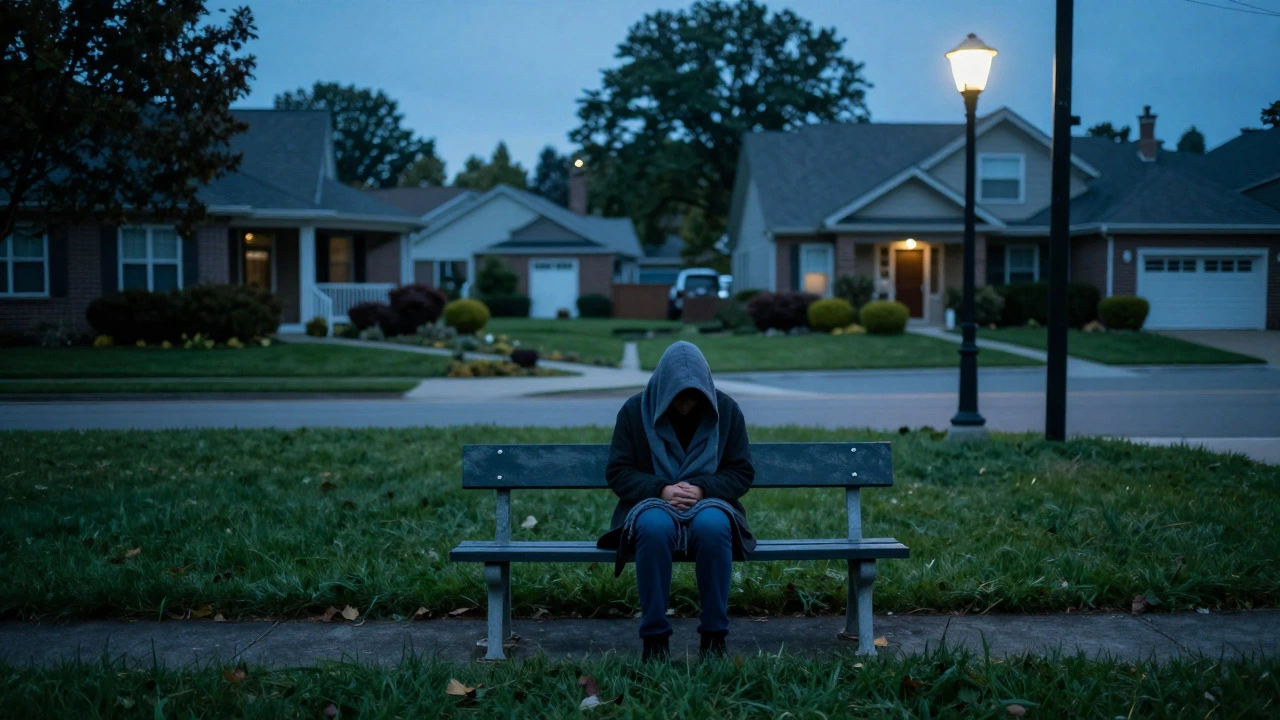
When you picture homelessness, what comes to mind? Is it a tent city in a major metropolis like Los Angeles or New York? Or is it a solitary figure sleeping on a park bench in a quiet suburb? The reality is far more complex than the stereotypes suggest. While we often associate homelessness with dense urban centers, the data tells a different story about where most unhoused individuals actually reside.
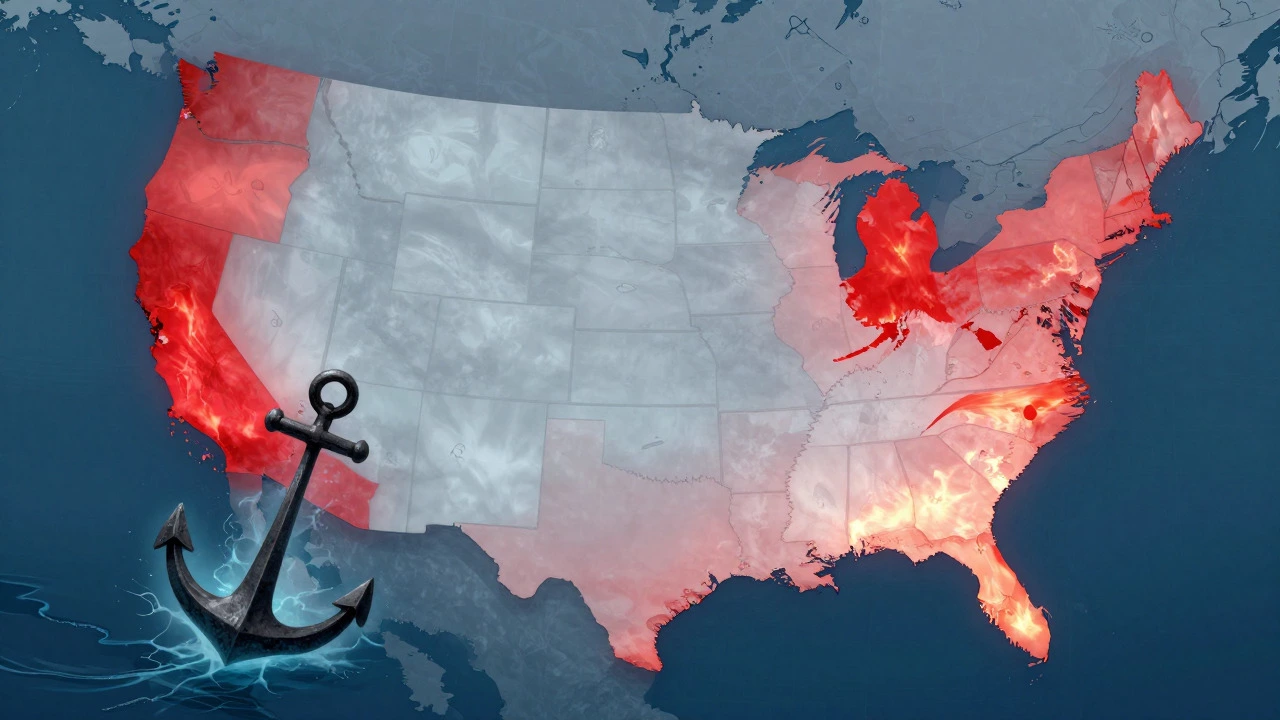
The short answer is that most homeless people live in California. In fact, one out of every four homeless individuals in the United States calls the Golden State home. However, looking only at total numbers misses the bigger picture. When you look at rates per capita, states like Hawaii and Alaska face significantly higher concentrations of homelessness relative to their populations. Understanding these geographic nuances is critical for anyone looking to volunteer, donate, or advocate for effective policy changes.
The National Landscape: Who Counts?
To understand where homeless people live, we first need to understand how they are counted. The primary source of this data is the Point-in-Time (PIT) Count, an annual census conducted by the U.S. Department of Housing and Urban Development (HUD). This survey takes place on a single night each January. It captures two distinct groups:
- Sheltered Homelessness: Individuals and families staying in emergency shelters, transitional housing, or safe havens.
- Unsheltered Homelessness: People living in places not meant for human habitation, such as cars, parks, abandoned buildings, or sidewalks.
In recent years, the trend has shifted dramatically toward unsheltered homelessness. This shift is largely driven by rising rents, a shortage of affordable housing units, and the closure of some shelter beds due to pandemic-related protocols or funding shifts. For example, in 2023 and early 2024 data, over half of all homeless individuals in the U.S. were unsheltered. This means that traditional shelter-based solutions are no longer sufficient to address the scale of the crisis.
California: The Epicenter of Unsheltered Homelessness
If you map the total number of homeless people across the country, California dominates the chart. With a population of nearly 40 million, it hosts the largest absolute number of unhoused residents. But why California?
Several factors converge here. First, the cost of living in major hubs like San Francisco, Los Angeles, and San Diego has skyrocketed. Wages have not kept pace with rent increases. Second, California has strict zoning laws and environmental regulations that make building new affordable housing slow and expensive. Third, the state has a significant population of individuals struggling with severe mental illness and substance use disorders, who often fall through the cracks of the healthcare system.
The visual impact of unsheltered homelessness in cities like LA and SF is stark. Tent encampments line riverbeds and medians. This visibility drives political pressure but also leads to "encampment sweeps," which often displace people without providing permanent housing solutions. For volunteers and donors, understanding this context is vital. Simply donating blankets to a shelter in San Francisco helps, but advocating for housing-first policies addresses the root cause.
The Per Capita Problem: Hawaii and Alaska
Total numbers can be misleading. If you divide the number of homeless people by the state’s total population, the rankings change drastically. This metric, known as the rate of homelessness per 10,000 people, reveals where the crisis is most intense relative to community size.
Hawaii consistently ranks as having the highest rate of homelessness in the nation. Why? The islands have some of the most expensive real estate in the world. There is virtually no vacant land available for low-cost development. Additionally, the cultural and logistical challenges of island life mean that social services are harder to deploy efficiently. Many homeless individuals in Hawaii are Native Hawaiians facing historical displacement and economic marginalization.
Alaska follows closely behind. The harsh climate makes unsheltered homelessness particularly deadly. In Fairbanks or Anchorage, temperatures can drop well below freezing. Here, the lack of indoor space isn't just uncomfortable; it's a matter of survival. The high cost of transporting materials to remote Alaskan communities further inflates construction costs, limiting affordable housing options.
| State | Total Homeless Population (Approx.) | Rate per 10,000 People | Primary Driver |
|---|---|---|---|
| California | ~175,000+ | ~44 | Housing Affordability Crisis |
| Hawaii | ~6,000+ | ~50+ | Extreme Real Estate Costs |
| Alaska | ~3,000+ | ~40+ | Climate & Remote Infrastructure |
| New York | ~80,000+ | ~10 | Urban Density & Mental Health |
| Texas | ~30,000+ | ~10 | Rural Poverty & Job Loss |
Urban vs. Rural: The Hidden Crisis
We tend to focus on cities because that’s where the headlines are. However, rural homelessness is growing and is often invisible. In rural areas, there may be no emergency shelters at all. An individual experiencing homelessness might couch-surf, live in a car parked on a private driveway, or stay in a distant town to avoid stigma.
States like Texas, Florida, and Arizona have large rural populations. In these regions, the causes of homelessness differ from coastal cities. It’s less about extreme gentrification and more about poverty, lack of public transportation, and limited access to healthcare. If you lose your job in a rural town and don’t own a car, your options evaporate quickly. There are no subway lines to follow to a food bank or shelter.
This invisibility makes rural homelessness harder to track and fund. Federal grants often prioritize urban areas with larger visible populations. As a result, rural communities must rely heavily on local charities and faith-based organizations. For someone looking to help, supporting rural outreach programs can have a disproportionately high impact because competition for resources is lower.
Who Is Experiencing Homelessness?
Geography is only part of the equation. Demographics play a huge role in where and how people experience homelessness. The profile of the homeless population is shifting.
- Veterans: Thanks to targeted federal initiatives like HUD-VASH vouchers, veteran homelessness has decreased significantly over the last decade. However, those remaining are often dealing with complex trauma and health issues.
- Families with Children: Families rarely end up unsheltered. They usually cycle through emergency shelters. The primary driver here is eviction due to rent burden. A single medical bill or job loss can push a working family into homelessness.
- Youth: LGBTQ+ youth are disproportionately represented in the homeless population. Family rejection is a leading cause. These young people often age out of foster care without support networks, landing them on the streets.
- Chronically Homeless Individuals: This group consists of people who have been homeless for a year or more and have a disabling condition. They are the most likely to be unsheltered and require intensive supportive housing rather than just a bed.
Understanding these demographics helps tailor solutions. A family needs rental assistance and childcare support. A veteran needs mental health care and stable housing. A youth needs education and family mediation services. One-size-fits-all approaches fail because the needs are so diverse.
Why Does Location Matter for Solutions?
If you want to make a difference, knowing where homelessness is concentrated helps you allocate resources effectively. But it also highlights the need for localized strategies.
In California, the solution involves massive investments in affordable housing construction and zoning reform. In Hawaii, it requires creative land-use policies and protection for indigenous rights. In rural Texas, it might mean expanding mobile clinics and transportation subsidies. In New York, it’s about managing the vast shelter system while addressing mental health crises.
For volunteers, this means getting involved locally. Donating to a national charity is good, but volunteering at a local food bank or helping with a housing navigation program in your own city creates direct impact. If you live in a low-homelessness area, consider advocating for policies that prevent displacement before it happens. Prevention is always cheaper and more humane than remediation.
The Role of Policy and Economics
Homelessness is not just a personal failure; it is a structural issue. The gap between minimum wage and the cost of a modest apartment has widened in almost every major metro area. Without government intervention-such as rent control, housing vouchers, or inclusionary zoning-the market alone will not solve this problem.
The "Housing First" model has emerged as the most evidence-based approach. It argues that housing is a basic human right and should be provided without preconditions like sobriety or employment. Studies show that when people have a stable address, they are better able to seek treatment, find work, and maintain health. This model works in both urban and rural settings, though implementation varies.
Critics argue that Housing First is too expensive. However, research indicates that the cost of chronic homelessness-emergency room visits, jail stays, police interactions-is far higher than the cost of permanent supportive housing. Shifting funds from punitive measures to supportive housing saves money and saves lives.
How You Can Help Beyond Geography
Knowing where homeless people live is the first step. The next step is action. Here are practical ways to engage:
- Support Local Organizations: Identify shelters and outreach teams in your area. Even if your city doesn’t have a large homeless population, nearby cities might. Cross-border support is valuable.
- Advocate for Zoning Reform: Attend city council meetings. Push for policies that allow for more density and affordable housing units. NIMBYism (Not In My Backyard) is a major barrier to solving homelessness.
- Donate Strategically: Instead of just giving cash or clothes, consider donating to organizations that provide case management and housing navigation. These services help people transition out of homelessness permanently.
- Educate Yourself and Others: Challenge stereotypes. Homelessness is not always caused by addiction or laziness. Often, it’s a result of systemic failures. Sharing accurate information reduces stigma and encourages community support.
The question "Where do most homeless people live?" leads us to California in terms of volume, but to Hawaii and Alaska in terms of intensity. Yet, the crisis is everywhere. It hides in rural towns, suburban cars, and urban tents. By understanding the geography and the demographics, we can move beyond pity and toward effective, compassionate action. The solution isn’t just about building more shelters; it’s about building a society where everyone has a place to call home.
Which state has the highest number of homeless people?
California has the highest total number of homeless people in the United States, accounting for approximately 25% of the national homeless population. This is due to its large overall population and severe housing affordability crisis in major cities like Los Angeles and San Francisco.
What state has the highest rate of homelessness per capita?
Hawaii typically has the highest rate of homelessness per 10,000 residents. This is driven by extremely high housing costs, limited land availability, and unique socioeconomic challenges on the islands. Alaska and Connecticut also frequently rank high in per-capita rates.
Are most homeless people living in shelters or on the street?
In recent years, the majority of homeless individuals in the U.S. are unsheltered, meaning they live in cars, parks, abandoned buildings, or on the streets. This trend has increased due to shelter closures during the pandemic and a growing shortage of affordable housing options.
Why is homelessness so visible in cities like Los Angeles?
Los Angeles has a combination of high housing costs, a large population of individuals with severe mental health and substance use issues, and a history of underfunding social services. The lack of affordable housing forces many into unsheltered situations, making the crisis highly visible in public spaces.
Is homelessness increasing or decreasing in the US?
National homelessness rates have been increasing since 2020. While veteran homelessness has decreased, overall homelessness has risen due to post-pandemic economic pressures, expiring rental assistance programs, and continued housing shortages. Some regions see declines, but the national trend is upward.