Emergency Food Finder
Find free food assistance near you
Enter your zip code or city name to locate emergency food resources
If you’re hungry right now and have no money for food, you’re not alone-and you don’t have to go without. Millions of people face this exact situation every day, and there are real, working systems in place to help. You don’t need to feel ashamed. You don’t need to wait until things get worse. Help is available, and it’s easier to access than most people think.
Food banks are the first place to go
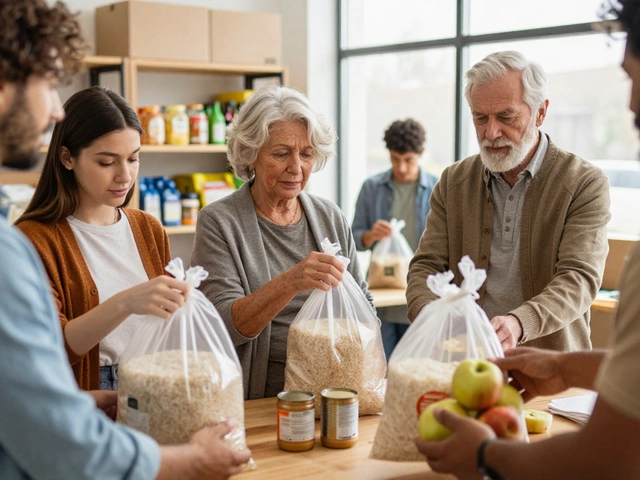
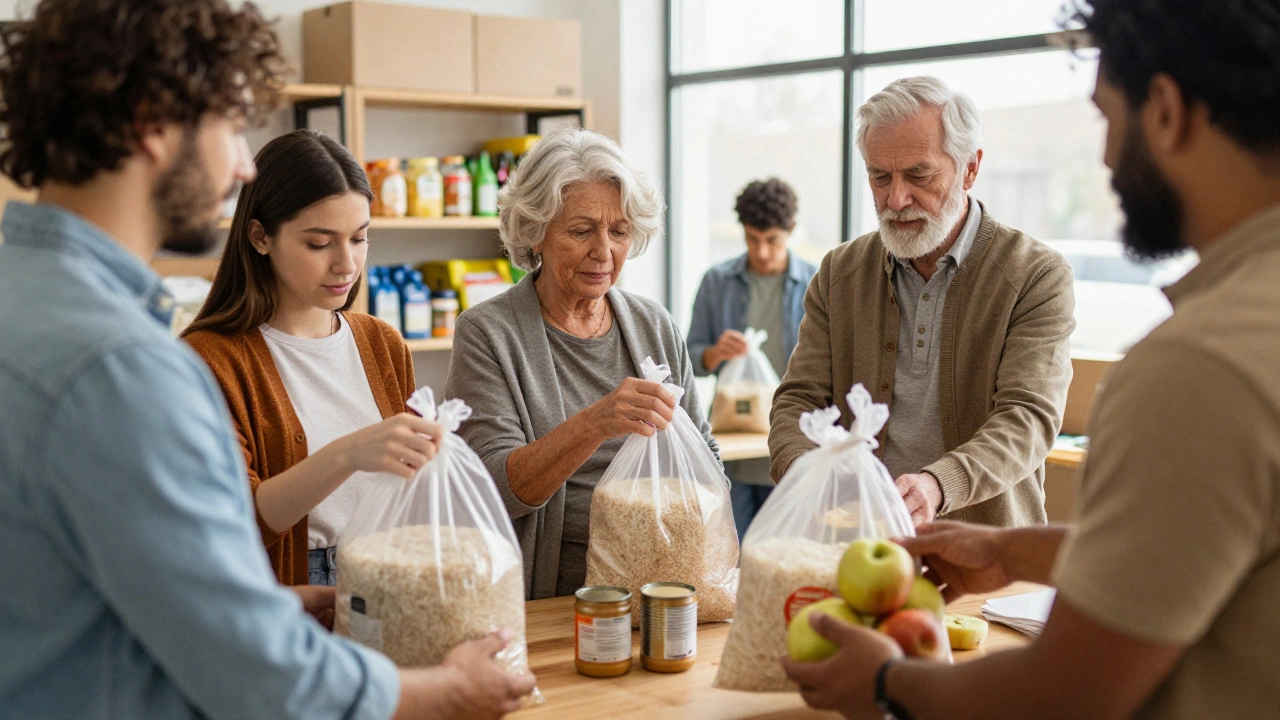
Food banks aren’t just for people living on the streets. They serve working parents, seniors on fixed incomes, students, and people between jobs. Most food banks give out groceries you can cook at home-rice, beans, canned vegetables, pasta, peanut butter, milk, and sometimes fresh produce or meat. You don’t need to prove you’re poor. You don’t need an ID. You don’t need to fill out a long application. Just show up.
In the U.S., Feeding America runs a network of over 200 food banks that serve 46 million people each year. That’s one in seven Americans. If you’re in a city or even a small town, there’s likely a food bank within a few miles. Use the Feeding America website’s search tool (or call 211, the national helpline) to find the closest one. Many operate on set days and hours, so check ahead. Some give out food once a month. Others have weekly distributions. A few even offer drive-thru pickup so you don’t even need to get out of your car.
Food pantries are often more convenient
Food pantries are smaller, neighborhood-based versions of food banks. They’re usually run by churches, community centers, or nonprofits. You’ll find them in places like local schools, libraries, or even storefronts. Many don’t require appointments. Some are open daily. Others are only open on weekends. They often have ready-to-eat meals or snacks, which is helpful if you can’t cook right now.
For example, in Chicago, the Greater Chicago Food Depository partners with over 700 pantries. In rural areas, a single pantry might serve a whole county. These places aren’t fancy, but they’re reliable. People who run them know what it’s like to be hungry. They’re not there to judge. They’re there to make sure you eat today.
Free meals are available at shelters and churches
If you need food right now-today, this hour-look for free meal programs. Many churches, shelters, and nonprofit centers serve hot meals every day. Some serve breakfast. Others serve lunch or dinner. Some do both. You don’t need to be homeless to get one. You just need to be hungry.
For example, Salvation Army locations across the country serve meals seven days a week. Catholic Charities runs similar programs in most major cities. Even some mosques, synagogues, and temples offer free meals to anyone who walks in. Call ahead or check their websites, but don’t wait. If you’re hungry, go now. The worst that can happen is they’re out of food. The best? You eat.
SNAP benefits can help you buy food next week
Food banks are for today. SNAP (Supplemental Nutrition Assistance Program) is for tomorrow. SNAP gives you a debit card loaded with money each month to buy groceries at stores like Walmart, Kroger, or even farmers’ markets. You can get it even if you’re working. You can get it if you’re in college. You can get it if you’re homeless.
The application process takes about 30 minutes online or over the phone. In most states, you’ll get approved within 7 days. In emergencies, you can get food stamps in as little as 24 hours. Call your state’s SNAP office or visit benefits.gov to start. If you don’t have internet, go to your local library. They’ll help you apply for free.
Even if you think you don’t qualify, apply anyway. Many people turn down help because they assume they make too much money. But the income limits are higher than most people realize. A single person can earn up to $1,700 a month in most states and still qualify. If you’re working part-time, you’re still eligible.

What to do if you’re in a rural area
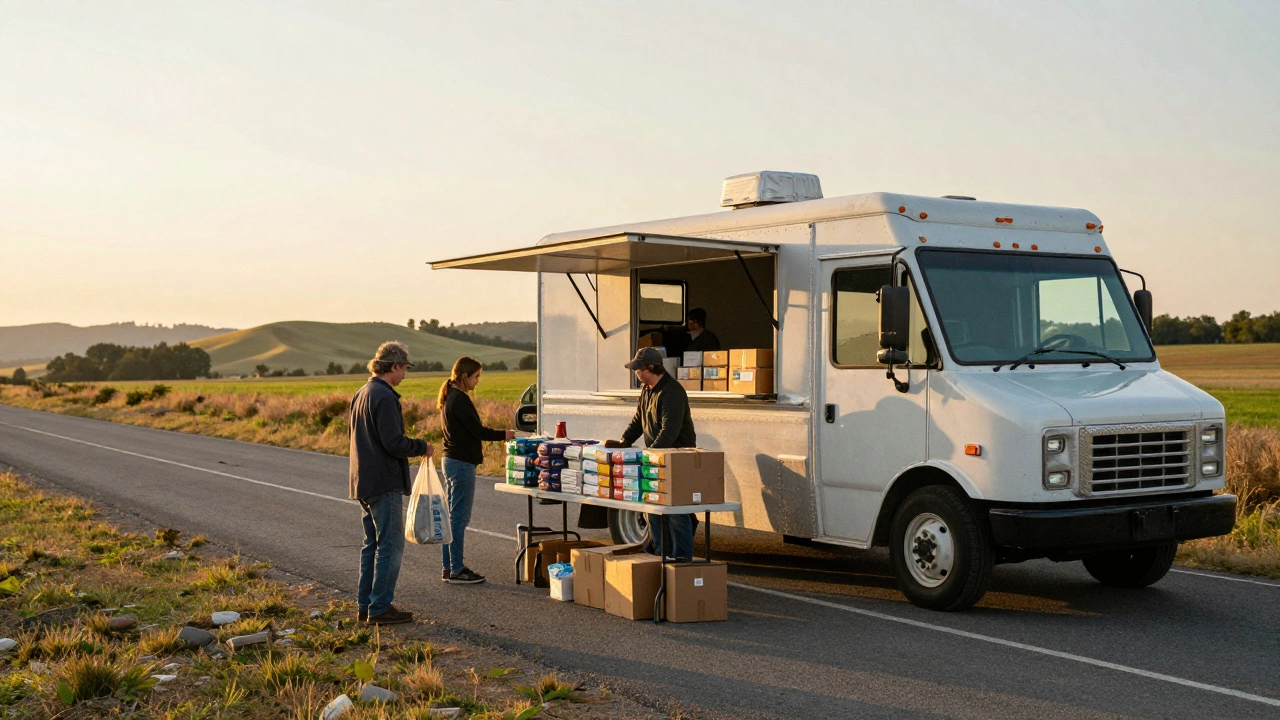
If you live outside a city, services might be farther away. But they still exist. Rural food banks deliver to towns with no grocery stores. Some partner with school buses to drop off food boxes. Others use volunteer drivers who bring groceries to people’s homes.
Call 211 again. Say you’re in a rural area. They’ll connect you with the nearest mobile food pantry or delivery program. In states like West Virginia or Mississippi, food banks have vans that drive through counties once a week. You can also check with your county’s social services office. They often have lists of local food aid programs you won’t find online.
Don’t wait for someone to notice you’re struggling
People don’t always see hunger. Someone might be your neighbor, your coworker, or the person sitting next to you at the bus stop. They might look fine. They might be quiet. But if you’re hungry, you deserve help. You don’t have to wait for someone to notice. You don’t have to be in crisis to ask.
There’s no shame in walking into a food pantry. There’s no shame in asking for a meal. Hunger doesn’t care about your pride. It only cares if you eat. The people who run these programs have seen it all. They’ve seen people cry. They’ve seen people too proud to come in. They’ve seen people come back month after month because life kept getting harder. They’re not there to make you feel small. They’re there to make sure you’re fed.
What you can take with you
When you go to a food bank or pantry, bring a bag or box. Some places give you bags, but not all. If you have a reusable shopping bag, bring it. If you have a cooler, bring that too-some places give out cold items like milk or cheese. If you’re picking up a meal, bring a container if you want to take food home. Most places are happy to let you take extra.
Don’t be afraid to ask for what you need. If you have kids, ask for kid-friendly food. If you’re diabetic, ask for low-sugar options. If you’re gluten-free, ask for gluten-free items. Many places now carry special dietary foods. Even if they don’t have it today, they’ll know where to send you next time.
What not to do
Don’t skip meals hoping you’ll save money. That doesn’t work. Your body needs fuel. Skipping food makes you tired, sick, and less able to work or find help.
Don’t buy cheap, unhealthy food just because it’s cheap. A bag of chips might fill you up for a few minutes, but it won’t give you energy. You need protein, fiber, and vitamins. Food banks give you those things. Use them.
Don’t wait until you’re too weak to move. If you’re dizzy, shaky, or nauseous from hunger, go to the nearest food pantry or shelter now. Don’t wait for tomorrow. Don’t wait for a friend to call. Go today.
Help doesn’t come with strings attached
You won’t be asked to work for food. You won’t be asked to pray. You won’t be asked to sign anything. You won’t be told to get a job first. You just walk in, get food, and leave. No questions. No judgment. No fine print.
That’s how it should be. Food isn’t a reward. It’s a basic human need. And every person, no matter their situation, deserves to eat.
What to do after you eat
Once you’ve eaten, take a breath. You’ve done something important-you took care of yourself. Now, think about next steps. Can you apply for SNAP? Can you call 211 again to find job training or childcare help? Can you ask a neighbor if they know of a food delivery program?
Help doesn’t end with one meal. It opens doors. One food bank might connect you to a job program. A church might offer free transportation to interviews. A social worker might help you get housing. You don’t have to do it all today. But take one step. Write down the phone number of the pantry you visited. Keep it in your phone or your wallet. Next time you’re hungry, you’ll know exactly where to go.
Can I get food from a food bank if I’m working?
Yes. Many people who use food banks have jobs. They just don’t earn enough to cover rent, bills, and food. Food banks don’t check your employment status. They help anyone who needs food, no matter their income.
Do I need proof of identity to get food?
Usually not. Most food banks and pantries don’t require ID, proof of income, or residency documents. Some may ask for your name or zip code to track usage, but they won’t turn you away if you can’t provide it.
How often can I visit a food bank?
It depends on the location. Some allow visits once a month. Others let you come weekly. A few offer emergency boxes anytime. Call ahead or check their website to find out their policy. If you need more, ask-they often have extra supplies.
Can I get food for my children?
Absolutely. Most food banks prioritize families. They offer kid-friendly foods like cereal, juice, fruit, and snacks. Some even have backpack programs that send food home with children on weekends.
What if I don’t have transportation?
Many food banks offer delivery or have mobile pantries that come to neighborhoods. Call 211 or your local food bank and ask if they provide transportation help. Some partner with ride-share services or community volunteers to bring food to people who can’t get there.