Rare Charity Budget Estimator
Based on real-world examples like The Quiet Room Project (serving 120 people annually with less than $10,000 budget).
Estimated Monthly Budget
Based on $83.33 per person per month (calculated from less than $10,000 annual budget for 120 people)
$0.00
Monthly budget required for quiet presence support
When people think of mental health charities, names like NAMI, Mind, or Crisis Text Line often come up. But there’s another kind of mental health charity-one that doesn’t run ads, doesn’t have a big website, and rarely shows up in search results. It’s quiet. It’s small. And it’s working in ways most people never see. This isn’t about funding or fame. It’s about survival. And the most rare mental health charity isn’t defined by how many people it reaches, but by how deeply it reaches them.
What Makes a Mental Health Charity Rare?
A rare mental health charity doesn’t fit the mold. It doesn’t take government grants. It doesn’t partner with pharmaceutical companies. It doesn’t run 24/7 hotlines or host annual galas. Instead, it operates on trust, silence, and personal connection. These organizations often exist in one town, one neighborhood, or even inside a single community center. They’re run by volunteers who’ve been through the same struggles they’re helping others with. Their budget? Sometimes less than $10,000 a year. Their impact? Lifetimes.
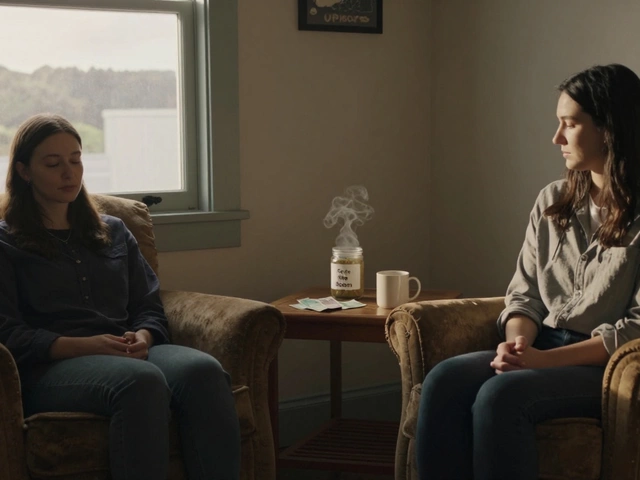
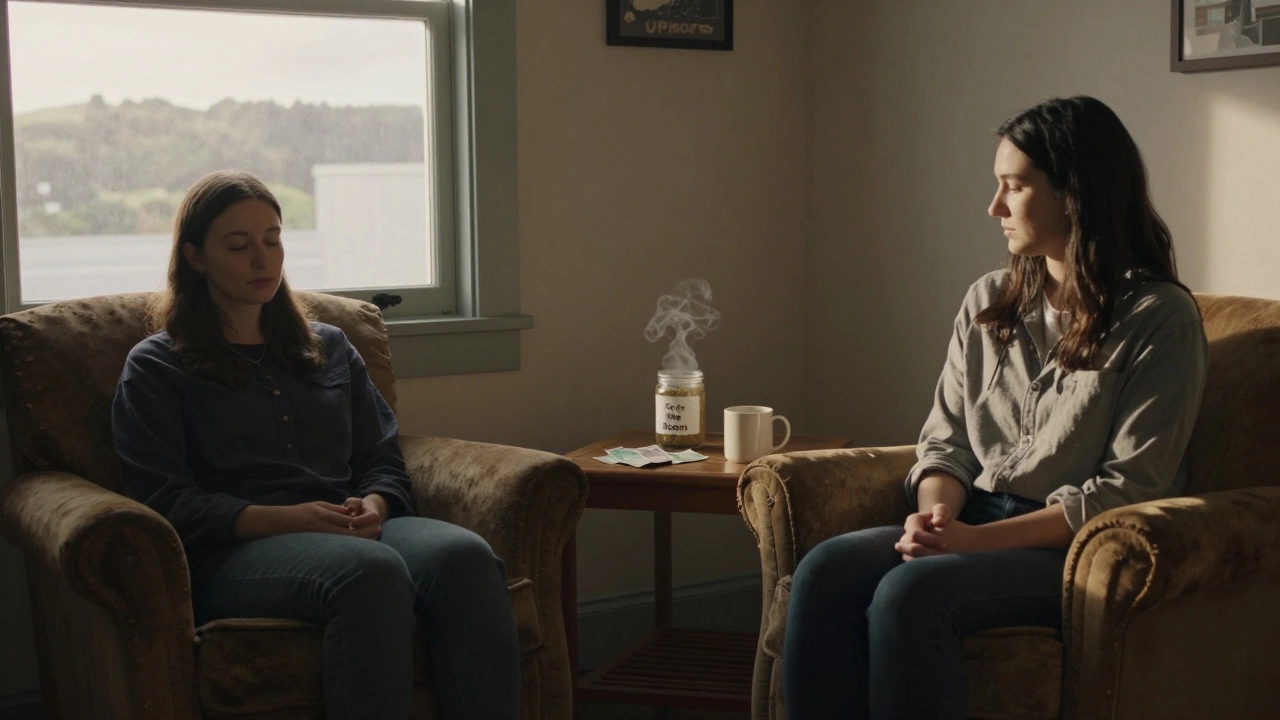
One example is The Quiet Room Project a grassroots mental health initiative based in Wellington, New Zealand, that offers free, one-on-one peer support sessions in quiet, private spaces-no therapy, no diagnosis, no forms to fill out. Started in 2019 by a former psychiatric nurse and a trauma survivor, it began with two chairs in a rented room above a bookstore. Today, it serves about 120 people a year. That’s not a lot compared to national organizations. But for those 120, it’s everything.
How It Works: No Therapy, Just Presence
The Quiet Room Project doesn’t claim to cure anything. It doesn’t use clinical language. There are no CBT worksheets or mood trackers. Instead, people come in and sit. They talk. Or they don’t. The volunteer-always someone who’s lived with depression, anxiety, or psychosis-doesn’t give advice. They don’t fix. They just stay.
People show up after losing a job. After a suicide attempt. After being discharged from hospital with no follow-up. Some come once. Others come every week for months. The rule? No questions unless the person asks first. No pressure to speak. No expectations to get better. Just a safe space where silence is respected, not feared.
This model is rare because it goes against everything modern mental health care promotes: efficiency, measurement, outcomes. But for those who’ve been failed by systems that demand progress reports and medication compliance, this is the first place they’ve felt seen.
Why It’s Not Found in Search Results
You won’t find The Quiet Room Project on Google Ads. It doesn’t have a Facebook page. It doesn’t accept donations online. It doesn’t even have a website. People hear about it through word of mouth-through a doctor’s quiet recommendation, a librarian who noticed someone lingering too long, a neighbor who showed up one day and never left.
Its funding comes from small monthly contributions from locals-$20 here, $50 there-collected in a jar on the counter. The rent is paid by a landlord who believes in the work. Volunteers are trained through a 12-hour course taught by past participants. There’s no certification. No license. Just lived experience and a promise: I won’t leave you alone.
This kind of charity is invisible by design. It doesn’t want to scale. It doesn’t want to be copied. It wants to stay small enough to remember every name, every face, every quiet tear.

Other Rare Mental Health Charities Like It
The Quiet Room Project isn’t alone. Across the world, similar groups exist under the radar:
- The Listening Bench in Manchester, UK, where volunteers sit on a painted bench in a park and offer to listen to anyone who sits beside them
- The Last Light Project in rural Oregon, which provides overnight stays for people in crisis-no police, no hospital, just a warm bed and someone to sit with until morning
- The Quiet Kitchen in Melbourne, Australia, where people cook meals together in silence, then eat without speaking. No therapy. Just shared presence.
These aren’t nonprofits in the traditional sense. They’re communities built around the simple, radical idea that sometimes, healing doesn’t need a plan. It just needs someone who won’t look away.
Why Most People Never Hear About Them
Big mental health charities need to raise money. They need to prove their programs work. They need metrics: reduced hospitalizations, improved PHQ-9 scores, increased app usage. These rare charities don’t track any of that. They don’t have the staff. They don’t have the funding. And honestly? They don’t want to.
They know that a person who sits quietly for 45 minutes with someone who doesn’t judge them might not show up on a graph. But they also know that person might not try to end their life that night. That’s the only number that matters here.
There’s a dangerous myth that mental health support must be professional, scalable, and measurable to be valid. These rare charities break that myth. They prove that care doesn’t need a license to be real.
Can You Start One?
Yes. But not the way you think.
You don’t need a nonprofit status. You don’t need a grant application. You don’t need a board of directors. You need one quiet room. One willing volunteer. And the courage to say: I’m not here to fix you. I’m here because I know what it’s like to feel broken and alone.
Start small. Find a space-a spare room, a library corner, a park bench. Sit. Wait. Let people come. Don’t ask why they’re there. Don’t push them to talk. Just be there. If someone comes back, they’ll bring a friend. If they don’t, that’s okay too.
This isn’t about building an organization. It’s about rebuilding trust-one silent hour at a time.
The Real Cost of Being Rare
These charities are rare because society doesn’t reward them. They don’t get media coverage. They don’t win awards. They don’t appear in annual reports. They’re often dismissed as "unprofessional" or "inefficient." But efficiency isn’t the goal. Humanity is.
When a person leaves The Quiet Room Project after three visits and doesn’t come back, the volunteer doesn’t call them to check in. They don’t send a survey. They don’t assume they’re "cured." They just hope they found a moment of peace. And if they didn’t? They’ll be there again tomorrow, waiting.
That’s the quietest kind of courage.