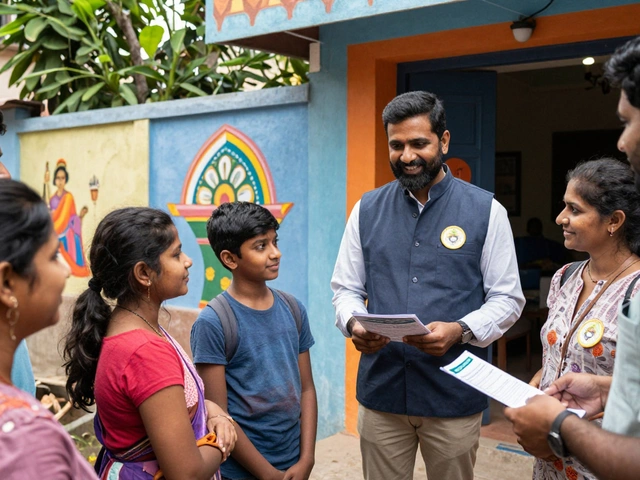
Outreach Job Title Finder
Not sure what to call your role? Select your primary audience and goal to find the most accurate job title for your resume or LinkedIn profile.
You’ve seen the job posting. It talks about building relationships, expanding reach, and connecting with new audiences. But the title? It’s a moving target. One day it’s Outreach Coordinator, the next it’s Partnership Manager, and sometimes it’s buried under something vague like Community Engagement Specialist. If you’re trying to figure out what to call yourself on LinkedIn or what role to apply for, the confusion is real. There isn’t just one job title for someone who does outreach. In fact, the title depends entirely on *who* you are reaching out to and *why*.
Outreach is essentially the act of initiating contact with people outside your immediate circle to achieve a specific goal. That goal might be selling software, helping homeless veterans find housing, or getting students excited about science. Because the goals vary so wildly, the job titles have splintered into different industries. Let’s break down exactly what these roles are called, what they actually do, and which one fits your career path.
The Core Community Outreach Titles
If you work in the nonprofit sector, government, or social services, "community" is usually the keyword. These roles focus on trust-building rather than transactions. You aren't trying to close a sale; you're trying to open a door.
Community Outreach Coordinator is perhaps the most common title in this space. This person is the bridge between an organization and the local population. They organize events, distribute resources, and listen to community feedback. For example, a food bank’s outreach coordinator might partner with local churches to identify families in need, ensuring no one falls through the cracks. The key metric here isn’t revenue; it’s participation rates and service utilization.
A step up from coordination is often the Director of Community Relations. While the coordinator executes the plans, the director sets the strategy. They decide *which* communities to engage with and *how* to measure success. This role requires a deeper understanding of sociology, demographics, and long-term impact assessment. If you enjoy high-level planning and managing teams of coordinators, this is the title to look for.
In healthcare and education, you’ll often see Patient Liaison or Student Success Officer. These are niche outreach roles. A patient liaison reaches out to discharged patients to ensure they follow their care plan, reducing readmission rates. A student success officer connects with at-risk youth to keep them enrolled in school. The core skill is empathy and consistent follow-up.
Business and Sales: The Revenue-Driven Outreach
In the corporate world, outreach has a price tag attached. Here, the goal is lead generation and brand awareness. The titles reflect a more aggressive, results-oriented mindset.
Business Development Representative (BDR) is the standard title for outbound sales outreach. BDRs spend their days cold-calling, sending personalized emails, and connecting on LinkedIn to book meetings for account executives. Unlike community outreach, this role is highly metric-driven. You live by numbers: calls made, emails sent, and appointments booked. If you thrive on rejection and love the thrill of the chase, this is the path.
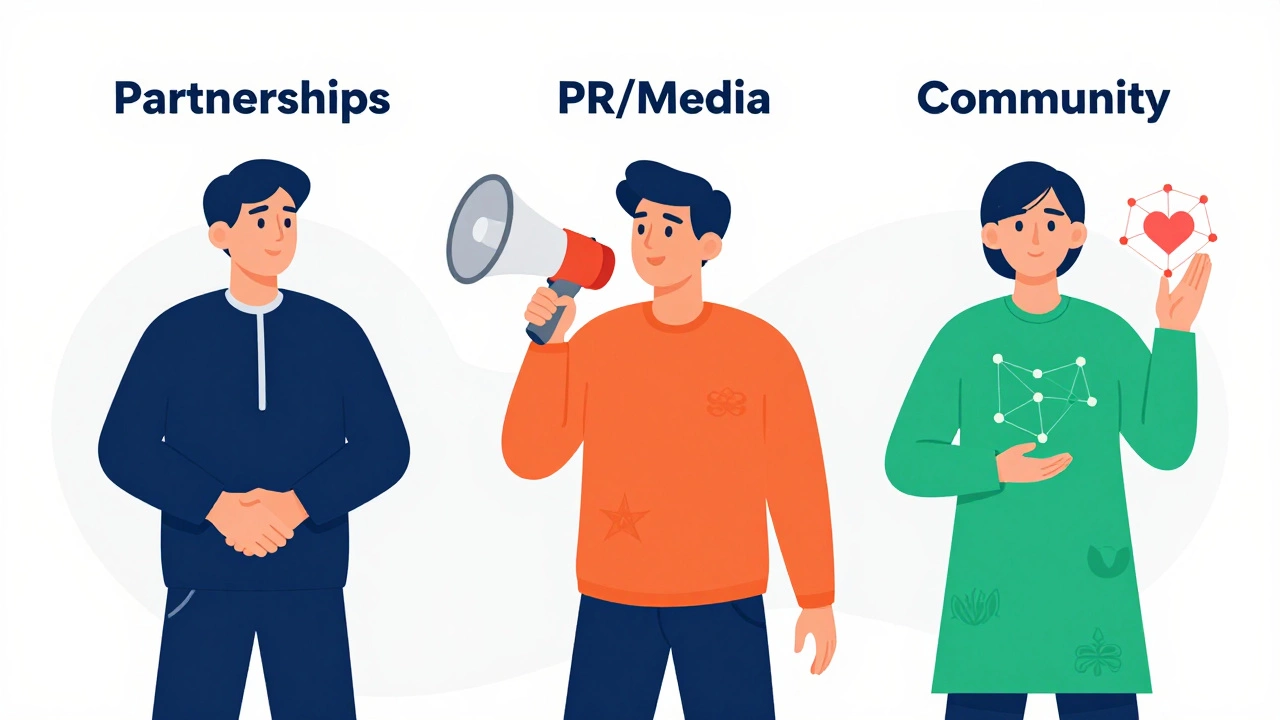
Another common title is Partnership Manager. This role focuses on B2B (business-to-business) outreach. Instead of calling individuals, you’re reaching out to other companies to create mutually beneficial alliances. For instance, a fitness app might hire a partnership manager to connect with gym chains, offering users free access in exchange for brand exposure. This requires negotiation skills and a strategic eye for value exchange.
In tech startups, you might encounter the title Growth Hacker or User Acquisition Specialist. These roles blend marketing, data analysis, and creative outreach. They experiment with unconventional channels-like viral referral programs or influencer collaborations-to rapidly expand the user base. It’s less about traditional networking and more about engineering growth through clever outreach tactics.
Public Relations and Government Affairs
Sometimes outreach is about protecting reputation or influencing policy. These roles operate in the public sphere, dealing with media, politicians, and stakeholders.
Public Relations (PR) Specialist manages outreach to journalists, bloggers, and influencers. Their job is to get positive coverage for their client or company. They pitch stories, draft press releases, and handle crisis communication. If a product launches with a bug, the PR specialist reaches out to the media to explain the fix and restore trust. This role requires excellent writing skills and a thick skin.
In the political and advocacy space, the title is often Government Affairs Associate or Lobbyist. These professionals reach out to legislators and regulators to influence laws and regulations. For example, an environmental group might hire lobbyists to advocate for stricter emissions standards. This form of outreach is highly specialized, requiring deep knowledge of legislative processes and strong relationship-building skills with elected officials.
Another related role is the Stakeholder Engagement Manager. Common in large infrastructure projects or mining operations, this person reaches out to local communities, indigenous groups, and environmental agencies to address concerns and gain social license to operate. It’s a delicate balance of listening, negotiating, and reporting back to senior leadership.

How to Choose the Right Title for Your Resume
If you’re crafting your resume or updating your LinkedIn profile, don’t just pick a fancy title. Align it with your actual activities and the industry you want to enter. Using the wrong title can confuse recruiters and hurt your chances.
| Job Title | Primary Goal | Key Skills | Typical Industry |
|---|---|---|---|
| Community Outreach Coordinator | Build trust & provide resources | Empathy, event planning, communication | Nonprofits, Government |
| Business Development Rep | Generate leads & sales | Persuasion, resilience, CRM usage | Tech, SaaS, Retail |
| Partnership Manager | Create B2B alliances | Negotiation, strategic thinking | Marketing, Tech, Media |
| Public Relations Specialist | Manage media & reputation | Writing, media pitching, crisis mgmt | Corporate, Entertainment |
| Government Affairs Associate | Influence policy & regulation | Research, lobbying, networking | Advocacy, Corporate Lobbying |
Ask yourself: Who am I talking to? If it’s customers, lean toward Business Development or Sales. If it’s the general public or vulnerable populations, choose Community Outreach or Social Services. If it’s the media, go with Public Relations. If it’s other businesses, Partnership Management is your sweet spot.
Also, consider the level of seniority. "Coordinator" and "Specialist" are entry-to-mid-level roles. "Manager" implies you oversee others or budgets. "Director" or "Head of" suggests strategic leadership. Don’t undersell yourself if you’ve been leading initiatives, but don’t inflate your title if you were primarily executing tasks assigned by others.
Skills That Matter Across All Outreach Roles
No matter the title, successful outreach professionals share a core set of skills. These are the traits that hiring managers look for, regardless of whether they’re recruiting for a charity or a Fortune 500 company.
- Active Listening: Outreach isn’t just talking; it’s hearing what the other person needs. Whether it’s a donor’s concern or a customer’s pain point, understanding their perspective is crucial.
- Clear Communication: You must be able to articulate value propositions simply and persuasively. This applies to emails, phone calls, face-to-face meetings, and written proposals.
- Resilience: Rejection is part of the job. Cold calls go unanswered. Emails get ignored. Events get canceled. The ability to bounce back and keep going is non-negotiable.
- Organization: Managing hundreds of contacts, follow-ups, and deadlines requires solid organizational skills. Most outreach pros use CRM (Customer Relationship Management) tools like Salesforce, HubSpot, or even well-structured spreadsheets.
- Cultural Competence: Especially in community outreach, understanding diverse backgrounds, languages, and cultural norms is essential for building genuine connections.
Tools of the Trade
Modern outreach relies heavily on technology. Knowing the right tools can make you more efficient and effective.
For Business Development, tools like LinkedIn Sales Navigator help identify prospects, while Apollo.io or Hunter.io find email addresses. Email sequencing platforms like Outreach.io automate follow-ups without losing the personal touch.
In Community Outreach, tools like Mailchimp manage newsletter lists, and Eventbrite handles ticketing and registration for community events. Social media management tools like Hootsuite help schedule posts and monitor conversations.
For Public Relations, media monitoring tools like Meltwater or Cision track mentions and help build media lists. Pitching platforms streamline the process of sending press releases to journalists.
Where to Find These Jobs
Don’t limit your search to generic job boards. Tailor your approach based on the type of outreach you want to do.
- Nonprofits & Community Roles: Check Idealist.org, CharityJob, and local government websites. Networking at community events is also highly effective.
- Business Development & Sales: LinkedIn Jobs, Indeed, and company career pages are best. Look for "Sales," "BD," or "Growth" teams.
- PR & Communications: PR Newswire, Muck Rack, and industry-specific associations often post opportunities.
- Government & Advocacy: USAJobs.gov (for federal roles), state government portals, and advocacy organization websites.
When applying, customize your resume to match the job title. If the posting says "Outreach Coordinator," use that phrase in your summary and bullet points. Applicant Tracking Systems (ATS) scan for keywords, so mirroring the language in the job description increases your chances of getting noticed.
Is "Outreach Specialist" a real job title?
Yes, "Outreach Specialist" is a common title, particularly in nonprofits, healthcare, and education. It generally refers to a mid-level role focused on implementing outreach strategies, engaging with target audiences, and reporting on engagement metrics. It’s broader than a coordinator role but less strategic than a director position.
What is the difference between outreach and marketing?
Marketing is broad and includes advertising, branding, and market research. Outreach is a subset of marketing (or communications) focused specifically on direct, proactive contact with individuals or groups. Marketing might run a billboard ad; outreach involves knocking on doors or sending personalized emails to build a relationship.
Do I need a degree to work in outreach?
It depends on the industry. Nonprofit and government roles often prefer degrees in Sociology, Public Administration, or Communications. Business development and sales roles prioritize experience and results over formal education. However, strong interpersonal skills and a track record of successful engagement are always more valuable than a diploma alone.
Can I transition from sales to community outreach?
Absolutely. Many skills transfer directly: persistence, communication, and relationship-building. To make the switch, highlight your experience in listening to client needs and solving problems. Emphasize any volunteer work or community involvement to show your passion for social impact rather than just revenue generation.
What are the highest-paying outreach jobs?
Roles in the corporate sector, particularly Enterprise Account Executive (high-level sales outreach) and Strategic Partnerships Director, tend to offer the highest compensation due to commission structures and equity packages. Government affairs and lobbying roles in major cities also command high salaries, especially for experienced professionals.