
Mental Health Challenge Navigator
Select one or more conditions you'd like to learn about, then choose relevant life factors to receive tailored insights and support recommendations.
Schizophrenia
Reality distortion, cognitive decline, positive and negative symptoms
Bipolar Disorder
Extreme mood shifts, manic highs and depressive lows
Treatment-Resistant Depression
Persistent hopelessness, fatigue, failed medication trials
Borderline Personality Disorder
Emotional dysregulation, relationship instability, fear of abandonment
Life Factors & Support Systems
There is no single answer to what the hardest mental illness to live with is. If you ask five different psychiatrists, you might get five different answers. Some will point to Schizophrenia, a chronic brain disorder that affects how a person thinks, feels, and behaves. Others will argue for treatment-resistant depression or severe bipolar disorder. The truth is more complicated than a simple ranking. Severity depends on symptoms, access to care, social support, and personal resilience.
Mental health struggles are deeply individual. What feels unmanageable for one person might be navigable for another with the right tools. This article breaks down why certain conditions are considered particularly challenging, how they impact daily life, and where people can find real support.
Why Schizophrenia Often Tops the List
When clinicians discuss the most difficult conditions to manage long-term, schizophrenia frequently comes up. It’s not just about hearing voices or seeing things that aren’t there. The core issue involves a disconnect from reality that can make basic tasks feel impossible.
People with schizophrenia often experience positive symptoms like hallucinations and delusions. But the negative symptoms-loss of motivation, flat affect, social withdrawal-are often harder to treat and more damaging to quality of life. Imagine wanting to work but feeling zero drive to shower, dress, or leave the house. That’s the daily reality for many.
The cognitive deficits associated with schizophrenia also play a huge role. Memory issues, trouble focusing, and difficulty processing information can make holding down a job or maintaining relationships extremely hard. Unlike mood disorders that might have periods of remission, schizophrenia is typically a lifelong condition requiring constant management.
The Rollercoaster of Bipolar Disorder
Bipolar Disorder is a mood disorder characterized by extreme shifts between manic highs and depressive lows. The unpredictability makes it incredibly difficult to live with. One week you might feel invincible, spending money recklessly and sleeping almost nothing. The next week, you might be bedridden, unable to face the day.
This volatility destroys stability. Employers struggle with the inconsistency. Relationships suffer because loved ones never know which version of you they’re dealing with. Finding the right medication combination is a process of trial and error that can take years. During this time, the risk of suicide is significantly higher than in the general population.
Unlike schizophrenia, where symptoms are often consistent, bipolar disorder requires navigating two opposite extremes. The manic episodes can lead to legal and financial ruin, while the depressive episodes can mimic major depression. Managing both sides effectively is a monumental task.
Treatment-Resistant Depression
Major depressive disorder is common, but when it becomes treatment-resistant, it becomes one of the most debilitating conditions known. Treatment-resistant depression means that at least two different antidepressants haven’t worked during an episode. For these individuals, the darkness doesn’t lift with standard therapy or medication.
The physical toll is immense. Chronic fatigue, pain, sleep disturbances, and appetite changes become part of daily life. The psychological burden includes persistent feelings of worthlessness and hopelessness. Many people with this condition spend decades searching for relief, trying everything from electroconvulsive therapy (ECT) to ketamine infusions.
The isolation is profound. Because depression hides behind a smile for many, outsiders often don’t realize how severe the struggle is. This lack of understanding leads to stigma and further withdrawal. Without effective treatment, the risk of self-harm remains high.
Borderline Personality Disorder: Emotional Pain
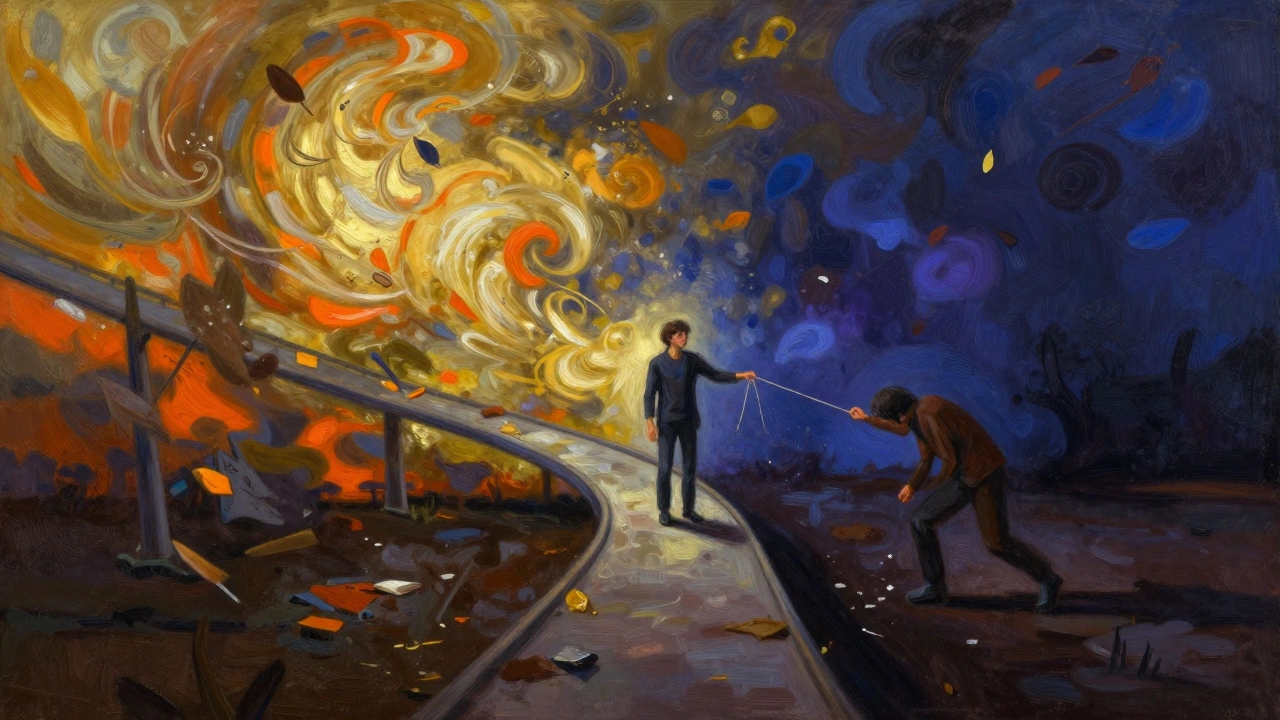
Borderline Personality Disorder (BPD) is a condition marked by unstable moods, behavior, and relationships. While not always classified as a "mental illness" in the same way as schizophrenia, BPD causes immense suffering. People with BPD experience emotions with intense magnitude and duration. A minor slight can feel like a catastrophic betrayal.
The fear of abandonment drives much of the behavior. This leads to chaotic relationships, impulsive actions, and frequent crises. Self-harm is common as a coping mechanism for emotional pain. The instability makes it hard to maintain employment or housing.
However, BPD has a better prognosis than schizophrenia. With specialized therapies like Dialectical Behavior Therapy (DBT), many people achieve remission. The challenge lies in accessing this specific type of care and enduring the initial phases of treatment, which can feel overwhelming.
The Role of Social Support and Stigma
No matter the diagnosis, the hardest part of living with mental illness is often the lack of support. Stigma prevents people from seeking help early. Family members might deny the severity of the situation. Friends drift away due to misunderstanding.
In places like Wellington, New Zealand, community resources are improving, but gaps remain. Rural areas face even greater challenges. Access to specialists can mean waiting months for an appointment. During that time, symptoms worsen, making recovery harder.
Financial strain adds another layer. Mental illness often leads to job loss. Insurance coverage varies widely. Out-of-pocket costs for therapy and medication can bankrupt families. This economic pressure exacerbates stress, creating a vicious cycle.
For those looking for connection outside traditional medical settings, some turn to online directories for companionship or support networks. For instance, if you're traveling or isolated, checking resources like this directory might offer options for discreet human interaction, though it's crucial to prioritize safe, therapeutic relationships for genuine mental health support.

How Charities and Communities Help
Mental health charities play a vital role in filling the gaps left by public healthcare. Organizations provide peer support groups, crisis hotlines, and advocacy services. These groups understand the nuances of living with chronic conditions.
Peer support is powerful. Talking to someone who truly gets it reduces isolation. Shared experiences validate feelings. Many charities also offer family education programs, helping loved ones learn how to communicate effectively and set boundaries.
Funding research is another key function. Charities support studies into new treatments, including genetic markers and innovative therapies. This work leads to better diagnostic tools and more effective medications over time.
| Condition | Primary Challenge | Long-Term Outlook | Key Treatment Approach |
|---|---|---|---|
| Schizophrenia | Reality distortion, cognitive decline | Chronic, manageable with meds | Antipsychotics, CBT |
| Bipolar Disorder | Mood instability, impulsivity | Lifelong management needed | Mood stabilizers, therapy |
| Treatment-Resistant Depression | Persistent hopelessness, fatigue | Variable, often chronic | ECT, Ketamine, novel drugs |
| Borderline Personality Disorder | Emotional dysregulation, relationship chaos | Good with specialized therapy | DBT, mentalization-based therapy |
Building a Resilient Life
Living with a severe mental illness isn’t about curing it completely. It’s about building a life around it. This means establishing routines, identifying triggers, and having a crisis plan. Small victories matter. Getting out of bed is a win. Attending therapy is a win.
Medication adherence is critical. Skipping doses leads to relapse. Working closely with a psychiatrist to find the right balance takes patience. Side effects can be tough, but untreated symptoms are usually worse.
Therapy provides coping skills. Cognitive Behavioral Therapy (CBT) helps reframe negative thoughts. Mindfulness practices reduce anxiety. Social skills training aids in reconnecting with others. Combining medication with therapy yields the best outcomes.
Support networks are essential. Joining a local group or online forum connects you with others facing similar battles. Sharing strategies and successes builds confidence. You’re not alone in this journey.
When to Seek Immediate Help
If you or someone you know is experiencing a crisis, don’t wait. Signs include talking about suicide, giving away possessions, or sudden calm after deep depression. In New Zealand, call 1737 for immediate mental health support. In other countries, locate your local crisis line.
Emergency rooms can stabilize acute situations. They assess safety and adjust medications if needed. Don’t hesitate to use emergency services if there’s imminent danger. Saving a life is always the priority.
Is schizophrenia curable?
Schizophrenia is generally not curable, but it is highly manageable. With consistent antipsychotic medication and therapy, many people achieve significant symptom reduction and lead fulfilling lives. Early intervention improves long-term outcomes substantially.
Which mental illness has the highest suicide rate?
Borderline Personality Disorder and Bipolar Disorder have among the highest rates of suicide attempts. Treatment-resistant depression also carries a high risk. Integrated care combining medication, therapy, and strong social support is crucial for reducing these risks.
Can you recover from severe mental illness?
Recovery looks different for everyone. For some, it means complete remission of symptoms. For others, it means managing symptoms well enough to work and maintain relationships. Recovery is possible with the right treatment plan and support system.
How do I support a friend with a serious mental illness?
Listen without judgment. Encourage professional help. Educate yourself about their specific condition. Be patient with setbacks. Offer practical help like rides to appointments or meals. Check in regularly, even if they seem stable.
What is the role of diet in mental health?
Diet plays a supportive role. Anti-inflammatory foods rich in omega-3s, antioxidants, and whole grains can improve brain function. While food isn't a cure, poor nutrition can worsen symptoms. A balanced diet complements medical treatment.