Environmental Impact Simulator
Select a real-world scenario below to see how it ripples through the three core types of environment. This tool demonstrates that no action exists in a vacuum.
Community Garden
Converting a vacant lot into green space.New Highway
Building a major road through a residential area.Remote Work Shift
Companies moving employees to work-from-home.Impact Analysis
Select a scenario above to begin analysis
When we talk about "the environment," most people immediately picture forests, oceans, or wildlife. But that view is incomplete. In environmental science and planning, the term environment is the sum total of all external conditions and influences affecting the development and behavior of an organism or system. It isn't just nature; it includes the human-made structures we live in and the social networks that shape our daily lives. Understanding these distinct layers helps us see how a single action-like planting a tree or building a new highway-ripples through different parts of our world simultaneously.
The Three Core Categories of Environment
To make sense of this complexity, experts generally divide the environment into three main types: the Natural Environment, the Social Environment, and the Built Environment. Each category has its own rules, resources, and impacts. Let's break down what each one actually means and why they matter to you right now.
1. The Natural Environment: Our Biological Foundation
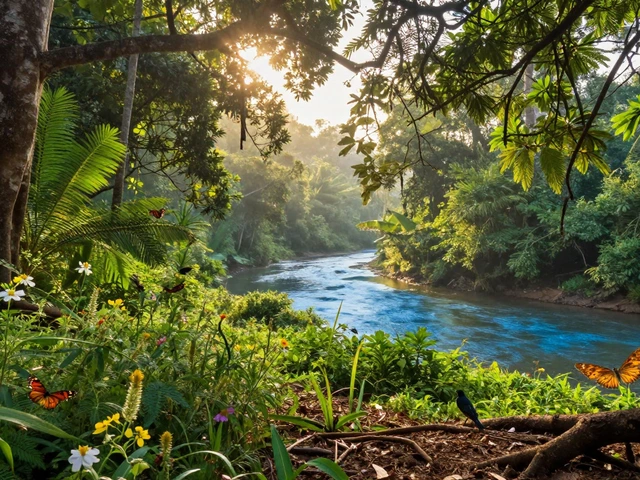
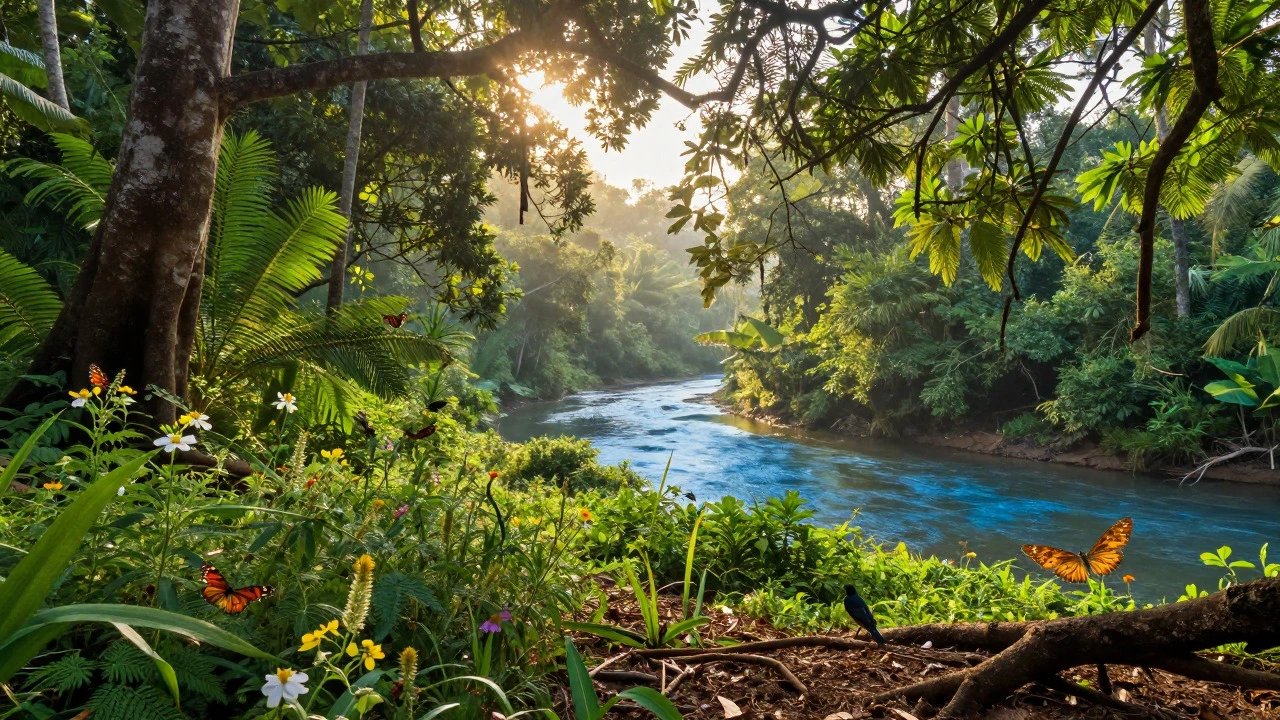
The Natural Environment consists of all living and non-living things that exist without human intervention. This includes everything from microscopic bacteria in the soil to massive mountain ranges, from the water cycle to the atmosphere we breathe. It is the baseline system that supports all life on Earth.
- Biotic Components: These are the living parts. Think of plants, animals, fungi, and microorganisms. They interact through food chains and ecosystems. For example, bees pollinate flowers, which produce fruits that feed birds. If you remove the bees, the whole chain wobbles.
- Abiotic Components: These are the non-living physical and chemical factors. Sunlight, temperature, water, air, and soil minerals fall here. A cactus survives in a desert not because it "likes" dryness, but because its abiotic surroundings force it to conserve water.
The natural environment provides what scientists call ecosystem services. These aren't luxuries; they are necessities. Clean air comes from trees filtering pollutants. Fresh water comes from watersheds recharging aquifers. Climate regulation happens because oceans absorb heat. When we damage the natural environment, we don't just lose pretty views; we lose the infrastructure that keeps us alive.
2. The Social Environment: The Human Web
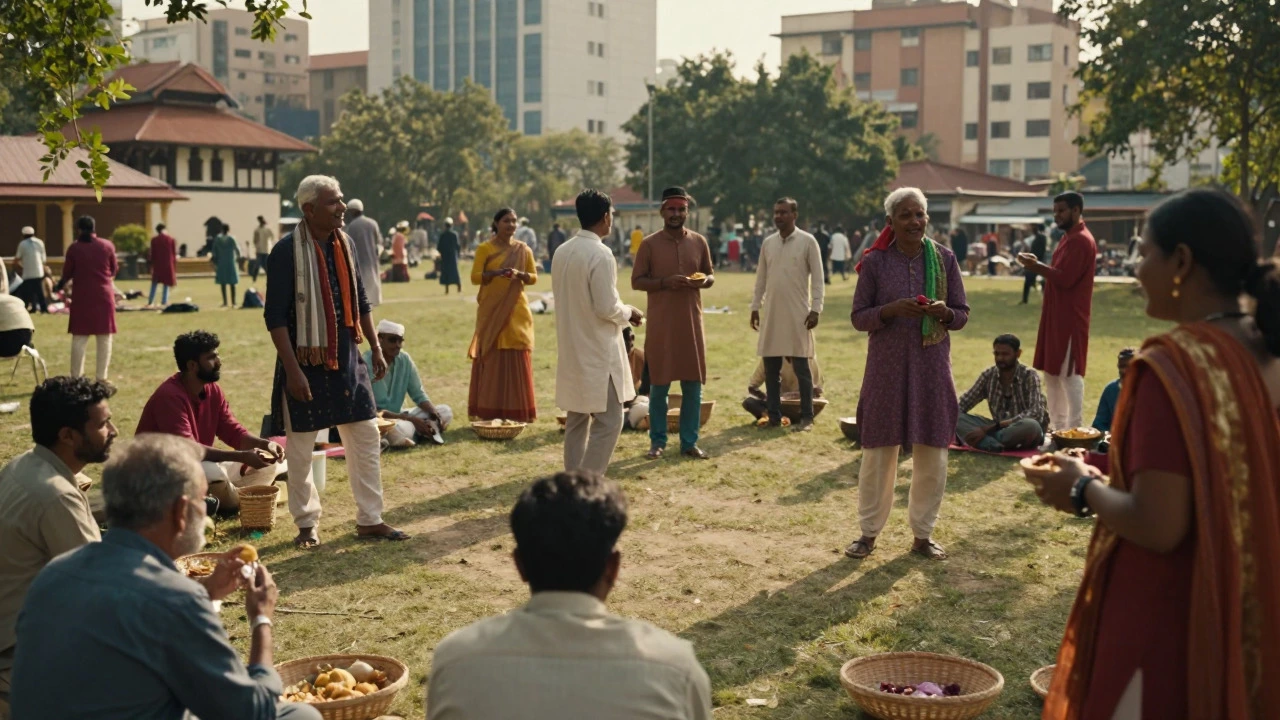
If the natural environment is the stage, the Social Environment is the cast and the script. This type of environment refers to the cultural, economic, and political context in which people live. It’s made up of relationships, institutions, beliefs, and norms.
This might sound abstract, but it has very concrete effects. Your social environment determines:
- Economic Stability: Access to jobs, fair wages, and financial safety nets. A community with strong local businesses creates a stable social environment for its residents.
- Cultural Norms: Shared values about recycling, energy use, or community care. In some cultures, sharing food is a norm; in others, individualism prevails. Both shapes how people interact with their physical surroundings.
- Institutional Support: Schools, healthcare systems, and government policies. A robust public health system reduces stress and improves quality of life, directly influencing how people engage with their neighborhood.
The social environment is dynamic. It changes based on migration, technology, and policy shifts. For instance, the rise of remote work has altered the social environment of many cities, shifting population density and changing how communities form around workplaces versus homes.
3. The Built Environment: Our Man-Made Habitat
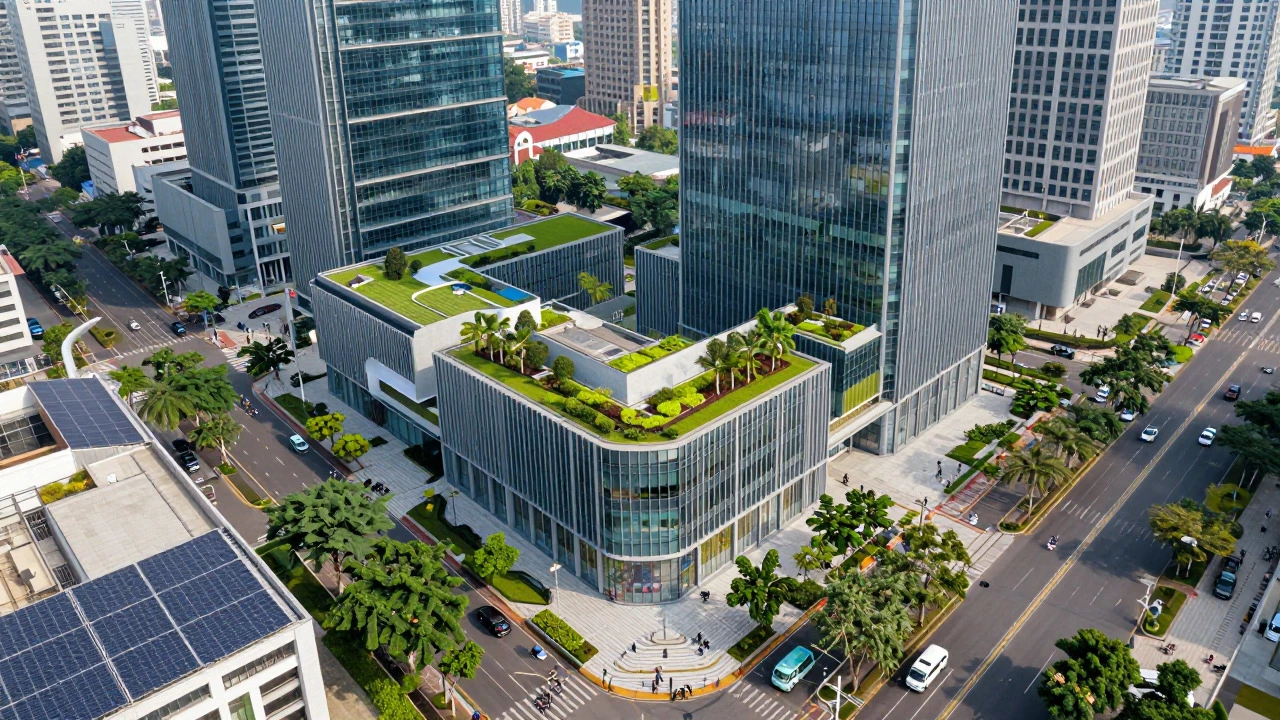
The Built Environment is the collection of human-made structures and spaces where people live, work, and play. This includes buildings, roads, bridges, parks (even if designed by humans), utilities, and urban layouts.
Unlike the natural environment, which evolves over millennia, the built environment can change in months. A new shopping mall, a subway line, or a housing development transforms a city block almost overnight. However, these changes have long-term consequences.
- Urban Design: How streets are laid out affects traffic flow, pedestrian safety, and even social interaction. Wide boulevards encourage car use; narrow, mixed-use streets encourage walking and community bonding.
- Infrastructure: Power grids, water treatment plants, and waste management systems. These are invisible until they fail, but they are critical components of the built environment.
- Housing Quality: Insulation, ventilation, and lighting in homes affect health and energy consumption. Poorly built houses lead to higher heating bills and poorer indoor air quality.
The built environment is where the other two types intersect. We build *on* the natural environment, and we design it *for* the social environment. A poorly planned highway might cut through a forest (damaging the natural) and isolate a neighborhood (disrupting the social). Good planning tries to harmonize all three.
How the Three Types Interact
It’s easy to think of these as separate boxes, but they are deeply intertwined. Here’s how they connect in real-world scenarios:
- Climate Change Impact: Rising global temperatures (Natural) increase the frequency of extreme weather events. This damages infrastructure like roofs and roads (Built). The resulting displacement and economic loss strain community support systems (Social).
- Urban Heat Island Effect: Cities replace vegetation with concrete and asphalt (Built). This absorbs more heat than grass or trees would (Natural), raising local temperatures. Higher temperatures increase energy costs for cooling, affecting household budgets (Social).
- Community Gardens: A group of neighbors converts a vacant lot into a garden (Built modification). This increases local biodiversity and green space (Natural benefit) while fostering social cohesion and shared responsibility (Social benefit).
Understanding these interactions is crucial for anyone involved in environmental advocacy or community planning. You can’t fix a problem in one area without considering the ripple effects in the others.
Why This Matters for Environmental Advocacy
For those working in Environmental Groups or community organizations, recognizing these three types helps target efforts more effectively. Many campaigns focus solely on the natural environment-protecting a wetland or reducing carbon emissions. While vital, this approach often misses the social and built dimensions that determine whether solutions stick.
Consider a campaign to reduce plastic waste. Focusing only on banning single-use plastics (a policy affecting the built/social sphere) might fail if consumers don’t understand the impact on marine life (natural sphere) or if affordable alternatives aren’t available in local stores (built/economic sphere). A holistic approach addresses all three:
- Natural: Educate on how microplastics harm ocean ecosystems.
- Social: Build community norms around reusable bags and containers.
- Built: Ensure local shops stock reusable options and install refill stations.
This integrated perspective is increasingly recognized in fields like sustainability science and urban planning. It moves us away from siloed thinking toward systemic solutions.
Practical Examples from Daily Life
You don’t need to be a scientist to see these environments at work. Take a look at your own neighborhood:
- Your Home: Part of the built environment. Its insulation affects energy use (natural resource consumption) and comfort (social well-being).
- Your Commute: Driving contributes to air pollution (natural impact) and traffic congestion (social frustration). Switching to public transport or cycling changes the built usage pattern and reduces natural strain.
- Your Local Park: A blend of all three. It’s a managed natural space, a social gathering point, and a built feature of the city’s layout. Maintaining it requires budget (social/political), proper design (built), and ecological stewardship (natural).
By consciously observing these layers, you become better equipped to identify problems and propose solutions that address root causes rather than symptoms.
Common Misconceptions
One common mistake is assuming that "protecting the environment" only means saving wild places. In reality, protecting the environment means maintaining the balance between all three types. Another misconception is that the built environment is always bad for nature. In fact, well-designed urban green spaces can support biodiversity and improve air quality, showing that built and natural elements can coexist positively.
Also, people often overlook the social environment’s role in environmental outcomes. Behavioral change doesn’t happen in a vacuum. It requires social support, clear communication, and accessible infrastructure. Without these, even the best natural conservation plans can fail due to lack of community buy-in.
Frequently Asked Questions
Is the social environment part of the physical environment?
No, they are distinct categories. The physical environment typically refers to the natural and built components (biotic, abiotic, and man-made structures). The social environment refers to human relationships, culture, and institutions. However, they influence each other constantly.
Which type of environment is most affected by climate change?
All three are affected, but the natural environment experiences direct physical changes like rising temperatures and sea levels. The built environment suffers from increased extreme weather damage, and the social environment faces economic and health stresses from these changes.
Can the built environment help restore the natural environment?
Yes. Features like green roofs, rain gardens, and urban forests are built elements that mimic natural processes. They manage stormwater, provide habitat, and cool cities, thereby supporting the natural environment within urban areas.
How do environmental groups use this framework?
Groups use it to design comprehensive strategies. Instead of just lobbying for natural protections, they also advocate for social equity (fair access to clean air) and built environment improvements (better public transit) to ensure sustainable outcomes.
What is the difference between biotic and abiotic components?
Biotic components are living things (plants, animals, microbes). Abiotic components are non-living physical and chemical factors (sunlight, water, temperature, soil). Both are essential parts of the natural environment.