Direct Charity Opportunity Finder
Find meaningful ways to participate in direct charitable activities based on your skills and schedule.
When people think of charity, they often picture fundraising dinners, silent auctions, or walkathons. But not all charity happens on a stage or behind a donation page. Some of the most powerful forms of giving are quiet, direct, and deeply personal. These are the direct charitable activities-actions where help is given face-to-face, in real time, with no middleman. They don’t rely on donations to get started. They rely on presence.
Feeding the Hungry, One Meal at a Time
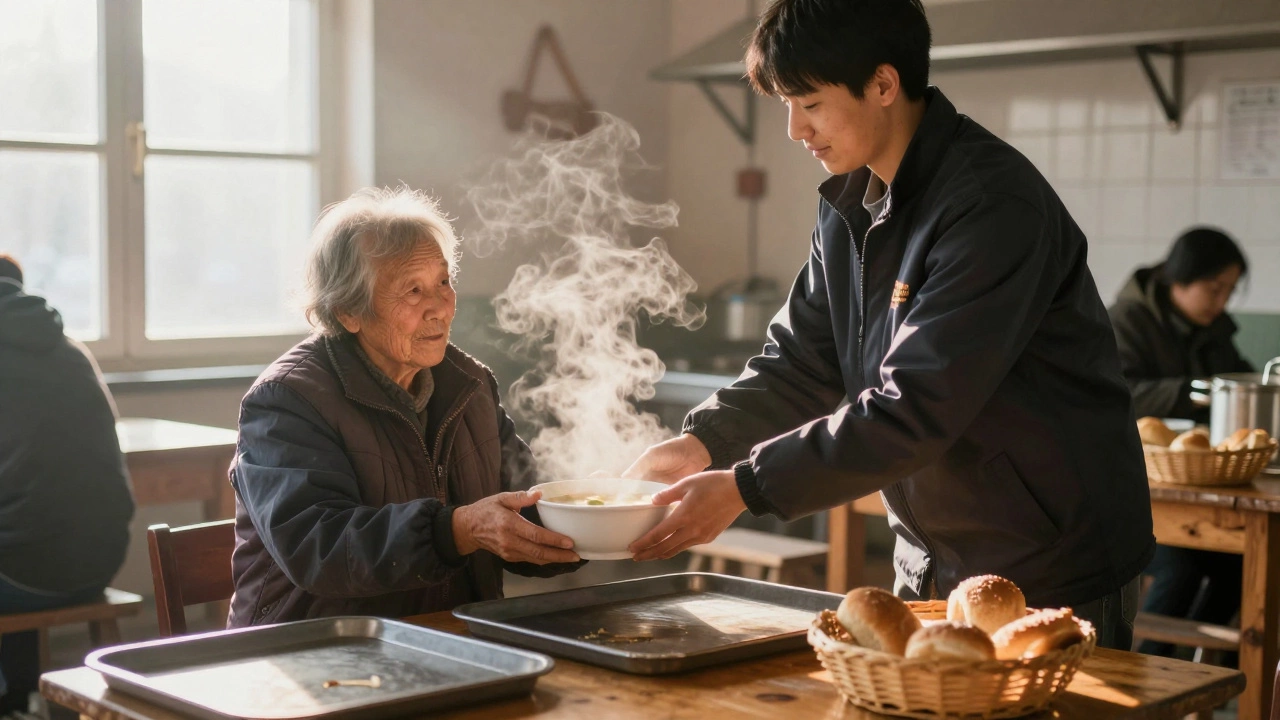
Imagine showing up at a community kitchen at 5 a.m., stacking trays, ladling stew, and handing out bread. No ticket needed. No app to download. Just you, a spoon, and someone who hasn’t eaten since yesterday. This isn’t a metaphor. In cities like Wellington, Auckland, and Dunedin, volunteer-run soup kitchens serve over 1,200 meals daily. Volunteers don’t just serve food-they sit down. They ask names. They remember if someone likes extra pepper or hates carrots. These aren’t charity events. They’re human interactions.
Delivering Medicine to Those Who Can’t Leave Home
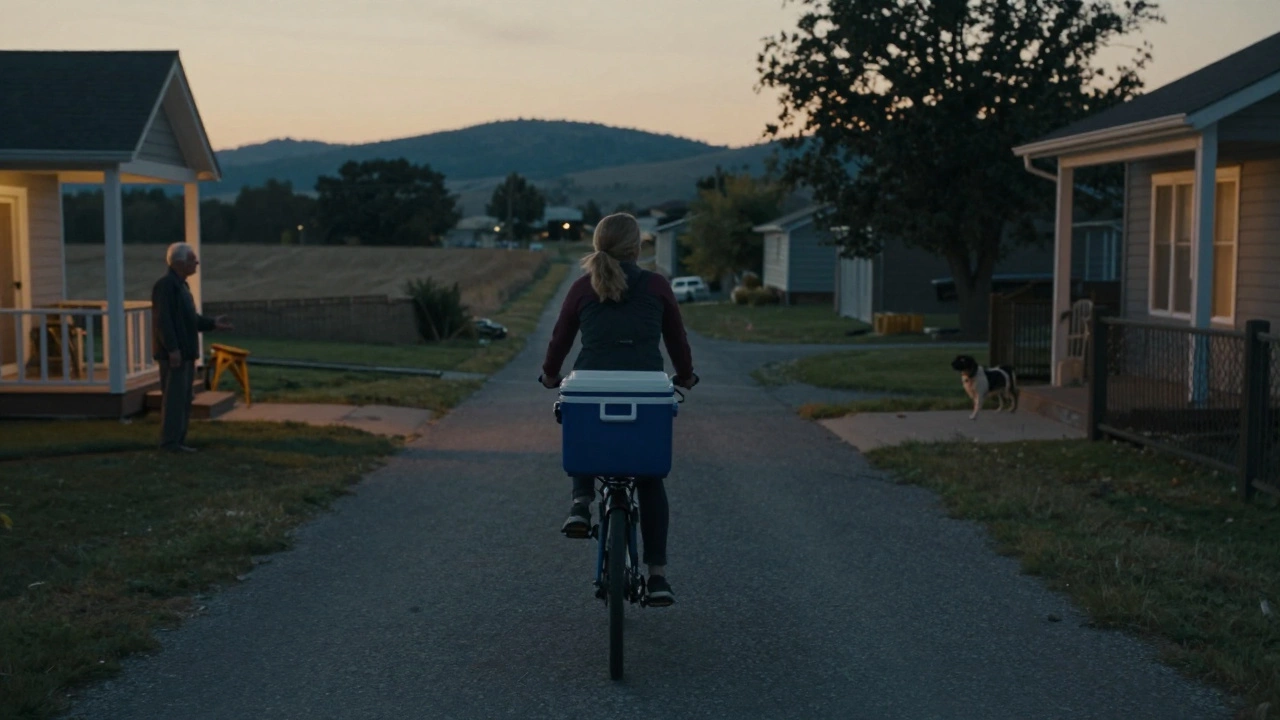
Many older adults in rural towns and suburbs can’t drive. Some don’t have family nearby. A simple prescription refill can become a crisis. That’s where direct charity steps in. Groups like the New Zealand Rural Health Network train volunteers to pick up medications from pharmacies and deliver them by foot, bike, or car. One volunteer in Kaikōura makes weekly rounds to 37 homes. She knows which residents need insulin, which ones need blood pressure pills, and which ones just need to talk for ten minutes. This isn’t logistics. It’s care.
Tutoring Kids After School-No Form Required
Public schools in low-income areas often lack tutoring programs. That’s where individuals step in. A retired teacher in Christchurch started meeting two grade-five students every Tuesday after school in the library. No funding. No grant. Just her, a stack of books, and a willingness to show up. Within six months, both kids improved their reading levels by two grades. Similar efforts happen in Palmerston North, Nelson, and Hastings. These aren’t programs. They’re relationships built one homework session at a time.
Building Homes, One Nail at a Time
Habitat for Humanity gets a lot of attention, but many smaller groups do the same work without the brand. In Taranaki, a group of neighbors formed a DIY home repair collective. They fix roofs for widows, install handrails for people with mobility issues, and patch up flood-damaged walls-free of charge. They don’t apply for permits through charities. They just show up with tools. Last year, they completed 42 repairs. Each one took a weekend. Each one changed someone’s life.
Transporting Pets to Vet Clinics
It sounds strange, but it’s real. Many low-income pet owners can’t afford to take their animals to the vet. Some don’t have cars. Others can’t afford the bus fare. In Otago and Southland, volunteers run pet transport networks. One woman in Invercargill drives a van with a dog crate in the back. She picks up pets for vaccinations, spaying, and emergency care. She’s delivered 217 animals in 18 months. These aren’t animal shelter volunteers. They’re neighbors who refuse to let a pet suffer because its owner is broke.

Teaching Financial Literacy in Community Hubs
Financial stress is one of the biggest drivers of homelessness and mental health crises. But banks won’t teach budgeting to people without accounts. So, volunteers do. In Wellington’s Newtown, a former bank teller runs free money workshops every Thursday at the local community center. She teaches how to read a payslip, avoid predatory loans, and build a $50 emergency fund. No PowerPoint. No brochures. Just a whiteboard and real-life stories. Over 300 people have attended since 2023. Not one of them paid a cent.
Sorting and Distributing Secondhand Clothes Without a Label
Many charities run thrift stores. But direct charity? That’s when you take donated clothes, sort them by size and season, and hand them out in a parking lot. No sign-up. No ID needed. Just show up. In Lower Hutt, a group of teens started doing this every Saturday morning. They’ve given away over 1,800 items in the last year-jackets, shoes, winter hats, even school uniforms. They don’t track who takes what. They don’t ask why. They just make sure no one leaves empty-handed.
Why Direct Charity Matters More Than Ever
It’s easy to believe that donating money is enough. And sometimes, it is. But money doesn’t heal loneliness. It doesn’t fix a broken step. It doesn’t comfort a child who’s scared to go to school. Direct charitable activities cut through the noise. They remind us that charity isn’t about how much you give-it’s about how much you show up. These actions don’t make headlines. But they change lives.
There’s no app for this. No fundraising page. No tax receipt. Just you, your time, and someone who needs you to be there.
Are direct charitable activities only possible in person?
Not always. While many direct activities happen face-to-face, some can be done remotely. For example, calling isolated seniors once a week to check in, helping someone fill out a government form over video call, or tutoring a child via free online platforms counts as direct charity. The key is personal, consistent, and tailored support-not just sending a check.
Do I need special skills to do direct charity?
No. Most direct charity doesn’t require training. You don’t need to be a nurse to deliver medicine, a teacher to help with homework, or a builder to fix a roof. What matters is reliability, kindness, and showing up. Many organizations offer short, simple orientations-sometimes just 20 minutes. The rest comes from being human.
Can I do direct charity if I have a full-time job?
Absolutely. Many people give just one hour a week. That’s all it takes. Reading to a child for 45 minutes after work. Dropping off groceries on your way home. Walking a neighbor’s dog every Tuesday. These small, regular actions add up. You don’t need to quit your job to make a difference-you just need to show up when you can.
How do I find direct charity opportunities near me?
Start by asking local community centers, libraries, or churches. They often know of small, unadvertised efforts. Look for notices on bulletin boards. Join local Facebook groups like "Wellington Neighbors Helping Neighbors" or "South Island Mutual Aid." Sometimes, the best opportunities aren’t listed online-they’re whispered about over coffee. Just ask: "Is there someone in this area who needs a hand?"
Is direct charity better than donating money?
It’s not better-it’s different. Money helps scale programs. Time builds trust. The most effective communities use both. But if you’re wondering where your energy is most needed, ask yourself: Who in my neighborhood is invisible? Who gets overlooked? That’s where your presence matters most.