Virginia Food Box Eligibility Checker Estimate Your Status
Household Details
Enter your details and click "Check Eligibility" to see results.
Eligibility Estimate
...Next Steps
- Contact your local County Department of Social Services (DSS).
- Ask for a list of approved partner food pantries in your area.
- Bring proof of residency and recent pay stubs when registering.
Struggling to stretch your grocery budget in Virginia? You are not alone. With rising costs for staples like milk, eggs, and produce, many families find themselves choosing between paying the electric bill or buying dinner. The Virginia food box program is a collective term for various state and local initiatives that provide pre-packaged groceries to low-income households at reduced or no cost. It is not a single government agency but a network of resources designed to fill the gaps left by federal aid.
This guide breaks down exactly how these programs work, who qualifies, and where to find them in your specific county. We will look at the difference between free boxes and subsidized ones, how they interact with SNAP benefits, and practical tips to maximize what you receive. Whether you are applying for the first time or trying to navigate a change in income, this information helps you secure consistent access to nutritious food.
Key Takeaways
- The "Virginia food box program" refers to multiple independent and state-supported initiatives, not one centralized database.
- Eligibility often depends on household size and income relative to the Federal Poverty Level (FPL), typically under 185% FPL.
- Many programs allow you to use EBT cards alongside cash to purchase additional items from the same box or shelf.
- Local food banks and community centers are usually the primary distributors, requiring registration before pickup.
- Availability varies by county; rural areas may have fewer drop-off points than urban centers like Richmond or Norfolk.
Understanding the Structure of Virginia Food Assistance
To understand how the system works, it helps to separate the funding sources from the delivery mechanisms. At the top level, the Virginia Department of Social Services manages federal funds, primarily for Supplemental Nutrition Assistance Program (SNAP). However, SNAP provides monthly benefits based on income, which can fluctuate and sometimes run out before the month ends. This is where the "food box" concept steps in.
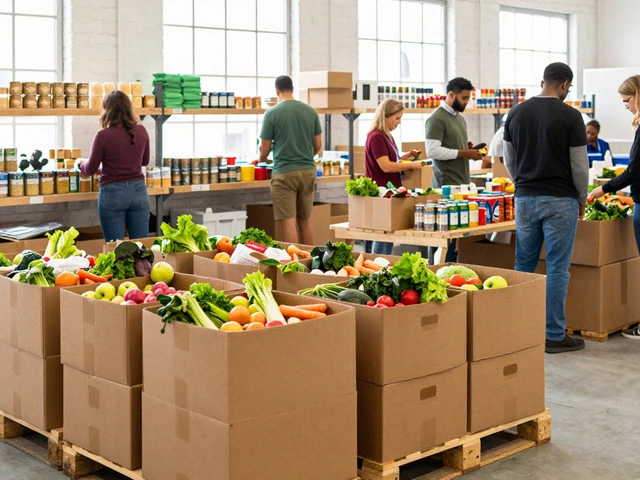
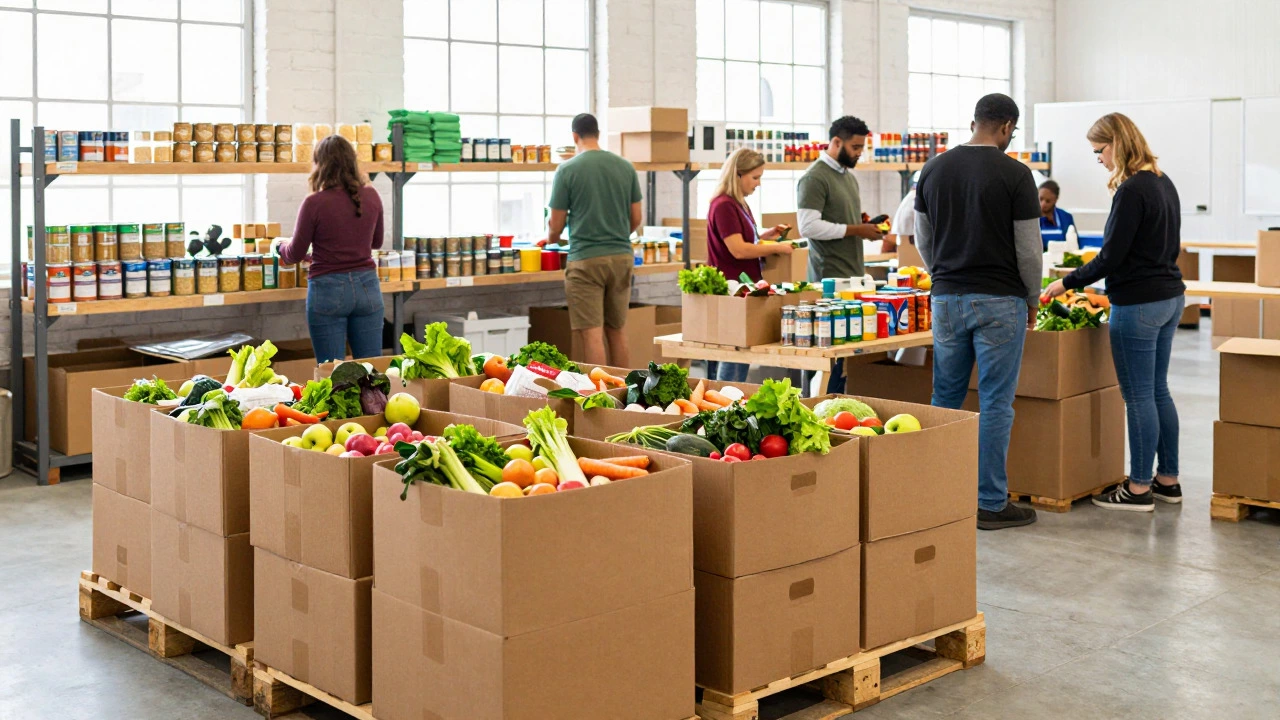
These programs are largely driven by non-profits and local governments. They purchase bulk goods from wholesalers or receive donations from large retailers. Instead of giving cash, they assemble standardized boxes containing a mix of proteins, grains, fruits, vegetables, and dairy. The goal is convenience: you don't need to plan meals or hunt for coupons. You just pick up a box that covers basic nutritional needs for a week or two.
There are generally three types of distributions you will encounter:
- Free Weekly Boxes: Provided by local churches, schools, or municipal offices. No cost, but limited quantity per household.
- Subsidized Boxes: You pay a small fee (e.g., $5-$10) to cover transportation and packaging costs. These often include higher-quality fresh produce.
- Mobile Pantries: Vans that travel to different neighborhoods, offering both free and paid options depending on the day's inventory.
Who Qualifies? Eligibility Requirements Explained
Unlike federal programs with strict national rules, eligibility for local food box programs can vary slightly by organization. However, most follow a standard framework based on the Federal Poverty Guidelines. If your household income falls below 185% of the poverty line, you are likely eligible for most subsidized or free distributions.
Here is a quick reference for annual household income limits as of recent guidelines. Note that these figures adjust annually, so always verify with your local provider.
| Household Size | Annual Income Limit (approx.) | Monthly SNAP Benefit Range |
|---|---|---|
| 1 Person | $20,730 | $290 - $350 |
| 2 People | $28,140 | $500 - $600 |
| 3 People | $35,550 | $740 - $850 |
| 4 People | $42,960 | $970 - $1,100 |
Beyond income, providers often require proof of residency in Virginia. This can be a utility bill, lease agreement, or driver’s license showing a VA address. Some programs also prioritize specific groups, such as seniors over 60, veterans, or families with children under 18. If you have other assets, like savings or vehicles, they might count toward your net worth calculation, though many local boxes ignore asset tests to keep barriers low.
How to Find and Register for a Local Box
Since there is no single statewide portal for all food boxes, finding the right location requires a bit of detective work. The most effective method is to start with your local County Department of Social Services office. They maintain lists of approved vendors and distribution sites. Ask specifically for "emergency food assistance" or "community pantry schedules."
Another reliable resource is the network of Feeding America affiliates in Virginia. Major hubs include organizations serving the Hampton Roads region, the Shenandoah Valley, and the Northern Neck. These larger food banks often contract with smaller local pantries to distribute their goods. When you contact a local pantry, ask if they accept walk-ins or require appointments. Many now use digital sign-up systems to manage lines and ensure fair distribution.
Here is a step-by-step process to get started:
- Identify your county: Check the official website of your specific county government.
- Locate the DSS office: Find the phone number or online portal for social services.
- Inquire about pantries: Ask for a list of partner food pantries that offer weekly boxes.
- Gather documents: Prepare ID, proof of address, and recent pay stubs or benefit letters.
- Register: Complete the intake form, either online or in person.
- Schedule pickup: Confirm the day and time slots available for your household size.
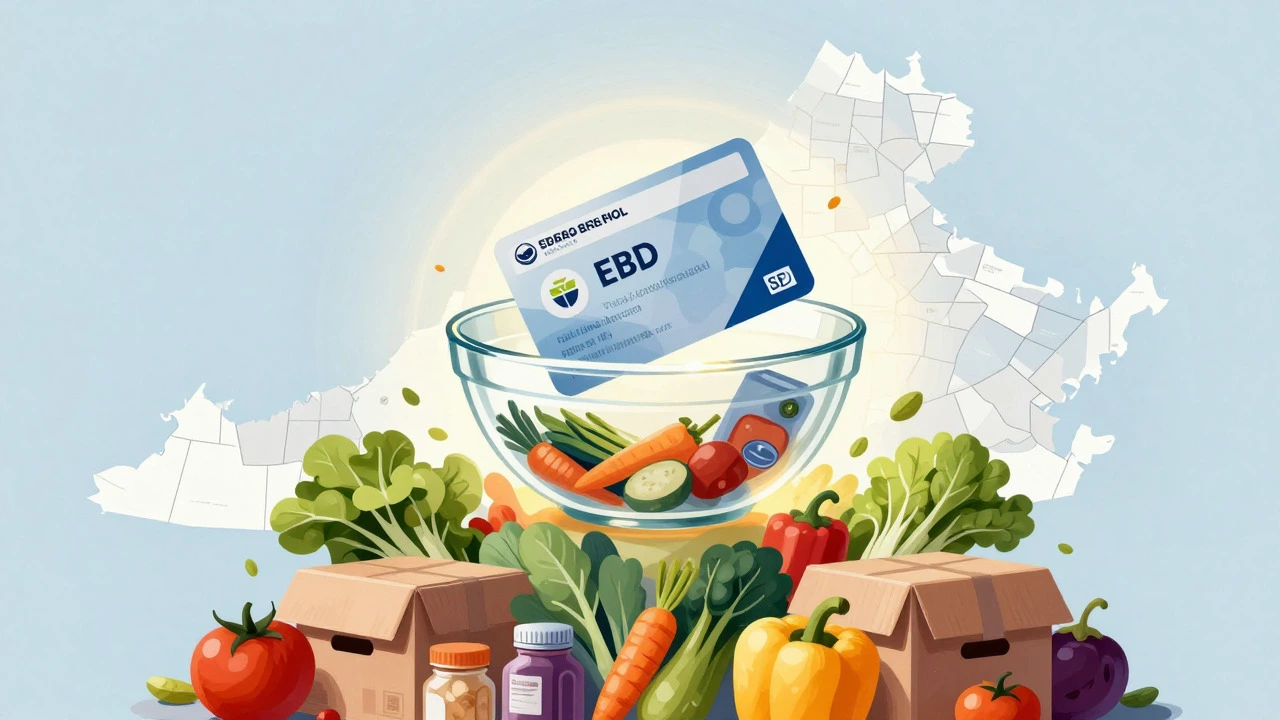
What Is Inside a Standard Virginia Food Box?
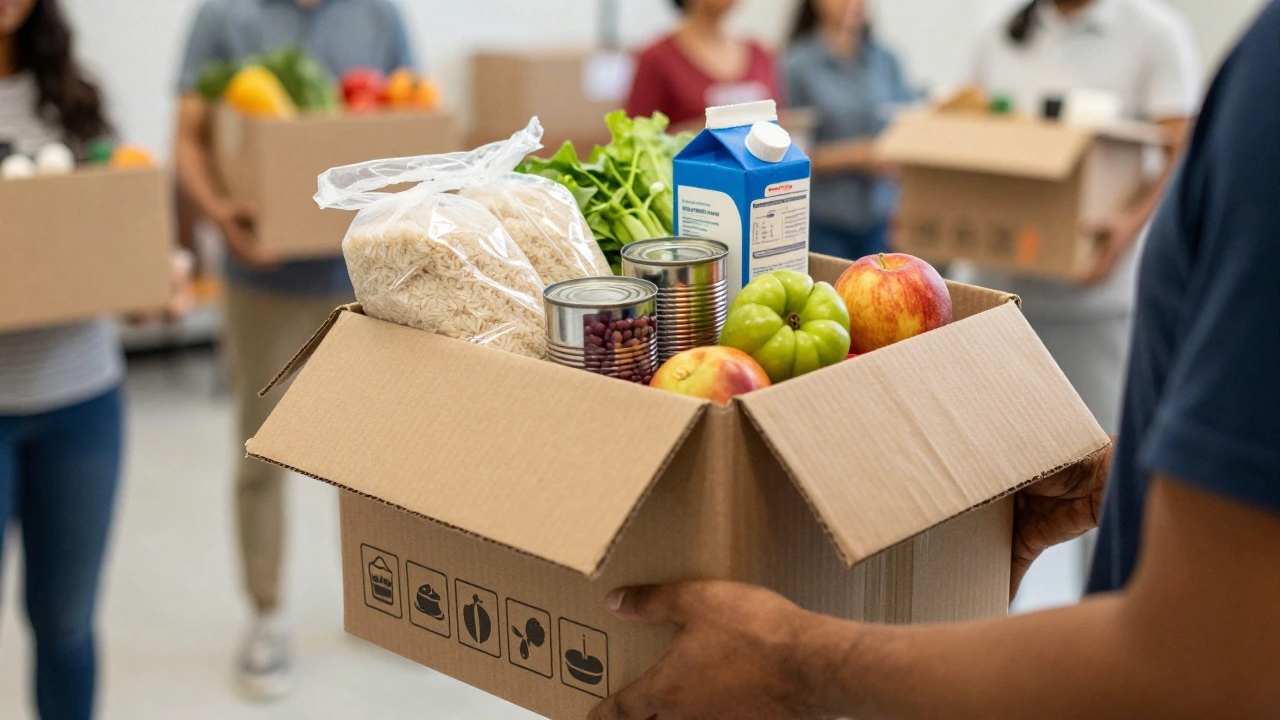
One common misconception is that food boxes only contain canned goods and pasta. While shelf-stable items make up a significant portion, modern programs strive to include fresh and frozen options. A typical box for a family of four might include:
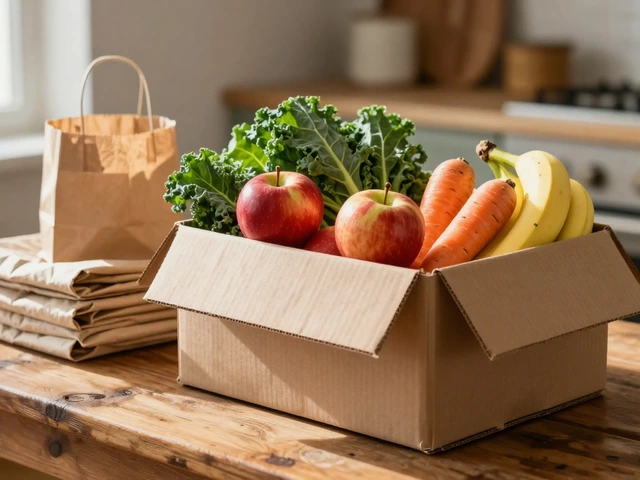
- Fruits and Vegetables: Apples, bananas, carrots, potatoes, and seasonal produce like corn or tomatoes.
- Proteins: Canned tuna, chicken, beans, lentils, and sometimes frozen meat portions.
- Dairy Alternatives: UHT milk, cheese slices, or yogurt packs that do not require immediate refrigeration.
- Grains and Staples: Rice, oats, bread, crackers, and cereal.
- Hygiene Items: Many boxes now include soap, toothpaste, or diapers, recognizing that food insecurity often overlaps with other basic needs.
The exact contents change based on donation availability and seasonality. In summer, you are more likely to get fresh fruit; in winter, the focus shifts to hearty soups and preserved vegetables. If you have dietary restrictions, such as gluten-free or vegetarian needs, mention them during registration. Most pantries keep a special section for these items, though stock may be limited.
Maximizing Your Benefits: Combining Programs
The real power of the Virginia food box system lies in its ability to complement federal aid. If you already receive SNAP benefits, you can often use your EBT card at the same location where you pick up your free or subsidized box. For example, you might take home a free box of staples and then use your remaining EBT balance to buy fresh meat or specialty items from the adjacent shelves.
Some programs even offer "match