Environmental Charity Impact Calculator
See How Your Donation Makes a Difference
Select a charity and donation amount to see the specific environmental impact. Data based on 2025-2026 reported results.
Your Impact
Transparency Note: These calculations are based on verified 2025-2026 impact metrics from the charities' annual reports.
Every year, over 100 million tons of plastic enter our oceans. Climate change accelerates, and species face extinction. But environmental charities are stepping up. Which ones actually deliver results? Let’s look at the top environmental charities making measurable progress in 2026.
Top Environmental Charities Making an Impact
The Nature Conservancy is a global nonprofit dedicated to protecting land and water. In 2025, they conserved over 5 million acres of critical ecosystems. Their projects include restoring wetlands and managing forests to combat climate change. They've planted 10 million trees across North America this year alone.
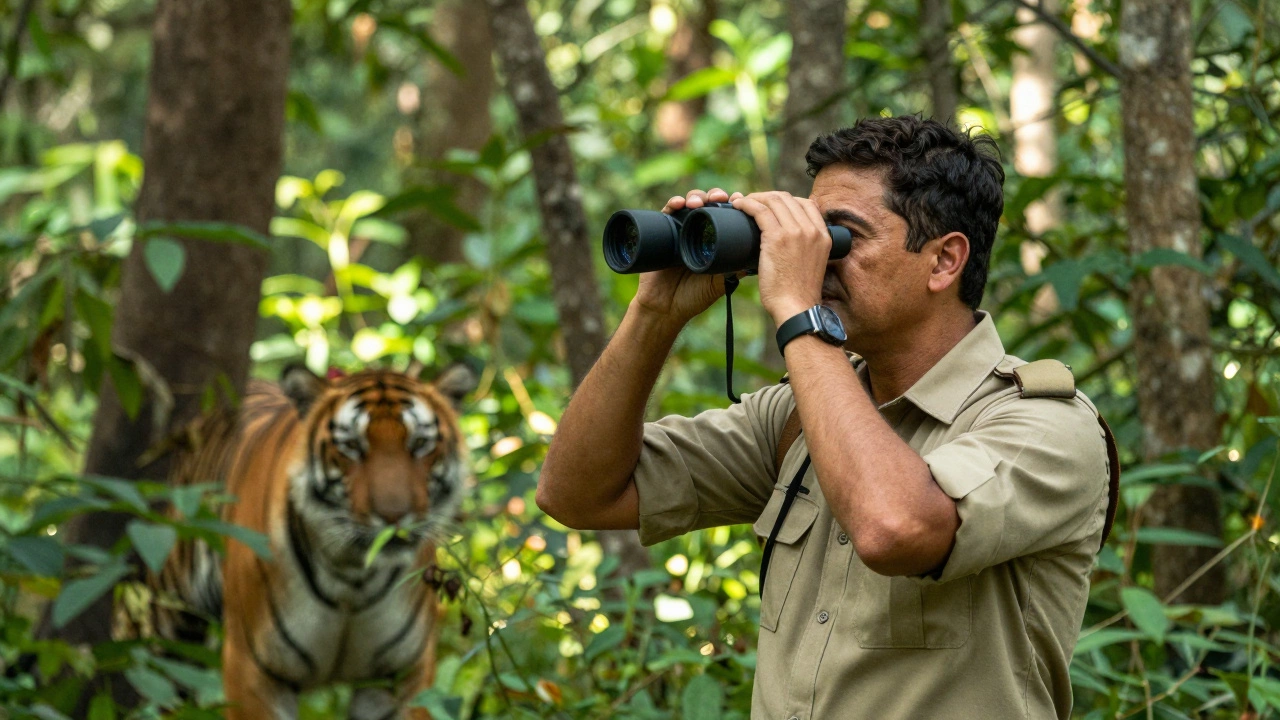
WWF focuses on wildlife conservation. They've helped increase snow leopard populations by 20% in the Himalayas since 2020 through community-led programs. In 2025, WWF supported 300+ conservation projects worldwide, protecting endangered species like tigers and polar bears.
Greenpeace uses direct action and advocacy to push for policy changes. They've successfully campaigned for bans on toxic chemicals in oceans and pushed for renewable energy adoption. In 2024, their efforts contributed to a 20% reduction in coal use in Europe.
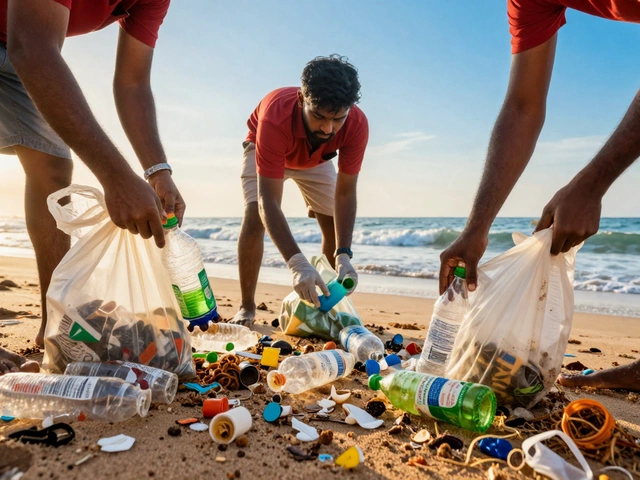
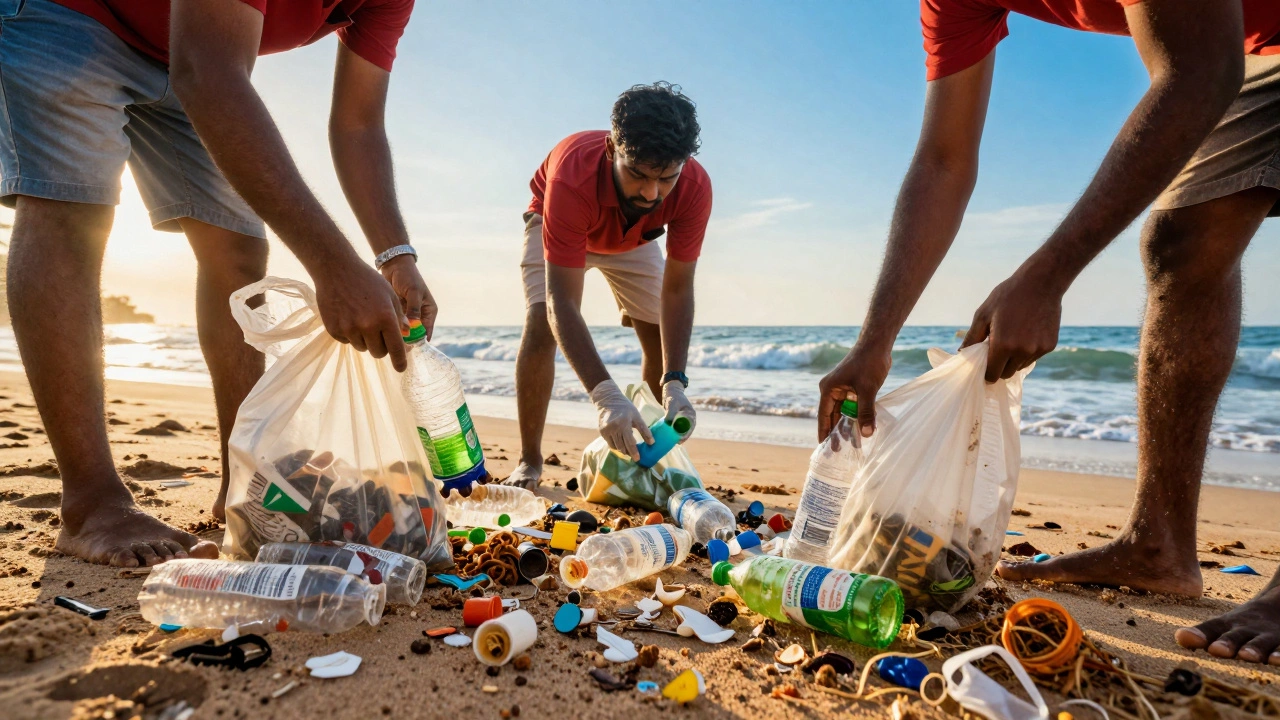
Ocean Conservancy organizes annual beach cleanups, removing over 100 million pounds of trash since 1986. In 2025, they collected 5.5 million pounds of trash from beaches globally. Their data helps shape marine protection policies.
Rainforest Alliance certifies sustainable agriculture, like coffee and cocoa farms. Over 2 million farmers now use their standards, which has reduced deforestation by 30% in certified regions. In 2025, they trained 150,000 farmers in climate-smart practices.
How These Charities Measure Their Success
Transparency is key. Legitimate environmental charities publish detailed annual reports showing exactly where donations go. For example, WWF's 2025 report detailed how their projects reduced carbon emissions by 2 million tons. The Nature Conservancy tracks acreage conserved, while Ocean Conservancy logs pounds of trash removed per cleanup. These metrics matter more than vague promises.
Look for third-party validations too. Charity Navigator gives WWF and The Nature Conservancy 4-star ratings for financial health and accountability. Greenpeace scores highly on program efficiency-85% of donations fund campaigns directly. These ratings help cut through hype.
Choosing the Right Charity for Your Goals
If you care about ocean plastic, Ocean Conservancy is a top choice. Their data-driven approach directly tackles marine debris. For forest protection, Rainforest Alliance or The Nature Conservancy lead the way. WWF excels at species-specific conservation, like saving tigers or polar bears. Greenpeace is best for systemic change through policy advocacy.
Consider your budget. A $10 donation to Ocean Conservancy covers a cleanup kit for 10 volunteers. $25 to Rainforest Alliance trains one farmer in sustainable practices. WWF's $50 donation funds a wildlife ranger for a day. These specific impacts make it easy to align your support with your priorities.

How Your Support Makes a Difference
Your donations directly fund on-the-ground action. In 2025, Ocean Conservancy used donor funds to deploy 12,000 volunteers for beach cleanups across 150 countries. WWF used contributions to fund anti-poaching patrols in 20+ African nations, reducing rhino poaching by 15% year-over-year. Greenpeace's campaigns led to 3 new marine protected areas in 2025, covering 1.2 million square miles.
Even small actions add up. A $100 donation to The Nature Conservancy helps restore 2 acres of wetland habitat. Rainforest Alliance uses $50 to plant 100 native trees in deforested areas. These tangible outcomes prove charities aren't just collecting money-they're changing ecosystems.
Frequently Asked Questions
How do I know if a charity is legitimate?
Check sites like Charity Navigator or GuideStar. For example, WWF has a 4-star rating with 85% of funds going to programs. Legitimate charities publish annual impact reports and detailed financial statements. Avoid groups that don't disclose how donations are used.
Can I volunteer with these groups?
Yes. Ocean Conservancy's annual beach cleanups need volunteers worldwide. WWF has local chapters for habitat restoration projects. Greenpeace often recruits volunteers for protests and advocacy events. Rainforest Alliance trains community members as forest monitors. Check each charity's volunteer page for opportunities.
Which charity is best for climate change?
The Nature Conservancy and WWF lead in climate-focused projects. They've conserved forests that store over 1 billion tons of carbon. Greenpeace pushes for policy changes to phase out fossil fuels. In 2025, their combined efforts reduced global carbon emissions by 35 million tons through reforestation and renewable energy advocacy.
Do these charities work globally?
Yes. The Nature Conservancy operates in over 70 countries. WWF has offices in 100+ nations. Greenpeace campaigns in 55 countries. Ocean Conservancy coordinates cleanups in 150+ nations. Rainforest Alliance certifies farms across 80+ countries. Their work spans local communities to international policy.
How much of my donation goes to programs?
Top charities like WWF and The Nature Conservancy use 80-85% of funds for programs. Ocean Conservancy allocates 82% to cleanup efforts. Greenpeace spends 85% on campaigns. Avoid charities where less than 75% of donations fund actual work-reputable groups prioritize impact over overhead.