Unique Mental Health Support: Real Ways Communities Are Helping
When we talk about unique mental health support, tailored, community-based care that meets people where they are, not where systems expect them to be. It’s not just therapy sessions or hotlines—it’s a neighbor checking in, a youth group creating safe space, or a volunteer walking with someone through a hard day. This kind of support doesn’t wait for a crisis. It shows up before the silence becomes too loud.
mental health outreach, the quiet, consistent work of connecting people to care without judgment or bureaucracy is at the heart of what makes this work stick. You won’t find it in glossy brochures—you’ll find it in someone showing up at a park bench every Tuesday, or a teacher noticing a student hasn’t eaten lunch in a week and quietly arranging food through a local trust. These aren’t grand gestures. They’re daily acts of seeing someone, really seeing them.
community mental health, local networks that build resilience from the ground up thrives when it’s led by people who live in the same streets, go to the same temples or mosques, or send their kids to the same schools. It’s not about replacing doctors—it’s about filling the gaps they can’t reach. A parent-led support circle in Kerala. A temple volunteer offering free chai and listening in Bangalore. A college student running anonymous voice notes for students too scared to speak aloud. These are the systems that actually work because they’re built on trust, not forms.
And it’s not one-size-fits-all. What works in a rural village won’t look like what works in a Mumbai apartment complex. That’s why nonprofit mental health, small, local groups focused on real needs, not donor metrics are so powerful. They don’t chase grants with flashy slogans. They fix what’s broken in their own backyard—whether that’s helping widows cope with grief, giving teens a place to talk without fear, or teaching families how to recognize early signs of distress.
What you’ll find below aren’t theoretical guides or corporate wellness programs. These are real stories from people who’ve seen the cracks in the system—and decided to stitch them together themselves. From how a group in Odisha started peer-led counseling with no budget, to how a single volunteer in Pune turned her living room into a weekly safe space for survivors of abuse—you’ll see how unique mental health support isn’t about funding. It’s about presence. It’s about showing up, again and again, even when no one’s watching.
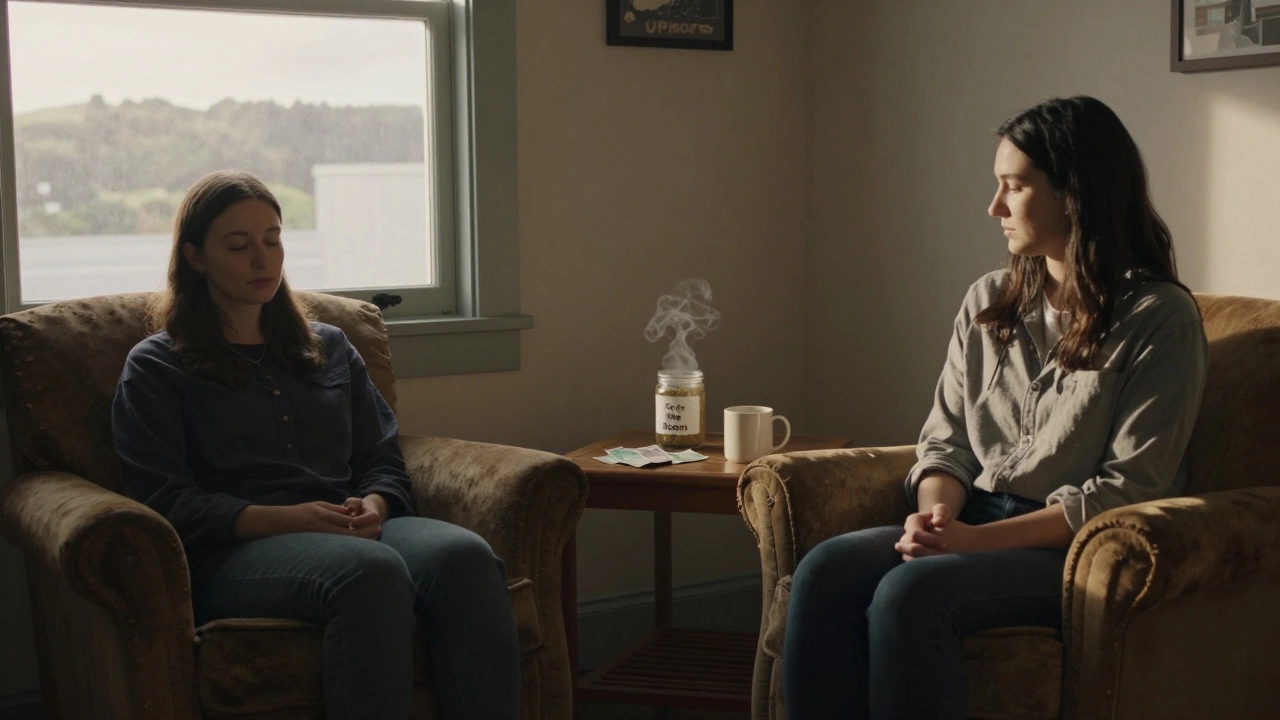
What Is the Rare Mental Health Charity?
A rare mental health charity doesn't need a website or funding-it just needs someone to sit quietly with another person in pain. These small, overlooked groups offer something big: presence without pressure.
Read More