Rare Mental Health Charity: What Makes Them Different and Where to Find Them
A rare mental health charity, a nonprofit focused on mental health conditions that affect small or overlooked populations. Also known as specialized mental health organizations, these groups don’t chase big headlines—they show up where the need is quiet but deep. While most charities focus on depression, anxiety, or PTSD, rare mental health charities tackle conditions like dissociative identity disorder, rare childhood psychosis, or trauma from cultural displacement—issues that get ignored because they’re not common enough to trend.
These organizations often start because someone lived it. A parent whose child was misdiagnosed for years. A veteran whose PTSD wasn’t recognized by mainstream services. A community where mental health is still a taboo. They don’t need millions to begin—just one person willing to listen, document, and connect others. They rely on charitable trust, a legal structure that lets donors direct funds to specific causes with long-term control to protect their mission from being absorbed by larger groups. Their work isn’t about volume—it’s about precision: one counselor trained in treating trauma from witchcraft accusations in rural India, one support group for people with body integrity identity disorder, one hotline staffed by survivors who understand the silence.
What makes them rare isn’t the condition—it’s the courage to name it. Most mental health funding flows to the most talked-about disorders. But what about the person who hears voices no one else believes? Or the teen who feels their body doesn’t match their mind, and no therapist has heard of gender dysphoria in their region? These charities fill those gaps. They work with mental health advocacy, efforts to change laws, train professionals, and shift public understanding for overlooked conditions, often without media attention. They don’t run 5Ks. They host private Zoom meetings. They print pamphlets in local languages. They train village health workers to spot symptoms no hospital can diagnose.
You won’t find them on Instagram ads. You won’t see their logos on billboards. But if you know where to look—through local community boards, trusted nonprofits that refer out, or word-of-mouth from people who’ve been helped—you’ll find them. And they’re always hungry for the right kind of help: not just money, but people who can translate materials, sit quietly with someone who’s never been understood, or help them build a website that doesn’t look like a corporate charity.
Below, you’ll find real stories and guides from people who’ve walked this path. From how to start a mental health group with no budget, to spotting a fake charity that’s just cashing in on trauma, to what actually works when you’re helping someone no one else will touch. These aren’t theory pieces. They’re field reports—from India, from villages, from homes where the door stays locked because no one else came back after the last visit.
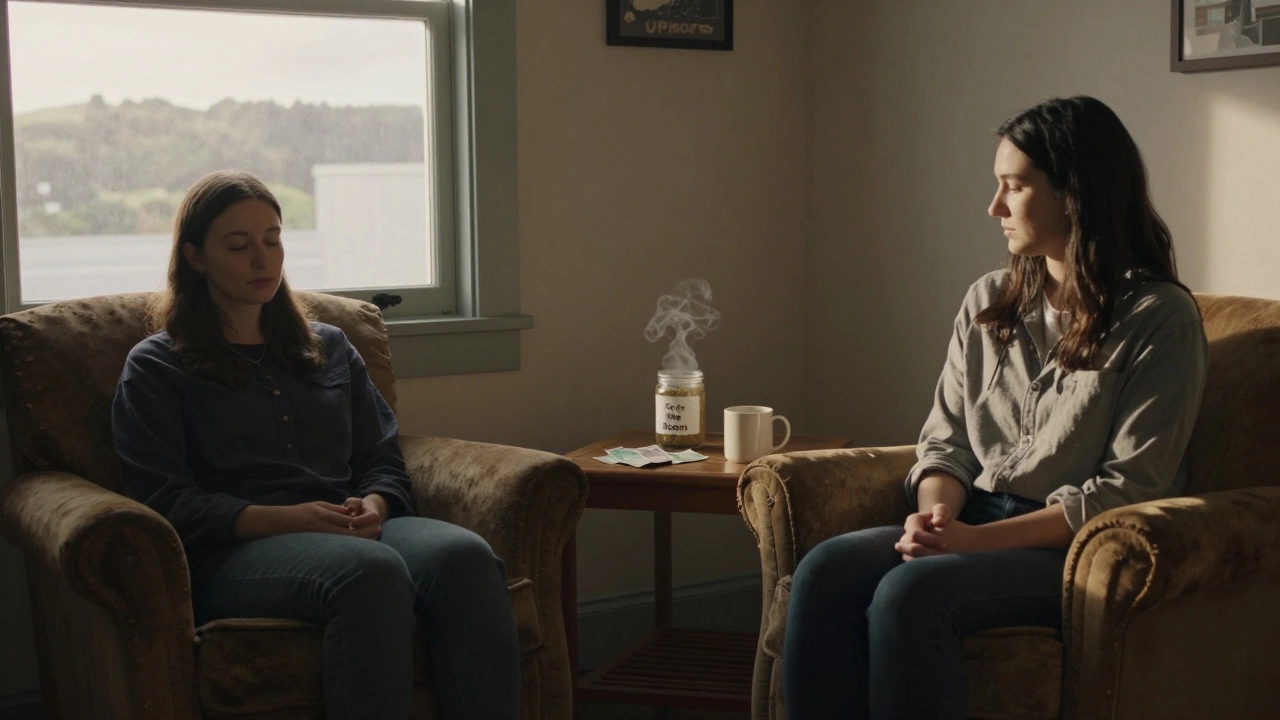
What Is the Rare Mental Health Charity?
A rare mental health charity doesn't need a website or funding-it just needs someone to sit quietly with another person in pain. These small, overlooked groups offer something big: presence without pressure.
Read More