Mental Health Outreach: How Communities Are Helping People in Crisis
When someone is struggling with their mental health, they don’t always walk into a clinic. Sometimes they’re sleeping on a bench, hiding in a bus stop, or sitting alone in a room with no one to talk to. That’s where mental health outreach, a hands-on approach to bringing support directly to people who need it most, often in their own environment. Also known as mobile mental health services, it’s not about waiting for people to ask for help—it’s about showing up before they hit rock bottom. This isn’t therapy in a office. It’s a worker with a backpack, a cup of coffee, and the patience to sit beside someone who hasn’t spoken in days.
outreach worker, a trained individual who builds trust by consistently visiting marginalized communities, often without uniforms or official titles. Also known as community support specialist, they’re the ones who learn the names of people living on the streets, remember which park someone likes to sit in, and show up again tomorrow—even if yesterday was ignored. These aren’t volunteers who drop in once a week. They’re the steady presence that turns a stranger into a friend, and a friend into a lifeline. They connect people to shelters, medication, counseling, or just a warm meal. They don’t fix everything. But they make sure no one feels completely alone.
community outreach, a structured effort to reach underserved groups through trusted local networks, not just flyers or hotlines. Also known as grassroots mental health engagement, it’s what happens when a church, a school, or a local nonprofit decides to stop waiting for government help and starts walking door-to-door. In India, this looks like teams visiting slums with basic mental health checklists, talking to mothers about postpartum depression, or training rickshaw drivers to recognize signs of psychosis. It’s not glamorous. But it saves lives.
What makes mental health outreach work isn’t fancy tech or big budgets. It’s time. It’s consistency. It’s someone who remembers your name. The posts below show how real people are doing this—without funding, without applause, and without waiting for permission. You’ll find stories of outreach teams in small towns who turned abandoned buildings into safe spaces. You’ll read about volunteers who started with just a notebook and a willingness to listen. And you’ll see how even one person showing up, week after week, can shift the whole trajectory of someone’s life.
There’s no single solution to mental health crises. But there is a proven path: show up. Stay. Listen. Help where you can. The people below are doing exactly that—and you can too.
What Is the Rare Mental Health Charity?
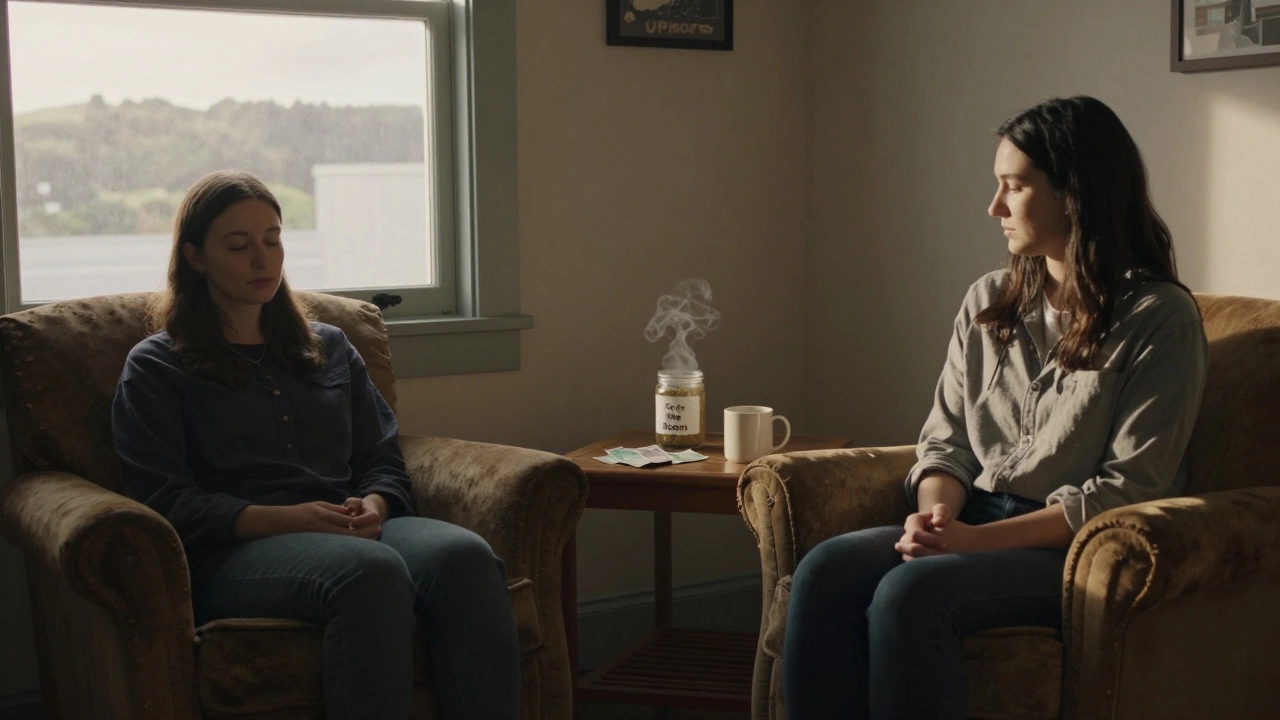
A rare mental health charity doesn't need a website or funding-it just needs someone to sit quietly with another person in pain. These small, overlooked groups offer something big: presence without pressure.
Read More