Mental Health Charity Examples: Real Organizations Making a Difference in India
When we talk about mental health charity examples, organizations that provide free or low-cost mental health support, counseling, and awareness programs to those in need. Also known as mental health nonprofits, these groups don’t wait for perfect funding—they show up where the need is greatest. In India, where stigma still silences millions, these charities are the quiet lifelines—offering hotlines, school workshops, rural outreach, and peer support groups when no one else will.
These charities don’t just hand out brochures. They train local volunteers to recognize signs of depression in teens, run free therapy sessions in slums, and partner with schools to teach kids how to talk about anxiety. Some focus on women’s mental health after domestic trauma. Others work with farmers facing crop failure, or veterans struggling with PTSD. You won’t always hear their names on TV, but you’ll find them in small towns, community centers, and WhatsApp groups where someone finally feels heard. The best ones don’t ask for big donations—they ask for your time, your voice, or just your presence.
What makes them work? Consistency. A single counselor showing up every Tuesday at a rural health post. A youth group that meets weekly to share stories without judgment. A hotline staffed by trained survivors who know exactly what it’s like to feel broken. These aren’t flashy campaigns—they’re daily acts of courage. And they’re everywhere if you know where to look.
You’ll find real stories below—from organizations helping children cope with loss, to groups training teachers to spot early signs of mental distress, to volunteers who walk miles just to deliver medication to someone too scared to leave home. These aren’t hypotheticals. They’re happening right now, in your city, your state, your neighborhood. And you don’t need to be a doctor or a donor to help. Sometimes, all it takes is showing up.
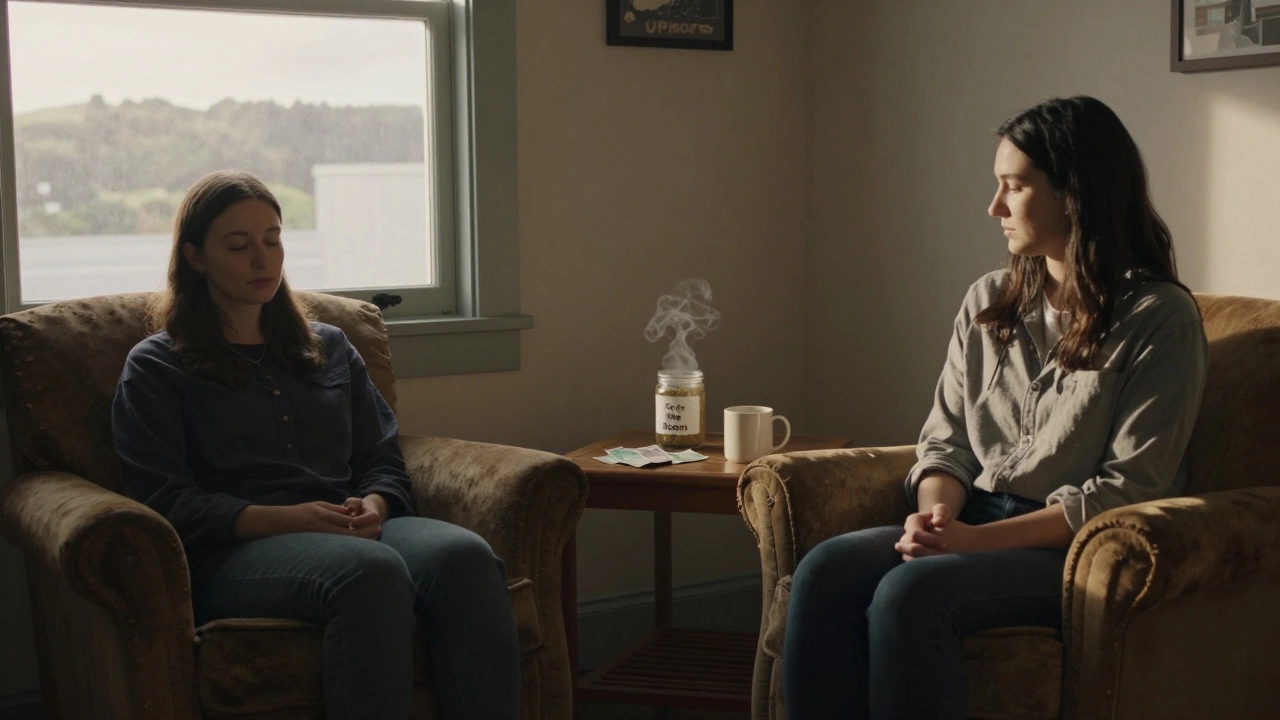
What Is the Rare Mental Health Charity?
A rare mental health charity doesn't need a website or funding-it just needs someone to sit quietly with another person in pain. These small, overlooked groups offer something big: presence without pressure.
Read More