Lesser-Known Mental Health Organizations That Are Making a Difference
When we think of mental health support, big names often come to mind—but lesser-known mental health organizations, local, grassroots groups that provide counseling, peer support, and crisis intervention without media attention are the ones holding communities together. These aren’t flashy campaigns or celebrity-backed initiatives. They’re teachers running after-school support circles, retired nurses offering free chat sessions in temple courtyards, and college students translating mental health resources into regional languages. They operate on shoestring budgets, often without formal funding, but their impact is deep and lasting.
These organizations mental health outreach, the practice of meeting people where they are—homes, schools, street corners—instead of waiting for them to walk into a clinic because stigma still keeps millions silent. In rural Tamil Nadu, a group of women trained in basic counseling now visit villages to talk about anxiety and depression using folk stories. In Bhopal, a former patient started a WhatsApp group where people share coping tips in Hindi and Bhojpuri, no therapist required. These aren’t replacements for professional care, but they’re the first lifeline for people who can’t afford it, don’t know where to go, or fear judgment.
What makes these groups work isn’t fancy tech or big donors—it’s consistency. One person showing up week after week. A quiet voice saying, "You’re not alone." That’s the real magic. And it’s happening in places you’ve never heard of: a rooftop in Jaipur where teens gather to talk about exam stress, a community center in Assam where survivors of domestic violence find safety through art therapy, and a small library in Odisha where books on mental wellness are lent out like novels.
These efforts connect directly to the kind of work you’ll find in the posts below. You’ll read about how community mental health, localized, culturally grounded support systems built by people who understand the daily realities of their neighbors grows from simple acts. You’ll see how mental health support India, the growing network of local initiatives tackling emotional well-being across India’s diverse regions doesn’t need national funding to matter. And you’ll learn how even small, overlooked efforts can ripple outward—changing how families talk about feelings, how schools respond to distress, and how communities stop pretending everything’s fine.
What follows isn’t a list of top charities. It’s a collection of real, raw, human stories—from people who showed up when no one else did. If you’ve ever felt alone in your struggles, or if you’ve wanted to help but didn’t know where to start, these stories are for you. They prove change doesn’t always come from the top. Sometimes, it starts with one person, in one town, refusing to look away.
What Is the Rare Mental Health Charity?
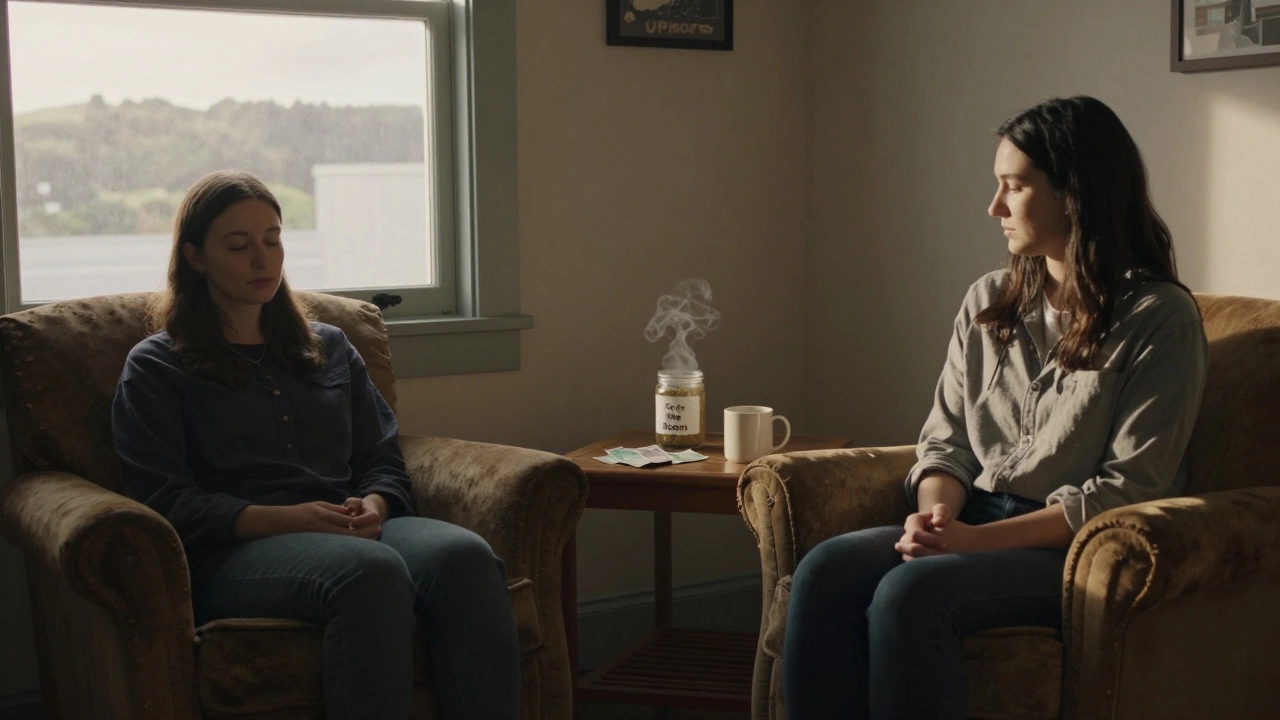
A rare mental health charity doesn't need a website or funding-it just needs someone to sit quietly with another person in pain. These small, overlooked groups offer something big: presence without pressure.
Read More