Dating in Youth Groups: What It Really Means and How It Connects to Community Work
When people talk about dating in youth groups, the informal, often misunderstood practice of forming close, consistent relationships between adult volunteers and young people in community programs. It's not about romance—it's about showing up, listening, and being someone a kid can count on. This kind of connection is the quiet engine behind every successful youth outreach program. Think of it like mentoring, but deeper. It’s the volunteer who shows up every Tuesday after school, remembers your name even when you don’t talk much, and doesn’t give up when you skip a week. That’s youth outreach, the intentional effort to build trust with young people in marginalized or underserved communities. And without that trust, even the best-funded programs fall flat.
Real youth development, the process of helping young people grow into capable, confident adults through support, guidance, and opportunity doesn’t happen in workshops or pamphlets. It happens in the spaces between the scheduled activities—when a kid stays late to talk about their mom’s job loss, or when a volunteer brings extra snacks because they noticed someone’s always hungry. That’s community engagement, the ongoing, two-way process of building relationships that lead to real change. You can’t force it. You can’t schedule it. You have to earn it. And that’s why the most effective youth programs aren’t the ones with the fanciest logos—they’re the ones where the same faces show up week after week, rain or shine.
What you’ll find in these posts isn’t advice on how to flirt or date. It’s about how real human connection drives results. You’ll read about outreach workers who spent months just sitting with homeless teens before they’d speak. You’ll see how volunteers learned that giving a kid a ride home once a week built more trust than any flyer ever could. You’ll learn why some youth groups fail—not because they lack money, but because they lack consistency. And you’ll see how small, daily actions—remembering a name, asking about a game, showing up when no one’s watching—are what turn programs into lifelines.
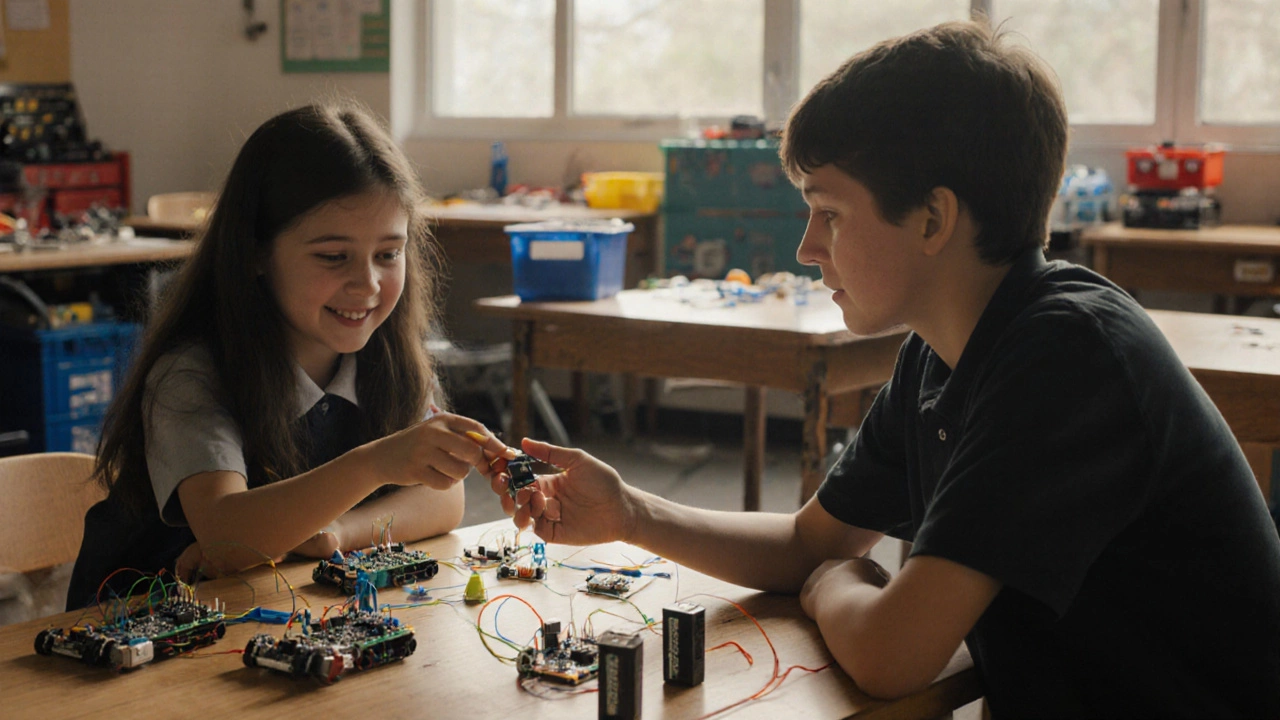
How to Flirt in a Club: Real Tips for After-School Settings
Learn how to connect with others in after-school clubs through quiet, genuine actions-not forced flirting. Real tips for teens on building trust, reading cues, and staying respectful.
Read More