Club Social Cues: What They Are and How They Shape Community Engagement
When people gather in a club social cue, an unspoken signal or behavior that guides how members interact within a group setting. Also known as social norms in informal groups, it’s not about formal rules—it’s about who sits where, who speaks first, who gets a nod, and who gets left out. These cues show up in every volunteer meeting, neighborhood gathering, and kids’ club across India. They’re the quiet rhythm that decides whether someone feels welcome—or invisible.
These cues aren’t random. They’re shaped by culture, past experiences, and power dynamics. In a charity outreach team, for example, the person who always brings coffee might be the real organizer. In a kids’ club, the quiet kid who helps set up chairs might be the one others look up to—even if no one says it. community outreach, the effort to connect with and support people in need through consistent, respectful interaction only works when these cues are understood. If you’re running a program and no one speaks up in meetings, it’s not because they don’t care—it’s because the social cues don’t invite them in. volunteer engagement, the process of attracting, retaining, and empowering people who give their time fails when the environment feels off-limits to certain voices.
Look at the posts below. One talks about how outreach workers build trust by just showing up—day after day. Another explains why people over 60 volunteer the most: they’ve learned how to read the room. A third warns that giving food to homeless people without asking can backfire, because it ignores the social cues around dignity and choice. Even fundraising events like fun runs and galas rely on cues—who gets invited, who speaks at the mic, who gets thanked first. These aren’t small details. They’re the hidden architecture of any group that wants to last.
What makes a club work isn’t the logo on the T-shirt or the size of the budget. It’s whether the quiet person feels safe to speak, whether the new volunteer knows where to sit, whether the older member feels seen. nonprofit dynamics, the unspoken patterns of power, communication, and behavior inside charitable organizations are often the reason programs succeed—or collapse. You can have the best plan in the world, but if the social cues push people away, it won’t matter.
Below, you’ll find real stories and practical guides from people who’ve seen this up close. They’ve fixed broken cues in rural outreach teams. They’ve redesigned kids’ clubs so shy kids aren’t overlooked. They’ve turned charity events into spaces where everyone—regardless of background—knows their place. These aren’t theory pieces. They’re field notes from the front lines of community building. Read them. Learn them. Then ask yourself: what cues are you sending?
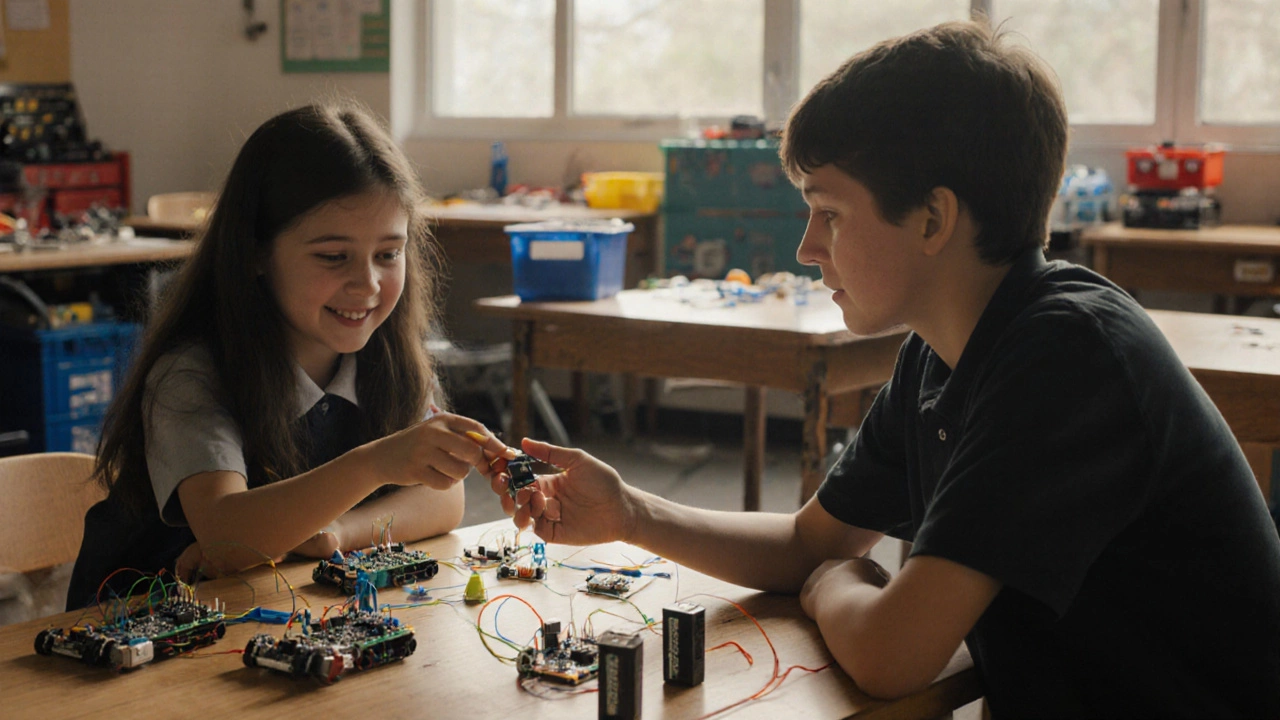
How to Flirt in a Club: Real Tips for After-School Settings
Learn how to connect with others in after-school clubs through quiet, genuine actions-not forced flirting. Real tips for teens on building trust, reading cues, and staying respectful.
Read More