After-School Snack Score Calculator
Snack Details
Analysis Result
Enter details and click Analyze to see if this snack will fuel your child's success.
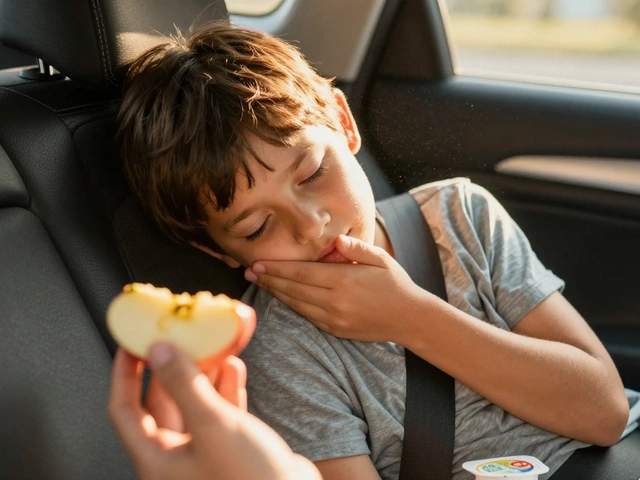
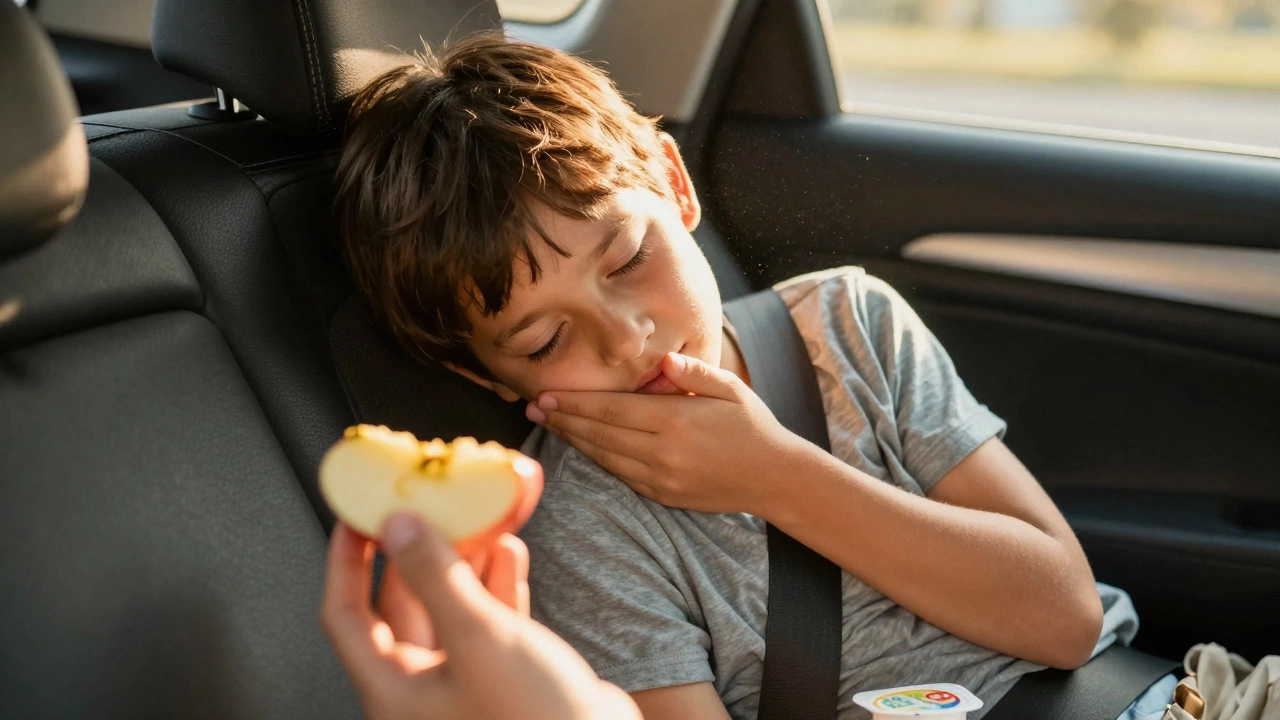
You pick your kid up from after-school clubs, and the first thing they do is slump into the car seat. Their eyes are half-closed, their voice is monotone, and if you ask them about their day, you get a shrug. You know that look. It’s not just tiredness; it’s hunger. But should you hand them a snack right then and there? Or is it better to wait until dinner?
The short answer is yes. Most kids absolutely need an after-school snack. In fact, skipping this meal can derail their mood, their homework focus, and even their physical development. But what counts as a good snack matters just as much as whether you give one at all.
The Science Behind the "Hangry" Kid
Let’s talk biology for a second. Children have higher metabolic rates than adults. They burn through glucose-their primary fuel source-quickly, especially when they’ve been active in sports or focused intensely in class. By 3:00 PM, their blood sugar levels often dip significantly since their last substantial meal was likely breakfast or a light lunch two hours prior.
When blood sugar drops, the brain signals distress. This isn’t just about feeling weak; it affects cognitive function. Studies in pediatric nutrition show that low blood sugar impairs attention span, memory recall, and emotional regulation. That’s why your child might seem irritable, anxious, or unable to concentrate on homework immediately after school. It’s not bad behavior; it’s a physiological response to an empty tank.
Think of it like running a car on fumes. You might make it home, but the engine is sputtering, and you’re risking damage. For a growing child, consistent energy intake supports not just immediate performance but long-term growth patterns.
Why Timing Matters More Than You Think
So, when exactly should this snack happen? The window between 3:00 PM and 5:00 PM is critical. This period bridges the gap between school dismissal and dinner, which usually happens around 6:00 PM or later. Without a bridge, kids face a four-to-five-hour stretch without significant nourishment.
If you wait until dinner, you risk overeating. A starving child is more likely to devour unhealthy options quickly, leading to digestive discomfort and poor nutrient absorption. An after-school snack stabilizes blood sugar, curbs extreme hunger, and allows for a more balanced approach to the evening meal.
Moreover, if your child participates in extracurricular activities like soccer practice or music lessons after school, the timing becomes even more crucial. Physical exertion depletes glycogen stores rapidly. Replenishing these stores within 30 minutes to an hour post-activity aids muscle recovery and prevents fatigue-related injuries.
What Makes a Snack Actually Healthy?
Here’s where things get tricky. Not all snacks are created equal. Many parents reach for convenience, grabbing granola bars, fruit snacks, or crackers from the pantry. While these stop the crying, they often spike blood sugar followed by a crash, leaving the child hungrier and more tired than before.
A truly beneficial after-school snack combines three key elements:
- Protein: Provides sustained energy and helps with satiety. Examples include nuts, cheese, yogurt, or hummus.
- Fiber: Slows down digestion, preventing rapid blood sugar spikes. Found in whole fruits, vegetables, and whole grains.
- Healthy Fats: Supports brain health and keeps energy levels steady. Sources include avocado, nut butters, and seeds.
Avoid snacks high in added sugars and refined carbohydrates. These provide a quick burst of energy followed by a steep decline, exacerbating the very issues you’re trying to solve. Instead of a sugary cookie, try apple slices with almond butter. Swap out soda for water with a squeeze of lemon.
Practical Snack Ideas for Busy Parents
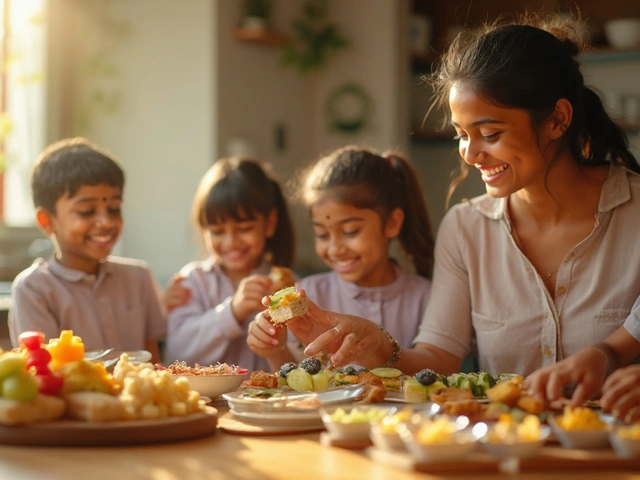
We all lead busy lives. Preparing elaborate meals after work isn’t always feasible. Here are some simple, nutritious options that take less than five minutes to assemble:
- Greek Yogurt Parfait: Layer plain Greek yogurt with berries and a sprinkle of chia seeds. High in protein and antioxidants.
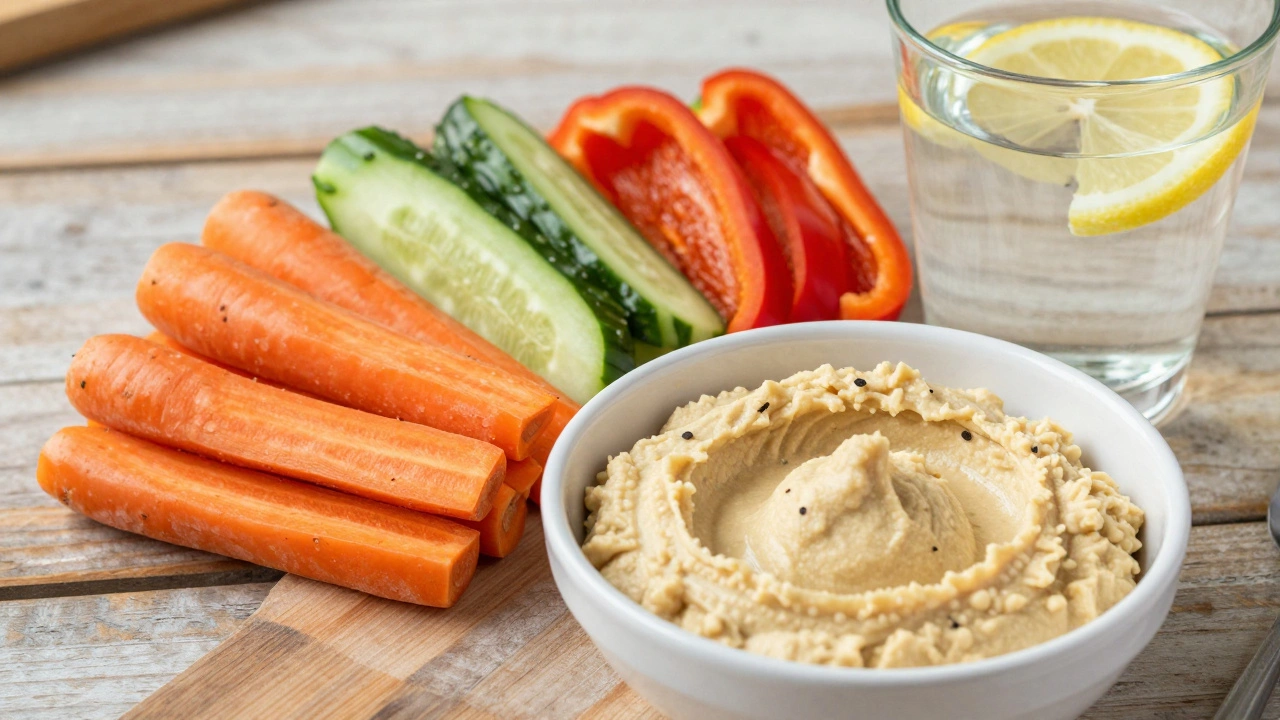
- Veggie Sticks with Hummus: Carrots, cucumbers, and bell peppers dipped in hummus offer crunch, fiber, and plant-based protein.
- Cottage Cheese with Pineapple: A surprising combo that delivers casein protein (slow-digesting) and natural sweetness.
- Hard-Boiled Eggs: Portable, packed with protein, and easy to prepare in batches on weekends.
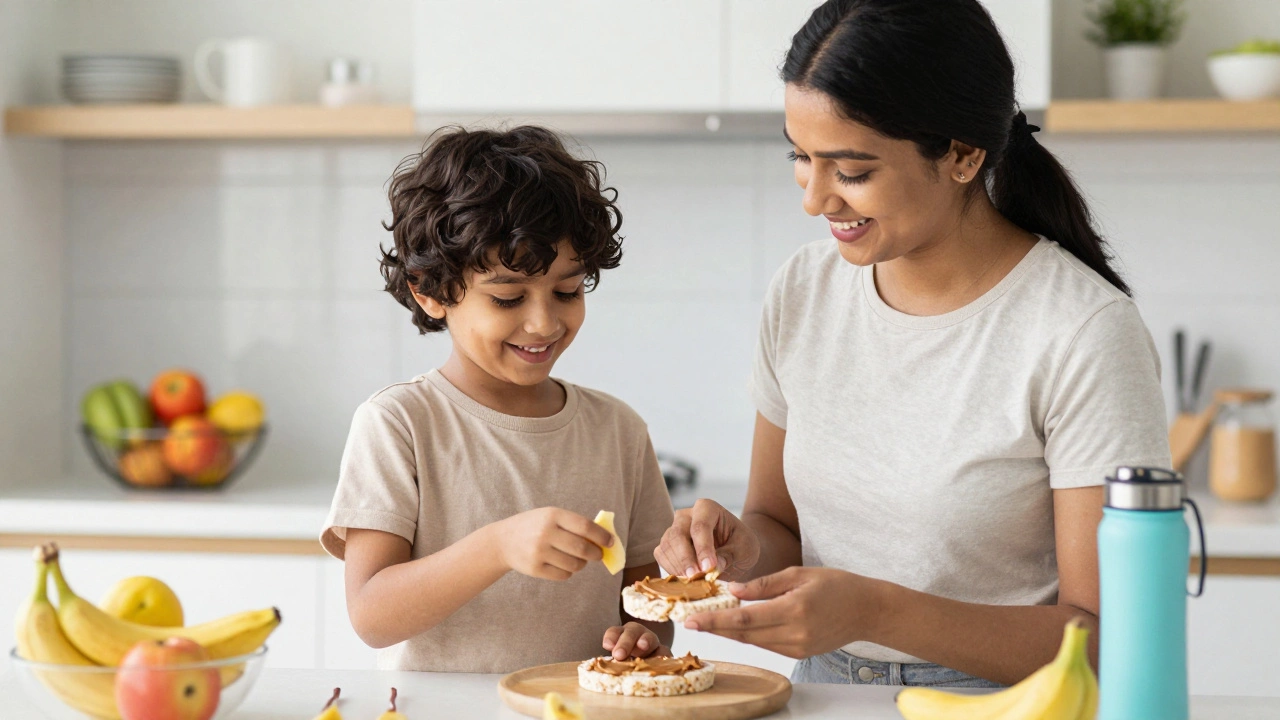
- Nut Butter Rice Cakes: Whole grain rice cakes topped with peanut or sunflower seed butter provide complex carbs and fat.
If your child has allergies, substitute accordingly. Sunflower seed butter works well for nut-free environments. Lactose intolerance? Opt for soy-based yogurts or fresh fruit with pumpkin seeds.
The Role of Hydration
Sometimes, what looks like hunger is actually thirst. Dehydration causes symptoms similar to low blood sugar: headache, fatigue, and difficulty concentrating. Ensure your child drinks water throughout the afternoon. Keep a reusable water bottle in their backpack and refill it regularly.
In New Zealand, where outdoor play is common, hydration needs increase during warmer months. Even mild dehydration can impact cognitive performance by up to 10%. So, before offering food, offer a glass of water. Often, this alone resolves the irritability.
Addressing Common Concerns
Some parents worry that snacking will ruin their child’s appetite for dinner. This is a valid concern, but manageable. The key is portion control. An after-school snack should be small-around 150-200 calories-not a full meal. It’s meant to tide them over, not fill them up completely.
Another fear is weight gain. Contrary to popular belief, structured snacking with nutrient-dense foods does not cause obesity. In fact, skipping meals can lead to binge eating later, which is more detrimental. Focus on quality over quantity. Teach your child to listen to their body’s hunger cues rather than eating out of habit or boredom.
Cost is also a factor. Healthy food can seem expensive. However, buying in bulk, choosing seasonal produce, and preparing snacks at home significantly reduces costs compared to processed packaged goods. Plus, you control the ingredients, avoiding unnecessary preservatives and additives.
Tailoring Snacks to Activities
Your child’s activity level dictates their nutritional needs. If they spend afternoons studying quietly, a lighter snack like fruit or a small handful of nuts suffices. If they’re involved in intense sports like rugby or netball, they need more carbohydrates and protein to replenish energy stores.
For athletic kids, consider adding a banana or a slice of whole-grain toast with jam alongside their protein source. Carbohydrates are essential for restoring glycogen levels used during exercise. Protein aids in muscle repair. Combining both ensures optimal recovery.
| Snack Option | Primary Nutrient | Energy Duration | Best For |
|---|---|---|---|
| Granola Bar (Store-bought) | Simple Carbs/Sugar | Short (30 mins) | Quick fix, but leads to crash |
| Apple + Peanut Butter | Fiber + Protein/Fat | Long (2-3 hours) | Homework, general activity |
| White Bread Toast | Refined Carbs | Short (1 hour) | Not recommended |
| Cheese Stick + Crackers | Protein + Complex Carbs | Medium (1.5-2 hours) | Moderate activity |
| Chocolate Milk | Protein + Calcium + Sugar | Medium (1.5 hours) | Post-exercise recovery |
Involving Your Child
Getting your child involved in snack preparation fosters independence and healthier eating habits. Let them choose between two healthy options. Involve them in washing fruits or spreading nut butter. When children participate in the process, they’re more likely to eat the food.
This also teaches valuable life skills. They learn about food groups, portion sizes, and the effort required to prepare nutritious meals. It turns snack time into a learning opportunity rather than a transactional exchange.
Conclusion: Small Changes, Big Impact
Providing an after-school snack is a small gesture with profound effects. It fuels their bodies, sharpens their minds, and stabilizes their moods. By choosing nutrient-dense options and timing them correctly, you support their overall well-being and academic success.
Remember, consistency is key. Establish a routine so your child knows what to expect. Keep healthy snacks accessible and visible. Over time, these habits become second nature, laying the foundation for a lifetime of healthy eating.
How many calories should an after-school snack contain?
An ideal after-school snack contains approximately 150-200 calories. This amount is sufficient to curb hunger and restore energy without spoiling the appetite for dinner. Adjust based on your child's age, size, and activity level.
Is it okay to give juice as an after-school drink?
Juice should be limited. While it provides vitamins, it lacks fiber and contains concentrated sugars that can spike blood sugar. Water is the best choice. If you offer juice, dilute it with water and limit portions to 4-6 ounces.
What if my child refuses healthy snacks?
Patience is key. Introduce new foods gradually alongside familiar favorites. Present them in fun ways, like cutting fruit into shapes. Avoid forcing them to eat, but consistently offer healthy options. It can take up to 15 exposures for a child to accept a new food.
Can snacks help with ADHD symptoms?
Yes, stable blood sugar levels can improve focus and reduce impulsivity in children with ADHD. Protein-rich snacks are particularly beneficial as they provide amino acids necessary for neurotransmitter production. Consult your pediatrician for personalized advice.
Are store-bought protein bars healthy?
Many store-bought protein bars are high in added sugars and artificial ingredients. Read labels carefully. Look for bars with less than 5g of added sugar and recognizable ingredients. Homemade alternatives using oats, nut butter, and honey are often healthier and cheaper.