The Reality of Life Without Housing in Texas
If you are unsheltered in Texas right now, the ground beneath you feels less solid than it did five years ago. We are talking about 2026, and the legal landscape has hardened considerably. While headlines often scream about compassion or crisis, the actual day-to-day experience for someone living on the streets comes down to municipal codes and state statutes that have shifted dramatically. Texas Homeless Laws govern how local governments manage unsheltered populations through ordinances and enforcement strategies. This isn't just about keeping parks clean; it's about who owns public space and what happens when someone sleeps there.
You might hear people argue that Texas is unique because it doesn't follow the same federal mandates as California. That distinction matters. In 2026, the debate isn't just about rights versus order anymore. It's about how specific cities like Houston, Austin, and Dallas are implementing broader state permissions. Let's cut through the noise and look at exactly what changed recently and what you need to know to stay safe within the system.
Encampment Bans and Public Camping
The biggest area of contention remains the legality of overnight sleeping in public areas. For a decade, the argument hinged on whether shelter space was available. If a city had full shelters, could they ban camping? In many parts of the country, the answer was no. But here, the legal footing is different. City Ordinances local laws enacted by municipalities that regulate behavior and land use in Texas largely bypassed the high bar set by western court rulings.
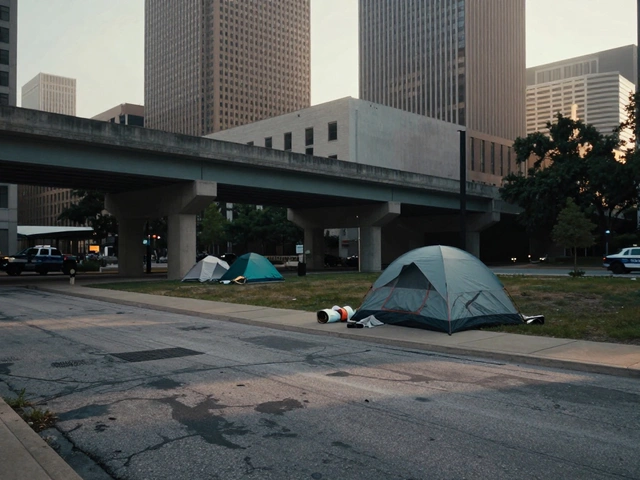
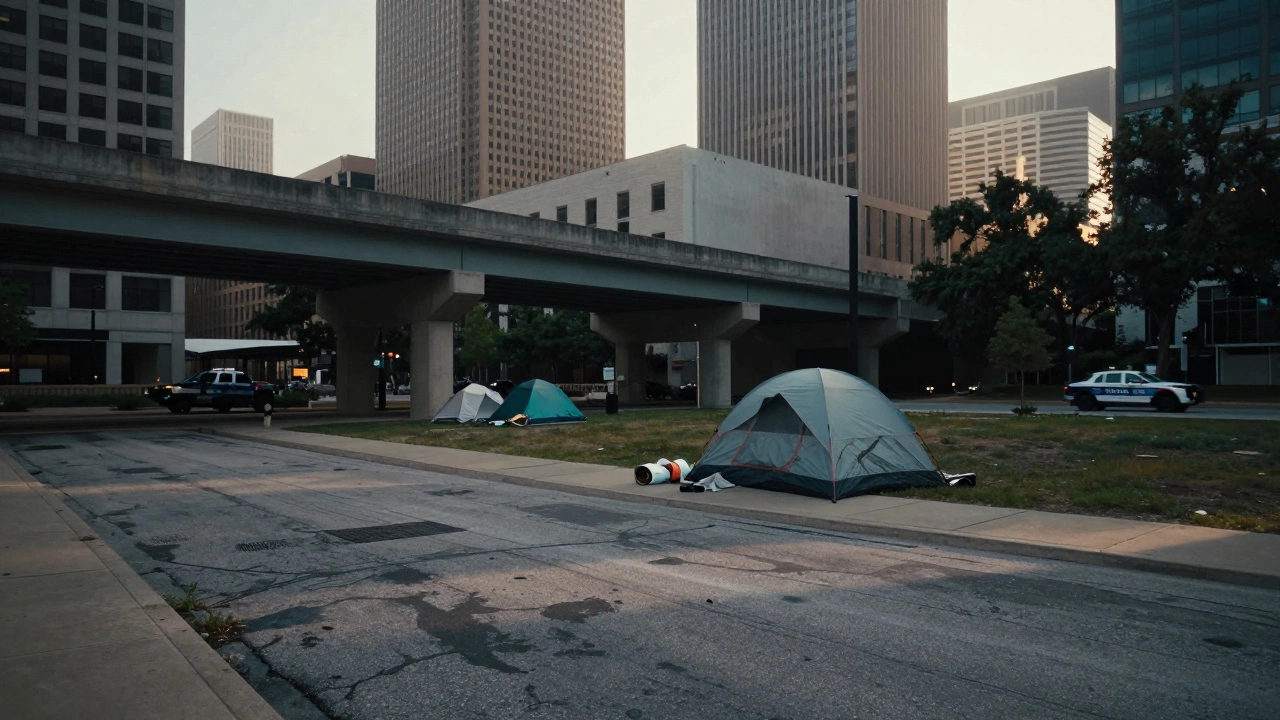
In 2024 and leading into 2025, several major municipalities tightened their rules regarding public camping. Now, entering 2026, the enforcement has become more visible. Most county and city codes explicitly prohibit setting up camp structures. This includes tents, tarps, vehicles, and even blankets spread out in designated "green spaces." Police do not necessarily need to offer shelter before removing your belongings.
- Removal Timeline: Many cities now require immediate removal of encampments upon complaint or during routine patrols.
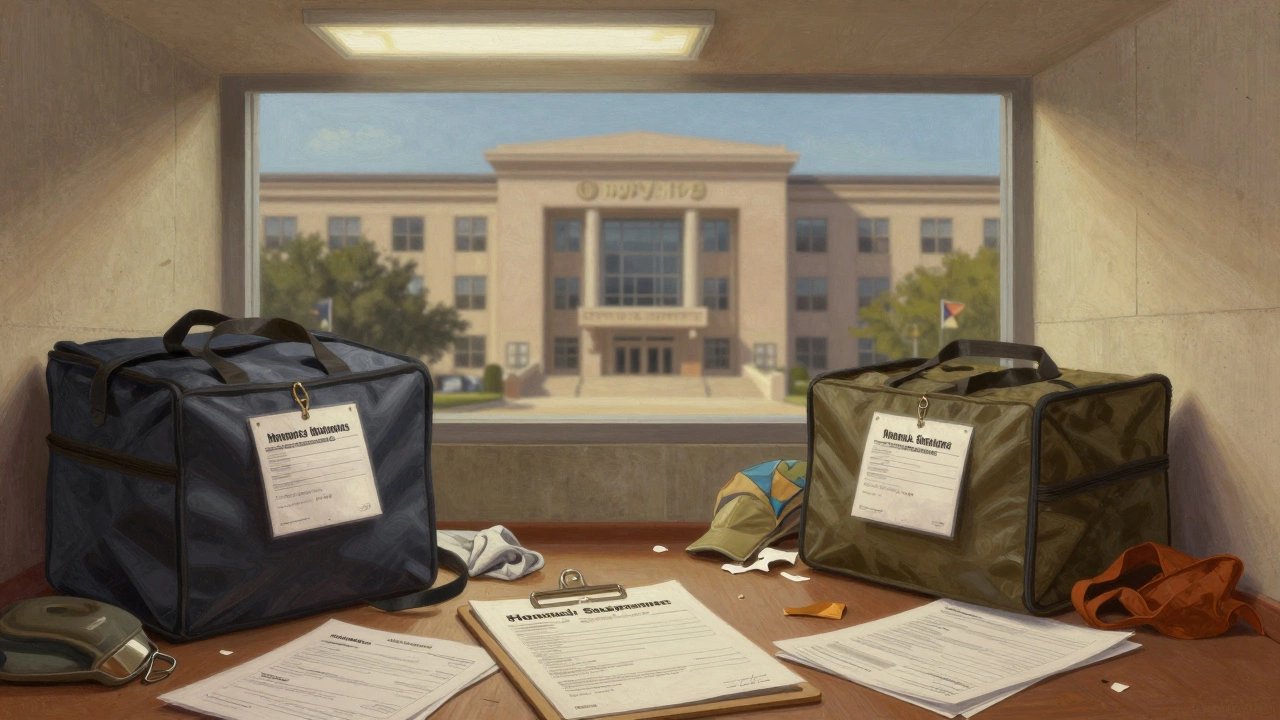
- Belongings Disposal: Personal items left behind can be classified as abandoned property after a short holding period, sometimes as brief as three days depending on the jurisdiction.
- Restricted Zones: Areas near transit hubs, schools, and major intersections have expanded buffer zones where loitering is treated as trespassing.
This shift fundamentally changes daily life. You can no longer count on a spot under a bridge or inside a park remaining safe overnight. The threat of seizure for a mattress or a box of winter clothes is real. If you find your things bagged and tagged, checking the notice is critical. Ignoring a disposal notice usually results in total loss of those possessions.
The Question of Shelter Mandates
A major source of confusion is whether Texas law forces cities to open shelters to prevent them from arresting people. There is a myth that police can't arrest anyone for sleeping outside if no shelter bed is open. That is technically incorrect in this region. Unlike the 9th Circuit's *Martin v. City of Boise* ruling which influenced Oregon and Washington, Texas courts have consistently upheld local authority over public property usage regardless of shelter capacity.
Shelter Mandates is a legal requirement forcing municipalities to provide adequate housing alternatives before criminalizing homelessness. Also known as Safe Sleeping Policies, this concept remains largely absent in Texas jurisprudence.However, there is a layer of nuance. Some organizations push for "Shelter First" programs. These aren't legally binding mandates but rather grant-funded initiatives funded by HUD (Department of Housing and Urban Development). If a city receives federal dollars, they sometimes agree to specific non-enforcement zones or intake protocols. These are political agreements, not state laws.
In practice, what does this mean? If you arrive in Houston and the emergency shelter is full, a police officer can still cite you for violating a camping ordinance if you sleep in a car or tent nearby. They cannot force you to enter a shelter against your will, but they can remove you from public property. The distinction between "arrest for homelessness" and "citation for loitering" blurs significantly when you don't have a home address on file.
Panhandling Regulations
Beyond where you sleep, there are strict rules about asking for money. Aggressive solicitation has been banned everywhere, but Texas has tightened the definition of what counts as aggressive. Walking up to someone eye-to-eye, following them, or using signs that block sidewalks is now frequently cited as harassment.
The new codes introduced late last year added digital restrictions too. Recording individuals while asking for donations can trigger additional privacy violations. If you rely on donations to survive, you need to know where standing is allowed. Designated zones exist, mostly near major commercial centers. Straying outside these marked areas invites a fine. The fine amounts have also adjusted for inflation, landing closer to $500 per citation in 2026.
Some cities like Dallas implemented a permit system. To ask for alms legally, you register with the city clerk. It sounds bureaucratic, but having a badge allows you to avoid detention while collecting funds. It essentially turns street work into a regulated activity. Without that badge, you face the risk of having your collection bucket confiscated.
| City | Camp Ban Status | Shelter Bed Capacity | Police Priority |
|---|---|---|---|
| Houston | Strict Enforcement | High (Multiple Partnerships) | Code Compliance |
| Austin | Moderate Enforcement | Limited (Single Site Issues) | Community Cleanup |
| Dallas | Permit Based | Moderate (Faith-based heavy) | Safety Zone Protection |
| San Antonio | Aggressive Sweeps | Low Turnover Facilities | Traffic Flow Management |
Navigating the System Legally
Knowing the laws helps, but knowing how to move through them safely saves your sanity. If you plan to live on the streets in Texas, assume that "safe spots" are temporary. Every corner that feels secure tonight might be scheduled for a cleanup next week. Communication with social service workers is your best defense against unexpected moves.
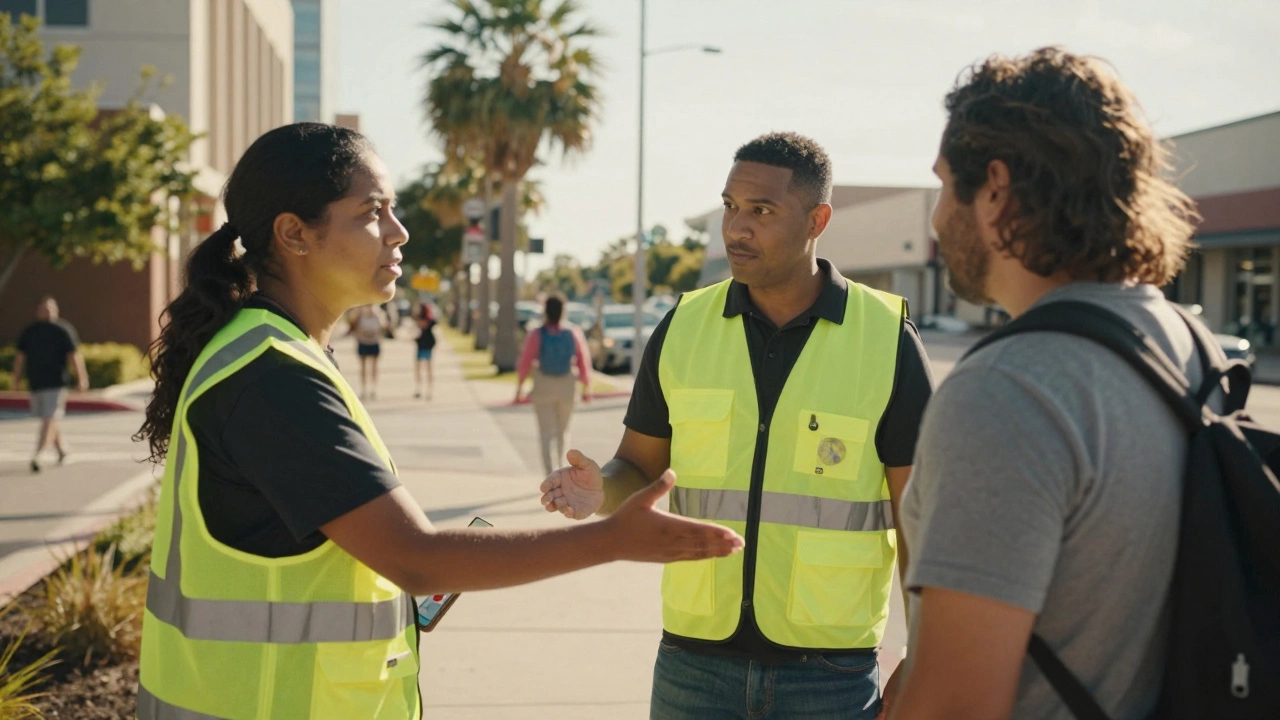
Most jurisdictions now operate "Street Outreach Teams." These aren't always police officers. Sometimes they are community health advocates sent ahead of law enforcement. If a stranger approaches you in a vest offering paperwork, stop and listen. Engaging with them often triggers a record that you were located, which stops automatic warrants from being issued later if you simply walk away. It establishes contact.
Also, keep an eye on weather alerts. When extreme heat or freeze warnings are active, some counties activate temporary moratoriums on clearing camps. It's not guaranteed, but enforcement discretion rises. Knowing when these emergency declarations are made gives you a window of breathing room. Check local news broadcasts or radio stations specifically for "Extreme Weather Shelter Alerts" which signal reduced enforcement pressure.
Resources and Next Steps
The situation feels overwhelming because it is designed to push movement. The laws in Texas function to discourage long-term public habitation, forcing a choice between compliance and criminal records. Understanding this dynamic prevents you from being blindsided by sudden raids. If you are reading this and currently navigating these waters, remember that information is leverage. Keep copies of notices if you receive them. Document everything. If you lose essential documents, contact local re-entry coalitions immediately; they handle ID replacement faster than government offices alone.
There are still pockets of hope. The "Housing First" model survives in specific nonprofits independent of city control. They operate without requiring you to sign over your legal rights. If you want stability, these groups offer the path forward without the threat of incarceration. It is not easy, but clarity about the law makes the journey less frightening.
Can I be arrested for sleeping on a sidewalk in Texas?
Yes, unlike some Western states, Texas courts have upheld local ordinances banning public sleeping. Police can issue citations or arrest you for violating camping bans regardless of shelter availability.
What happens to my belongings if I move my camp?
Cities typically tag belongings as abandoned property. If claimed within the notice period (often 3-10 days), you retrieve them. Afterward, items are often donated to charity or destroyed.
Is panhandling illegal in Houston?
Soliciting funds is restricted to designated zones and requires permits in certain areas. Blocking foot traffic or following individuals results in fines for aggressive begging.
Do police enforce laws during extreme weather?
Enforcement may pause during Heat Emergencies or Freeze Warnings. Moratoriums depend on the specific county declaration and vary by locality.
How do I fight a homeless-related ticket?
You have the right to appear in court. Legal aid organizations specializing in civil liberties often represent defendants facing quality-of-life offenses related to homelessness.