Anti-Homelessness Law Enforcement Checker
Select a city to view its specific enforcement profile, shelter status, and relevant legal context.
City Name
Description goes here.
Primary Ordinances & Risks
Impact on Individuals
Impact text goes here.
Please select a city above to view details.
There is a persistent myth that certain states in the United States have made it a crime simply to exist without a home. You might have seen headlines claiming that being homeless is illegal in places like Florida or Texas. The reality is far more complex, and frankly, much more nuanced than those clickbait titles suggest. As of May 2026, there is no state in the US where being homeless is inherently illegal. However, many states and cities enforce laws that criminalize specific behaviors associated with homelessness, such as sleeping in public, panhandling, or loitering.
Understanding this distinction is crucial for anyone navigating the housing crisis, whether you are currently experiencing homelessness, working in social services, or just trying to understand the legal landscape. The law doesn't target your status; it targets your actions. But when you have nowhere else to go, those actions become unavoidable, creating a cycle of arrests and fines that make finding stability nearly impossible.
The Legal Reality: Status vs. Conduct
To understand why people believe homelessness is illegal, we need to look at how the law works. The US Supreme Court has ruled on this issue several times. In the landmark case Griffin v. City of San Francisco, the court established that while cities can ban sleeping in public parks, they cannot enforce those bans if there is no reasonable alternative available. Essentially, you cannot punish someone for a status (being homeless) but only for conduct (sleeping) if that conduct is involuntary due to lack of shelter.
This creates a gray area. Many local ordinances ban camping, sitting on sidewalks, or storing personal belongings in public spaces. When these laws are enforced strictly, they effectively criminalize homelessness. For example, if a city bans all outdoor sleeping but provides zero shelter beds, they are violating constitutional protections against cruel and unusual punishment. This was reinforced by the Ninth Circuit Court of Appeals' decision in Martin v. City of Boise, which remains a critical precedent today.
So, while no state has a law saying "you shall not be homeless," many have laws that make survival incredibly difficult. These laws vary wildly from jurisdiction to jurisdiction, leading to confusion and fear among vulnerable populations.
States with Strict Enforcement Policies
Some states have gained reputations for aggressive enforcement of anti-camping and anti-loitering laws. These policies often stem from political pressure to "clean up" downtown areas, even if they don't address the root causes of homelessness.
- Florida: Often cited in media reports, Florida has strict loitering and vagrancy laws. Cities like Miami and Orlando frequently sweep encampments. While not illegal to be homeless, living in your car or under a bridge can lead to repeated citations.
- Texas: Houston and other major Texas cities have implemented strict ordinances regarding public intoxication and camping. The state's limited shelter infrastructure means many people have no choice but to sleep outdoors, leading to frequent interactions with law enforcement.
- Arizona: Phoenix has been in the news for its aggressive removal of homeless encampments. The city argues that these measures improve public safety, but critics say they merely displace people without solving their housing needs.
- California: Despite having some of the most progressive housing laws, California also has strict local ordinances. Los Angeles and San Francisco have struggled to balance civil rights with community concerns about sanitation and public space usage.
It is important to note that enforcement is often local, not statewide. A policy in one county may differ significantly from another within the same state. This patchwork of regulations makes it hard for individuals to know their rights as they move across borders.
The Impact of Criminalization on Individuals
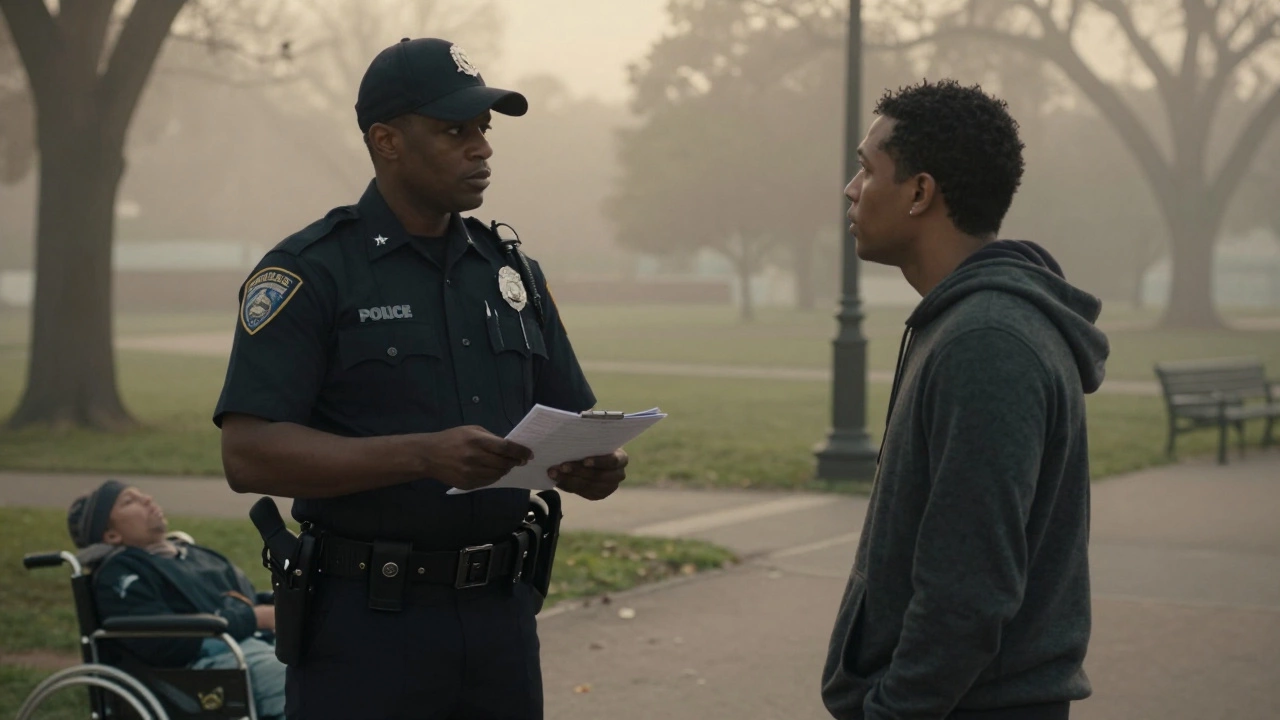
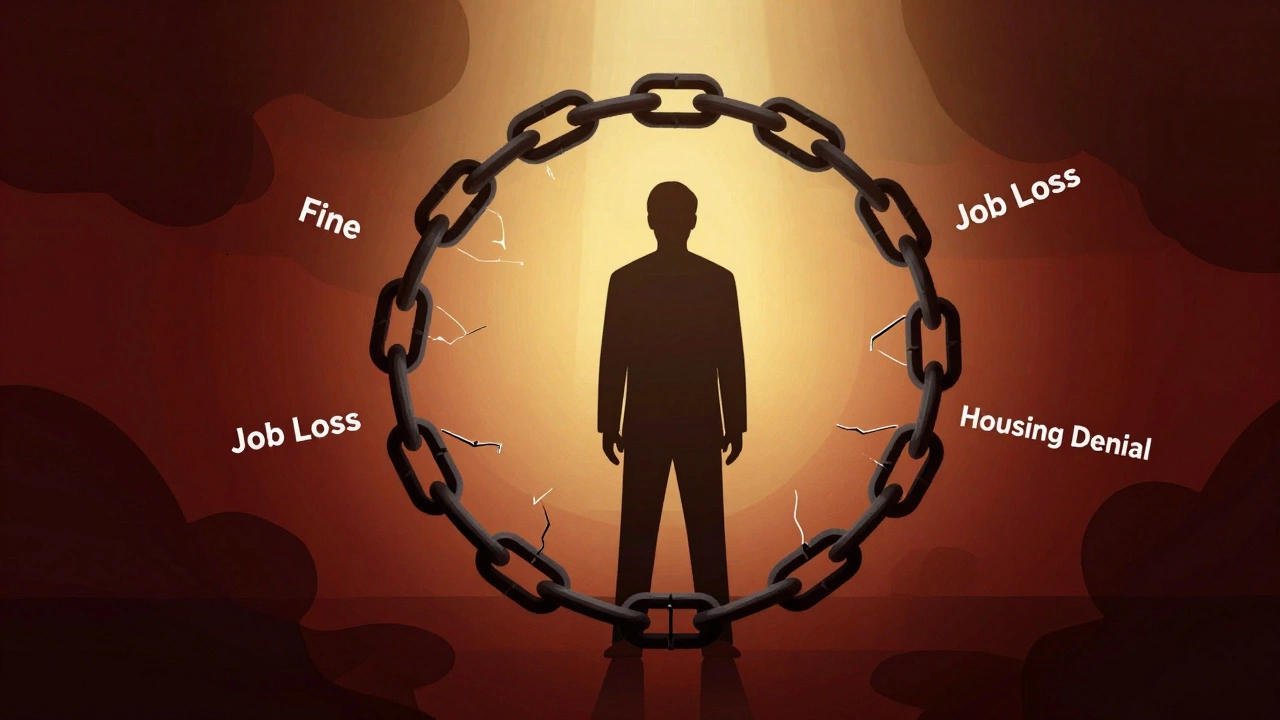
When basic survival acts are criminalized, the consequences are severe. A single citation for sleeping in a park can result in fines that accumulate quickly. Without a stable address, paying these fines becomes nearly impossible. Unpaid fines can lead to suspended driver's licenses, which in turn make it harder to get a job-a key step out of homelessness.
Moreover, arrest records create barriers to employment and housing. Even if someone secures a job offer, a background check revealing multiple misdemeanor charges for "loitering" or "camping" can cause employers to withdraw offers. This cycle perpetuates poverty and keeps people trapped in the system.
Mental health and substance abuse issues are also exacerbated by constant stress and displacement. Instead of receiving support, individuals face incarceration, which often lacks adequate medical care and counseling. This approach fails to address the underlying issues driving homelessness.
Federal Protections and Recent Developments
In recent years, federal courts have stepped in to protect the rights of homeless individuals. The Fair Housing Act prohibits discrimination based on source of income, including housing vouchers. Additionally, the Department of Justice has issued guidance reminding local governments that enforcing camping bans without providing shelter alternatives violates the Eighth Amendment.
In 2025, several new lawsuits were filed challenging municipal ordinances that disproportionately affect homeless populations. These cases aim to establish clearer boundaries between legitimate public order concerns and unconstitutional enforcement. While outcomes vary, the trend suggests growing judicial recognition of the human rights implications of anti-homelessness laws.
Furthermore, organizations like the National Law Center on Homelessness and Poverty continue to advocate for policy changes. They provide legal resources and monitor violations, helping to hold municipalities accountable.
Navigating Your Rights and Resources
If you or someone you know is facing legal challenges related to homelessness, knowing your rights is essential. Here are some practical steps:
- Know Local Ordinances: Research specific laws in your city or county. Understanding what is prohibited can help you avoid unnecessary conflicts.
- Seek Legal Aid: Many non-profit organizations offer free legal assistance to homeless individuals. They can help contest unfair citations and navigate court proceedings.
- Connect with Shelters: While shelters may not always be available, they can provide referrals to legal aid and other services. Some shelters also advocate for residents' rights.
- Document Interactions: Keep records of any encounters with law enforcement. Note dates, times, officers' names, and details of the interaction. This documentation can be crucial in legal disputes.
Additionally, consider reaching out to advocacy groups that specialize in homelessness. They can provide updates on changing laws and connect you with supportive networks.
| State/City | Primary Ordinance Type | Shelter Availability | Legal Precedents |
|---|---|---|---|
| Los Angeles, CA | Camping Bans | High (but overcrowded) | Martin v. City of Boise |
| Houston, TX | Public Intoxication & Camping | Moderate | Local injunctions |
| Miami, FL | Loitering & Vagrancy | Low | Ongoing litigation |
| Phoenix, AZ | Encampment Removal | Moderate | Federal oversight |
Alternatives to Criminalization
Rather than relying on punitive measures, many experts advocate for evidence-based solutions. Programs like Housing First have shown significant success in reducing chronic homelessness. By providing permanent supportive housing without preconditions, these initiatives address both housing instability and related health issues.
Other effective strategies include:
- Mobile Clinics: Bringing healthcare services directly to unhoused communities.
- Navigator Services: Helping individuals access benefits, ID cards, and job training.
- Community Policing: Training officers to engage compassionately rather than punitively.
These approaches recognize that homelessness is a systemic issue requiring comprehensive solutions, not just law enforcement.
Is it illegal to be homeless in any US state?
No, it is not illegal to be homeless in any US state. However, many states and cities enforce laws that criminalize behaviors associated with homelessness, such as sleeping in public, panhandling, or loitering. These laws do not target the status of being homeless itself but the actions taken due to lack of housing.
What happens if I am arrested for sleeping in public?
If you are arrested for sleeping in public, you may face fines, jail time, or both. These citations can accumulate, leading to additional penalties like suspended driver's licenses. Arrest records can also hinder future employment and housing opportunities. Legal aid organizations can help contest these charges.
Are there federal laws protecting homeless people?
Yes, federal laws such as the Fair Housing Act prohibit discrimination based on source of income. Additionally, court rulings like Martin v. City of Boise establish that enforcing camping bans without providing shelter alternatives violates constitutional rights. The Department of Justice also issues guidance to prevent unconstitutional enforcement.
Which states have the strictest anti-homelessness laws?
States like Florida, Texas, Arizona, and California are known for strict enforcement of anti-camping and loitering laws. However, enforcement varies by city and county, so local ordinances play a significant role. Always check specific local laws for accurate information.
How can I find legal help if I am homeless?
You can find legal help through non-profit organizations specializing in homelessness, such as the National Law Center on Homelessness and Poverty. Local legal aid societies often provide free services. Shelters and community centers may also offer referrals to attorneys who handle housing and civil rights cases.