
Mission Statement Builder
Create Your Mission Statement
A specific mission statement attracts support and donations. Following the article's guidance, create a clear statement that includes who you serve, what you do, and where you do it. Example: 'To provide free after-school tutoring for Māori and Pasifika students in South Wellington who lack access to academic support.'
Your Mission Statement
Your mission statement will appear here after you click 'Build Mission Statement'
Starting a foundation with no money sounds impossible-but it’s not. Thousands of grassroots charities began with nothing but a idea, a few volunteers, and a stubborn belief that change was possible. You don’t need a bank account full of cash to make a real difference. You need clarity, connection, and consistency. This is how you build a charitable trust from zero, step by step, without spending a dollar.
Define your mission with laser focus
A vague mission won’t attract support. People don’t give to ‘helping the community.’ They give to ‘feeding homeless teens in Porirua every Friday night’ or ‘planting native trees in Wellington’s degraded waterways.’ Your mission must be specific, measurable, and local. Ask yourself: Who exactly are you helping? What problem are you solving? Where does it happen? If you can’t answer those in one sentence, go back and tighten it. For example: ‘To provide free after-school tutoring for Māori and Pasifika students in South Wellington who lack access to academic support.’ That’s clear. That’s actionable. That’s the kind of mission people remember-and donate to.Register as a non-profit (it’s free)
In New Zealand, you don’t need money to register a charitable trust. The Charities Services arm of the Department of Internal Affairs lets you register for free. You just need:- A clear charitable purpose (like education, poverty relief, or environmental protection)
- At least three trustees (you, plus two others who believe in your cause)
- A trust deed (a simple document outlining your mission, rules, and how decisions are made)
Build your team before you build your budget
No one runs a foundation alone. You need people who care more than you do. Start by talking to five people who already work in your space. Ask a teacher who tutors kids after school. Ask a community gardener who plants trees on weekends. Ask a retired social worker who still visits nursing homes. These people aren’t looking for pay-they’re looking for a platform. Offer them a role: trustee, volunteer coordinator, events lead. Give them ownership. That’s how you build momentum without spending money. Your team becomes your credibility. When you reach out to local businesses or media, you’re not a lone dreamer-you’re the leader of a group with skills, experience, and shared purpose.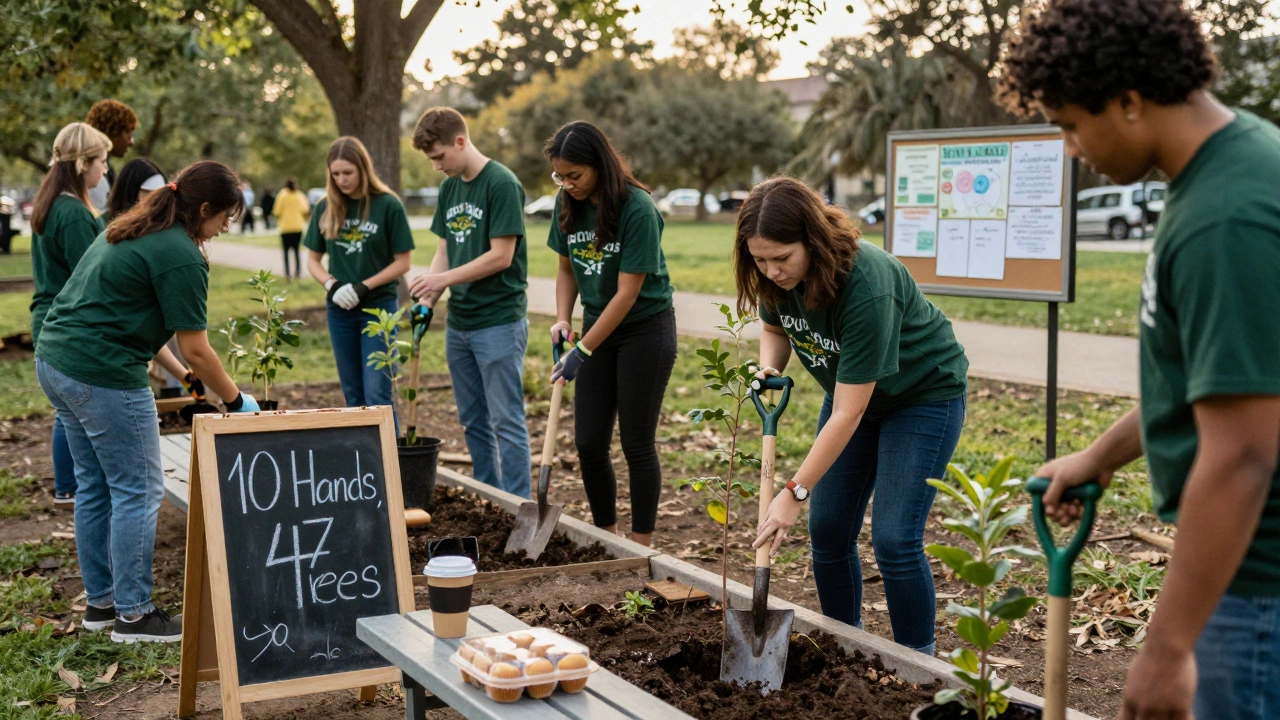
Use free tools to replace paid software
You don’t need expensive CRM systems or accounting software. Free tools do everything you need:- Google Workspace (free for non-profits): Email, docs, spreadsheets, calendars-all under your charity’s name.
- Canva: Design flyers, posters, social media posts. No design skills? Use their free non-profit templates.
- Facebook Groups and WhatsApp: Keep your team and volunteers connected. No app needed.
- Google Forms: Collect volunteer sign-ups, survey needs, or event feedback.
- Dropbox or Google Drive: Store documents, photos, and agreements. Share with trustees securely.
Start small. Start local. Start now
Don’t wait for funding to launch your first project. Launch your first project to get funding. If your mission is tutoring kids, host one free session in a library meeting room. Ask the librarian if you can use the space after hours-most will say yes. Bring a few books, a whiteboard, and your volunteers. Invite five students. That’s it. If you’re planting trees, organize a Saturday morning cleanup with ten volunteers. Borrow shovels from a neighbor. Get free seedlings from a local council nursery. Take photos. Write a short story: ‘Ten hands, one morning, 47 native trees planted in Hataitai.’ These small wins become your proof. They’re your story. They’re what you show to local businesses when you ask for donations of paint, snacks, or printing.Ask for what you need-directly and honestly
People want to help. But they won’t guess what you need. Instead of saying, ‘Can you support us?’ say: ‘We’re running a free tutoring program and need 10 used laptops for students without devices. Do you have any old ones gathering dust?’ Or: ‘We’re hosting a tree-planting day and need someone to donate coffee and muffins for volunteers. A $30 donation covers breakfast for 15 people.’ Local businesses love this. It’s low risk, high visibility. They get their name on your flyers. You get what you need. Everyone wins. Start with small businesses: the café down the street, the hardware store, the printing shop. Ask for in-kind donations-not cash. A free print run of 50 flyers is worth $150. A donated lunch is worth $100. These add up fast.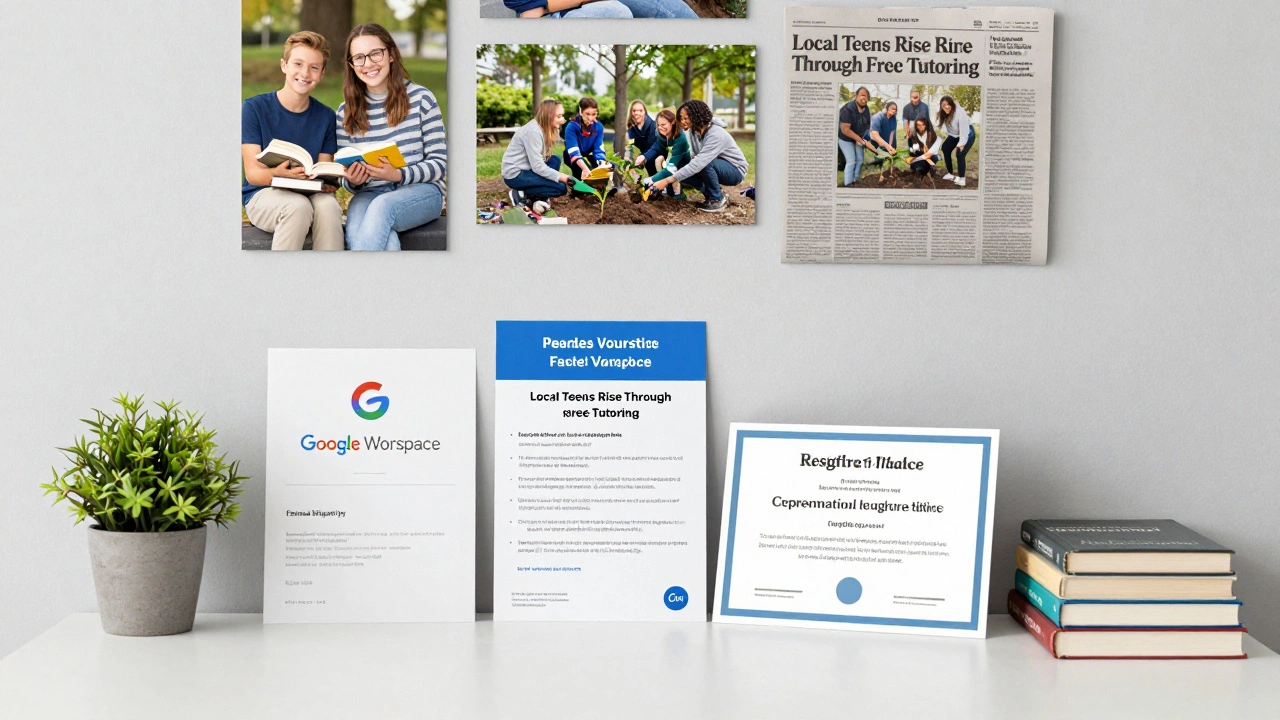
Let your story spread naturally
You don’t need a marketing budget. You need to be visible where people already are. Post your events on:- Community noticeboards (libraries, supermarkets, community centers)
- Facebook groups for your suburb or city
- Local radio stations (many run free community announcements)
- School newsletters or parent groups
Reinvest everything you get
When you receive a donation-whether it’s $5 or a box of books-put it straight back into your mission. No salaries. No fancy office. No retreats. Use it to buy:- More books for your tutoring group
- Seeds and mulch for your tree planting
- Printed maps for your cleanup volunteers
- Snacks for your next event
Grow slowly. Stay real.
You won’t become a national charity overnight. And you shouldn’t try. The most powerful foundations are the ones rooted in their neighborhoods. They know the names of the people they serve. They show up week after week. Focus on doing one thing well. Do it consistently. Let your reputation grow from that. If you start small, stay honest, and keep showing up, you’ll build something lasting. Not because you had money. But because you had purpose-and people believed in it with you.Can I start a foundation without a bank account?
Yes. You can start collecting in-kind donations (like supplies, space, or volunteer time) without a bank account. Once you’re registered with Charities Services, you can open a free non-profit bank account. Many banks in New Zealand offer fee-free accounts for registered charities. You don’t need money to open one-just your charity number and trust deed.
Do I need a lawyer to set up a charitable trust?
No. You can write your own trust deed using free templates from Charities Services. A lawyer isn’t required. But if your mission involves complex assets (like land or equipment), or if you’re unsure about legal responsibilities, it’s smart to get a free consultation from a community law center. Many offer free legal advice for non-profits.
How long does it take to get registered as a charity?
Typically 2 to 6 weeks after you submit your application online. Make sure your trust deed is complete and your trustees are clearly named. Delays usually happen when forms are incomplete or the mission isn’t clearly charitable. If you follow the free templates, you’ll avoid most issues.
Can I pay myself as a founder?
Not at the start. Charitable trusts are set up to serve the public, not individuals. You can’t pay yourself a salary until your charity is generating consistent income and has a formal governance structure. Even then, any payment must be approved by trustees and clearly justified as necessary for the charity’s work. Most small foundations operate without paid staff for years.
What if I don’t know anyone who can help?
Start by visiting local community centers, libraries, or churches. Attend a free public meeting or event related to your cause. Ask simple questions: ‘Are you aware of any groups doing similar work?’ or ‘Do you know someone who volunteers in this area?’ Most people are happy to connect you. Your first volunteer might be the librarian who notices your flyer. Your second might be the neighbor who brings coffee to your next event. Relationships grow one conversation at a time.