Car Sleeping Comfort & Safety Calculator
Configure Your Setup
Your Rating
Have you ever tried to sleep in a car? It’s not exactly the five-star hotel experience. Your back hurts, your neck feels like it’s about to snap, and you’re worried someone might notice you there. But for many people-whether they’re roughing it on a road trip, stuck between housing options, or simply trying to save money-sleeping in a vehicle is sometimes the only option. If you find yourself needing to rest while seated, you’re not alone. And with the right tricks, you can actually get decent rest without waking up feeling like you’ve been run over by a truck.
Sleeping sitting up in a car isn’t just about finding a comfortable position. It’s about safety, temperature control, visibility, and knowing where it’s legal to do so. Let’s break down how to make this work for you, step by step.
The Right Setup Matters
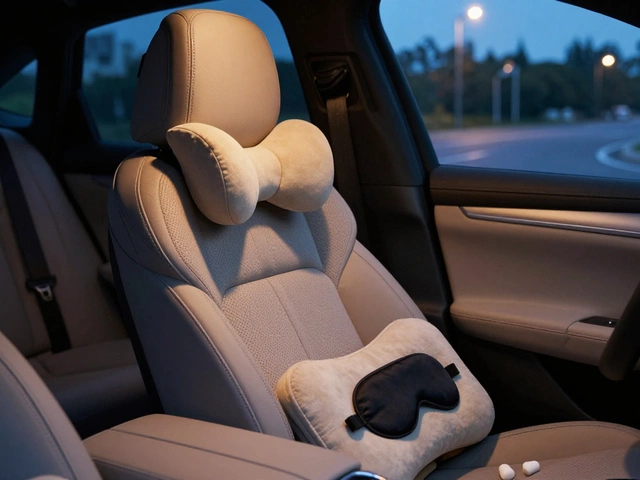
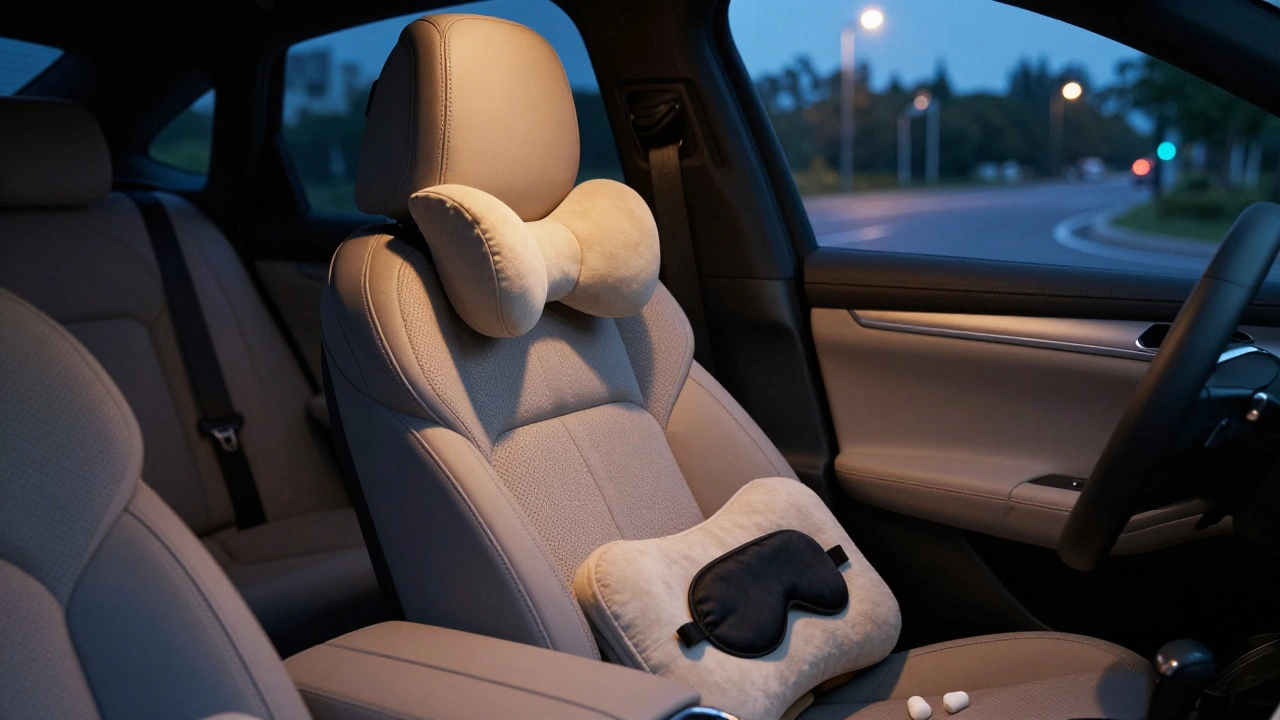
If you’re going to sleep in a car, especially sitting up, your setup makes all the difference. You don’t need fancy gear, but you do need the basics. Start with support. A regular car seat isn’t designed for sleeping. That’s why adding a cervical pillow is a U-shaped or wedge-shaped cushion that supports your head and neck to prevent strain during upright sleep is crucial. Without proper neck support, you’ll wake up with stiffness-or worse, pain that lasts for days.
Next, think about your lower back. Place a small folded blanket or lumbar roll behind your back. This keeps your spine aligned and takes pressure off your hips. If you have a travel pillow, wrap it around your waist like a belt to create extra padding against the hard seat.
Don’t forget eye masks and earplugs. Cars aren’t soundproof, and streetlights don’t care if you’re tired. An opaque eye mask blocks out light, while foam earplugs reduce noise from traffic, conversations, or even the engine cooling down. Together, these simple tools mimic a dark, quiet bedroom environment.
Positioning Techniques That Actually Work
Not all sitting positions are created equal. Here are three methods that real users swear by:
- The Leaning Method: Tilt your head slightly forward and rest your chin on your chest. Use a scarf or soft cloth under your chin to avoid chafing. This works best if you have good neck flexibility.
- The Side Rest: Turn your body sideways in the seat and lean your head against the window. Prop up your elbow on the armrest or seat edge to keep your head stable. Add a towel between your head and glass for comfort.
- The Reclined Angle: If your car allows it, recline the seat as far back as possible without lying flat. Combine this with a knee pillow (or rolled-up jacket) under your legs to relieve pressure on your lower back.
Experiment with each method before committing to one. What works for someone else might not suit your body shape or car model. The goal is to minimize tension points-especially around the neck, shoulders, and lower back.
Staying Safe While Sleeping
Safety should always come first when sleeping in a car. Choose well-lit, public areas like designated campgrounds, rest stops, or parking lots near hospitals or police stations. Avoid isolated streets or alleys where crime rates may be higher.
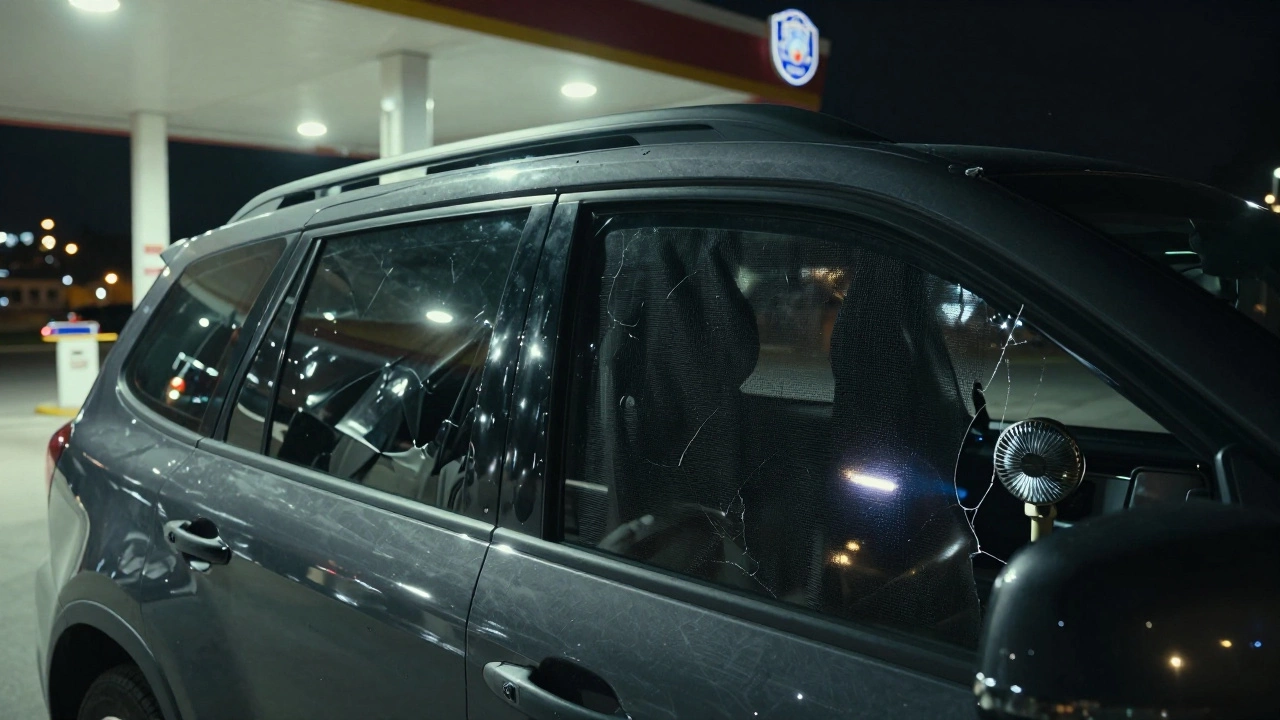
Keep windows cracked slightly for ventilation, but use mesh screens or wire guards to prevent intruders from reaching inside. Never lock doors completely shut if you want to escape quickly in an emergency. Keep a flashlight, phone charger, and personal alarm within reach.
If you're concerned about privacy, hang blackout curtains made from reflective material or use tinted window films. These block outside views while letting air flow through. Just remember: some places prohibit covering windows entirely, so check local laws beforehand.
Legal Considerations Around the World
Where you sleep matters-not just physically, but legally. In many cities, overnight parking in residential zones is banned. Some towns allow “car camping” only in specific areas marked for RVs or tents. Others enforce strict anti-homelessness ordinances that penalize anyone caught sleeping in vehicles.
| Location | Status | Notes |
|---|---|---|
| New York City | Restricted | No overnight parking except in permitted zones; fines apply |
| Portland, Oregon | Allowed | Designated spots available via city app |
| Auckland, NZ | Mixed | Some parks permit short-term stays; others ban them |
| Berlin, Germany | Tolerated | Informal acceptance in certain districts |
Always research local regulations before settling in. Misunderstanding rules could lead to fines, towing, or confrontation with authorities. When in doubt, ask at nearby shelters or community centers-they often know which spots are safest and most accepted.
Temperature Control Inside the Car
Cars trap heat easily, making summer nights unbearable. Conversely, winter brings freezing temperatures that seep through metal and glass. Managing climate inside your vehicle is key to surviving-and thriving-while sleeping upright.
In hot weather, park in shade whenever possible. Open windows diagonally to encourage cross-ventilation. Use battery-powered fans or solar-powered exhaust vents to circulate air. Wear breathable clothing and stay hydrated.
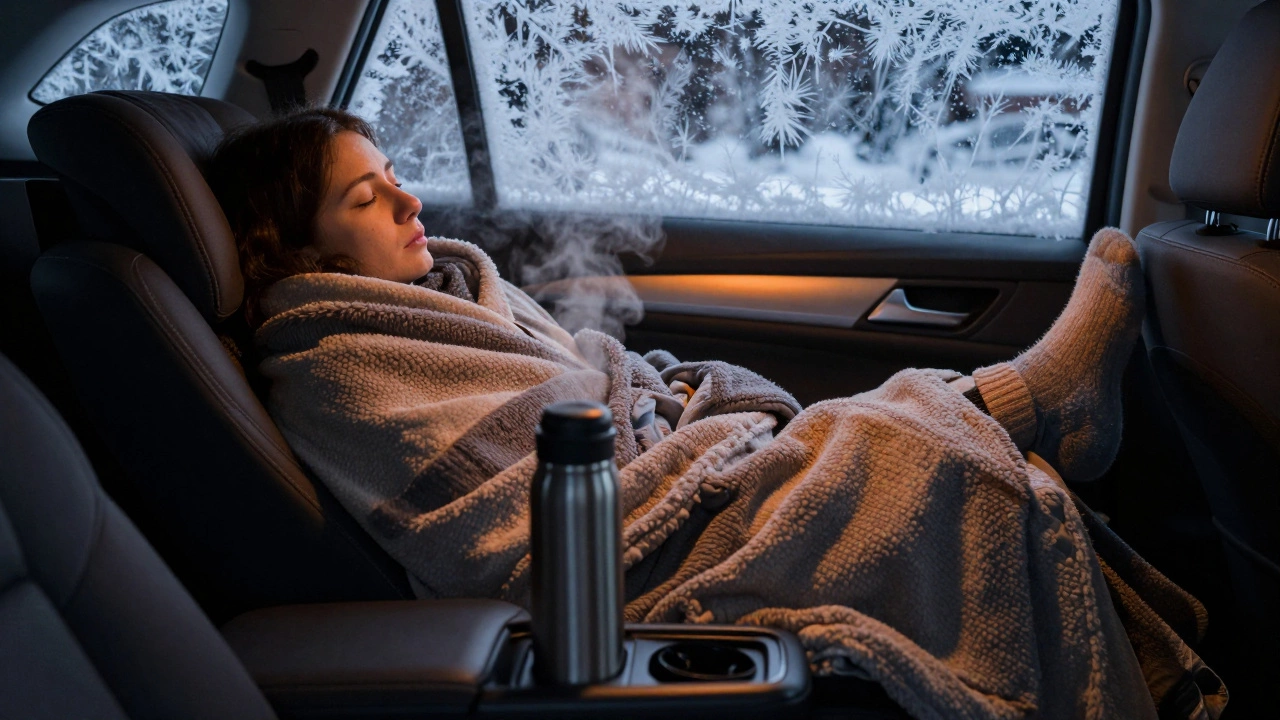
During cold months, layer up with thermal blankets, wool socks, and insulated gloves. Seal gaps under doors with towels or rubber mats. Consider using a portable heater-but never leave running engines unattended due to carbon monoxide risk.
When to Seek Help Instead
Sometimes, sleeping in a car isn't sustainable. If you're experiencing chronic homelessness, mental health struggles, or physical discomfort despite adjustments, reaching out for help is wise. Many communities offer temporary housing programs, meal services, and counseling tailored to individuals facing instability.
You don’t have to figure everything out alone. Organizations exist precisely because situations like yours happen more often than people realize. Don’t hesitate to connect with local resources-they’re there to support you, judge-free.
Can I legally sleep in my car anywhere?
No, legality varies widely depending on location. Always check municipal codes regarding overnight parking and loitering laws before choosing a spot.
What’s the best pillow for sleeping upright in a car?
A cervical pillow provides targeted neck support, reducing strain during extended periods of upright rest.
Is it safe to crack windows while sleeping in a car?
Yes, as long as you install security screens or bars to deter theft and ensure airflow doesn’t compromise safety.
How can I stay warm in a car during winter?
Layer with thermal blankets, wear wool socks, seal drafts with towels, and consider safe heating solutions like hand warmers.
Are there apps that show safe places to sleep in cars?
Yes, apps like iOverlander and Park4Night list user-reviewed locations suitable for overnight stays worldwide.