Charity Event Budget & Goal Estimator
Financial Snapshot
Quick Takeaways for Your Event
- Pick a clear, measurable goal (e.g., "$10,000 for 500 new books").
- Focus on low-overhead venues to maximize the donation percentage.
- Use a multi-channel marketing approach to reach different donor demographics.
- Keep the "ask" direct and emotional, not vague and formal.
- Build a post-event gratitude loop to turn one-time guests into lifelong donors.
Defining Your Mission and Metrics
Before you book a venue or send a single invite, you need to decide exactly what "success" looks like. If you just say "we want to raise money," you'll likely struggle with momentum. Instead, create a specific target. For example, if you're working with Nonprofit Organizations, which are legal entities organized and operated for a collective, public purpose, not generating profit for owners, you need a concrete outcome. Don't just aim for $5,000; aim for "$5,000 to provide 200 warm meals for the homeless in Wellington during July." People donate to outcomes, not to budgets.
Set a budget that accounts for the "worst-case scenario." Many first-time organizers forget to factor in hidden costs like insurance, credit card processing fees, or last-minute printing. A good rule of thumb is to keep your overhead under 25% of your projected revenue. If you're spending $2,000 to make $3,000, you're running a party, not a fundraiser. To keep costs down, look for Corporate Sponsorships, where businesses provide funds or services in exchange for brand visibility.
Choosing the Right Event Format
Not every charity event needs to be a black-tie gala. In fact, some of the most successful fundraisers are high-energy, low-pressure events. Think about who your ideal donor is. If you're targeting Gen Z and Millennials, a curated 5K run or a gaming marathon on Twitch (a live streaming platform primarily used for gaming and creative content) will work better than a seated dinner. If you're courting high-net-worth individuals, an exclusive art gallery auction is the way to go.
Consider the "barrier to entry." A high-ticket event limits your audience but increases the per-person donation. A low-ticket event increases your reach but requires more volume to hit the same goal. Often, a hybrid approach works best. You can have a general admission ticket for the community and a "VIP Package" that includes a meet-and-greet or a premium gift bag. This allows you to cast a wide net while still capturing the generosity of your most affluent supporters.
| Event Type | Cost to Run | Donor Reach | Average Gift Size | Main Risk | ||||||
|---|---|---|---|---|---|---|---|---|---|---|
| Gala Dinner | High | Low/Medium | Very High | High overhead costs | Bake Sale / Car Wash | Low | High | Low | Low visibility | |
| Peer-to-Peer Walk | Medium | Very High | Medium | Low participant turnout | ||||||
| Online Auction | Low | High | Medium | Low engagement/bidding wars |

The Art of the Ask: Fundraising Strategies
The biggest mistake organizers make is waiting until the event starts to ask for money. You should be generating revenue long before the doors open. Start with Peer-to-Peer Fundraising, which is a method where individuals raise money on behalf of a cause by asking their own friends and family to donate. This leverages the trust that your volunteers already have with their social circles, effectively multiplying your reach without adding to your workload.
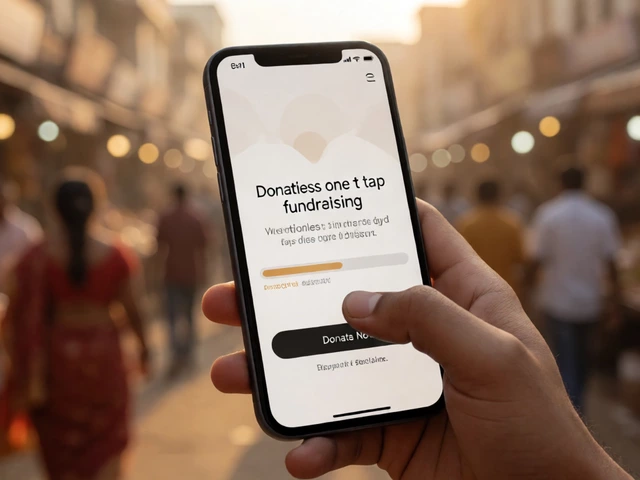
During the event, use a tiered giving strategy. Instead of asking for "any amount," provide specific options. For example: "$25 provides a textbook, $50 provides a desk, and $100 funds a student's entire semester." This removes the cognitive load from the donor and gives them a tangible sense of impact. Use Digital Payment Systems like Square or Stripe to make donating frictionless. If a donor has to find a checkbook or go to an ATM, you've already lost a percentage of your potential total.
Don't forget the power of the "live appeal." This is the emotional peak of the night where a spokesperson tells a raw, honest story about someone the charity has helped. The key here is vulnerability. Avoid corporate speak. Talk about the struggle and the victory. When you follow that story with a direct call to action, the room's emotional energy converts into financial support.
Marketing and Guest Engagement
Your marketing shouldn't just be an invitation; it should be a campaign. Start with a teaser phase to build anticipation. Use a mix of email newsletters, social media countdowns, and personal outreach. Remember that a personal text or phone call from a board member is worth ten generic emails. People don't attend events because of a flyer; they attend because someone they respect told them it was important.
Once guests arrive, keep them engaged. An event that feels like a long meeting will kill the mood. Use interactive elements like live polling, a "wall of impact" where donors can pin their names to a goal, or short, punchy video clips. Avoid long speeches. If a speaker talks for more than ten minutes without a visual aid or a story, you'll see the audience start checking their phones. Keep the energy moving and the focus on the people being helped.

Managing Logistics and Volunteers
A successful event is won or lost in the details. Create a "Run of Show" document-a minute-by-minute breakdown of everything that happens. Who is introducing the speaker? When does the music fade out? When do the servers bring out the appetizers? When you have a strict timeline, the event feels professional and polished, which makes donors feel that their money is in capable hands.
Your Volunteer Management strategy is equally critical. Don't just give people a generic "help out" role. Assign specific titles: "Guest Liaison," "Silent Auction Captain," or "Registration Lead." When people have a specific title and a set of clear deliverables, they take more ownership of their role. Provide a briefing session 48 hours before the event so everyone knows the layout of the room and the goals of the night.
Post-Event Momentum and Stewardship
The event isn't over when the last guest leaves. This is where most charities fail. They send a generic "Thank You" email a week later and then disappear until the next annual drive. To build a sustainable donor base, you need a robust stewardship process. Send personalized thank-you notes within 48 hours. For major donors, a handwritten card or a phone call is mandatory.
More importantly, show the donors what their money actually did. Three months later, send an update: "Remember that $10,000 we raised? Here are the 500 books that were delivered to the school in the valley." This closes the loop and proves to the donor that their investment had a real-world impact. This transformation from a "one-time donor" to a "partner in the mission" is how you ensure your next event is even more successful than the first.
How do I handle a low turnout at my event?
If the room is emptier than expected, don't panic or apologize. Focus your energy on the people who did show up. Use the smaller crowd to create a more intimate, personal experience. You can pivot the "big stage" speeches into a more conversational circle discussion. Often, a smaller group of highly engaged people can be more productive for long-term donor cultivation than a large, indifferent crowd.
What is the best way to get corporate sponsors?
Avoid sending a generic sponsorship PDF. Instead, research the company's CSR (Corporate Social Responsibility) goals. If a company focuses on sustainability, emphasize the environmental impact of your charity. Offer specific "tiers" of visibility, such as logo placement on the main stage, a mention in the press release, or a dedicated social media shout-out. Make it a partnership, not a request for a handout.
Should I charge for tickets or make it free?
Charging a ticket fee usually ensures a higher commitment rate (people are more likely to show up if they've paid). However, if your goal is awareness or community building, a free event with a "suggested donation" at the door can lower the barrier. A common middle ground is to charge a base ticket price that covers the cost of food and venue, then ask for additional donations during the event.
How do I choose the right venue without spending too much?
Look for community centers, church halls, or local businesses that might donate the space in exchange for sponsorship credit. Avoid hotels or high-end banquet halls unless you have a corporate sponsor covering the cost. The most successful low-budget events often use "found spaces" like art galleries or parks, which add character to the event without the heavy price tag of a traditional ballroom.
What do I do if my event doesn't hit its financial goal?
Be transparent but positive. Instead of saying "we failed to hit the goal," say "we've raised [amount], which will provide [X], but we're still [amount] short of our ultimate goal." Launch a "gap campaign" immediately after the event. People who couldn't attend may be inspired by the success of the event and contribute online to help you reach the finish line.