Rapid Fundraising Simulator
Plan your urgent campaign by adjusting audience size and method parameters to see projected funds raised.
You need money. Now. Maybe the roof is leaking at the shelter, or you promised a scholarship by Friday, or your nonprofit’s grant fell through last week. The clock is ticking, and traditional six-month capital campaigns just don’t cut it when you’re staring down an immediate financial gap. You might think raising "a lot" quickly requires celebrity status or deep pockets, but that’s a myth. Speed in fundraising comes from urgency, clarity, and leveraging existing relationships, not luck.
Here is the hard truth: people donate when they feel connected to a specific problem and believe their contribution solves it immediately. If you want speed, you must strip away the complexity. No one gives fast because of a vague mission statement. They give fast because they see a clear path from their wallet to the solution. This guide breaks down exactly how to mobilize funds rapidly, focusing on tactics that work in days, not months.
The Psychology of Urgent Giving
Before you send a single email, understand why people give quickly. It’s rarely about logic; it’s about emotion paired with ease. When donors hesitate, it’s usually because they are thinking too much. They wonder if the organization is trustworthy, if the amount matters, or if there’s a better place for their dollar. To fundraise fast, you remove those questions before they arise.
Urgency is a psychological trigger that compels individuals to act immediately rather than delaying a decision. In fundraising, this doesn’t mean shouting "HURRY!" in red text. It means defining a concrete deadline tied to a tangible outcome. For example, "We need $5,000 by Thursday to keep the food pantry open over the weekend." This creates a narrative arc with a beginning (the problem), a middle (your ask), and an end (the deadline). Donors love being part of a story that has a satisfying conclusion.
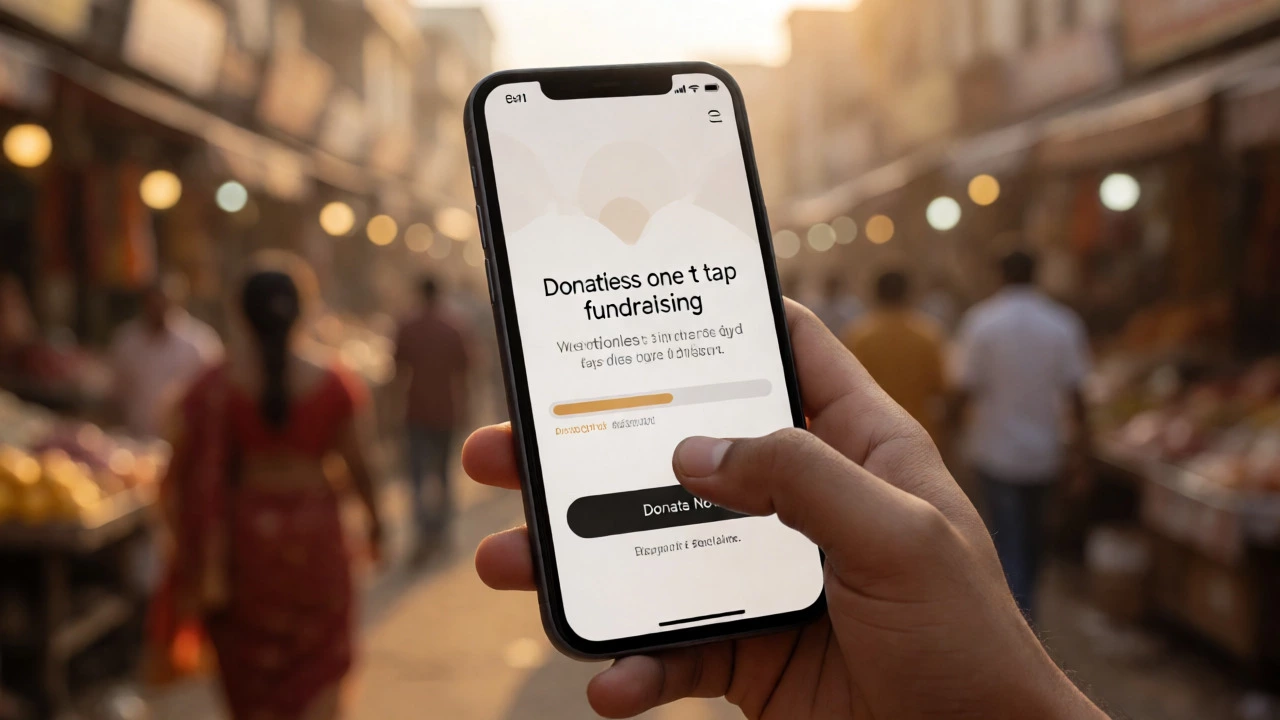
You also need to reduce friction. Every extra click, every form field, every page load reduces your conversion rate. If your donation process takes more than two minutes, you are losing money. Mobile optimization isn’t optional here; most quick donations happen on phones while someone is waiting for coffee or riding the bus. Make sure your payment gateway supports Apple Pay or Google Pay. These one-tap solutions can double your mobile conversion rates instantly.
Leverage Peer-to-Peer Networks
Your biggest asset isn’t a list of strangers; it’s your current supporters. They already trust you. Why aren’t they donating? Often, it’s because they don’t know who else to ask, or they feel awkward asking friends for money. Peer-to-Peer (P2P) Fundraising is a method where individual supporters create personal fundraising pages to solicit donations from their own social networks, effectively turning your donors into recruiters.
This works fast because it taps into trust. People ignore ads, but they listen to their college roommate or their neighbor. To make P2P work for speed, you need to lower the barrier to entry. Don’t ask them to run a marathon next month. Ask them to host a simple digital challenge or share a link today. Give them pre-written posts. Seriously, write the copy for them. "I’m supporting [Organization] because [Reason]. Can you chip in $10? Link below." When you hand them the script, they are far more likely to post it within hours.
| Method | Speed to Funds | Effort Level | Best For |
|---|---|---|---|
| Direct Email/SMS | Hours to Days | Low | Existing warm leads |
| Peer-to-Peer Campaigns | Days to Weeks | Medium | Broadening reach quickly |
| Corporate Matching | Weeks to Months | High | Large institutional gifts |
| Auction/Raffle | Event Day | Very High | Community engagement |

Crafting the "Ask" That Converts
Vague asks get vague results. If you say "Please support us," people will scroll past. If you say "Your $50 buys school supplies for three kids," they visualize the impact. Specificity sells. Break your total goal down into small, digestible units. What does $10 do? What does $100 do? Create a menu of giving levels. This helps donors anchor their expectations. If you only ask for $1,000, many will think, "I can’t help," and close the tab. If you offer a $25 option, they stay engaged.
Use storytelling, but keep it tight. Start with a character. Meet Sarah. She lost her job last month and is worried about feeding her kids. Your donation fills her fridge. Boom. Done. Three sentences. Then, hit them with the call to action. "Help Sarah today." Keep the tone conversational, not preachy. Avoid guilt-tripping. Guilt makes people defensive; empowerment makes them generous. Frame the donation as a win-win: they get the good feeling of helping, and you get the resources to execute the mission.
Optimizing Digital Channels for Speed
Email remains the highest ROI channel for rapid fundraising, but SMS is catching up fast for time-sensitive needs. Text messages have a 98% open rate compared to email’s 20%. If you have phone numbers, use them. But be respectful. Send a short message: "Hi [Name], we’re $2k short for tonight’s meal service. Can you spare $20? Link: [ShortURL]. Reply STOP to opt out." Personalization increases response rates significantly. Use merge tags to insert names, but ensure your data is clean. Nothing kills credibility faster than calling a donor "Dear Valued Customer" when you know their name is Bob.
Social media is powerful, but organic reach is dead unless you pay. For fast results, consider boosting a post targeting lookalike audiences of your current donors. Spend $50-$100 to boost a video testimonial or a clear graphic with the donation link. Retargeting is even better. Install a pixel on your donation page. People who visited but didn’t donate are your hottest leads. Show them ads saying, "You were so close! Finish your gift now." These ads often convert at three times the rate of cold traffic.
Engaging Local Businesses and Corporate Partners
While individuals provide volume, businesses provide velocity. A single corporate check can equal hundreds of small donations. But don’t just cold-call HR departments. Look for companies with local ties or values aligned with your cause. Approach them with a specific proposal: "We need $5,000 for X. Will you match our community donations up to that amount?" Matching gifts create a multiplier effect. If employees see their $20 becomes $40, they are twice as likely to give.
Local businesses like restaurants or retail stores can also drive quick cash through point-of-sale campaigns. Put a jar or a QR code at the register. "Round up your bill for [Cause]." It’s low effort for the customer and accumulates quickly. Ensure you provide marketing materials-stickers, table tents, social graphics-so the business owner doesn’t have to design anything. Remove their workload, and they’ll say yes faster.
Post-Campaign Stewardship: Keeping the Momentum
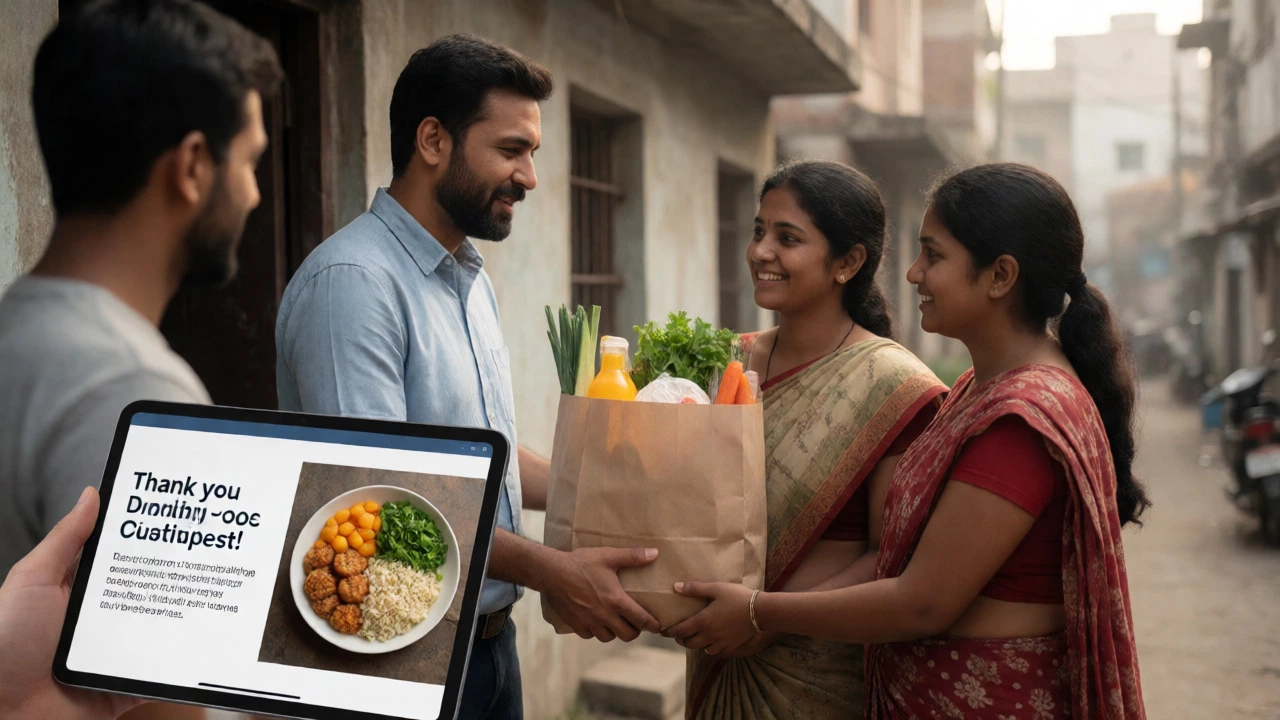
Raising money fast is useless if you burn out your donors. After the campaign ends, you must close the loop. Send a thank-you note within 48 hours. Not a generic auto-reply, but a personalized message showing exactly what happened. "Thanks to you, we served 500 meals." Photos work best. Visual proof validates their decision to give.
Don’t let the relationship go dormant. Add these new donors to your regular newsletter, but segment them. They gave because of urgency, so future communications should balance long-term vision with immediate impact updates. Ask for feedback. Did they find the process easy? Were they satisfied with the transparency? This data helps you refine your next rapid-response campaign. Remember, the second donation is easier to get than the first, provided you treated the first interaction with respect and efficiency.
What is the fastest way to raise money for a charity?
The fastest methods typically involve direct appeals to existing warm contacts via email and SMS, combined with peer-to-peer fundraising where supporters recruit their own networks. Leveraging mobile-friendly donation platforms with one-click payment options like Apple Pay also significantly speeds up the transaction process.
How much should I ask each person to donate?
It depends on your audience's capacity, but offering tiered options (e.g., $10, $25, $50, $100) is effective. Research suggests that suggesting a specific amount often yields higher average donations than leaving it open-ended. Anchor your ask slightly higher than your target average to account for some donors choosing lower amounts.
Do social media ads actually help fundraise quickly?
Yes, particularly retargeting ads. While cold traffic ads can be expensive and slow to convert, retargeting users who visited your site but didn't donate can yield high returns quickly. Boosting posts to lookalike audiences of current donors is another efficient tactic for rapid growth.
How important is matching gifts in fast fundraising?
Matching gifts are crucial for speed because they double the impact of individual donations without requiring additional individual donors. Announcing a limited-time match creates urgency and encourages immediate action from potential givers who want to maximize their contribution's value.
What mistakes slow down fundraising efforts?
Common mistakes include complex donation forms, lack of mobile optimization, vague messaging, and failing to follow up promptly. Asking for too much information during checkout and not providing clear evidence of impact also causes donors to abandon the process.