
Budget Meal Cost Calculator
Calculate the cost of protein sources for your budget meals. Based on New Zealand food prices and article data, this tool shows cost-effective options for healthy eating when money is tight.
Pro Tip
Plant-based proteins like lentils and eggs cost significantly less than meat. Use them as primary protein sources to stretch your budget further.
Running out of money for groceries is one of the most stressful experiences a person can face. It happens to students, single parents, and people between jobs. You might feel embarrassed to ask for help, but food security is a basic human right. You are not alone in this situation, and there are practical steps you can take right now to put food on your table without spending your last dollar.
This guide focuses on immediate solutions and long-term strategies for managing food costs in New Zealand. We will look at how to access local aid, what government support exists, and how to cook nutritious meals for very little money. The goal is to give you control back over your daily meals.
Understanding Food Banks and Community Support
When cash is tight, Food Banks community organizations that provide free food parcels to individuals and families in need are often the first place to turn. These are not just emergency stop-gaps; they are vital community resources designed to bridge the gap between income and basic needs. In New Zealand, many food banks operate through churches, charities, or local councils.
Accessing a food bank does not require a referral in most cases, though some may ask for proof of income or residency. When you visit, bring a bag and any reusable containers you have. Most banks provide a mix of non-perishable items like rice, pasta, and canned goods, along with fresh produce if available. It is helpful to check their operating hours online or call ahead to avoid missing them.
There is often a stigma attached to using these services, but remember that these groups exist specifically to help people in your situation. The volunteers running these operations understand financial hardship. They want to help you, not judge you. If you are unsure where to start, search for "food bank near me" or contact your local council's social services department for a list of providers.
Navigating Government Assistance and Subsidies
Beyond charity, there are government systems in place to support those with low incomes. In New Zealand, Work and Income a government agency that provides financial assistance to people who are unemployed or on low income can be a critical resource. If you are struggling to buy food, you may qualify for emergency benefits or a Community Services Card.
The Community Services Card is particularly useful because it provides discounts on prescription medicines and some community services, freeing up cash for food. You can apply online or through a local office. It is important to gather your income details before applying, as processing can take a few weeks. While waiting, do not hesitate to use food banks to cover immediate needs.
Some local councils also offer emergency hardship grants. These are one-off payments to help with essential costs like food or utilities. You usually need to apply directly to your city or district council. Keep in mind that these funds are limited, so apply as soon as you realize you cannot afford basics. Do not wait until you have no money left at all.
Shopping Smart on a Tight Budget
When you do have money to spend, every cent counts. Supermarkets large retail stores that sell food and household goods often have discount sections, but independent discount stores can be cheaper. Look for stores that specialize in clearance items or bulk buys. Buying in bulk reduces the cost per unit, but only do this for non-perishable items you know you will use.
Seasonal produce is significantly cheaper than out-of-season fruit and vegetables. In March, you might find apples, pears, and root vegetables at lower prices. Frozen vegetables are often more nutritious than fresh ones that have been sitting on shelves and cost less. They do not spoil quickly, which reduces waste. Meat is expensive, so treat it as a flavoring rather than the main part of the meal. Eggs are a cheaper source of protein that lasts longer in the fridge.
Here is a comparison of common food items to help you decide where to spend your money:
| Item | Approximate Cost (NZD) | Servings | Cost Per Serving |
|---|---|---|---|
| Chicken Breast (1kg) | $12.00 | 4 | $3.00 |
| Dried Lentils (1kg) | $4.50 | 10 | $0.45 |
| Dozen Eggs | $6.00 | 12 | $0.50 |
| Canned Tuna (400g) | $3.50 | 2 | $1.75 |
As you can see, plant-based proteins like lentils are far more economical than meat. This is not about nutrition alone; it is about stretching your budget to last longer. Combining these cheaper options with rice or pasta creates filling meals that cost less than a dollar per person.
Meal Planning to Reduce Waste
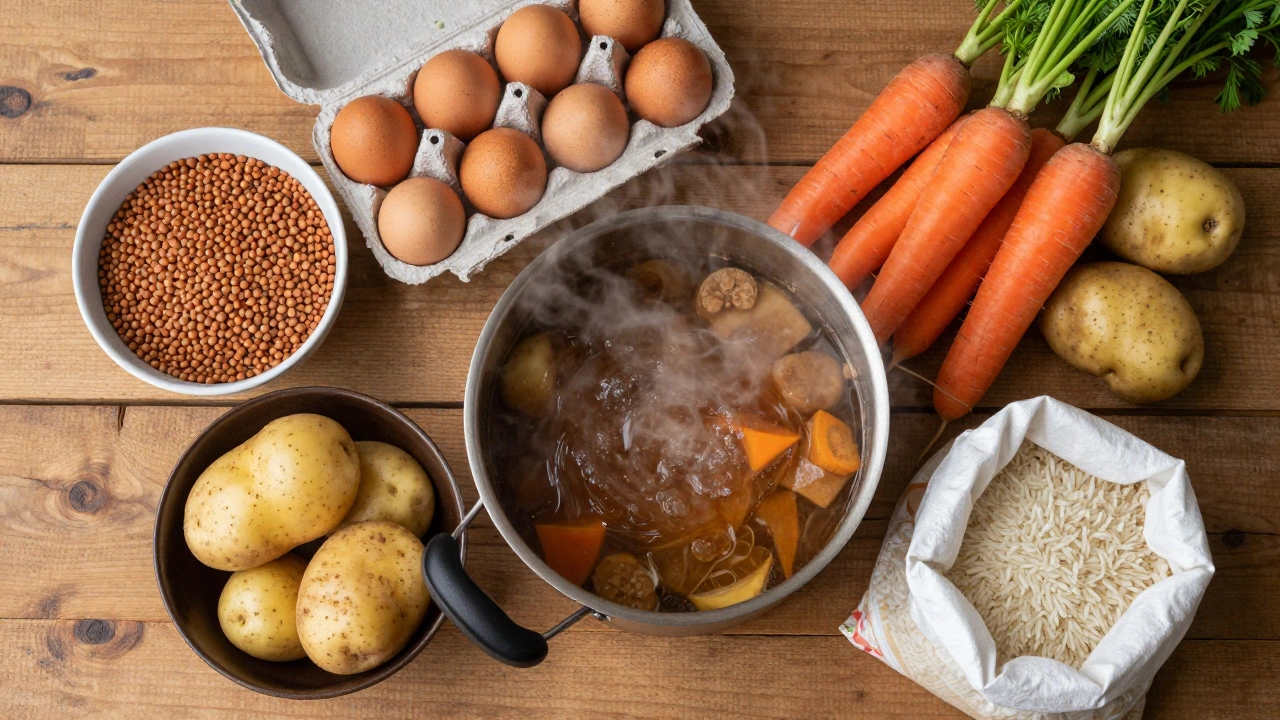
Buying food is only half the battle; using it all is the other half. Meal Planning the process of deciding what meals to cook for a specific period prevents impulse buys and ensures you use ingredients before they spoil. Write down what you already have in your pantry before you go shopping. If you have half a bag of rice and some onions, build a meal around those items first.
One-pot meals are excellent for saving money and effort. A big pot of soup or stew can be made in large batches and eaten over several days. This reduces the energy cost of cooking and ensures you have food ready when you are tired. Leftovers should be planned for, not treated as an afterthought. Cook extra pasta sauce on Sunday to use on Tuesday.
Food Waste food that is discarded or lost uneaten is essentially throwing money away. Store vegetables properly to make them last longer. Keep potatoes in a cool, dark place. Do not wash leafy greens until you are ready to eat them, as moisture speeds up rotting. If you have fruit that is getting too soft, blend it into a smoothie or bake it into a crumble. Nothing should be thrown away if it can be eaten.
Cooking Cheap, Nutritious Meals
When you are on a budget, nutrition can suffer. It is possible to eat healthily without spending a fortune. Focus on whole grains like oats, brown rice, and wholemeal pasta. These keep you full longer than refined white flour products. Beans and lentils are powerhouses of fiber and protein. They are shelf-stable and very cheap.
A simple recipe for a budget meal is a bean and vegetable stew. Buy dried beans, soak them overnight, and cook them with cheap frozen vegetables and a little onion. Add salt and pepper for flavor. This meal costs very little and provides energy for the day. Another option is an omelet with whatever vegetables you have left in the fridge. Eggs are versatile and can be breakfast, lunch, or dinner.
Flavor does not have to come from expensive sauces. Use garlic, onions, and spices you already have. A little salt, pepper, and dried herbs can transform plain rice into a satisfying side dish. Avoid pre-packaged meals or convenience foods, as these carry a high premium for the labor saved. Cooking from scratch is always cheaper.
Building a Support Network
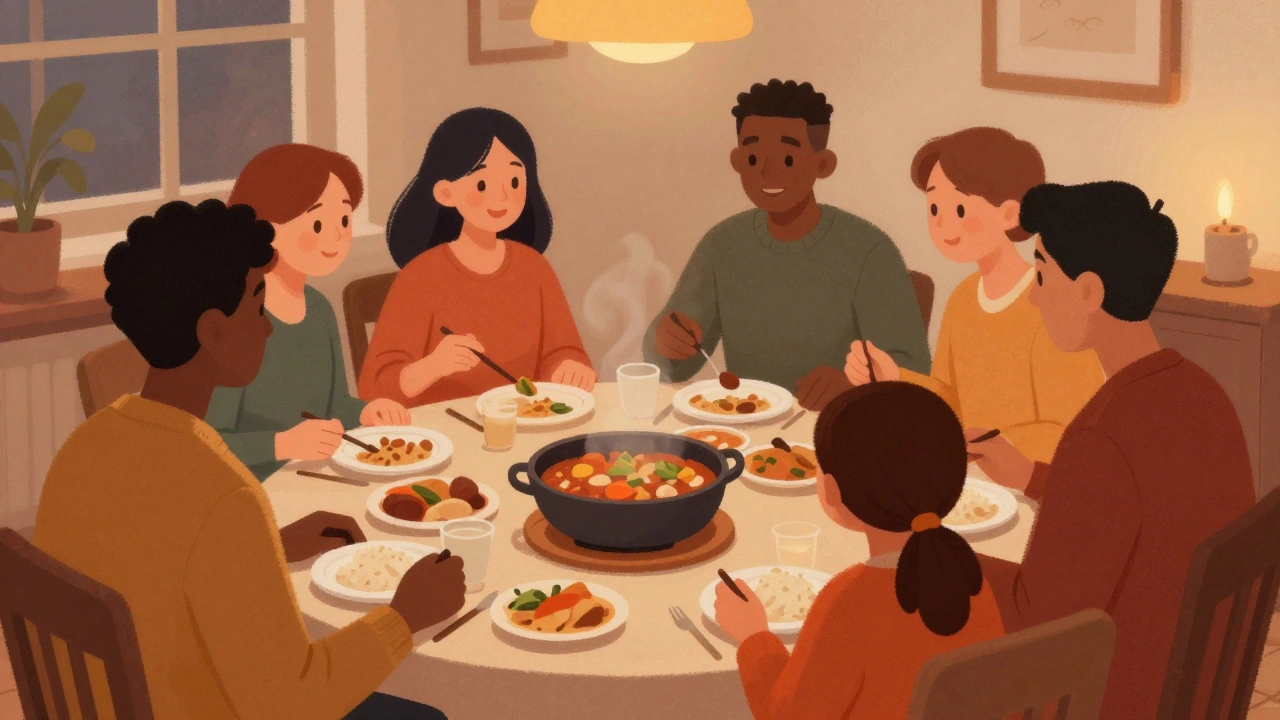
Financial hardship can feel isolating, but you do not have to manage it alone. Community Support Groups organizations that provide assistance and resources to people in need often offer more than just food. They might provide advice on budgeting, debt counseling, or job searching. Connecting with others who understand your situation can reduce stress and provide practical tips.
Join local community groups or online forums where people share tips on saving money and finding resources. Sometimes neighbors are willing to share excess garden produce or homemade food. Be open about your situation with trusted friends or family. There is no shame in asking for a meal or a ride to the food bank. Building these connections can lead to opportunities you might not find on your own.
Managing Energy Costs While Cooking
In New Zealand, heating and cooking costs can be high. If you are paying for gas or electricity, try to minimize usage. Use a slow cooker or pressure cooker if you have one, as they use less energy than an oven. If you do not have these, batch cooking is key. Cook a large meal once and reheat it over the next few days. This reduces the number of times you need to turn on the stove.
Boiling water for pasta or tea takes energy. Only boil the amount you need. Keep the lid on pots to cook food faster. These small habits add up over a month. If you are using an electric kettle, make sure it is clean and full enough to be efficient. Every dollar saved on power is a dollar that can go toward food.
FAQ
Do I need to be on a benefit to use a food bank?
No, you do not need to be on a government benefit to use a food bank. Most food banks operate on a trust basis and will help anyone who is struggling to afford food, regardless of their employment status.
How often can I visit a food bank?
Most food banks allow you to visit once a month. This is to ensure they have enough resources for everyone in the community. Some may offer more frequent support if you have a specific crisis.
Is there a cost to apply for a Community Services Card?
There is no cost to apply for a Community Services Card. It is a free service provided by the government to help low-income households access discounts.
What are the cheapest vegetables to buy in New Zealand?
Seasonal vegetables like carrots, onions, potatoes, and cabbage are usually the cheapest. Frozen vegetables are also a cost-effective option that retains high nutritional value.
Can I volunteer at a food bank if I am struggling myself?
Many food banks welcome volunteers, even those who have used their services. Volunteering can help you build connections and access support networks, but you should prioritize your own immediate needs first.
Getting through a period of financial difficulty is hard, but it is temporary. By using community resources, planning your meals, and shopping smartly, you can maintain your health and dignity. Remember that asking for help is a sign of strength, not weakness. There are people and systems ready to support you when you need it most.