Community Outreach Readiness Score
Use this tool to evaluate how well-prepared your current outreach efforts are based on best practices for building trust and connection.
Outreach Strategy Checklist
Your Outreach Score
Answer the questions above and click Calculate to see your personalized recommendations.
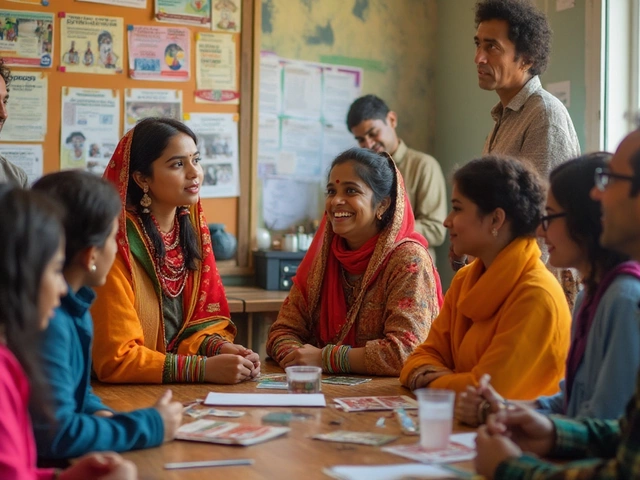
You’ve got a great mission. Maybe you’re launching a new food bank initiative, trying to get more kids into after-school programs, or rallying neighbors for a park cleanup. But here’s the hard truth: having a good idea doesn’t mean people will show up. Community outreach is the bridge between your organization and the people you want to serve. It’s not just about handing out flyers; it’s about building trust, understanding needs, and creating real connections that last.
If you’ve ever stood in a town square with a clipboard hoping someone would stop, you know how awkward it can be. If you’ve sent emails that went straight to spam, you know the frustration of shouting into the void. This guide breaks down exactly how to conduct effective community outreach without burning out or wasting budget. We’ll cover everything from mapping your audience to measuring what actually works.
Start With Listening, Not Talking
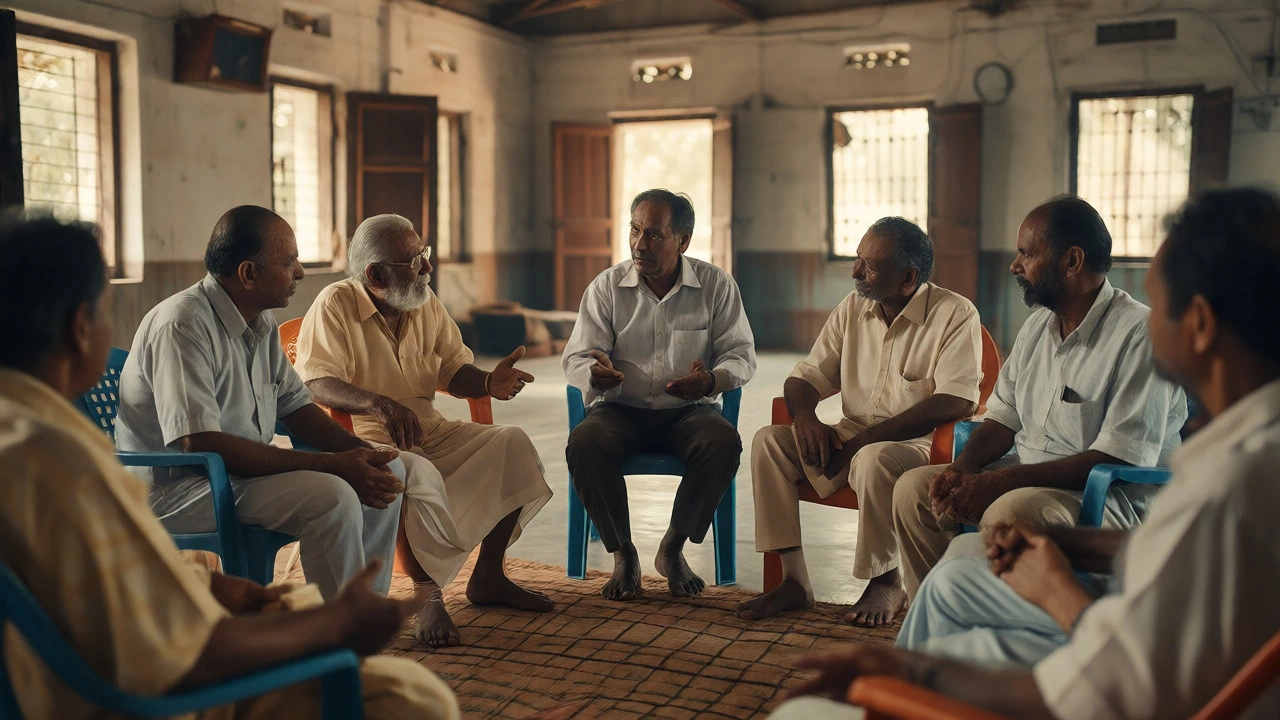
Most outreach efforts fail because organizations start by broadcasting their message instead of listening to the community. Before you print a single banner or schedule a meeting, you need to understand who lives there, what they care about, and what barriers keep them from engaging. This phase is often called needs assessment, and it’s critical. You aren’t guessing anymore; you’re gathering data.
How do you listen? Go beyond surveys. Sit in on local council meetings. Visit coffee shops where residents gather. Talk to librarians, barbers, and bus drivers-they hear everything. Ask open-ended questions like, “What’s missing in this neighborhood?” or “Who do you trust when it comes to local services?” When you talk to existing partners, such as schools or faith groups, ask them who they struggle to reach. Often, the answer reveals hidden demographics or cultural nuances you missed.
For example, if you’re running a health clinic, you might find that Spanish-speaking seniors avoid appointments not because they don’t need care, but because public transport routes are confusing. That insight changes your entire strategy. Instead of just advertising hours, you partner with a local taxi service or organize carpool networks. Listening first saves money later.
Define Your Audience and Set Clear Goals
“Everyone” is not an audience. If you try to speak to everyone, you end up speaking to no one. Break your community into specific segments based on age, location, interests, or current challenges. Are you targeting young parents? Retirees? Small business owners? Each group consumes information differently and responds to different incentives.
Once you have your segments, set SMART goals (Specific, Measurable, Achievable, Relevant, Time-bound). Don’t just say, “We want more engagement.” Say, “We want 50 new volunteers from the Eastside neighborhood by December.” Or, “We aim to increase attendance at our monthly workshops by 20% over the next six months.” These clear targets help you choose the right tactics and measure success honestly.
| Audience Segment | Primary Concern | Preferred Channel | Key Message Hook |
|---|---|---|---|
| Young Professionals | Lack of time, career growth | LinkedIn, Instagram, Email | Skill-building and networking |
| Seniors | Health, isolation, safety | Local newspaper, Phone, Flyers | Companionship and support |
| Parents/Families | Childcare costs, education | School newsletters, Facebook Groups | Safe activities and resources |
| Local Businesses | Foot traffic, reputation | In-person visits, Chamber events | Visibility and community goodwill |
Build Relationships With Key Partners
You cannot do community outreach alone. The fastest way to gain credibility is to borrow it from trusted local figures. Identify key influencers-people or organizations that already have the ear of your target audience. This could be a popular high school coach, a respected pastor, a neighborhood association president, or even a well-known local restaurant owner.
Approach these partners with a mindset of collaboration, not transaction. Don’t walk in asking for favors immediately. Ask how you can support their goals first. If a local library wants to increase youth literacy, offer to run free reading clubs there. If a church needs help with its food drive, volunteer your team. By adding value early, you build social capital. When you eventually ask for help promoting your event, they’ll be eager to say yes because they see you as part of the fabric of the community, not an outsider trying to extract something.
Formalizing these relationships helps too. Create simple partnership agreements that outline roles. Who provides the space? Who handles publicity? Who cleans up afterward? Clarity prevents resentment later. Remember, local partnerships are multipliers. One strong partner can introduce you to fifty others through word-of-mouth alone.
Choose the Right Mix of Channels
Digital tools are powerful, but they aren’t magic. In many communities, especially those with older populations or limited internet access, face-to-face interaction remains king. Your strategy should mix online and offline tactics based on your audience analysis.
Digital Tactics:
- Social Media: Use Facebook Groups for hyper-local discussions. Post short videos showing behind-the-scenes work to humanize your brand.
- Email Newsletters: Keep them short and actionable. Include one clear call-to-action per email.
- Website Landing Pages: Create specific pages for different campaigns so visitors don’t get lost in general info.
Offline Tactics:
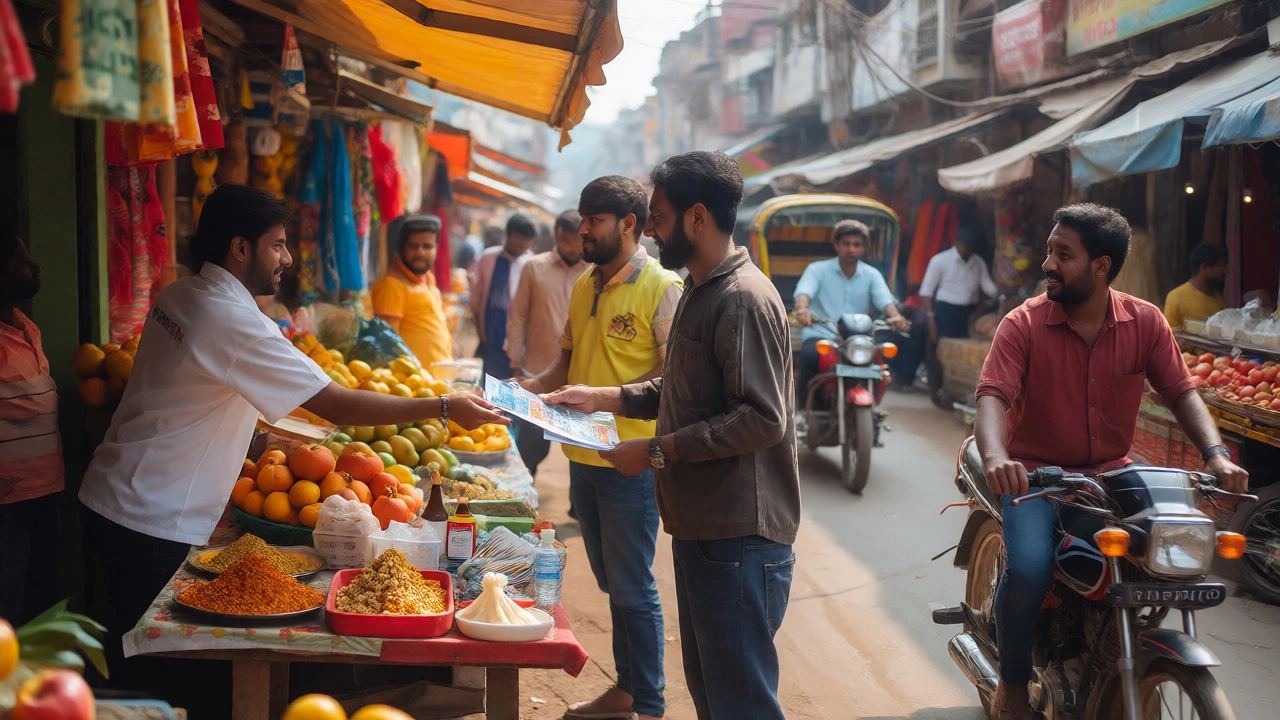
- Flyers and Posters: Place them in high-traffic areas like laundromats, grocery stores, and community centers. Use large fonts and QR codes for easy digital follow-up.
- Town Halls and Meetups: Host informal gatherings rather than formal presentations. Bring snacks. Make it easy for people to stay and chat.
- Door-to-Door: Still effective for hyper-local issues. Train volunteers to be polite, brief, and respectful of privacy.
Consistency matters more than volume. Posting once a day on three platforms is better than posting ten times on one platform sporadically. Ensure your branding-logo, colors, tone-is consistent everywhere so people recognize you instantly.
Execute With Authenticity and Empathy
When you finally launch your outreach campaign, remember that people can smell desperation or insincerity. Avoid jargon. Speak plainly. If you’re hosting an event, make sure it’s accessible. Is there parking? Is the venue wheelchair-friendly? Do you offer childcare? Removing small friction points shows you respect people’s time and constraints.
Train your team-or volunteers-to listen actively. If someone expresses skepticism, don’t argue. Acknowledge their concern. “I understand why you’d feel that way given past experiences,” goes a long way. Authenticity builds trust faster than polished brochures ever could. Share stories of impact, not just statistics. Instead of saying “We served 500 meals,” tell the story of Mrs. Johnson, who used those meals to save enough money to fix her heating.
Also, be ready to adapt. If your flyer design isn’t working, change it. If Tuesday evenings are bad for attendance, switch to Saturdays. Flexibility signals that you care about participation, not just sticking to a plan.
Measure Impact and Iterate
Outreach isn’t a one-time project; it’s an ongoing cycle. After every event or campaign, take time to evaluate. Did you meet your goals? Why or why not?
Track both quantitative and qualitative metrics:
- Quantitative: Number of attendees, website clicks, donations received, new newsletter sign-ups.
- Qualitative: Feedback forms, anecdotal comments, sentiment on social media, quality of conversations had.
Don’t wait until the end of the year to review. Hold quick debriefs after each major push. What worked? What fell flat? Which partners were most helpful? Use this data to refine your next steps. Maybe you found that flyers in libraries generated more leads than social media ads. Shift your budget accordingly. Continuous improvement turns a good outreach program into a great one.
Common Pitfalls to Avoid
Even experienced organizers stumble. Here are frequent mistakes and how to dodge them:
- Assuming Everyone Knows You: Just because you’ve been around for five years doesn’t mean new residents know you exist. Always re-introduce yourself to new neighborhoods.
- Overloading Information: People won’t read paragraphs. Give them headlines, bullet points, and a single next step.
- Ignoring Cultural Nuances: Language barriers, religious holidays, or local sensitivities can derail plans. Consult with diverse community members during planning.
- Burnout: Trying to do everything yourself leads to exhaustion. Delegate tasks. Automate reminders. Take breaks.
Effective community outreach is less about grand gestures and more about consistent, genuine presence. It requires patience, humility, and a willingness to learn from the people you serve. Start small, listen deeply, and build bridges one conversation at a time.
How much does community outreach cost?
Costs vary widely depending on scale. Grassroots efforts using volunteers and social media can cost nearly zero, aside from staff time. Larger campaigns involving printed materials, paid ads, and venue rentals might range from $500 to several thousand dollars. Focus on low-cost, high-engagement tactics like partnerships and word-of-mouth first.
How do I measure the success of my outreach?
Set specific KPIs before starting. Common metrics include number of new contacts acquired, event attendance rates, social media engagement increases, and direct feedback scores. Qualitative measures, such as testimonials or improved community sentiment, are equally valuable indicators of long-term success.
What is the best channel for reaching elderly community members?
Traditional channels often work best. Local newspapers, community bulletin boards, flyers in pharmacies or senior centers, and phone calls are highly effective. Face-to-face interactions at places they already visit, like churches or parks, also build strong trust quickly.
How often should I communicate with the community?
Consistency is key, but frequency depends on the channel. Social media posts might be daily or weekly, while newsletters are typically monthly. For direct contact, quarterly updates or event-based communication is usually sufficient to stay top-of-mind without becoming annoying.
Do I need a budget for successful outreach?
No. Many successful outreach initiatives rely on volunteer labor, donated spaces, and organic social media growth. Budget helps scale efforts and improve professional polish, but genuine connection and consistent effort matter more than spending power.