Trucker Overnight Idling Cost Calculator
Estimated CO2 reduction: 0 lbs.
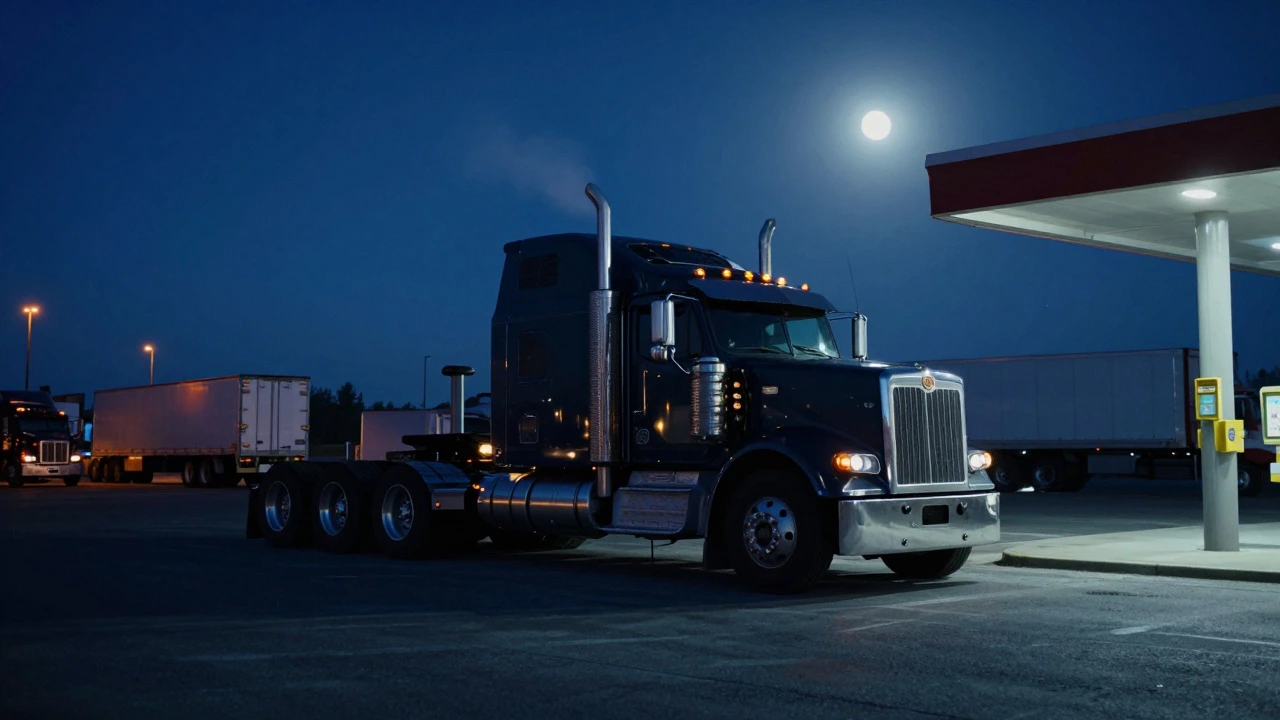
Picture this: It’s 2:00 AM on a quiet highway rest stop. A massive semi-truck sits in the lot, lights off, but you can hear the low rumble of a diesel engine. Inside, the driver is fast asleep. Why are they doing that? Is it just to stay warm? Or is there something more practical going on?
The short answer is yes, many professional drivers keep their engines running while they sleep, but it’s not always for the reasons you might think. For long-haul truckers is drivers who operate commercial vehicles over long distances, often spending weeks on the road, the truck isn’t just a vehicle; it’s a mobile home. Understanding why they idle helps explain the unique challenges of life on the open road.
Why Idling Happens: Comfort vs. Necessity
When we talk about engine idling is running an engine at its lowest stable speed without moving the vehicle, we usually think of city traffic. But for truckers, it serves a different purpose. In winter months, the primary reason is heat. While modern trucks have auxiliary heaters, these units consume battery power. If a driver sleeps for eight hours, the main battery could drain significantly. By keeping the engine running, the heater stays on, and the cabin remains cozy without draining the electrical system.
In summer, it’s the opposite problem. Air conditioning requires significant power. Many older trucks don’t have powerful enough auxiliary batteries to run AC all night. So, drivers leave the engine on to keep the air cool. This creates a cycle where the engine acts as a constant power source for climate control, ensuring the driver wakes up comfortable rather than freezing or sweltering.
The Cost of Keeping the Engine On
You might wonder if it’s worth burning fuel just to stay comfortable. Let’s look at the numbers. A typical Class 8 diesel truck consumes about 1 to 2 gallons of fuel per hour when idling. At current prices, that’s roughly $3 to $6 per hour. Over an eight-hour sleep cycle, a driver spends between $24 and $48 just on fuel for heating or cooling.
For a company driver, this cost is often absorbed by the fleet manager. However, owner-operators pay out of pocket. This is why some drivers use alternative methods. They might invest in a high-quality sleeping bag is a portable bedding item designed for outdoor or temporary sleeping conditions rated for extreme temperatures. A good sleeping bag can handle nights down to -20°C (0°F) without any heat source. This saves fuel but requires the driver to be comfortable in colder conditions.
Modern Solutions: Auxiliary Power Units
Technology has changed the game for commercial trucking is the industry involving the transportation of goods by large motor vehicles. Many new trucks come equipped with Auxiliary Power Units, or APUs. An APU is a small diesel generator mounted on the back of the truck. It runs independently from the main engine, using very little fuel-often less than half a gallon per hour. This allows drivers to run AC or heat all night without idling the main engine. It reduces wear on the main engine and cuts fuel costs in half.
However, APUs aren’t cheap. Adding one to a truck can cost upwards of $10,000. Not every fleet can afford to retrofit their entire lineup. That’s why you still see idling trucks, especially those with older models or independent owners who haven’t made the investment yet.

Safety and Regulations
Is it safe to sleep with the engine running? Generally, yes, provided the ventilation is adequate. Trucks have strong exhaust systems that direct fumes away from the cab. However, carbon monoxide buildup is a risk if the exhaust clog occurs or if the truck is parked in a dead-end alley with poor airflow. Drivers are trained to check exhaust paths before starting the engine for the night.
Regulations also play a role. In some cities, idling limits restrict how long a truck can sit with the engine on. These rules aim to reduce local air pollution. Drivers must find compliant parking areas, which are often located further from urban centers. This adds time to their route but ensures they avoid fines.
The Human Side: Rest Stops and Shelters
While the truck is a home, it’s not always the best place to sleep. Noise from other trucks, wind, and rain can disrupt rest. This is where the concept of driver shelters is designated facilities providing safe, clean, and secure parking and rest areas for commercial drivers becomes relevant. Unlike homeless shelters, these are specifically designed for professionals who need a secure spot to park a 50-foot vehicle. They offer amenities like showers, laundry, and quiet zones. Using a shelter means the driver can turn off the engine completely, saving fuel and getting better sleep.
But access to these shelters varies. In rural areas, options are limited. Drivers often rely on rest stops, which may have strict time limits. Balancing the need for rest with the availability of safe parking is a daily challenge for anyone working in logistics.
| Method | Fuel Cost (Per Night) | Comfort Level | Initial Investment |
|---|---|---|---|
| Engine Idling | $24 - $48 | High (Climate Controlled) | $0 |
| Auxiliary Power Unit (APU) | $10 - $15 | High (Quiet & Climate Controlled) | $10,000+ |
| Insulated Sleeping Bag | $0 | Moderate (Depends on Weather) | $100 - $300 |
| Driver Shelter/Motel | $0 (Fuel Saved) | Very High (Bed & Amenities) | $50 - $100 (Fee) |

Environmental Impact and Future Trends
Idling contributes to greenhouse gas emissions. Since trucks are already major contributors to carbon output, reducing idling time is a key goal for environmental groups. Newer electric trucks promise to change this dynamic entirely. With no combustion engine, there’s no idling required for heat or AC. Battery-powered systems can maintain cabin temperature for days on a single charge. As electric fleets grow, the sight of idling trucks will likely become rare.
Until then, the practice persists because it works. It’s simple, reliable, and doesn’t require extra infrastructure. For the driver stuck in a remote area during a snowstorm, the roaring engine is a lifeline. It keeps them warm, awake enough to drive safely in the morning, and connected to the world through their phone chargers and radio.
Practical Tips for Observers and Community Members
If you’re a community member noticing trucks idling near your neighborhood, here’s what’s likely happening. The driver isn’t being lazy; they’re managing their environment. If you want to support them, consider advocating for more designated truck parking areas in your town. These spaces reduce noise complaints and provide safer resting spots. Local businesses can also benefit by offering discounted coffee or food to drivers, fostering goodwill between the community and the logistics workforce.
Understanding this habit changes the perspective from annoyance to appreciation. Those rumbling engines represent thousands of miles traveled, products delivered, and families supported by the supply chain. Next time you hear a truck idling at night, remember it’s a sign of someone preparing for another day on the road.
How much fuel does a truck use when idling overnight?
A standard heavy-duty diesel truck typically burns between 1 and 2 gallons of fuel per hour while idling. For an 8-hour sleep period, this amounts to 8 to 16 gallons, costing approximately $24 to $48 depending on local fuel prices.
Is it safe to sleep in a truck with the engine running?
Yes, it is generally safe if the exhaust system is clear and the truck is parked in a well-ventilated area. Drivers should ensure no debris blocks the exhaust pipe to prevent carbon monoxide buildup inside the cab.
What is an Auxiliary Power Unit (APU) in a truck?
An APU is a small, separate diesel generator attached to the truck. It provides power for heating and air conditioning without running the main engine, significantly reducing fuel consumption and engine wear.
Why do truckers prefer rest stops over hotels?
Rest stops allow drivers to stay with their vehicle, securing their cargo and avoiding the hassle of loading and unloading personal items. Hotels cost money and require leaving the truck unattended, which poses theft risks.
Are there laws against idling trucks in residential areas?
Many municipalities have ordinances limiting idling time, often to 5 minutes, to reduce noise and air pollution. Drivers must find compliant parking zones, which are usually located outside dense residential neighborhoods.